
‘Soul resuscitation’: Pioneering Vagahau Niue and cultural connection down South
Atutahi Potaka-DewesFri, 23 Oct

Workers and advocates are slamming the changes to the Employment Relations Bill.
Photo/File/Supplied
Workers advocates warn gig and low-paid Pacific employees could lose hard-won rights as Parliament passes sweeping workplace reforms.



Pacific workers in New Zealand’s gig economy fear losing hard-won protections after Parliament passed sweeping changes to employment law this week.
The Employment Relations Amendment Bill passed its third reading on Tuesday, introducing reforms the Government says will clarify employment rules and reduce disputes.
Workplace Relations Minister Brooke van Velden called it “a great day for New Zealand’s labour market”, saying the changes give employers more certainty when hiring and could encourage job creation.
This is particularly around whether a worker is a contractor or an employee and she argues clearer rules will reduce costly disputes.
But unions and advocates warn the law shifts power towards employers and makes it harder for workers to access basic protections like holiday pay, sick leave, and overtime.
Many Pacific workers, including musicians, cleaners, consultants, and delivery drivers could be affected.
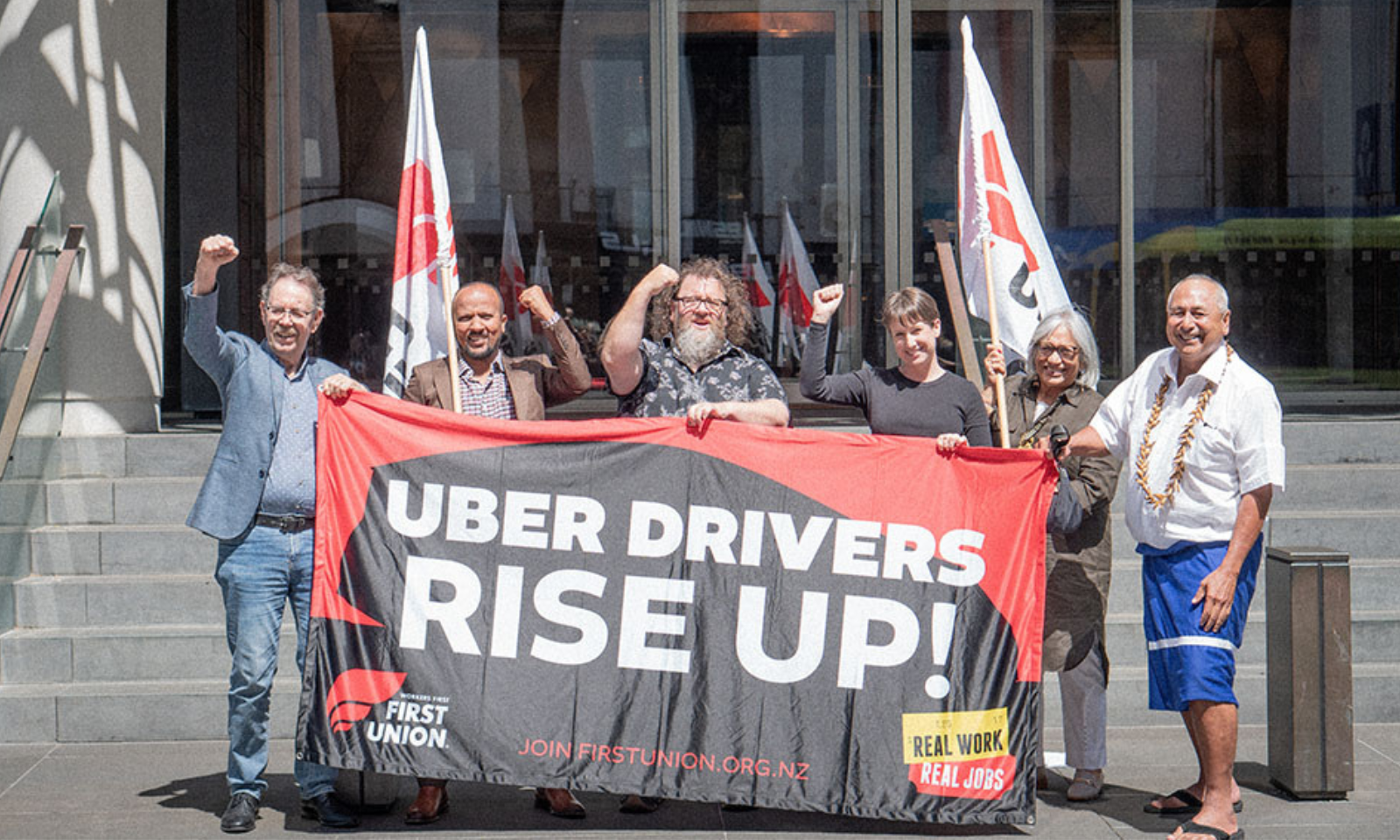
Lalogafau Mea'ole Keil (right) is one of the Uber drivers who won their case in the Supreme Court in November 2025. Photo/Supplied
Lalogafau Mea’ole Keil, one of four drivers who successfully challenged Uber through the courts in 2025, says the law casts doubts over gains won through legal challenges.
“We are workers, not owners and operators of our own business,” he told William Terite on Pacific Mornings. “We are all trying to grapple and understand, and the lawyers themselves are trying to figure out what these law changes mean and the language they’re using.”
The amendment introduces a test to determine whether a worker is legally an employee or contractor. It also removes the rule that requires new employees to be covered by a collective agreement during their first month, meaning they may negotiate individual terms from the start.
Listen to Lalogafau Mea'ole Keil's full interview below.
The Government says the law also sets an income threshold for unjustified dismissal claims designed to protect employers hiring staff from lengthy legal disputes.
Lalogafau says more than 1700 existing claims for back pay and entitlements appear protected, but warns new workers will face a harder path.
“The ones who had already joined the union before the decision and had filed their claims are safe,” he said. “But for new drivers trying to join the union, we believe it’s not going to be very easy for them to make claims now.”
Union and political response
The Public Service Association (PSA) warns the reforms will affect more than gig workers.
Fleur Fitzsimons, the PSA’s National Secretary, calls them “a recipe for exploitation”.
“What the Government has done is introduce insecure employment for all workers. It will mean workers can be fired at will in New Zealand,” she told Terite.
With Pacific unemployment at 12.3 per cent, more than double the national average, Fitzsimons says the most vulnerable workers, those juggling multiple jobs, will bear the brunt of the changes.
Green Party workplace relations spokesperson Teanau Tuiono describes the bill as a “dark day” and accuses the Government of siding with corporates over workers.
“Workers have a basic right to seek remedies for unjustifiable and unlawful dismissal,” Tuiono said in a statement. “This law effectively destroys that right, leaving workers completely exposed to abuses of power by their employers.”
For Lalogafau, the law has made the issue political. He urges Pacific workers to vote in the November general election.
“This law change can only be temporary,” he says. “With the election coming up, it is imperative that we go and vote. If you’ve changed address, please go and register to vote. It is very important to vote.”
As the new rules take effect, unions warn the impact will be felt in workplaces and homes across Aotearoa, particularly among Pacific families already navigating precarious work.