Seymour targets office karakia as Aupito warns of a ‘culture war’
Thomas Tarurongo WynneFri, 23 Oct
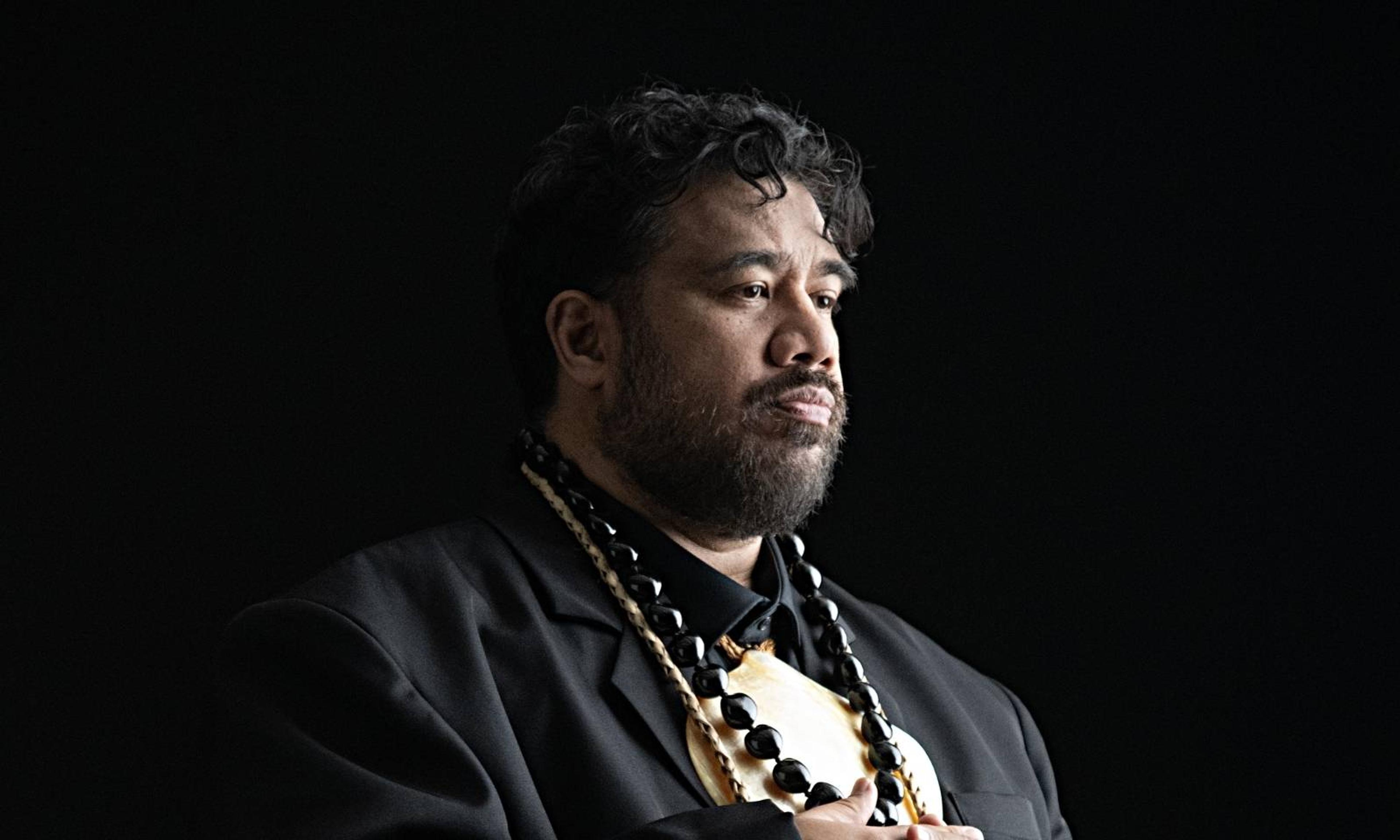
Production shot for Luke Willis Thompson, Soro (2025).
Photo/Stephen Cleland
After winning acclaim in the United Kingdom, artist Luke Willis Thompson returns home with a powerful 35mm movie that reimagines the 2021 Dawn Raids apology.

What if sorry was only the beginning?
That is the question at the heart of Soro, named after “i soro”, which is a traditional Fijian model of reconciliation. It is the latest 35mm film by Fijian New Zealand artist Luke Willis Thompson.
Showing at Auckland University of Technology’s (AUT) Te Wai Ngutu Kākā Gallery, Soro imagines a second Dawn Raids apology, one that goes further and costs more.
Set 10 years after the Government’s 2021 apology for the Dawn Raids, Soro features Alan Wendt, a sign language interpreter, delivering a "second apology" from an unnamed prime minister.
There is no sound. No applause. Just a steady, focused performance that asks the audience to sit with the weight of history.
This time, the apology comes with substance. Thompson’s imagined speech proposes direct compensation for victims and families, reparations for climate change harms affecting Pacific nations, and unrestricted travel for Pacific people.
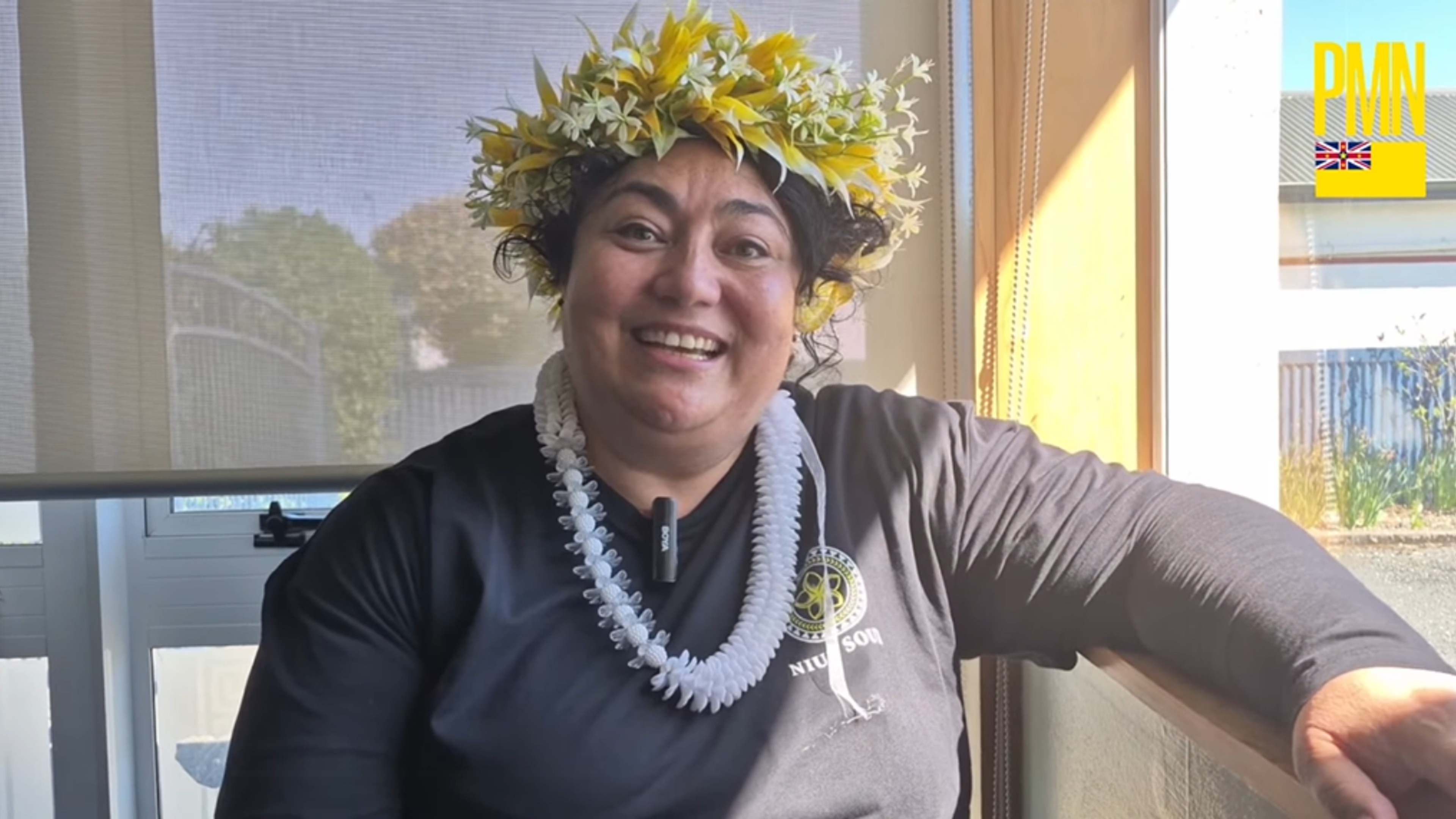
It stretches beyond symbolism and into structural change.Speaking with Elenoa Turagaiviu on PMN Fiji, Thompson says he does not want to disrespect the original apology, which many found moving.
“There are many great Pacific politicians, William Aupito Sio, for example, who did good work as a part of this,” Thompson says. His concern, he said, was not the words but what followed.
“What I came up with was not so much a critique of the first apology, which was beautifully written and performed, but a critique of the economic package that came with the policy,” he says. “A critique of the lack of vision behind it.”
He believes Aotearoa often frames the Dawn Raids as a “dark moment in our history”, without fully recognising the living, breathing Pacific nations affected then and now. “We don't think about the islands as real living places on the other side.”
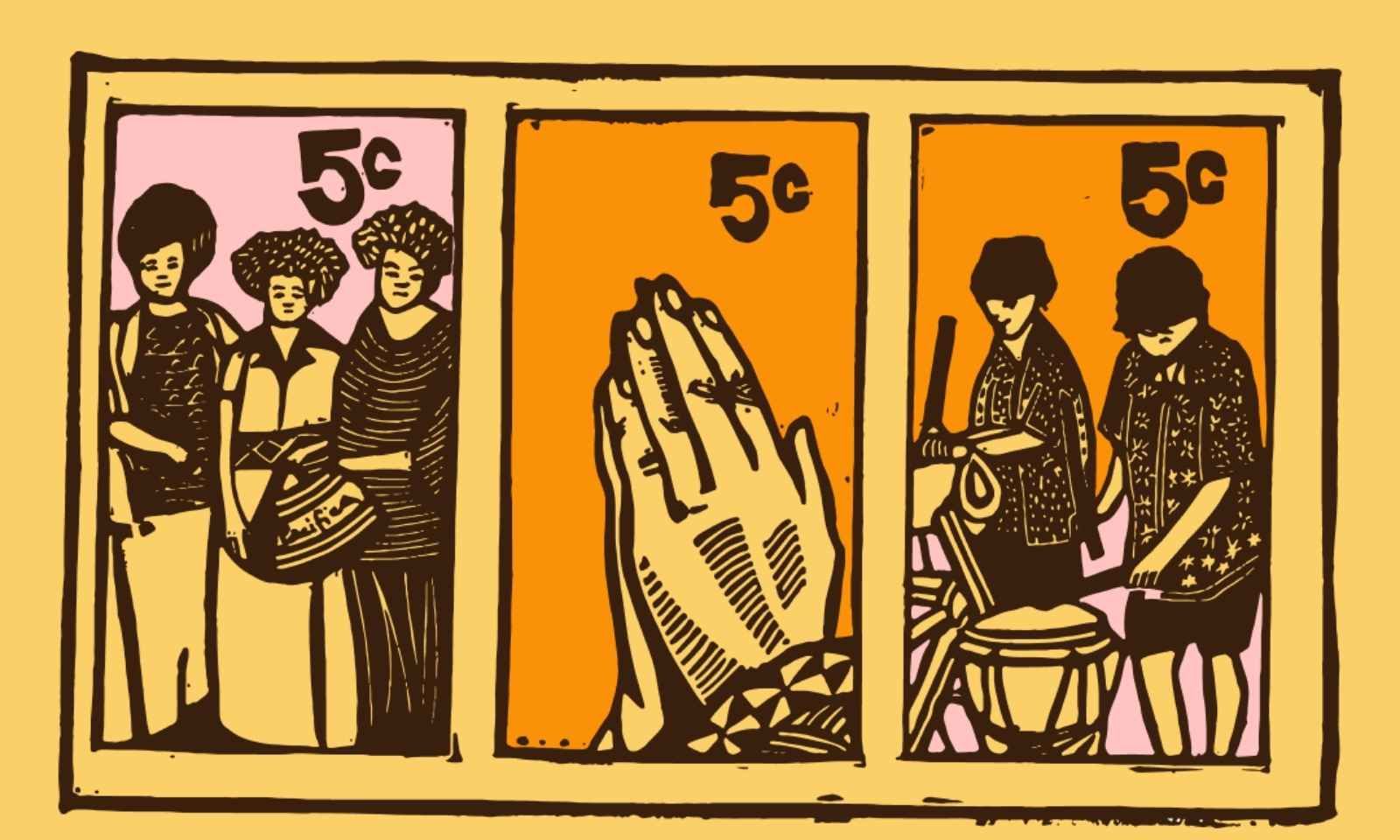
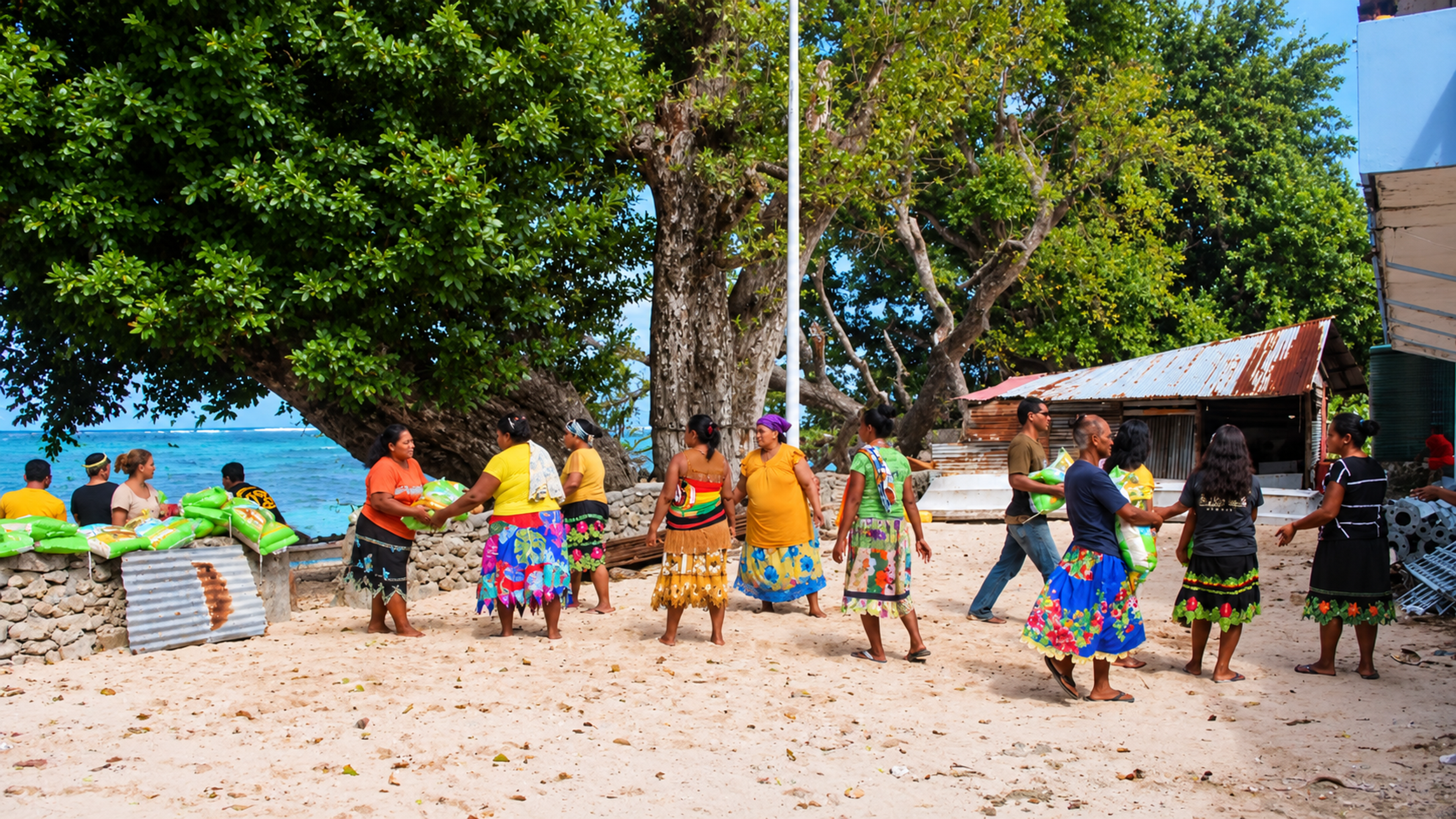
Projects from the Teu le Vā Dawn Raids History Community Fund, administered by the Ministry for Pacific Peoples, focuses on grassroots history and storytelling, including the Vaka of Stories initiative and community-led archival projects like the Polynesian Panther Party Legacy Trust docuseries. Photo/Ministry of Culture and Heritage/Noelle Moa, Letters Home Series
Soro was funded through the Niu Dawn Raids Funding Initiative, a NZ$1.9 million fund from Manatū Taonga Ministry for Culture and Heritage, delivered by Creative New Zealand, supporting Pacific artists to share their stories of the Dawn Raids.
Thompson received $65,400 for the Soro project.
His international reputation gives weight to this homecoming. In 2014, he won the NZ$50,000 Walters Prize for inthisholeonthisislandwhereiam.
After moving to the United Kingdom, he was shortlisted for the £25,000 (NZ$52,040) Turner Prize in 2018.
His nominated work, autoportrait, was a silent 35mm film featuring Diamond Reynolds, who live-streamed the aftermath of the fatal shooting of her partner Philando Castile by police in the United States.
The film later won the £30,000 (NZ$62,448) Deutsche Börse Photography Foundation Prize.
The work garnered controversy over whether Thompson, as a non-Black American, had the right to tell Reynolds’ story.
He says the film was about treating Reynolds’ as a “real figure” rather than just a tragic event in the media.
“In the UK, people don't know enough about the history of the Pacific. They don't really know enough about Indigenous life. There were fraught questions about my rights.
“I ended up thinking and taking this critique seriously: what is my right? I don't really care when other people ask me that, but I do care about my own question: Who am I to make this?
“I wanted to go home and think harder about my perception of the world and the solidarity I see as a Pacific person with other oppressed people around the world. Was that right? Did I have this calculated correctly?”
The reflection led him back to New Zealand in 2022. Since returning, he has focused on work grounded in Pacific and indigenous futures.
His film Whakamoemoeā (2024) imagines a 2040 state broadcast announcing New Zealand's transition to an Indigenous plurinational state.
This film is delivered in te reo Māori by broadcaster and politician Oriini Kaipara at Waitangi.
With Soro, Thompson turns his lens on apology, responsibility, and what repair could truly mean from a Pacific perspective.
The film does not shout, does not accuse. Instead, it calmly expands the frame asking audiences to consider what justice might look like if the Pacific was not an afterthought but the starting point.
Soro is showing AUT’s Te Wai Ngutu Kākā Gallery until 13 March 2026.