
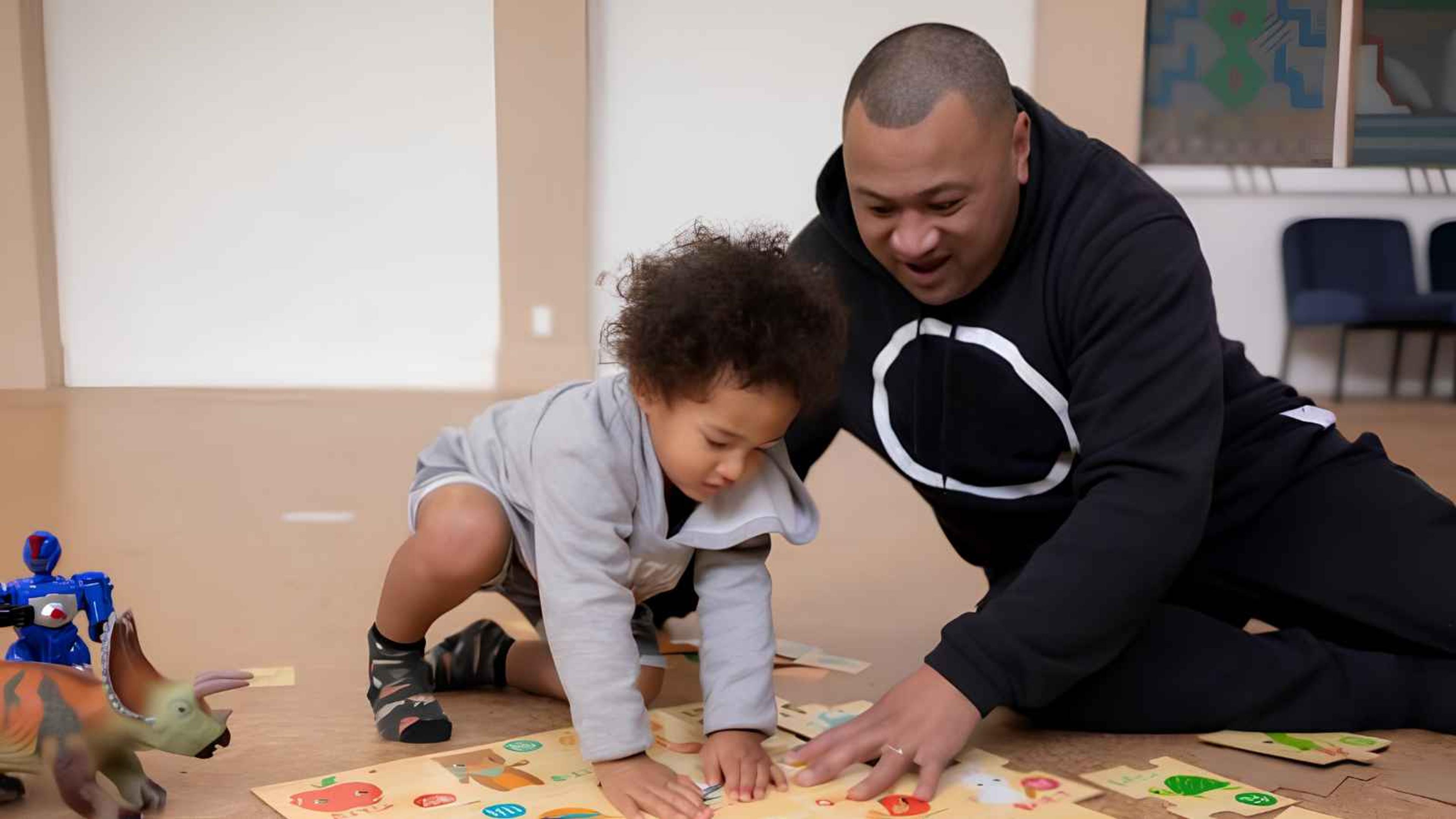
Associate Justice Minister Nicole McKee says efforts are underway with Sāmoan authorities to address the issues surrounding international adoptions.
Photo/Supplied/Oranga Tamariki
Politics
Pacific families urged to speak up as NZ tightens overseas adoption laws after abuse concerns
New law changes aimed at closing gaps in overseas adoption rules are being welcomed for child safety but Pacific leaders warn they must not clash with customary caregiving traditions.

'Alakihihifo Vailala
Published
11 May 2026, 12:49pm
Share
Copy Link
Top stories
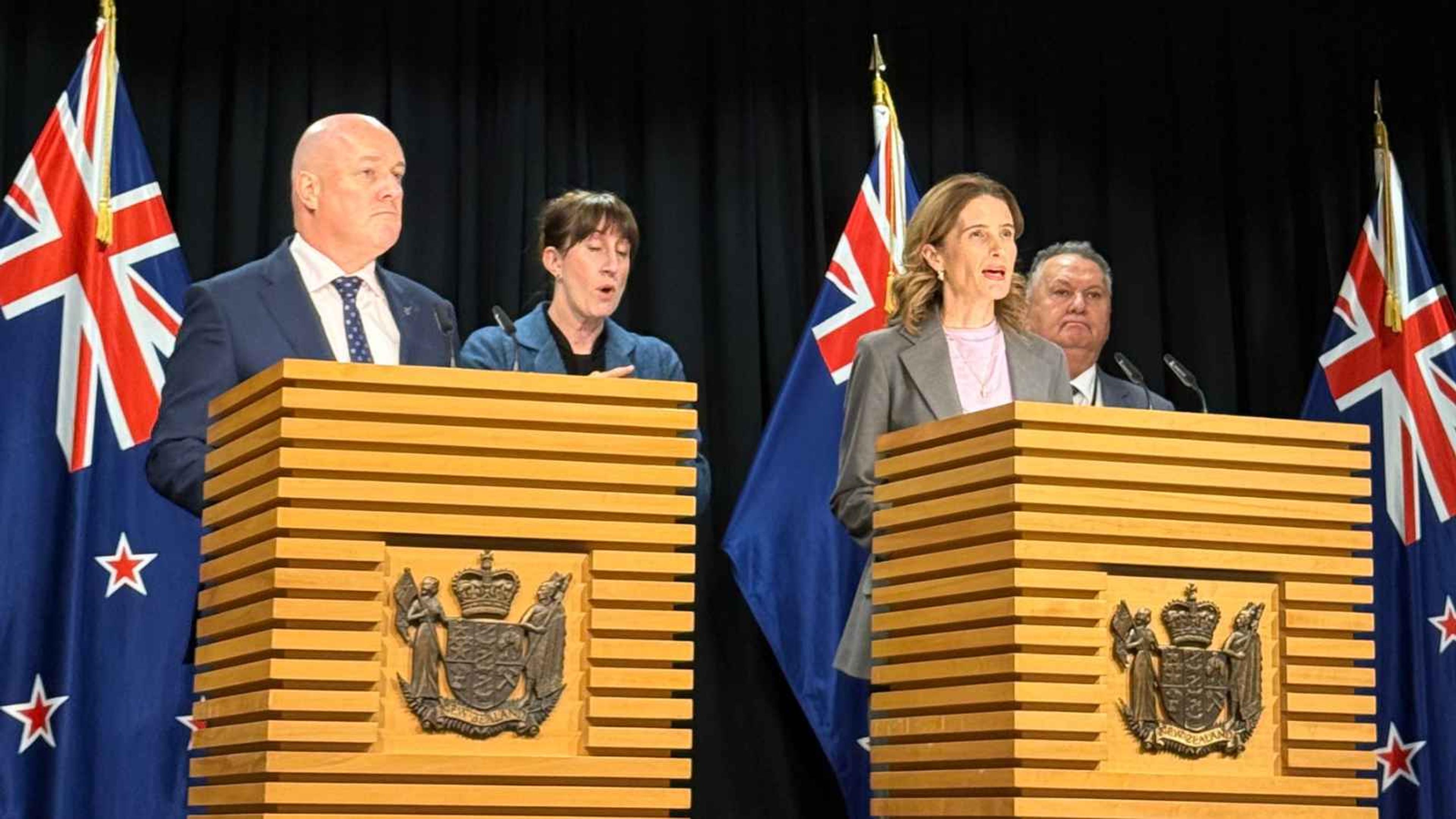
Pacific Fuel Fears: Willis warns of crisis pressure on island economies
'Alakihihifo VailalaTue, 12 May


Pacific stomach cancer cases set to rise as urgent action called on childhood infection
'Alakihihifo VailalaMon, 11 May
Top stories
Pacific Fuel Fears: Willis warns of crisis pressure on island economies
'Alakihihifo VailalaTue, 12 May
Pacific stomach cancer cases set to rise as urgent action called on childhood infection
'Alakihihifo VailalaMon, 11 May
Pacific families are being encouraged to have their say as the Government moves to tighten New Zealand’s overseas adoption laws following serious abuse cases involving children from the region.
The proposed changes are designed to strengthen safeguards and close loopholes in the system after concerns that some adopted children were being harmed after arriving in Aotearoa.
In an interview with William Terite on Pacific Mornings, Associate Justice Minister Nicole McKee says the reforms are needed to better protect children and ensure proper checks are in place.
“What does it mean for our Pasifika countries? If they meet the Hague Convention rules, then they will automatically allow their children to come through a process such as the Family Court in New Zealand and different immigration processes as well,” McKee says.
According to McKee, 1000 children are entering New Zealand every year through overseas adoption-related pathways, with Sāmoa among the Pacific countries most connected to these arrangements.
The Hague Convention is an international agreement that sets out rules for cross-border adoption and child protection standards.
Watch Nicole McKee's full interview below.
Under the proposed changes, countries like Tonga, Fiji and the NZ Realm nations, the Cook Islands and Niue, will not be directly affected.
Tonga is exempt due to its own strict court-based adoption system and close information sharing with Aotearoa, a situation McKee hopes Sāmoa can soon establish.
McKee says the reforms were driven in part by serious cases of abuse. “There was one person who had actually brought in around 10 children from overseas and has been exploiting them for his own purposes.
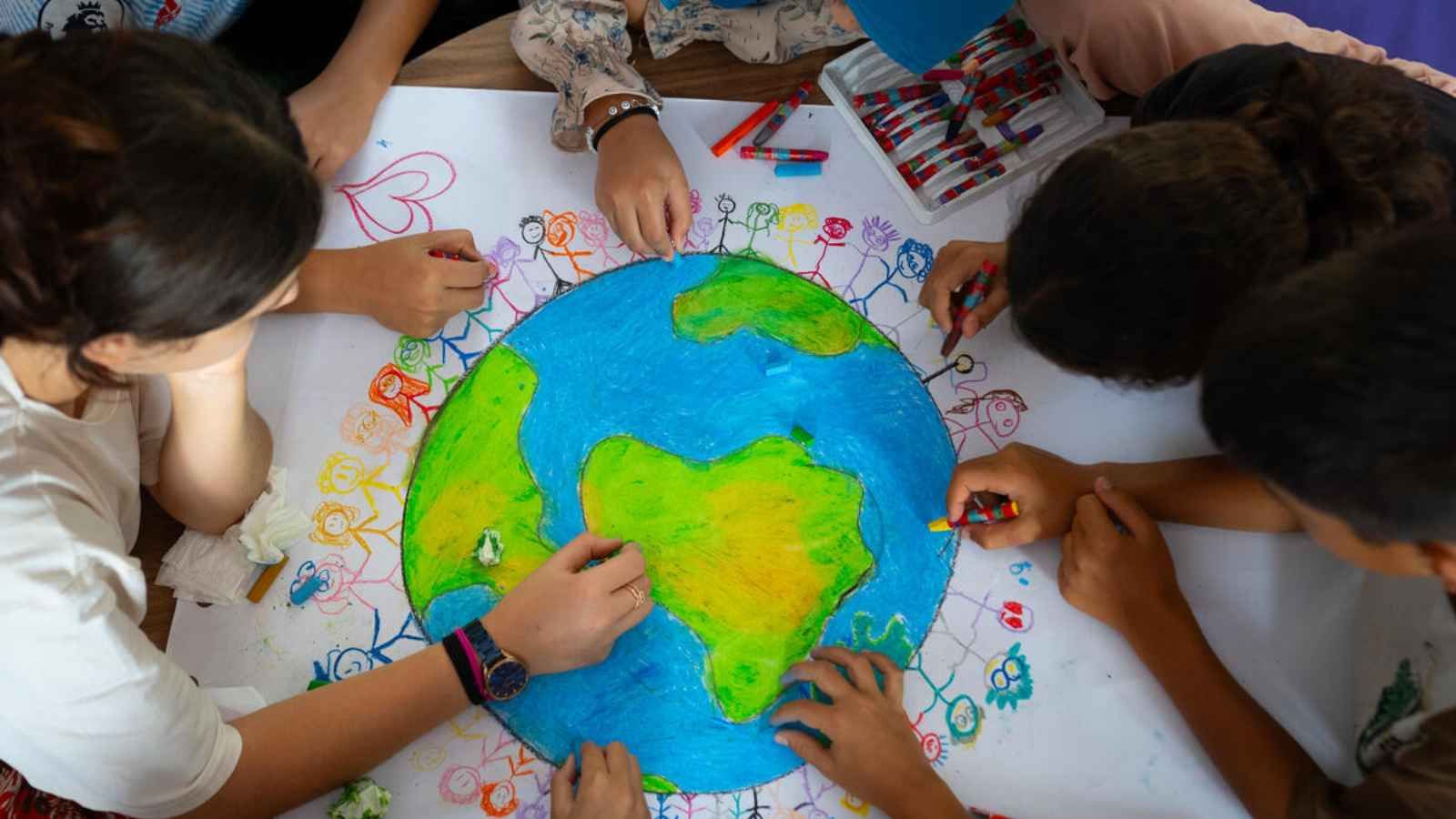
New Zealand has temporarily suspended the recognition of most international adoptions, effectively halting the process for countries like Samoa. Photo/Supplied/Save the Children
“More recently, there was one in our news last year where a gentleman had brought three children in from overseas, from Pasifika country, and had used them as slaves.”
Children’s Commissioner Dr Claire Achmad says she supports the intention behind the changes, calling them a long-overdue update to outdated laws.
“There is a need for much stronger safeguards to protect children, to prevent harm from occurring in situations of international overseas adoptions,” Achmad told Terite.
She says New Zealand’s current adoption laws date back to 1955 and no longer reflect modern child protection expectations or international standards.
But Achmad says it is important that Pacific perspectives are not overlooked as the bill moves through Parliament.
“I’m very mindful of the realities of customary adoption for some of our Pacific communities,” she said. “I do think that is going to be a really important aspect that needs to be carefully and thoroughly considered through the select committee process.”
Watch Dr Claire Achmad's full interview below.
Customary adoption practices are an important part of many Pacific cultures, where children may be raised by extended family in ways that are culturally recognised but not always formally documented in law.
Achmad is encouraging Pacific communities and families to take part in the consultation process once the bill reaches Parliament this week.
She said Pasifika voices are important in shaping how the law works in practice.
She adds that the challenge now is finding the balance between stronger protection for children and respecting cultural practices that are deeply rooted in Pacific life.