Online vault aims to return Pacific research to the community
Aui'a Vaimaila Leatinu'uWed, 21 Oct
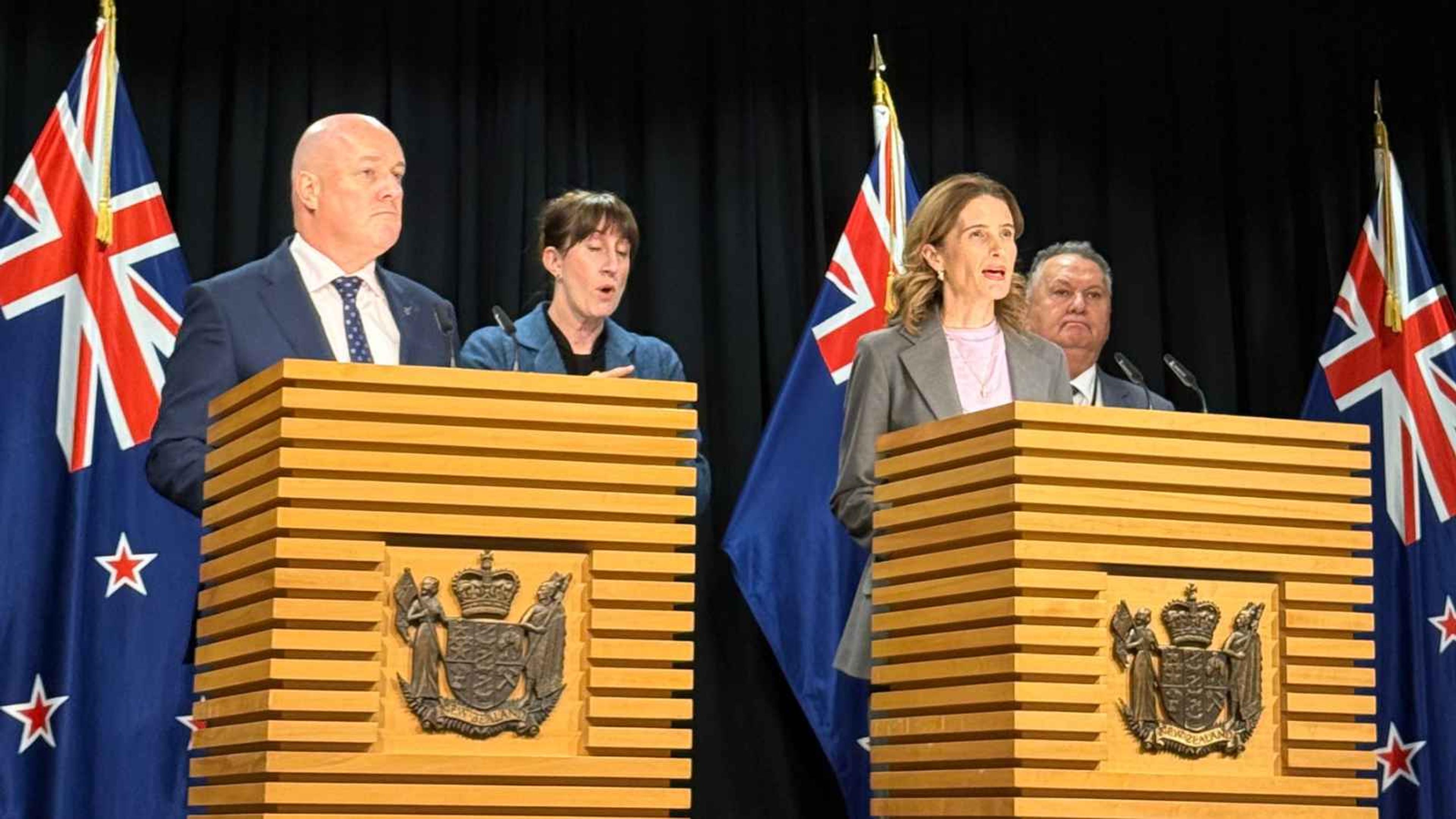
Prime Minsiter Christopher Luxon and Finance Minister Nicola Willis speaking to media during the post-Cabinet press conference.
Photo/PMN News/Ala Vailala
Pacific leaders are concerned about whether they could afford fuel if global prices spike during a major supply disruption, the Finance Minister says.




Pacific governments are warning they could struggle to afford fuel if global supply chains are hit by a major disruption, New Zealand’s Finance Minister Nicola Willis says.
She says the concern has been raised strongly by New Zealand’s realm countries, including the Cook Islands, Niue, and Tokelau, which rely heavily on imported fuel and are closely tied to Aotearoa’s currency and economic stability.
“ In terms of Pacific partners, in particular, the Prime Minister, the Minister for Foreign Affairs, have engaged with their counterparts in the Pacific, particularly as it relates to the realm countries who would be affected by any elevation in the fuel phases,” Willis told journalists.
“Of critical concern to them has been ensuring that they have the funds needed to pay for fuel should it spike significantly in cost and our Ministry of Foreign Affairs is already working alongside Australia and other international partners to ensure that we do have a joined-up response there.”
The concerns from Pacific leaders come as New Zealanders face their own record-breaking costs at the pump. As of 12 May, 91 Octane petrol is averaging $3.50 per litre while diesel has spiked to $3.51, a staggering 88 per cent increase from early 2025 levels.
For Cook Islands, Niue, and Tokelau, which use the New Zealand dollar, rising fuel prices are made worse when the currency weakens. This means buying fuel from overseas becomes even more expensive and makes the “joint-up response” Willis mentioned critical to their economic stability.
Watch the fuel plan announcement below.
The warning comes as Pacific leaders step up regional coordination on fuel security. In early May, Pacific Islands Forum (PIF) leaders activated the Biketawa Declaration, a rare move used only during major regional crises.
It was last invoked during the Covid-19 pandemic, highlighting how seriously fuel supply risks are now being treated across the region.
The declaration sets out how Pacific nations respond together to major crises, including political instability, natural disasters, and now growing concerns over energy disasters.
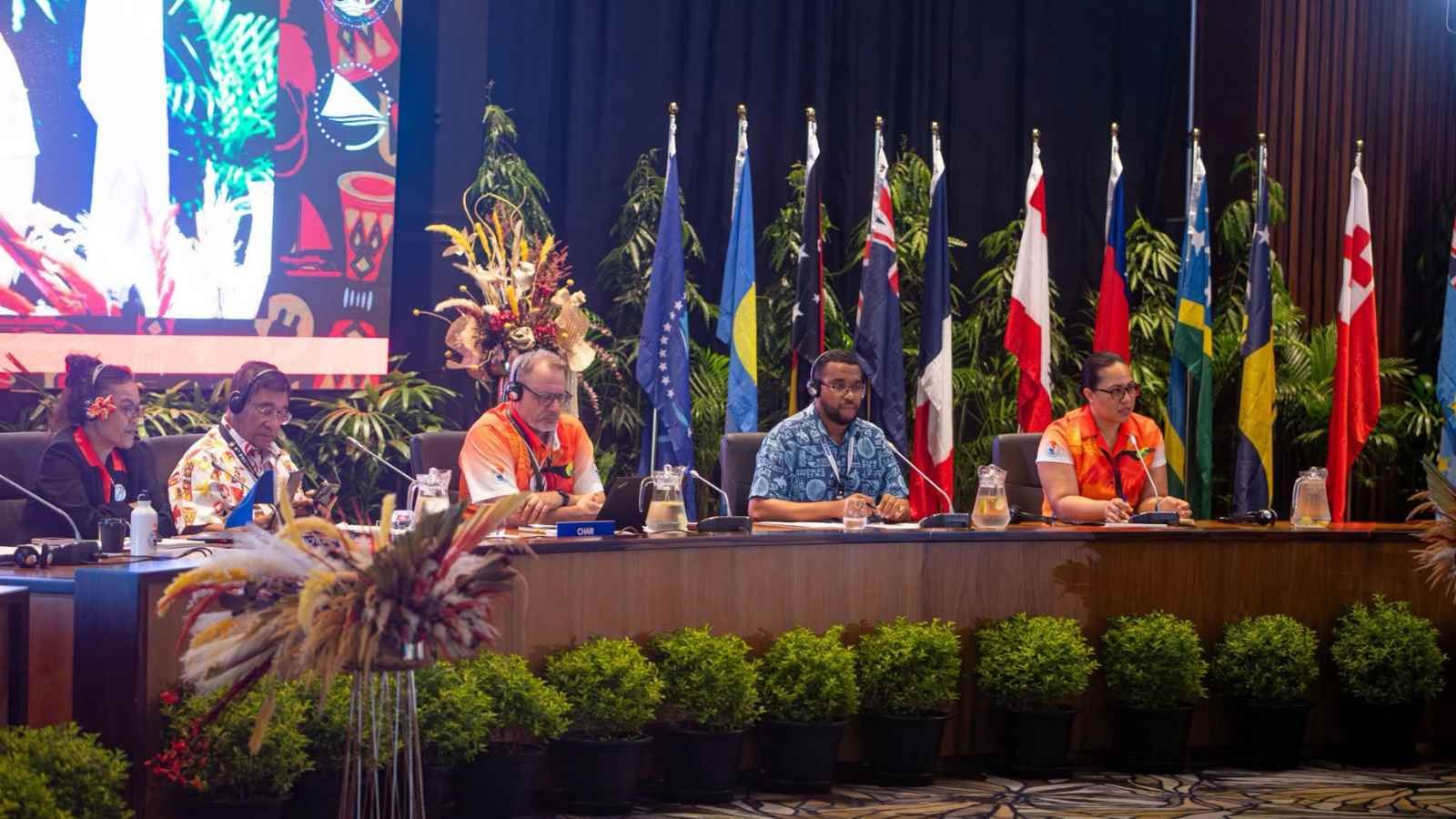
The PIF invoked the Biketawa Declaration to support a coordinated regional response to the emerging energy crisis affecting the Pacific region. Photo/Supplied/PIF
A special session of the Forum Officials Committee will be held this month, followed by a meeting of foreign ministers to agree on next steps.
Australia has also moved to support the region with Foreign Affairs Minister Penny Wong announcing an AU$30 million (NZ$36m) package during a recent visit to Suva last week to help Fiji respond to fuel pressures.
Tonga’s Prime Minister Lord Fakafanua says the kingdom remains in the “green light” phase of its fuel plan meaning supply remains stable for now despite wider global risks.
In his latest press conference, Fakafanua also announced immediate cost-of-living support including an electricity subsidy for households, help for outer-island connectivity, a one-off $100 payment for elderly and disability beneficiaries, and support for businesses facing rising energy costs.
In New Zealand, the Government has rolled out an updated national fuel resilience plan aimed at preparing for global shocks.
According to Willis, fuel refiners have secured crude oil supplies through July and August and have widened sourcing away from the Gulf including suppliers in the United States, Mexico, Oman, Latin America, and Canada.
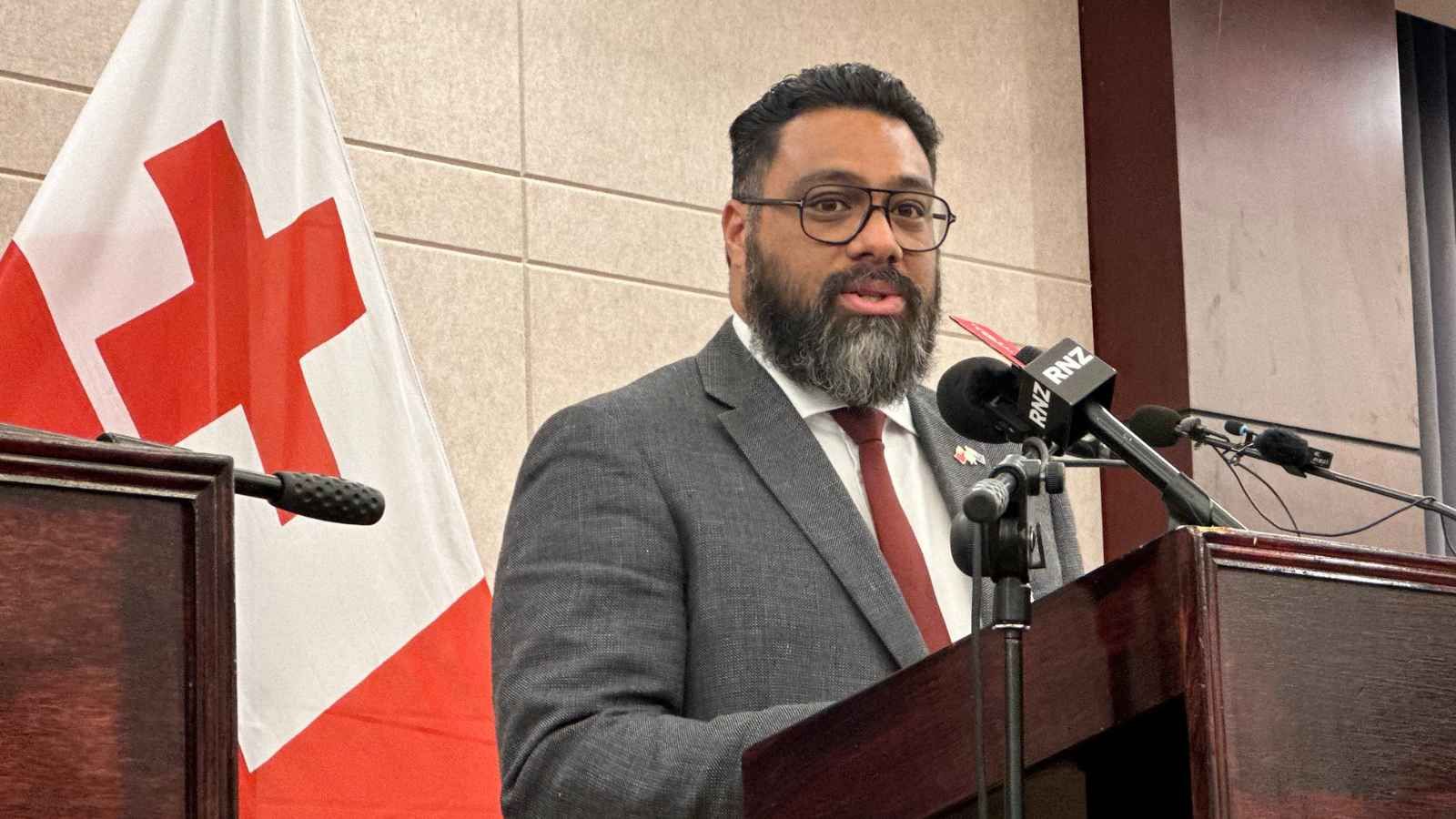
Tonga Prime Minister Lord Fakafanua. Photo/PMN News/Ala Vailala
She says companies have also agreed to provide early warnings of any disruptions, giving New Zealand several weeks’ notice if risks rise.
Despite that, the Government says it remains on alert. Since moving into phase one of its fuel response framework in March, New Zealand has built up fuel reserves, prepared allocation plans for essential public services, and worked with industry on emergency jet fuel arrangements.
Willis says consultations on the framework included fuel companies, businesses, social service organisations, and Pacific partners, reflecting how closely linked the region has become to energy security.