
LEAO claims Silver Scroll with first pure Gagana Sāmoa winner
Brooke FonotiWed, 21 Oct
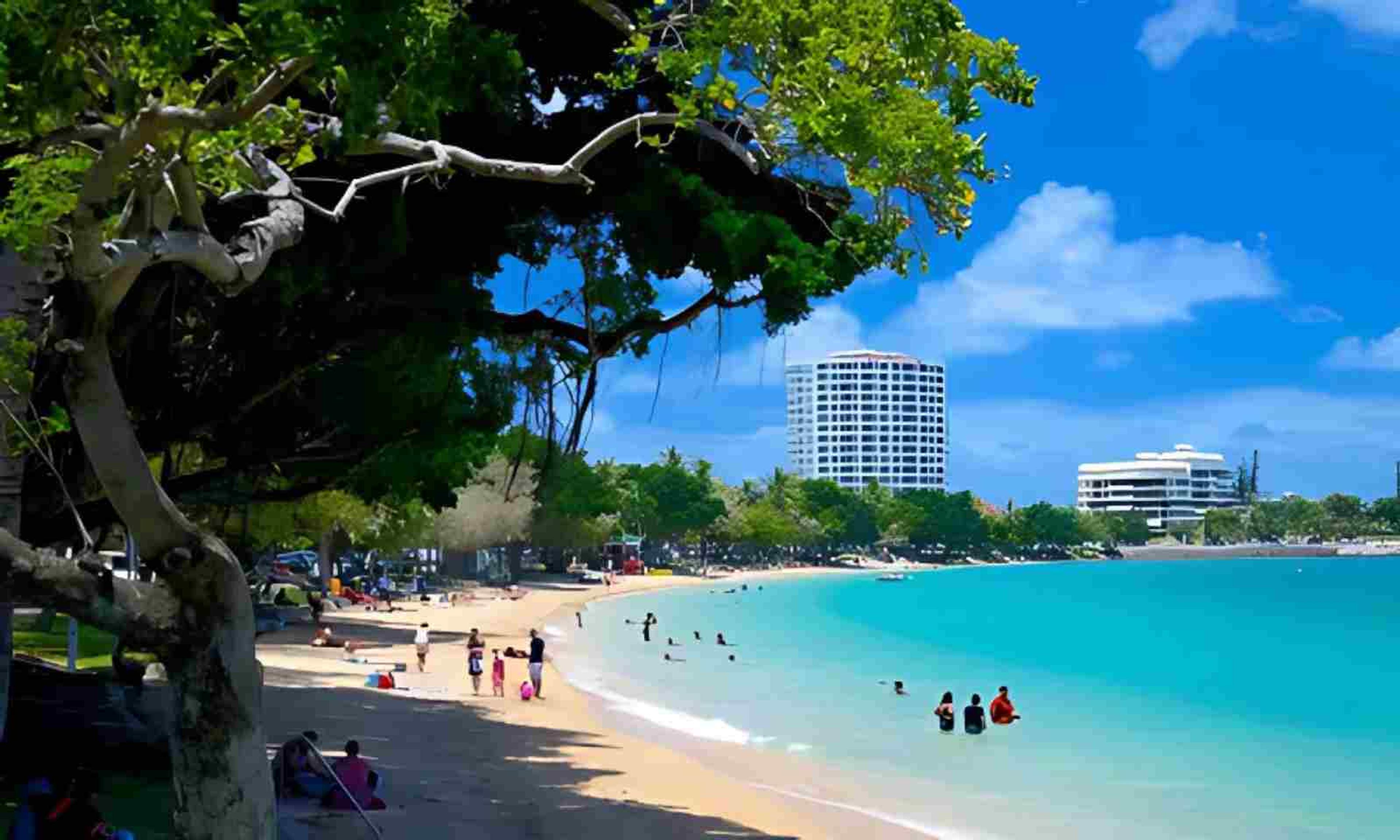
New Caledonia is seeking further financial support from France as the Pacific territory faces a deepening debt crisis.
Photo/Tourism New Caledonia
Two years after deadly riots devastated the French territory, its new president warns of financial collapse.


New Caledonia's new president has secured an in-principle bailout of up to AU$900 million (NZ1.1 million) from France.
The assistance comes as the Pacific French territory struggles to keep its pension and health systems from collapsing.
Milakulo Tukumuli travelled to Paris last week seeking urgent financial help and warned New Caledonia was on the “brink of total collapse”.
He said the country would not make it through 2027 without fresh support from Paris.
French Prime Minister Sébastien Lecornu agreed to provide between AU$600m and AU$900m (NZ$735.11m and NZ$), along with a further AU$96m (NZ$1.17m) to help close New Caledonia's 2026 financial year and balance its 2027 budget.
Most of the new support is expected to be provided as grants, although the package still needs approval from the French parliament. But the final split between loans and grants is unclear.
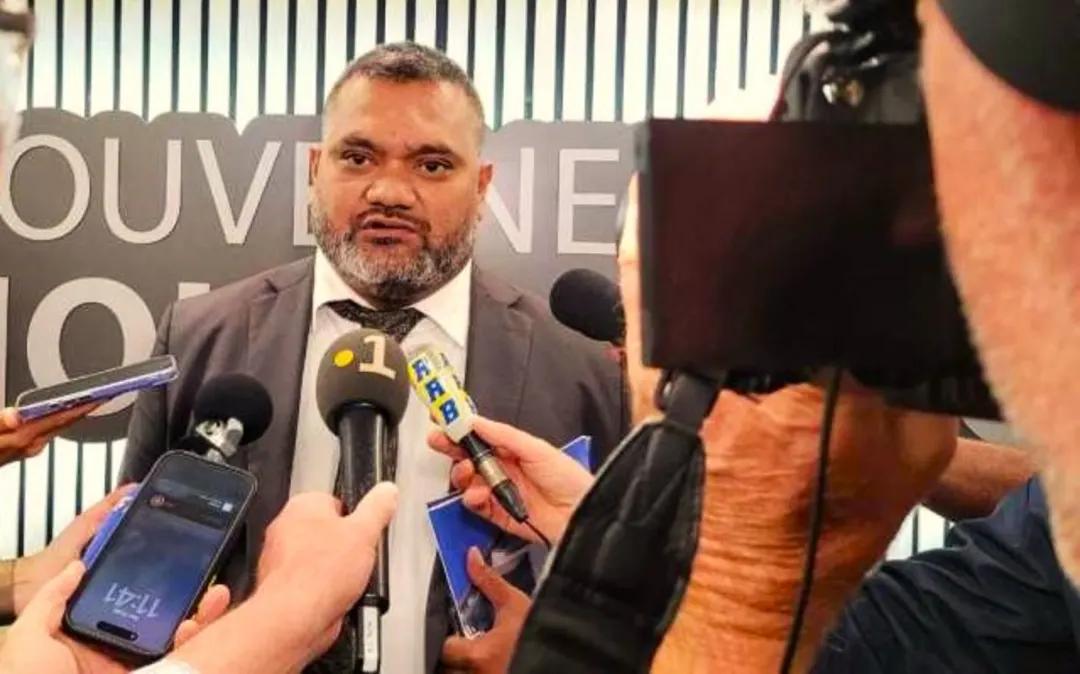
New Caledonia President Milakulo Tukumuli has warned the territory's finances are on the “brink of total collapse”. Photo/LNC
The rescue comes more than two years after deadly riots over proposed voting reforms caused more than AU$3 billion (NZ$3.68 billion) in damage and brought much of the territory's economy to a standstill.
Tukumuli has warned that more than 40,000 people could lose their pensions within months if the territory's struggling pension scheme is not rescued.
He said New Caledonia's healthcare system is also carrying a cumulative debt of AU$578m (NZ$708.16m).
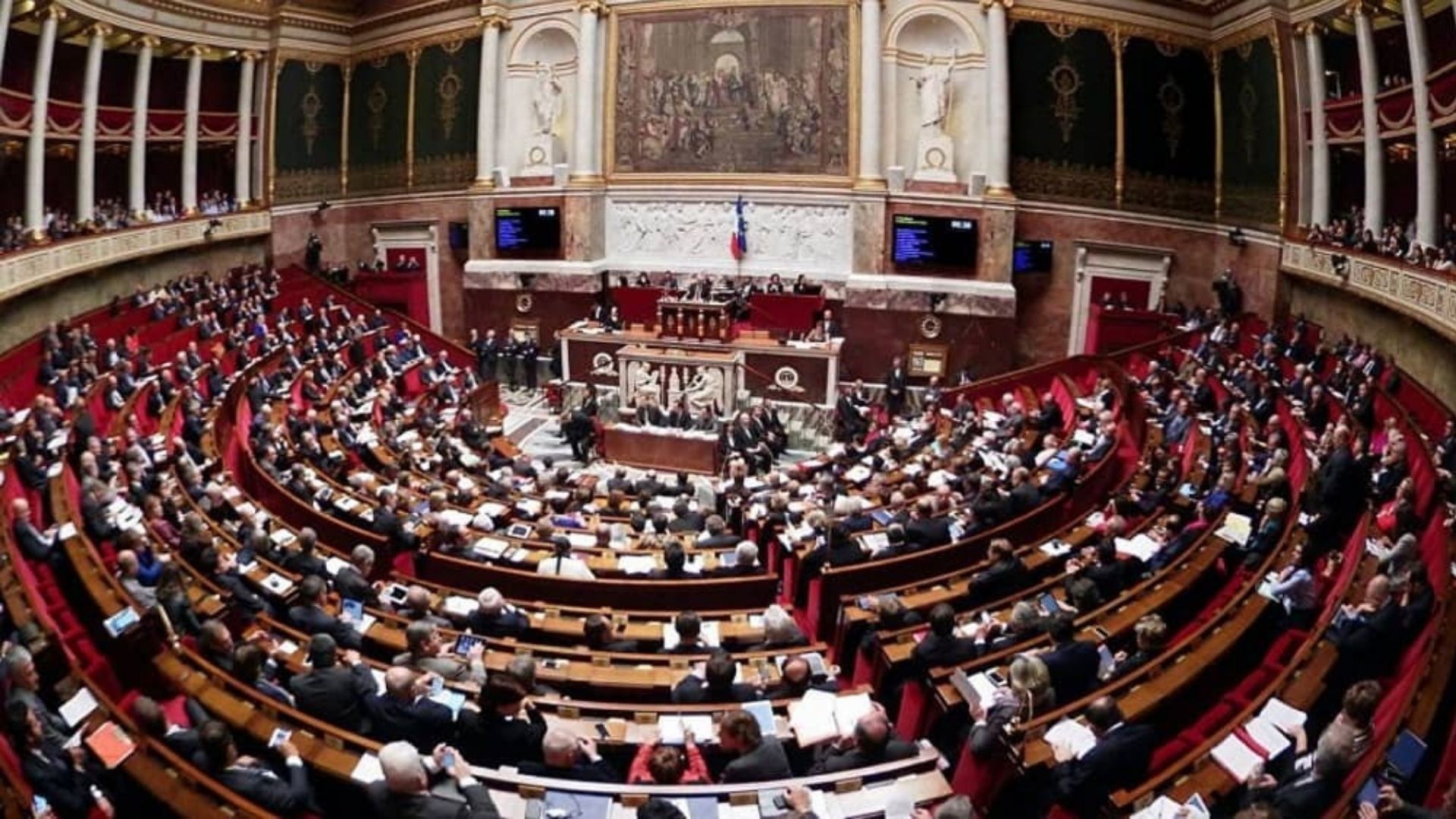
The new French funding package for New Caledonia will still need approval from the French Parliament. Photo/France24/screengrab
The territory has already borrowed heavily through the French Development Agency, with loans for its recovery now at about AU$1.2b (NZ$1.47b).
“Between 2020 and 2026, we have borrowed 1.5 billion euros [NZ$2.96b],” Tukumuli told the New Caledonia Congress in August.
Congress president Virginie Ruffenach said the new funding met about 90 per cent of the AU$870m (NZ$1.066m) requested by the territory's delegation.
But the support comes with a condition: New Caledonia must make “urgent reforms” to cut spending.
Ruffenach said reforms already introduced had delivered savings of almost NZ$735.11m while Chamber of Commerce president David Guyenne warned further measures could mean higher taxes for households and businesses.
“I think New Caledonia is bankrupt and if we didn't have the financial help of France then the whole social system would collapse,” Guyenne said in an ABC report.
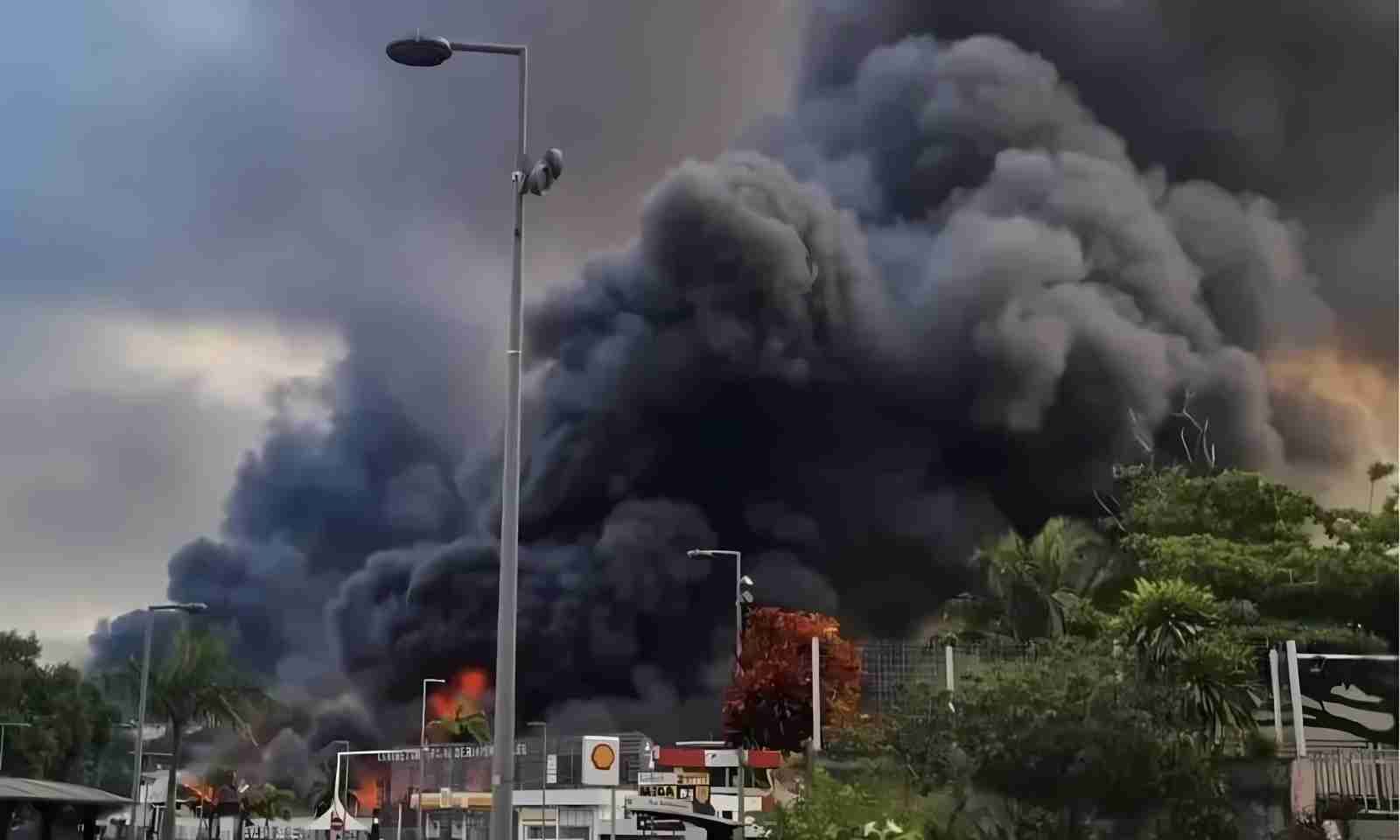
The 2024 riots in New Caledonia caused widespread damage and deepened the territory's economic crisis. Photo/X @ncla1ere
The crisis is being felt well beyond the capital, Nouméa, where businesses and tourism have struggled to recover from the unrest.
Tour operator Gaetan Babout, who moved to New Caledonia from France 14 years ago, said his business lost between 50 and 70 per cent of its trade after the riots.
“2024 and last year were really, really hard,” Babout said in the report. "The economy has totally crashed.”
International tourism has also fallen sharply. Just 58,000 international tourists stayed in New Caledonia in 2025, less than half the 125,000 recorded in 2023 and the lowest number in 30 years.
The economic problems have also hit domestic travel. Air Calédonie filed for bankruptcy after prolonged airport blockades linked to plans to move its Nouméa operations to La Tontouta, about 50 kilometres away.
The disruption has made travel harder for people from the outer islands, with some communities effectively cut off from the mainland.
But on Lifou, about 170km east of New Caledonia's mainland, there is a different picture.
Mou community member Andréa Gaze told the ABC island life remained largely self-reliant despite the wider economic crisis.
“Life in Lifou is better than Nouméa. There's no pollution, we have fields to work in and the sea provides us with fish to eat,” she said.
“We don't need much. We have our wealth right here on the island, from the sea and the land.”
Tourism is also showing signs of recovery on Lifou, helped by a new 50-room hotel and 144,000 cruise passengers visiting the island last year.
But Nouméa's businesses say the road ahead remains uncertain.