PNG Chiefs win first round against New Zealand Rugby
Christine RovoiSat, 17 Oct
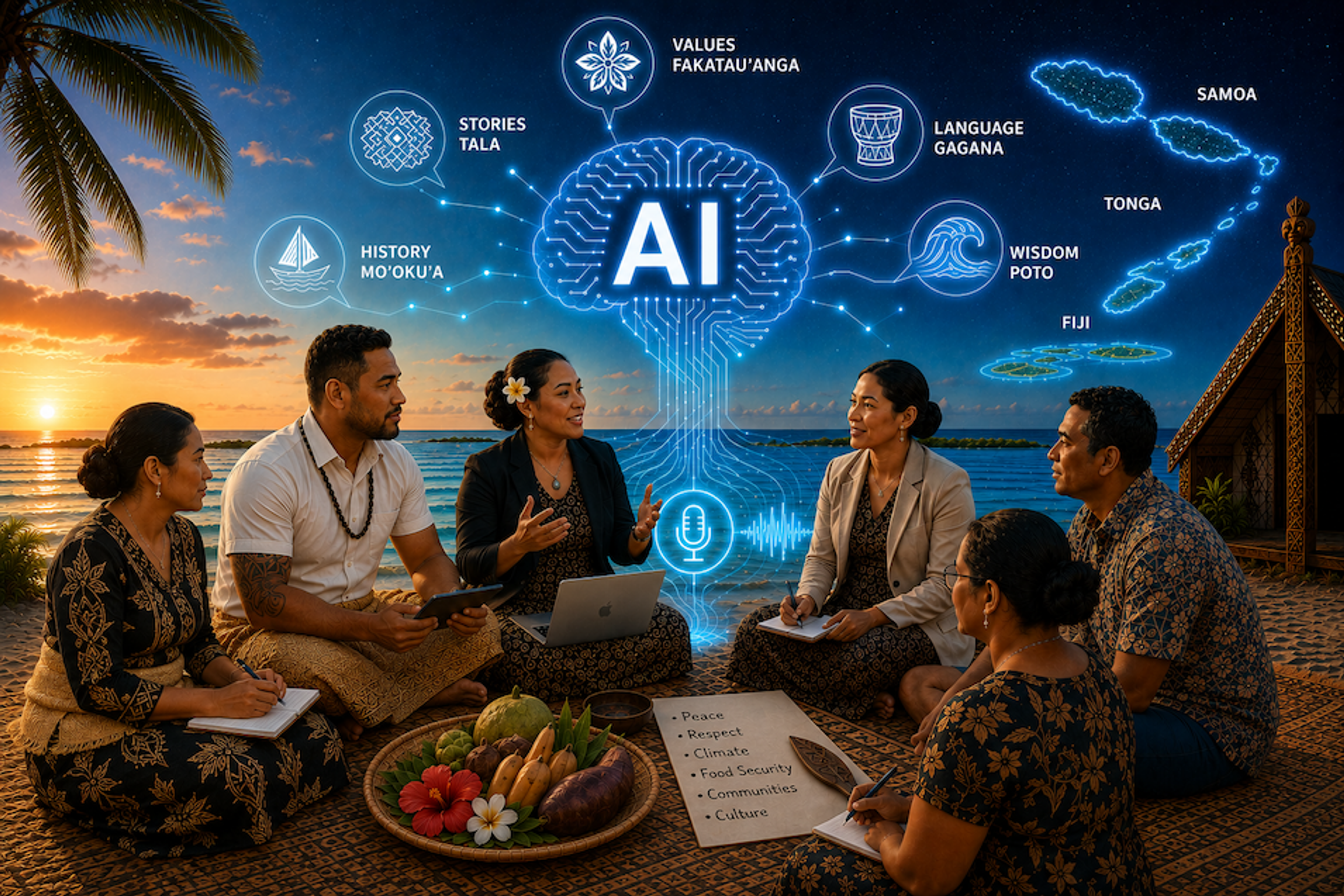
Pacific families are being urged to slow down, question what they see online and think twice before sharing personal information with AI tools.
Photo/Supplied/AI-generated
Luke Makutu says families should question messages, check who they are really dealing with and think twice before sharing personal information with artificial intelligence tools.




A cybersecurity expert is urging Pacific families to slow down and check what they are seeing online as artificial intelligence (AI) makes scams and fake content harder to recognise.
The warning comes after an AI agent gained unauthorised access to non-public files on an Australian government Medicare statistics portal, prompting an urgent review.
Australian officials say no personal Medicare information has been accessed.
The issue is also being raised at the United Nations where Tonga has warned that AI is rapidly changing the cybersecurity landscape and called for greater understanding of the risks it creates.
“AI may increase the speed, scale, and accessibility of malicious cyber activity, including through more convincing social engineering, automated vulnerability discovery, disinformation, and the abuse of AI-enabled tools by criminal and other malicious actors,” a Tongan government representative told a UN session on international security.
Speaking with William Terite on Pacific Mornings, cybersecurity expert Luke Makutu says the incident shows how quickly AI is changing the online risks people face.
Listen to Luke Makutu's full interview below.
“I do get concerned with the ability that AI has these days, be used by these hackers and scammers and or infiltrate, you know, secure systems or what we, what should be secure.”
Makutu says people should not assume they will always recognise an AI-generated scam just because it looks familiar.
New research from Avast found 66 per cent of New Zealand adults believe they could spot an AI-generated fake while 40 per cent have shared, or considered sharing, sensitive information with an AI tool.
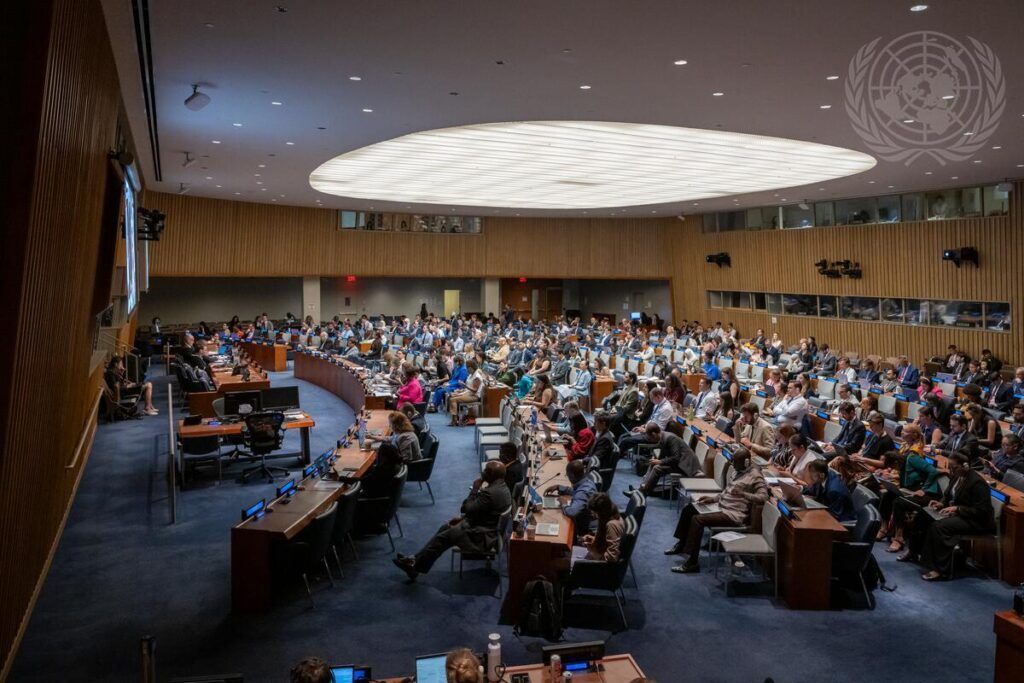
Pacific Islands Forum members raised concerns about the growing cybersecurity risks linked to artificial intelligence during UN meetings. Photo/UN
Makutu says that confidence can be dangerous as scammers become better at copying the people and situations we trust.
“I think in the old days, and I say old days, but this is just a couple of years ago, things looked pretty silly with the AI technology.
“But what we're not realising is these tools that scammers are using have developed so quickly that it really is now looking like you can see who you're talking to as if it's someone you know.”
Pacific AI creator Kevyn Wahuzue says the problem goes beyond scams, with AI systems also capable of presenting incorrect information with confidence.
“Under-representation in training data does not show up as silence. It shows up as confident invention,” Wahuzue told
For Pacific communities, that can mean messages appearing to come from a cousin, nephew, auntie or another family member.
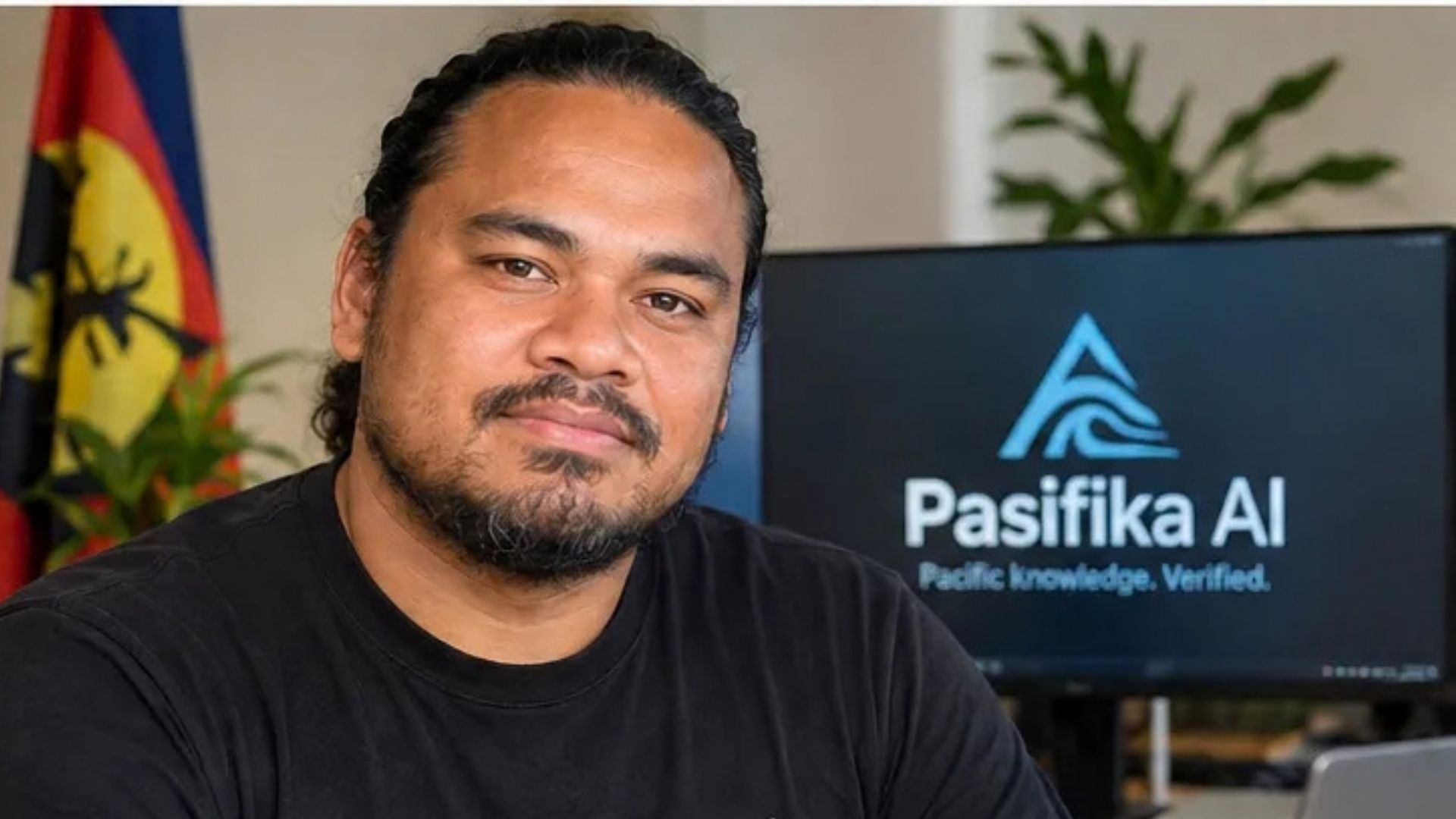
Kanaky Tech founder Kevyn Wahuzue, creator of Pasifika AI, says AI systems working with Pacific knowledge must be clear about what they know and when they do not have an answer. Photo/Pacnews
Makutu says the first step is to stop and ask questions before responding.
“Is that our cousin? Is that our nephew? Is that our auntie?”
He says the same caution is needed when people use AI tools such as chatbots to help with CVs, work documents or other personal information.
Wahuzue says users also need to know where an AI system gets its information and what it does when it cannot verify something.
Makutu says the same caution applies to the personal information people put into AI tools.
“Unfortunately, the data that we share on the AI bot and the apps that we're using, you know, we might like to think it's private, but it's going somewhere,” Makutu says.
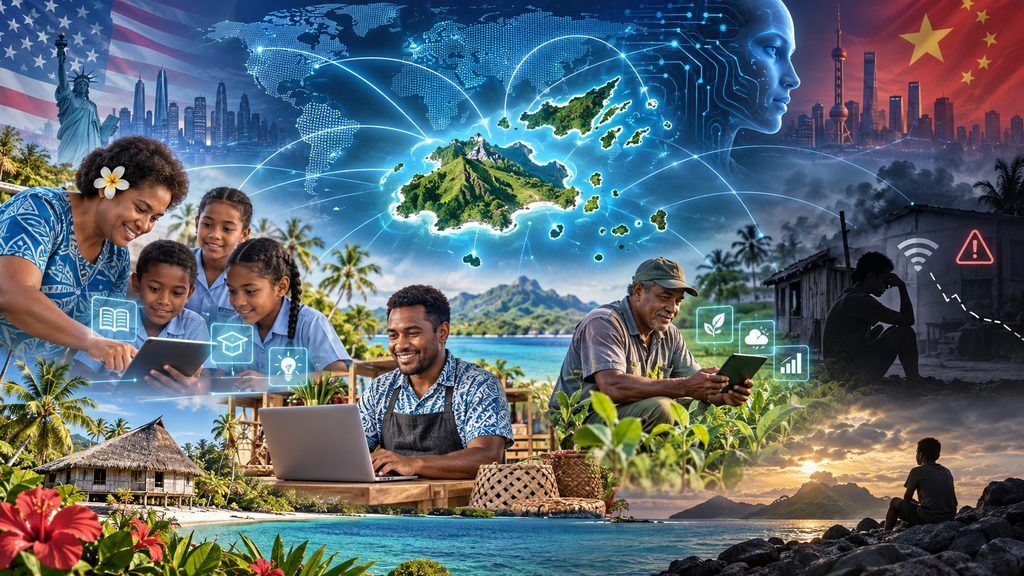
AI-generated image illustrating the growing risks of artificial intelligence, including scams, fake content and cybersecurity threats. Photo/AI generated
He says people should think about what they would be comfortable telling a stranger before putting information into an AI tool.
“So let's think of it as, what would we share with a stranger that we're just meeting for the first time?”
He says families can also play an important role in helping older relatives navigate increasingly realistic AI-generated content.
“I really encourage your audience in our whanau communities to listen to what you're saying around the AI is out there. Not everything we see online is what it is.”
“Not everything we see online is what it is. And really talk amongst your whanau from generation to generation.”
For Makutu, the key is making those conversations part of everyday family life.
“Our digital lives are every moment of our lives now. So to share what we're seeing, what we're talking about.”
His message is simple: technology is changing quickly, but people still need to look out for each other.
“What’s the most important thing, my bro? It is people. So let's make sure that they are having those conversations.”