
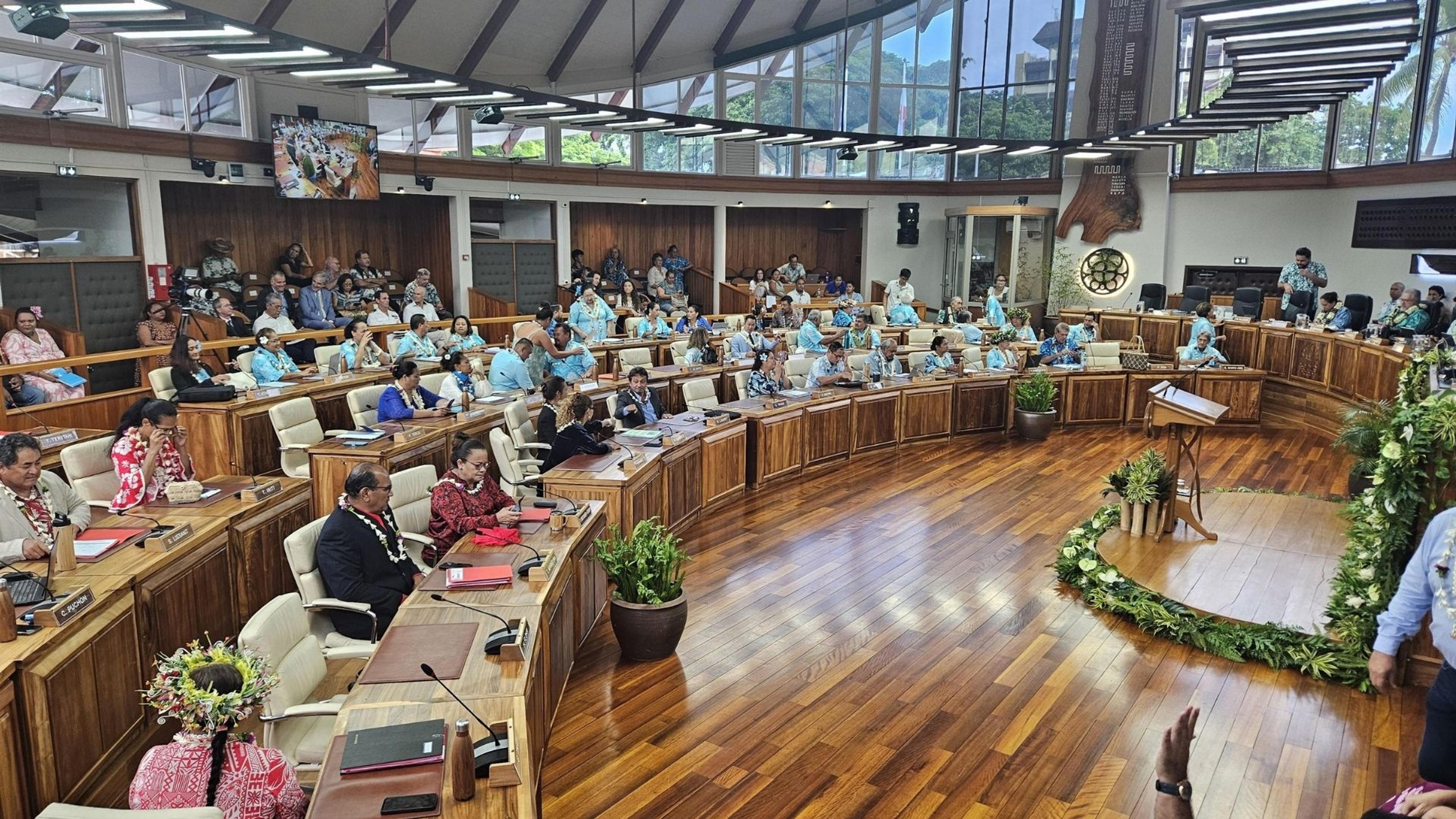
French Polynesia's Assembly has voted overwhelmingly to request a United Nations mission to assess the territory's political situation and the aspirations of its people.
Photo/tahiti-infos.com/file
Politics
French Polynesia's Assembly backs UN mission to Tahiti
The 54-3 vote brings pro-independence and pro-autonomy groups together but they remain divided over the territory's political future.

Christine Rovoi
Published
29 September 2026, 12:15pm
Share
Copy Link
Top stories

Full-circle homecoming as Isaako joins Kiwis' historic RLWC clash against Cook Islands
Brooke FonotiTue, 20 Oct
Free education pledge inspires Solomons students in Aotearoa
Lachlan EddieMon, 19 Oct
Top stories
Full-circle homecoming as Isaako joins Kiwis' historic RLWC clash against Cook Islands
Brooke FonotiTue, 20 Oct
Free education pledge inspires Solomons students in Aotearoa
Lachlan EddieMon, 19 Oct
French Polynesia's Assembly has backed a call for a United Nations mission to visit Tahiti.
The rare show of political agreement comes from groups that remain divided over independence and the territory's relationship with France.
The resolution passed last week where 54 of the Assembly's 57 members voted in favour.
The three main political forces in the Assembly backed the move, which included pro-independence Tavini Huira'atira and A Fano Ti'a, and autonomist Tapura Huira'atira.
The proposed UN mission would assess the situation in French Polynesia and the aspirations of its people while also opening the way for renewed dialogue with the French State.
French Polynesia President Moetai Brotherson said his government supported the resolution while stressing that any decision on the territory's future must ultimately be made by its people.
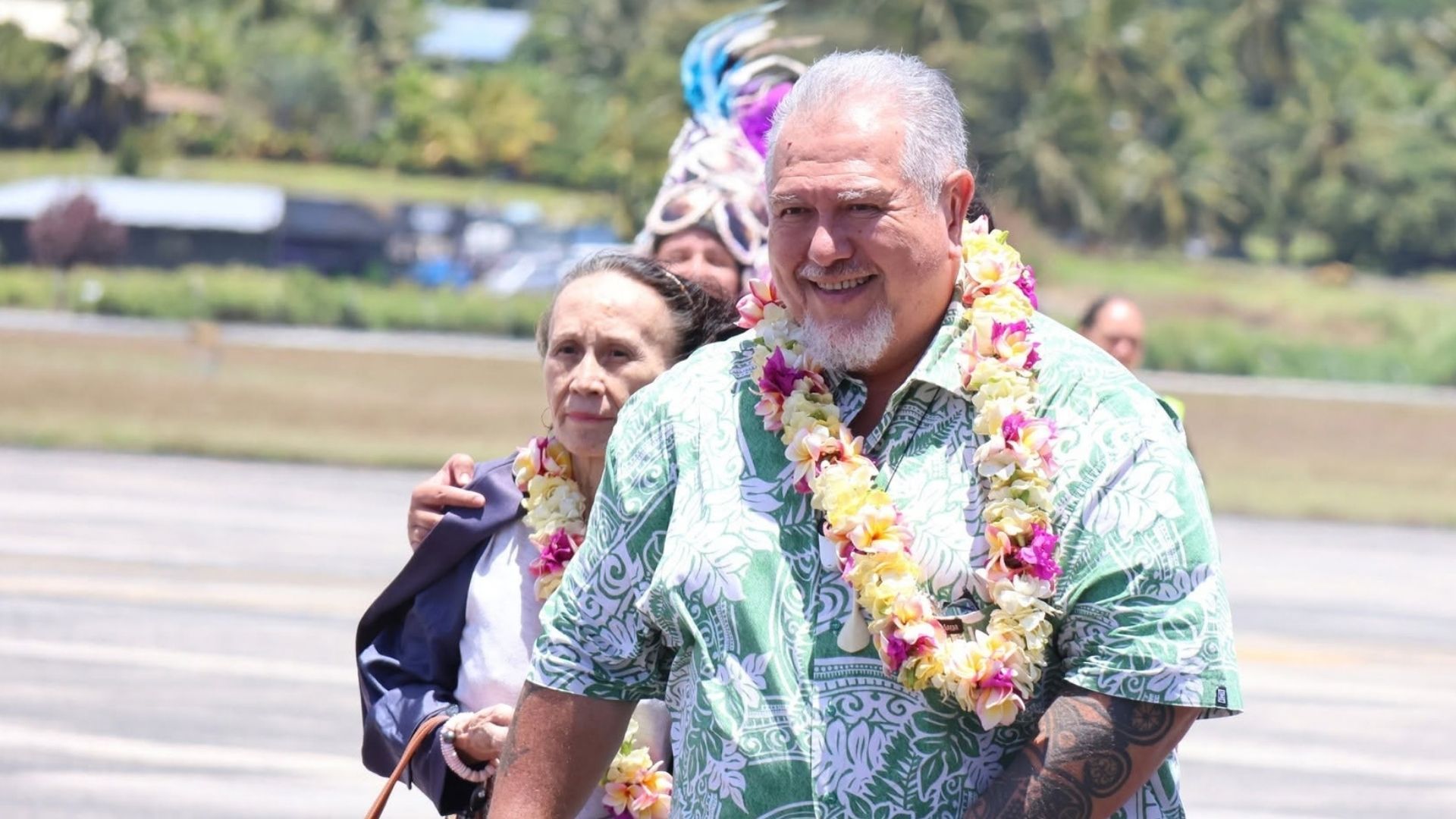
French Polynesia President Moetai Brotherson has supported the call for a UN mission, saying the territory's future should ultimately be decided by its people through an internationally recognised democratic process. Photo/Cook Islands Foreign Ministry
“The future of our country must be decided by our people at the end of a democratic process recognised internationally,” Brotherson told AFP.
Assembly president Antony Géros, of the pro-independence Tavini Huira'atira party, described the agreement as a historic moment.
“We never thought that one day we would get to this point,” Géros told TNTV.
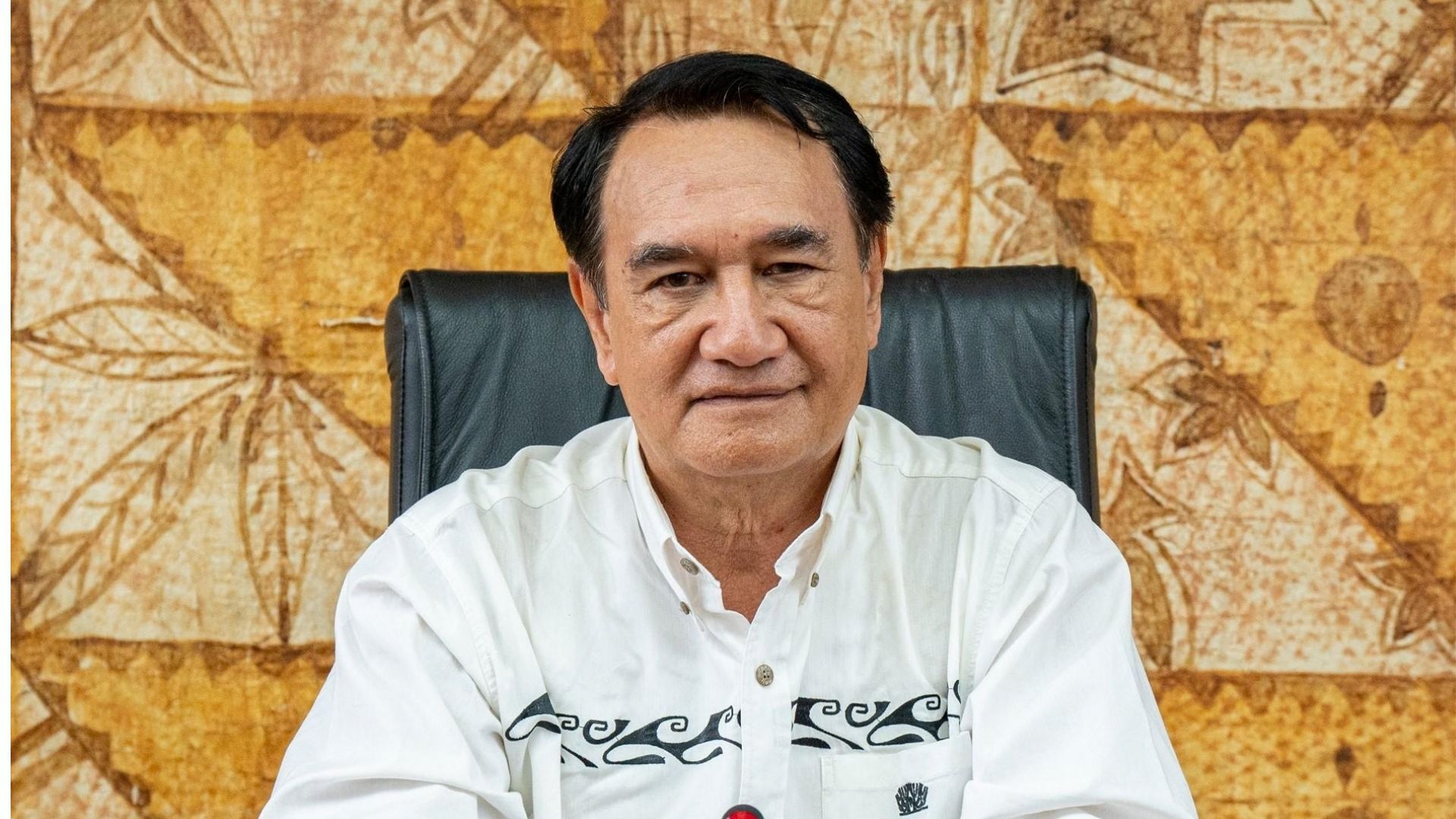
French Polynesia Assembly president Antony Géros, of the pro-independence Tavini Huiraatira party, has described the agreement on a UN mission as a historic moment. Photo/French Polynesia Assembly
He said the groups had united around a common request for a UN mission while maintaining their different positions on the territory's ultimate political status.
Géros said the mission should give the population the information needed to decide its future instead of having that decision made by political parties or other groups.
But the agreement does not mean the autonomists have changed their position on independence.
Tapura leader Edouard Fritch said his party had agreed to an information-gathering process, not a decision on the territory's political status.
“We have accepted an information-gathering process, not an institutional choice,” Fritch told the Assembly.
His amendments helped remove references to “decolonisation” and “self-determination” from the title of the resolution, which now focuses on the proposed UN mission.
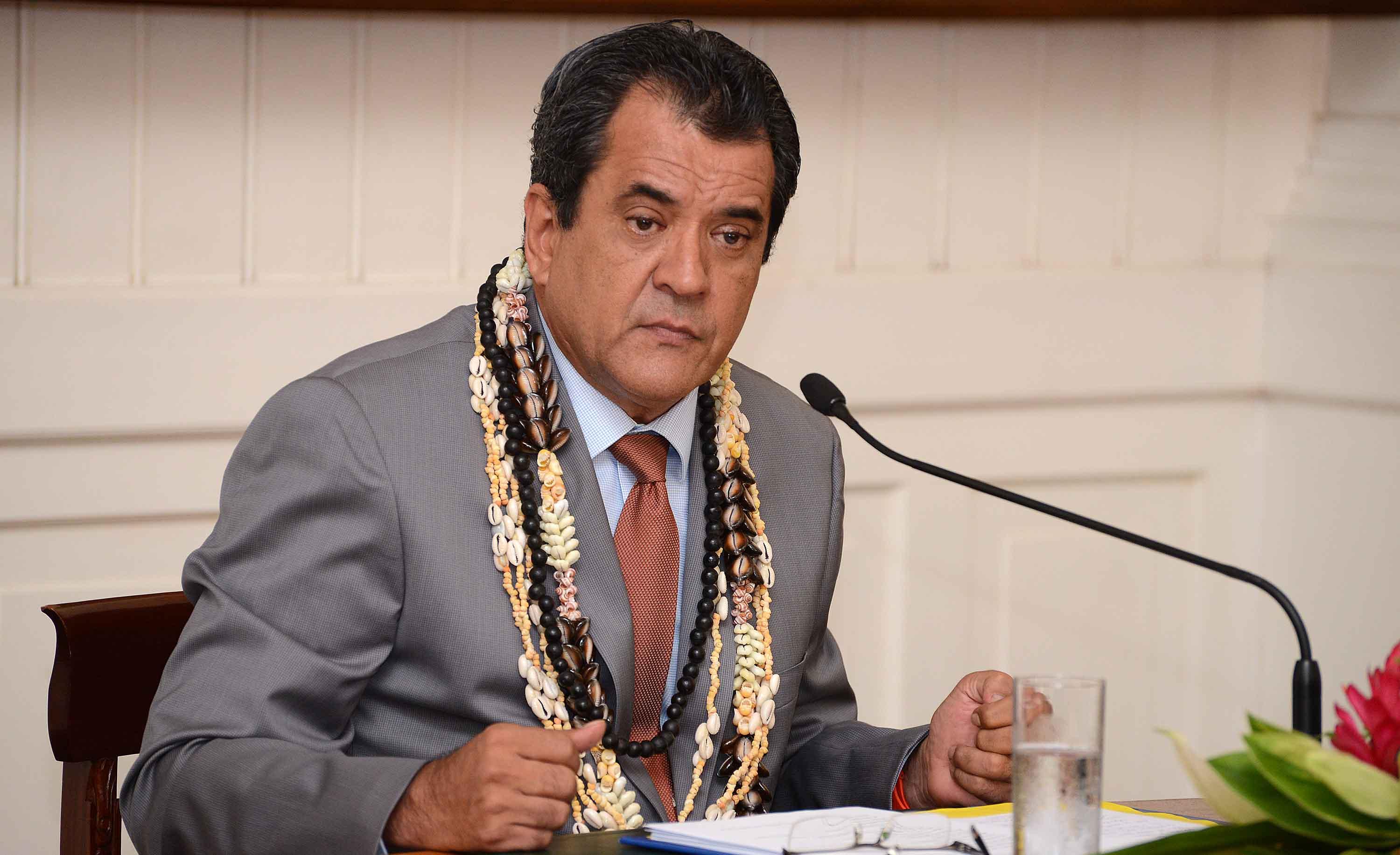
Tapura Huiraatira leader Edouard Fritch supported the resolution while maintaining his party's position in favour of autonomy within the French Republic. Photo/TNTV
The resolution seeks a direct and objective assessment by the UN of conditions in French Polynesia and the aspirations of its population.
French Polynesia was returned to the UN list of Non-Self-Governing Territories in 2013, placing its political future within the UN's decolonisation process.
But France has long rejected UN involvement in determining the territory's political future. It has argued that its status should be addressed through direct dialogue between Paris and French Polynesia.
The latest vote also exposes divisions within the pro-independence movement.
Long-time independence leader Oscar Temaru was absent for the vote and did not give another representative his proxy. He later criticised the agreement between the major political groups.
Temaru has separately said he plans to go to New York in October to declare French Polynesia's “full sovereignty”, highlighting the different approaches within the independence movement.
But Géros says the Assembly's resolution gives the different political camps a common starting point.
A delegation of about 20 elected representatives is expected to take the resolution to New York where French Polynesia's status will again come before the UN's Fourth Committee in October.
The next step will depend heavily on whether France agrees to the proposed mission.
The vote puts fresh attention on a long-running regional question: who gets to shape the political future of a Pacific people and what role should the United Nations play in that process?