
Savea joins Blues for ‘last dance’ after Super Rugby's tug-of-war
Patrick McKendry, RNZFri, 02 Oct

A survey shows four out of five people want action to end migrant exploitation.
Photo/Supplied
New polling shows major public support for reforms to allow migrant workers to leave abusive jobs.




A migrant worker in New Zealand says she felt trapped in an abusive job, unable to leave for fear of losing her visa, a situation that four out of five Kiwis now want the Government to change.
A Horizon Research survey for Te Kāhui Tika Tangata Human Rights Commission found 80 per cent of respondents want action to tackle exploitation of migrants living and working in New Zealand, while 89 per cent say everyone, including migrants, should be treated with “hospitality, care, and manaaki (respect) in the workplace”.
More than half, 57 per cent, agree migrant exploitation is a serious problem, and 46 per cent say immigration rules make it too easy to exploit workers.
In an interview with William Terite on Pacific Mornings, Professor Gail Pacheco, the Equal Employment Opportunities Commissioner, says the results confirm what years of research have already shown, and that the public wants action.
Pacheco says current policy settings are an issue.
“Most people are tied to a single employer, which means that if you're mistreated or abused in some way, you can't easily leave your job,” she says. “Those tied visas really set the stage for exploitation, and if abuse does happen, it's really hard for people to escape it.”
Watch Gail Pacheco's full interview below.
Exploitation occurs across industries and regions, including the Recognised Seasonal Employer (RSE) scheme, which employs around 20,000 workers from Pacific nations on short-term contracts in New Zealand.
The report echoes experiences abroad. In Australia, Pacific workers on the Pacific Australia Labour Mobility (PALM) scheme report fear of retaliation if they speak up about unsafe or unfair conditions.
One Fijian worker told a report by the Migrant Justice Institute: “We do as we are told, take whatever you're given and be thankful you’re given a job with good money, compared to what you get in Fiji.”
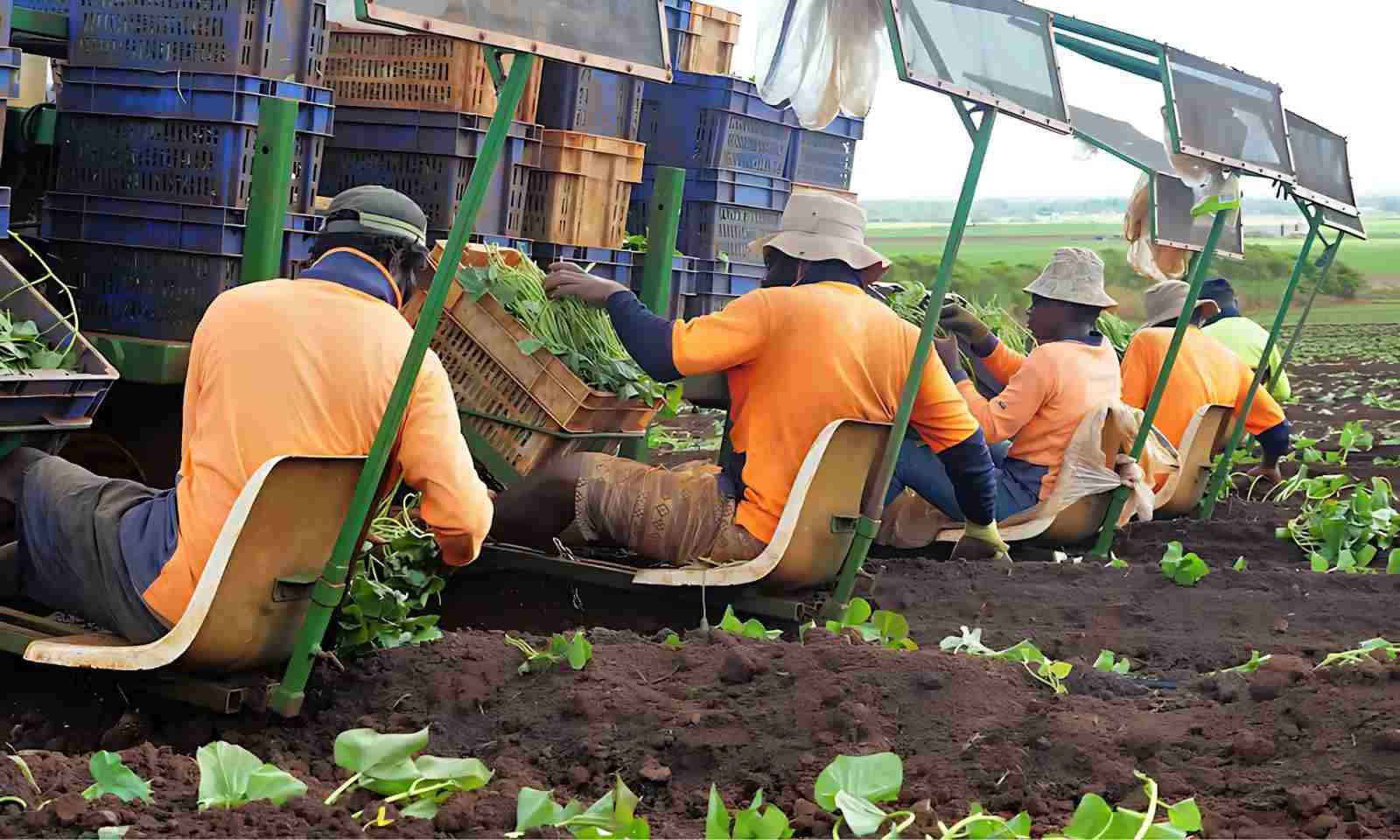
The survey found many PALM workers experience unsafe conditions but are reluctant to report problems due to fears of retaliation or losing future work opportunities. Photo/ABC Wide Bay/Audrey Courty/File
Real cases and barriers to reporting
The renewed focus on exploitation comes as Auckland employer Moeaia Tuai is due to be sentenced next month for enslaving and raping a woman who worked for him. This includes restricting her income and threatening deportation for her and her brother.
Christina Stringer, Director of the University of Auckland’s Centre for Research on Modern Slavery, told RNZ the scale of modern slavery and migrant exploitation is far greater than prosecution numbers suggest.
“Successful prosecutions often rely heavily on victim testimony, and many migrant workers may be unwilling to come forward or may not even recognise themselves as victims.”
Pacheco says a Migrant Exploitation Protection Visa is available in some situations, but it has clear limitations.
“That’s a six-month visa, so that might influence your decision about whether you're reporting abuse,” she says. “You then go on to a shorter-term visa and are limited in how long you can stay in the country.”

Moeaia Tuai. Photo/RNZ/Gill Bonnett
Member’s Bill to combat modern slavery
A joint Member’s Bill to tackle modern slavery will be lodged in Parliament today, backed by the Labour and National parties.
Camilla Belich, Labour MP for Epsom, says it is time New Zealand acted. “Workers in New Zealand and around the world should never face the horrors of modern slavery,” she says.
The Bill will require large businesses to report on how they identify and address modern slavery in their supply chains, create a public register of these reports, and strengthen support for victims. It is due to be introduced to the House next week.
Supporters say the change would bring New Zealand into line with countries like Canada and the United Kingdom, where migrant workers can move between employers without losing their visa status.
In practice, this reform would allow abused workers to leave unsafe jobs, find fairer conditions, and report exploitation without fear of deportation.
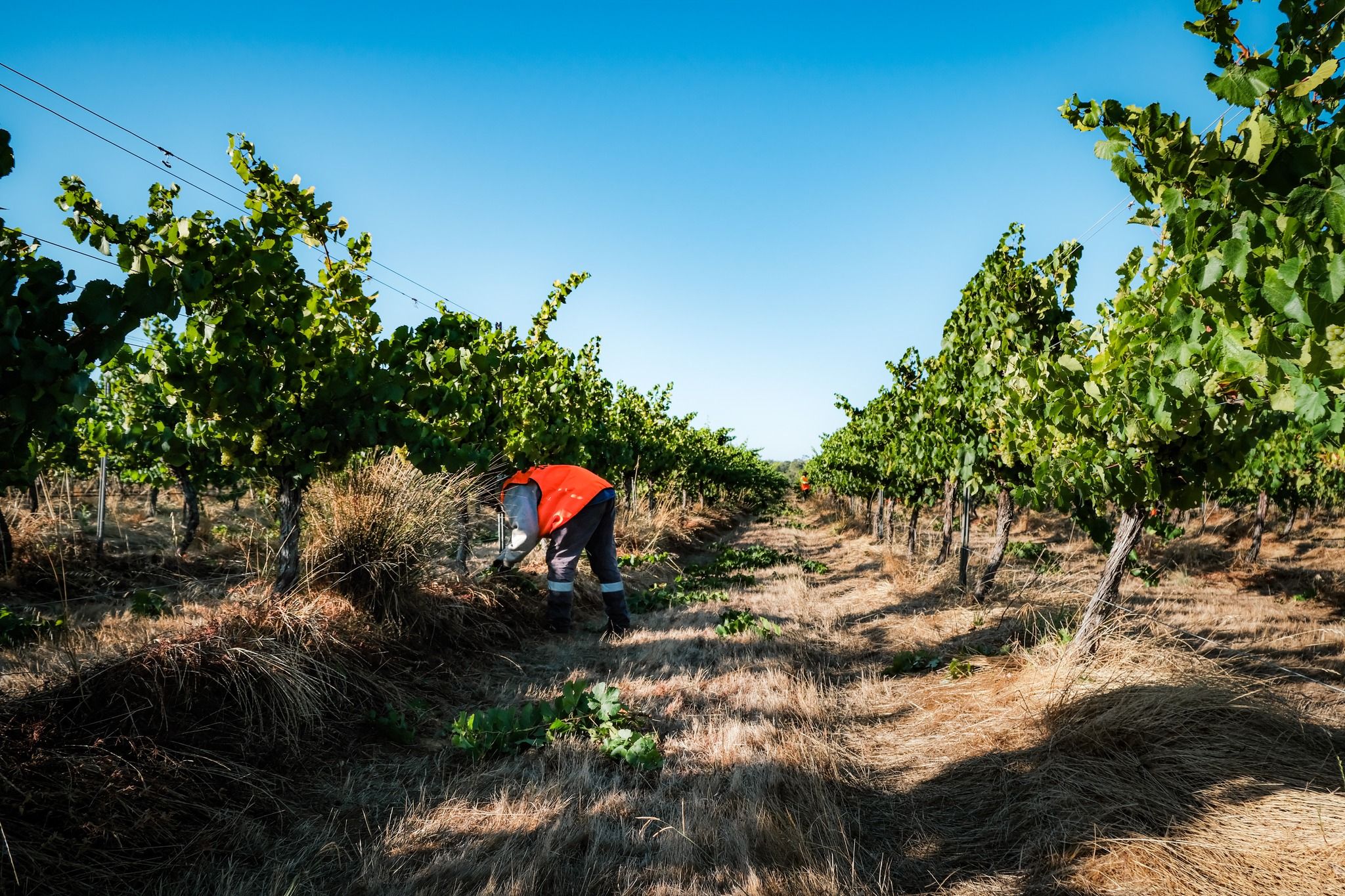
Many seasonal workers fear that speaking up about abuse or exploitation may lead to loss of their job or visa. Photo/File