
Pacific housing crisis 'not just supply' as experts call for system overhaul
Aui'a Vaimaila Leatinu'uWed, 29 Apr

Fiji and UK national Charlie Charters has been granted leave by a Suva magistrate to travel to Australia for work-related purposes.
Photo/The Fiji Times
The case involving government critic Charlie Charters and a looming high-level meeting over the leadership of FICAC are sharpening questions about transparency and oversight.

Fiji’s anti-corruption watchdog is facing renewed scrutiny as a whistleblower-linked court case and a looming leadership decision converge to keep the agency under pressure.
The Judicial Services Commission (JSC) is due to meet Prime Minister Sitiveni Rabuka, Solicitor-General Ropate Green, and former Fiji Independent Commission Against Corruption (FICAC) commissioner Barbara Malimali later this month to discuss the future leadership of the agency.
The meeting comes at a sensitive time for FICAC, which is prosecuting former journalist Charlie Charters, a Fijian and British national, over allegations he helped a whistleblower release confidential information about the commission.
Charters, 57, has pleaded not guilty to two counts of aiding and abetting an unidentified FICAC officer to publish official information without permission.
According to court documents, prosecutors allege the information was posted on Charters’ Facebook page between November and December 2025 and again in February this year.
During earlier proceedings, Charters’ lawyer Seforan Fatiaki told the court that investigators had still not identified the alleged FICAC officer he is accused of assisting.

Suva lawyer Setold says investigators had still not identified the alleged FICAC officer Charlie Charters is accused of assisting. Photo/Facebook
The case has attracted wide attention in Fiji because of Charters’ outspoken criticism of government agencies on social media and his focus on governance issues.
But the controversy surrounding FICAC extends well beyond the courtroom.
The High Court has already ruled that the dismissal of former commissioner Barbara Malimali was unlawful, throwing the appointment of acting commissioner Lavinia Rokoika into question.
Reports and whistleblower complaints lodged with the JSC and police have raised concerns about potential conflicts of interest within FICAC.
Critics have pointed to the hiring of Ulamila Vakalalabure, the daughter of Fiji Sports Council CEO Gilbert Vakalalabure and niece of Rokoika, as a possible conflict, given her ties to the sports council.
The allegations, highlighted by Islands Business and Fiji Sun, have prompted calls for an independent investigation. Prime Minister Sitiveni Rabuka has said the concerns “have to be investigated”.
The Fiji Law Society has since urged the president to act on JSC’s recommendations regarding the leadership of FICAC.
“Accordingly, the office of President is not empowered to select alternatives, withhold action, or engage in bargaining with institutions that are constitutionally and statutorily required to provide legally binding recommendations and advice,” the Society said in a statement.
The Society also warned that failing to follow the process could damage public trust.
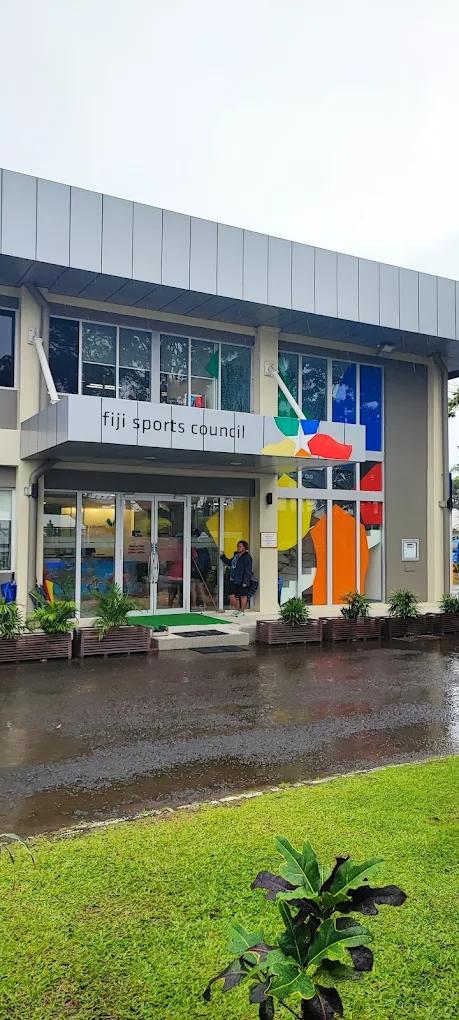
Allegations of a conflict of interest at the Fiji Sports Council have prompted calls for an independent investigation. Photo/Fiji Sports Council
“Any deviation from this clear legal process undermines confidence in the integrity of our institutions and our democracy,” it said.
The upcoming JSC meeting is expected to play a key role in determining the next steps for FICAC’s leadership and could set an important precedent for how senior public offices are appointed in Fiji.
At the same time, scrutiny of the agency’s internal decisions has intensified.
Reports and whistleblower complaints lodged with the JSC and police have raised concerns about potential conflicts of interest within FICAC.
Against that backdrop, the Charters prosecution is unfolding while questions about the watchdog’s own governance remain unresolved.
With court proceedings continuing and the JSC preparing to weigh in on the agency’s leadership, the coming weeks could prove pivotal for the credibility and stability of Fiji’s anti-corruption system.