
High blood pressure a silent killer, Solomon Islands calls for stronger action
Lachlan EddieFri, 23 Oct
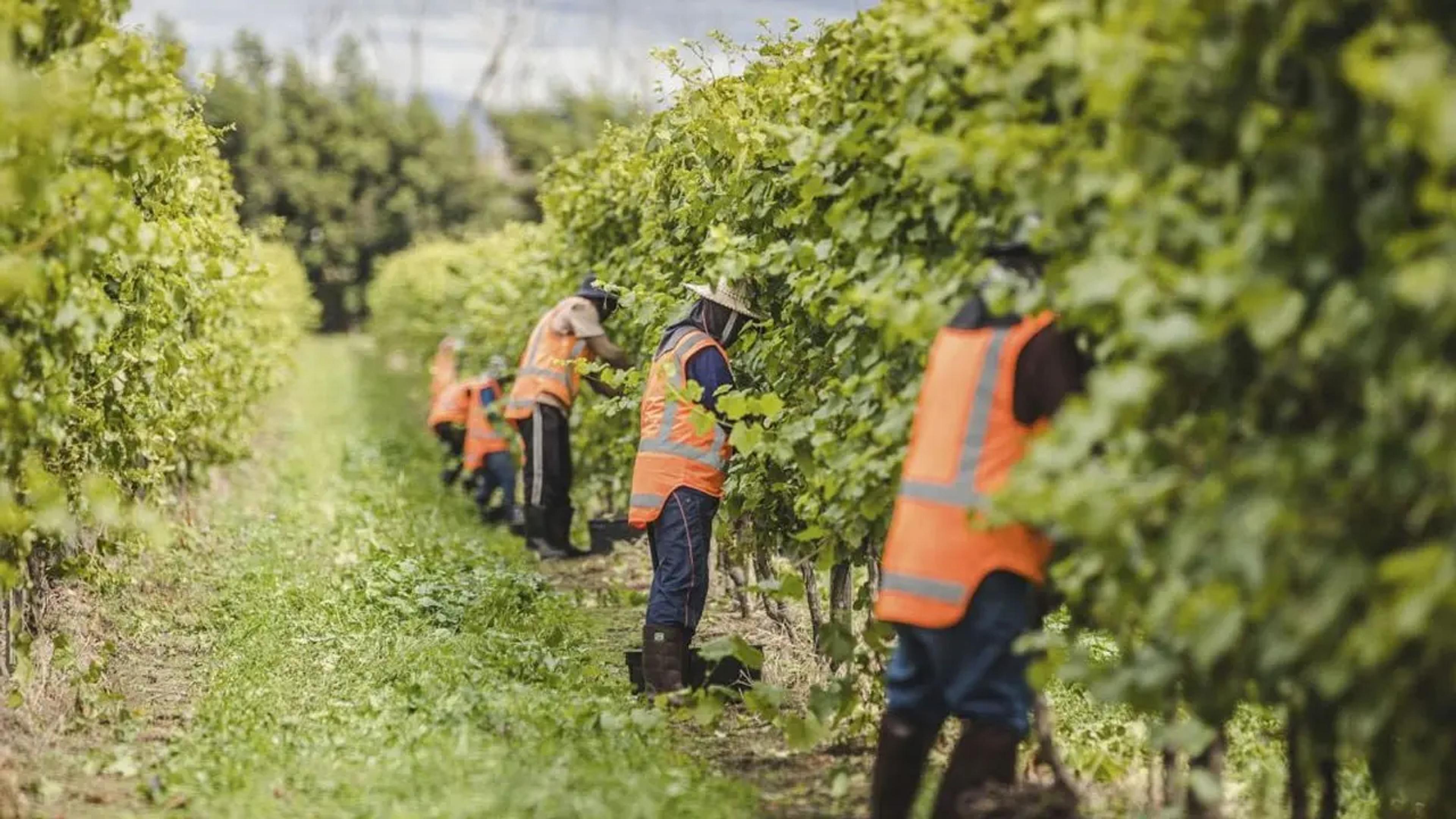
Pacific workers say fear of losing their jobs or being sent home stops many from speaking up about unsafe or unfair conditions under Australia’s PALM scheme.
Photo/Unsplash
The research reveals many Pasifika are too afraid to report unsafe or unfair conditions, with visa rules tying them to one employer leaving them vulnerable.




A national survey of Pacific workers in Australia has found widespread fear of retaliation if they speak up about unsafe or unfair work.
The report raises serious concerns about how the Pacific Australia Labour Mobility (PALM) scheme operates in practice.
As of October 2025, there were around 31,885 workers in the PALM scheme, including 15,105 short-term employees and 16,780 long-term workers.
The PALM scheme was created to give Pacific workers access to jobs in Australia while helping Australian industries facing labour shortages.
But a new survey of 370 PALM workers suggests the scheme’s strict rules are leaving many workers trapped in poor conditions, afraid to complain, and unable to change employers.
The survey was conducted by the Migrant Justice Institute, a national research and policy organisation supported by the University of Technology Sydney and the University of New South Wales.
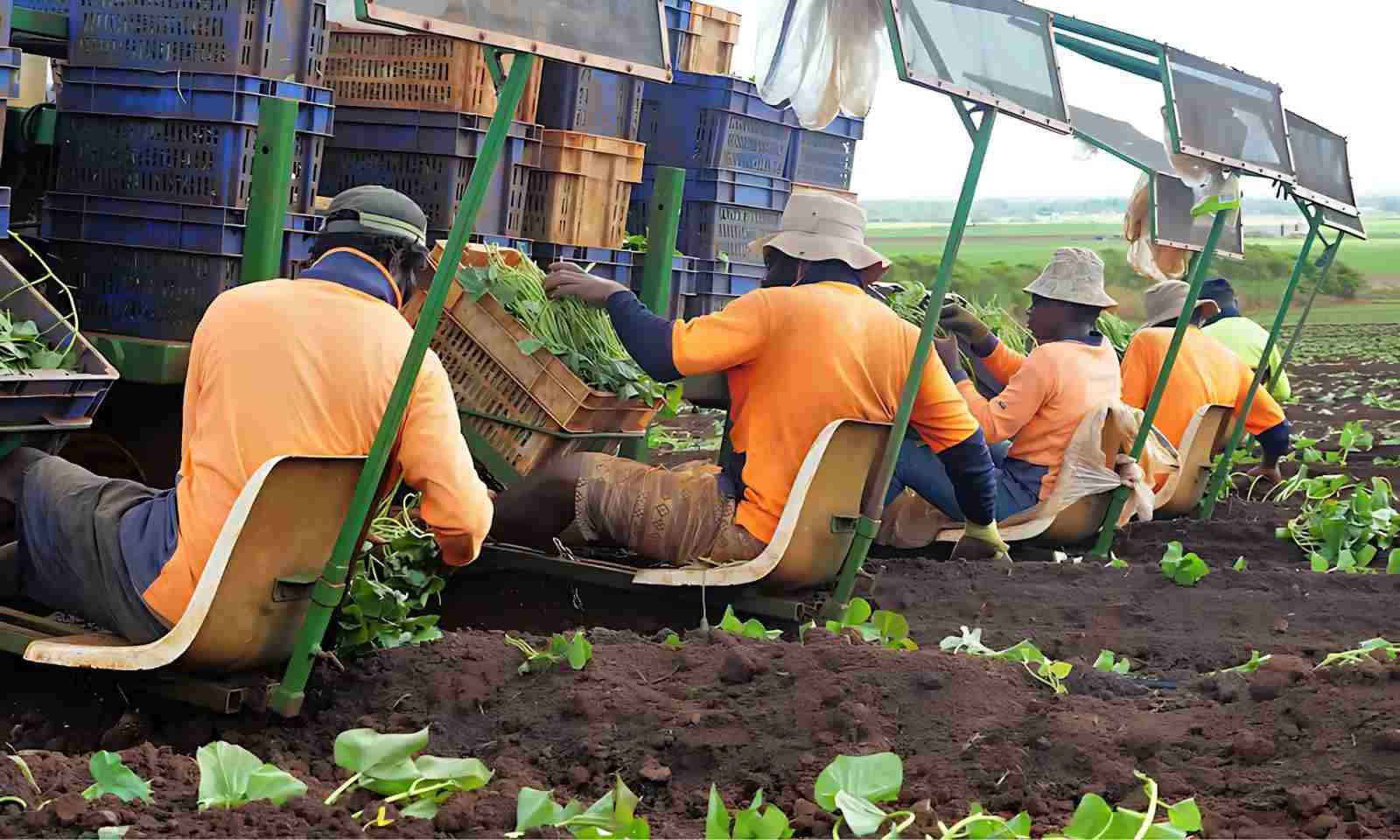
The survey found many PALM workers experience unsafe conditions but are reluctant to report problems due to fears of retaliation or losing future work opportunities. Photo/ABC Wide Bay/Audrey Courty/file
Its findings point to a system where power sits firmly with employers, while workers risk losing everything if they speak out.
Many workers report they would move to a different employer if they were allowed to.
Sixty-four per cent revealed they would change jobs if labour mobility were possible. Thirty per cent wanted to leave because their workplace was unsafe, while 60 per cent reported they tried to move “to be treated better”.

Most PALM workers support families and communities in the Pacific, making the risk of losing work in Australia too great for many to speak out. Photo/Department of Foreign Affairs and Trade, Australia
But most felt unable to raise concerns. Forty-two per cent say few or no workers would tell anyone other than friends or co-workers if they were paid incorrectly.
Only a third reported they would report unsafe work if a supervisor told them to do something dangerous.
The main reason was fear. Nearly two-thirds worried they would lose their job. Others feared being given worse work, causing trouble for co-workers, or not being invited back to Australia - a serious concern for workers supporting families and communities back home.
One Fijian aged care worker in New South Wales told researchers that “PALM workers can’t talk because they don’t have any rights. They can’t leave their work if they find hardship at work.”
Another worker from Fiji reported that, “We do as we are told, take whatever you're given and be thankful you’re given a job with good money, compared to what you get in Fiji.”
Workers from meat processing plants shared similar experiences. “No options to change employer when you’re being paid less,” one man from Solomon Islands stated.
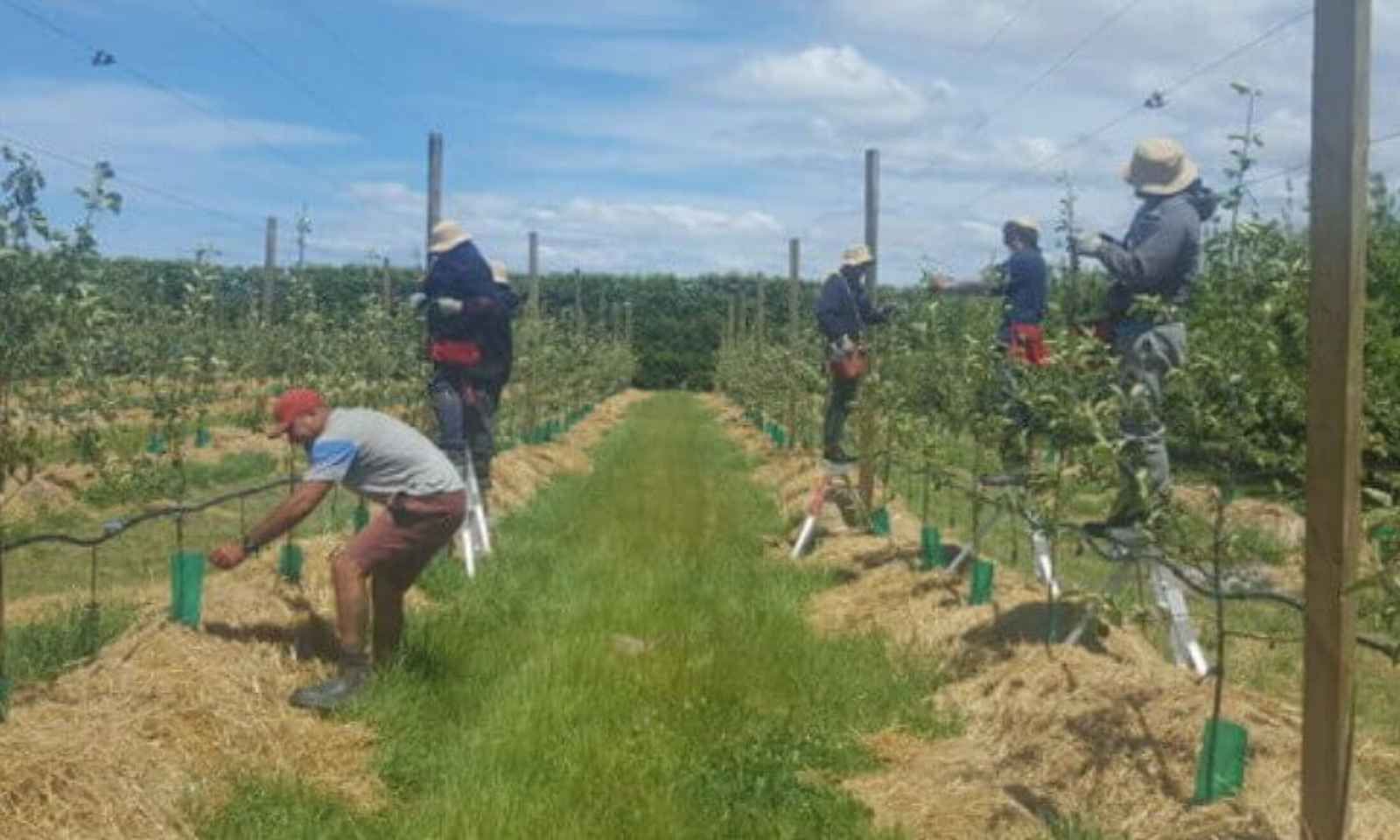
Advocates say similar fears have been raised by Pacific workers in New Zealand’s RSE scheme, where visas are also often tied to a single employer. Photo/TSC Global/File
Another says, “We think that no matter what we do, there would be no response.”
Several workers spoke of injuries, bullying and mental health strain, but reported fear stopped them from reporting problems. One worker described being forced to do heavy work despite an injured hand, saying the experience left them anxious about their future and their family’s well-being.
Laurie Berg, Associate Professor and co-director of the Migrant Justice Institute, says the findings show why complaint systems are failing.
“Unless workers have the possibility to change employers when things go wrong, they won’t speak up,” she adds. “Ninety-seven per cent of workers want to work in Australia again. That fear of losing future opportunities keeps them silent.”
Bassina Farbenblum, co-director and Associate Professor, says businesses should not assume workers will report problems through official channels.
“By tying workers to one employer, we’ve put them in a trap,” she says. “Speak up and risk being sent home, or stay silent and keep your job.”
Pacific advocates say these findings will sound familiar across the region. Similar concerns have been raised by Pacific workers in New Zealand’s Recognised Seasonal Employer (RSE) scheme, where visas are also often tied to a single employer.
For the 2024-2025 season, the RSE scheme was capped at 20,750 workers allowed to come to New Zealand under the programme.
While many RSE workers value the income and opportunities, unions and community groups have reported cases where fear of job loss or being sent home discourages workers from raising safety, pay or housing concerns.
The PALM and RSE schemes recruit workers from across the Pacific, including Fiji, Sāmoa, Tonga, Solomon Islands, Vanuatu, Kiribati, and Tuvalu, as well as Timor-Leste.
For Pacific workers, these schemes are also lifelines for their families, villages, and churches back home. That makes the cost of speaking up feel too high.
The authors of the report are calling on the Australian government to allow greater labour mobility within the PALM scheme, arguing it is the only way workers can realistically protect their rights. Without change, they warn, many Pacific workers will remain stuck in conditions that Australian workers would never be expected to accept.