I once called my partner ‘a fat pig’: How I used to hide abuse and what ultimately changed me
Aui'a Vaimaila Leatinu'uFri, 22 May
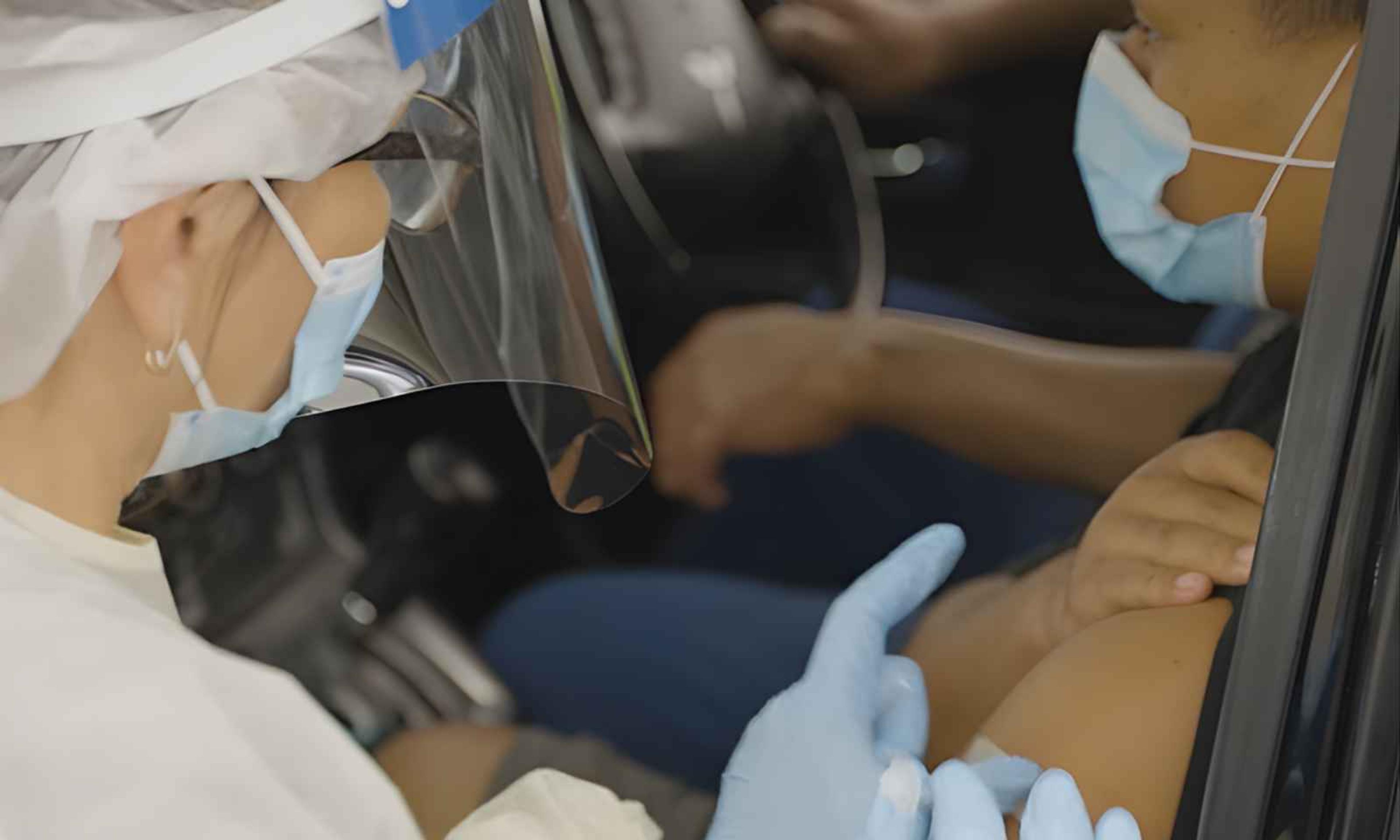
The final report into New Zealand’s pandemic response says Pasifika faced some of the country’s highest mortality rates and were slower to be reached during the early vaccine rollout.
Photo/Supplied/Tongan Health Society
Pacific health leaders say the report confirms what communities have long experienced: higher mortality rates, delayed vaccine access, and systemic health inequities that need attention.




Pacific communities were hit harder by Covid-19 than anyone else and the Royal Commission of Inquiry has confirmed what Pasifika health leaders have been saying all along.
The higher death and hospitalisation rates were not new. They reflected long-standing inequities, overcrowded housing, and delayed access to vaccines.
For many, the report is a validation of lived experience, not a revelation.
Pacific health and community leaders say the findings from the final report of the Royal Commission of Inquiry into New Zealand’s Covid-19 response are disappointing but not surprising.
Professor Sir Colin Tukuitonga, co-director of the University of Auckland's Centre for Pacific and Global Health, described the report as extremely disappointing and questioned the resources spent on the inquiry.
“Two things. One, this is not new and two, this is extremely disappointing,” Tukuitonga tells William Terite on Pacific Mornings. “This final report didn't tell us anything we didn't already know in respect of the Pacific community and I'm sceptical about the 17 million or whatever it is that's spent on it.”
Watch Sir Colin Tukuitonga and Dr Chris Puli'uvea's interview below.
The inquiry looked at government decisions between February 2021 and October 2022, gathering more than 31,800 submissions and holding 49 meetings across Aotearoa.
Its findings confirmed Pacific communities experienced higher mortality rates across most age groups and were more likely to be hospitalised than other ethnic groups.
Pacific people aged over 90 died at a rate of 4729 per 100,000 during the pandemic. This nearly doubles the rate for Māori while those aged 60 to 69 died at 114.4 per 100,000, compared with 61.5 for Māori and 32.4 for Europeans and other ethnicities.
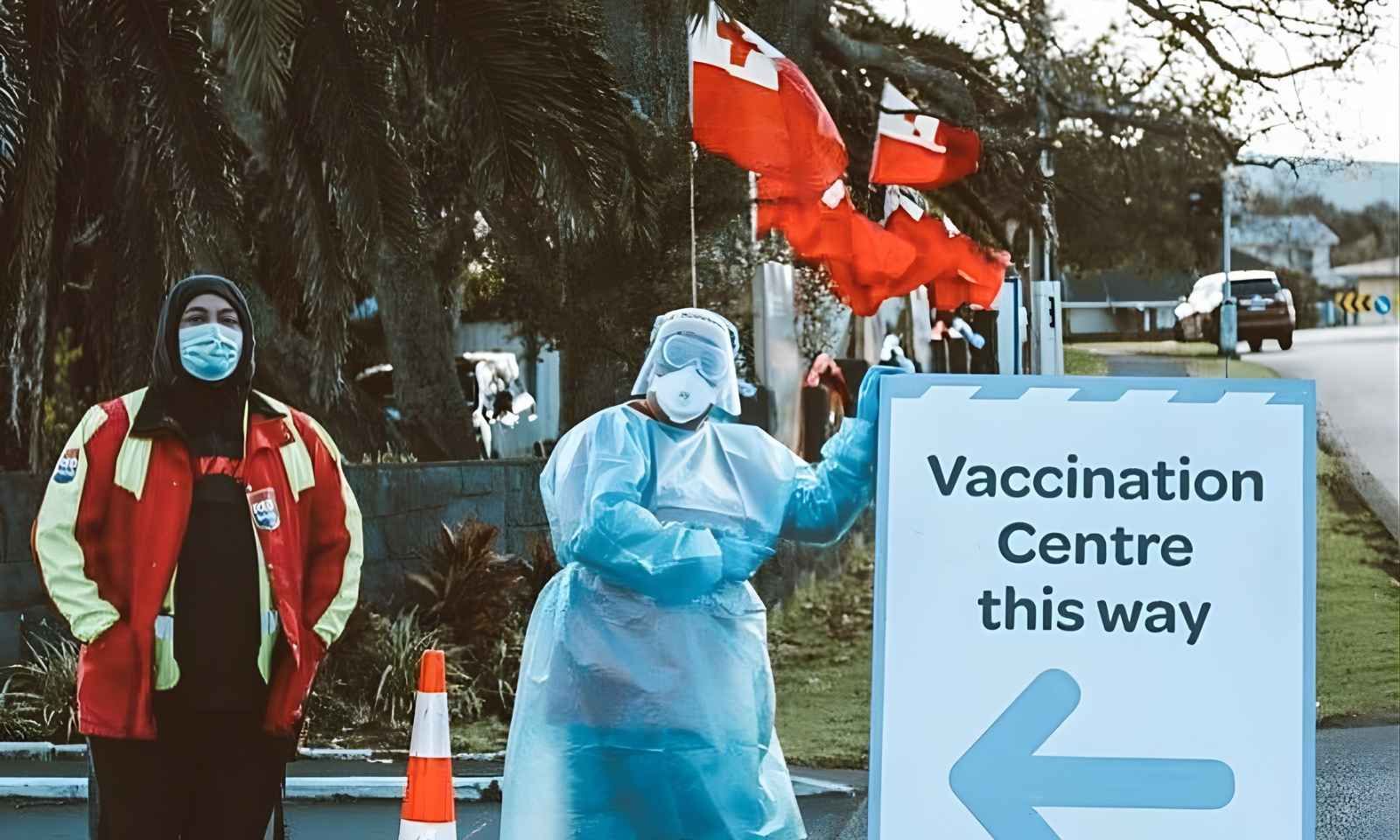
Workers at the MMT Tongan Vaccination Drive held in 2021 in Māngere. Photo/Supplied/Pasifika Futures
Tukuitonga points to structural factors behind the numbers. “When you recommend that people isolate at home, it's all well and good if you're a middle-class Palangi family in a decent-sized house where you can isolate yourself away from someone who's infected.
“In our case, 40 per cent of our communities are with several generations in the house so the practicalities of home isolation are unrealistic.”
Delays in the vaccine rollout also affected Pacific communities, Dr Chris Puli’uvea, an immunologist, says.
“Because Pacific populations in New Zealand are generally younger than the national average, many people were vaccinated later under the rollout strategy,” he said on Pacific Mornings.
“On top of trying to do all of that, we were also trying to feed back the latest information that was available at the time to our Pacific communities and it was a tricky time for us all.”
Despite these challenges, Pacific health leaders say community networks were key to reaching families and sharing trusted information.
Watch Pakilau o Aotearoa Manase Lua's full interview below.
Pakilau o Aotearoa Manase Lua, who helped coordinate Pacific responses, says church and community groups eventually drove some of the highest vaccination rates in the country.
“The government is not the community. The community is the community,” he said on Pacific Mornings. “When you listen to the community, the best response [happens]. We've seen that in Auckland.”
Green Party MP Teanau Tuiono highlights the report’s lessons for future health crises.
He said immigration fears also discouraged some people from seeking care.
“We need to be prepared for the next pandemic,” he said. “It really points to the important nature of these types of reports because we need to actually be better prepared for when the next pandemic shows up.”
Listen to Teanau Tuiono's full interview below.
“One of the things we were pushing for was an amnesty for overstayers because what I was hearing at that time was that people were reluctant to actually access health services because of uncertain immigration status.”
For Pacific leaders, the inquiry confirms what communities have long known: the pandemic hit unequally because inequities are baked into the system. The challenge now is ensuring these lessons are acted on before the next crisis.