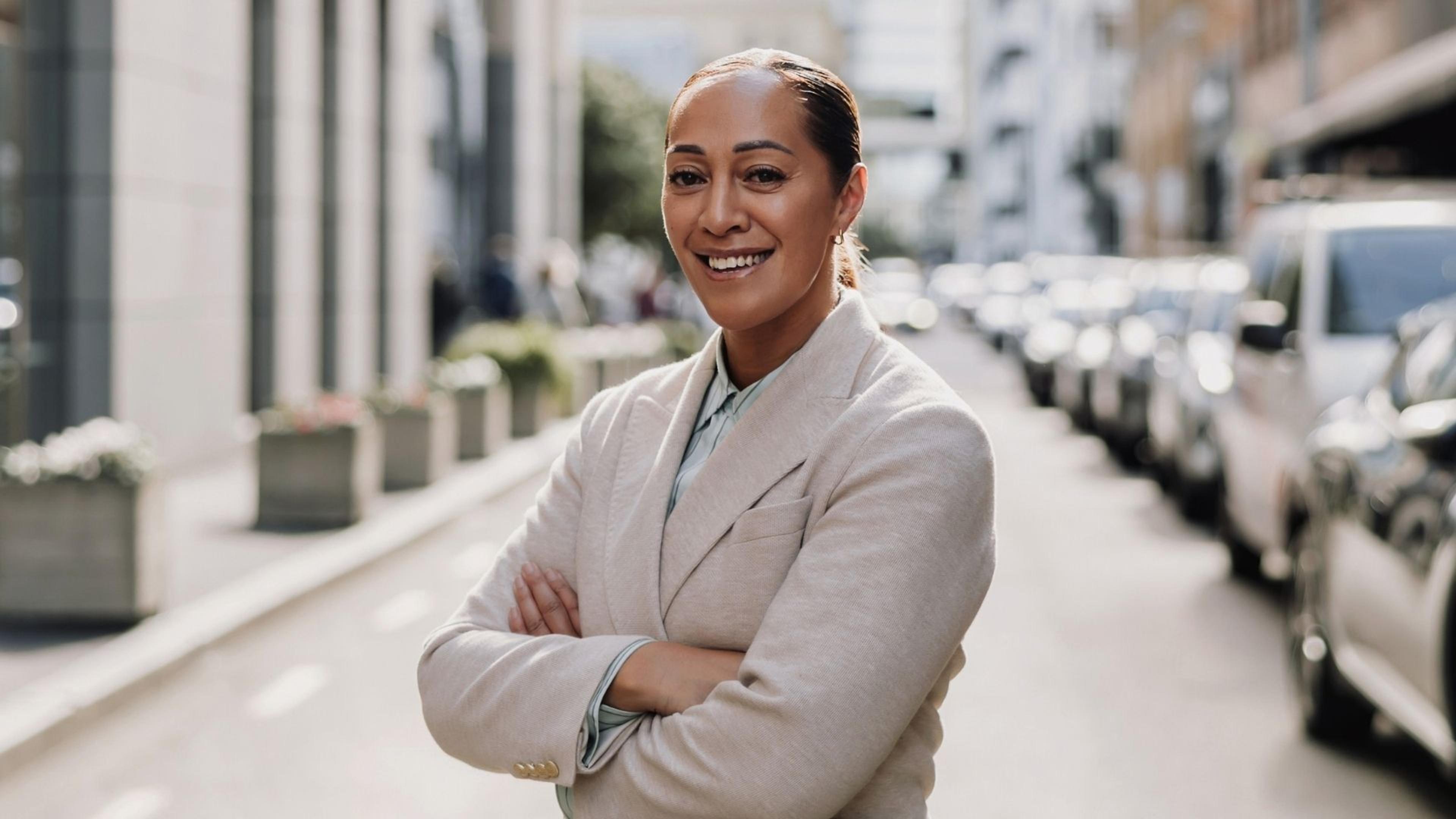

Aui’a Vaimaila Leatinu’u.
Photo/PMN News/Aui’a Vaimaila Leatinu’u/PMN Composite
Opinion
I once called my partner ‘a fat pig’: How I used to hide abuse and what ultimately changed me
PMN journalist Aui’a Vaimaila Leatinu’u reflects on years of abuse in his closest relationship, how body shame shaped his behaviour and how spirituality forced him to confront the harm he caused.

Aui'a Vaimaila Leatinu'u
Published
22 May 2026, 9:15am
Share
Copy Link
Top stories


Sāmoa Ombudsman raises concerns over local news reporting of siblings’ deaths
Renate RiversFri, 18 Sep
Top stories
Sāmoa Ombudsman raises concerns over local news reporting of siblings’ deaths
Renate RiversFri, 18 Sep
Trigger warning: This article contains references to toxic relationship behaviour, emotional abuse, fatphobia, and harmful dieting and exercise practices.
I once called my partner, Kaya (not her real name), “a fat pig nobody could love”.
We have been together on and off for years. Through it all, she loved me unconditionally.
In 2023, Kaya gained 50kg after periods of emotional stress, which may have been influenced by how I treated her.
When my older sister complimented Kaya before we went shopping, it lifted her confidence. I instantly shut it down as we left the house: “Don’t let it get to your head”.
I looked down at her stomach, hanging out, and zipped her jacket up to cover it. I felt Kaya's heart sink.
My cruel and toxic behaviour was normal for us. Another time, Kaya caught her reflection in a shop window and felt ashamed at what she saw.
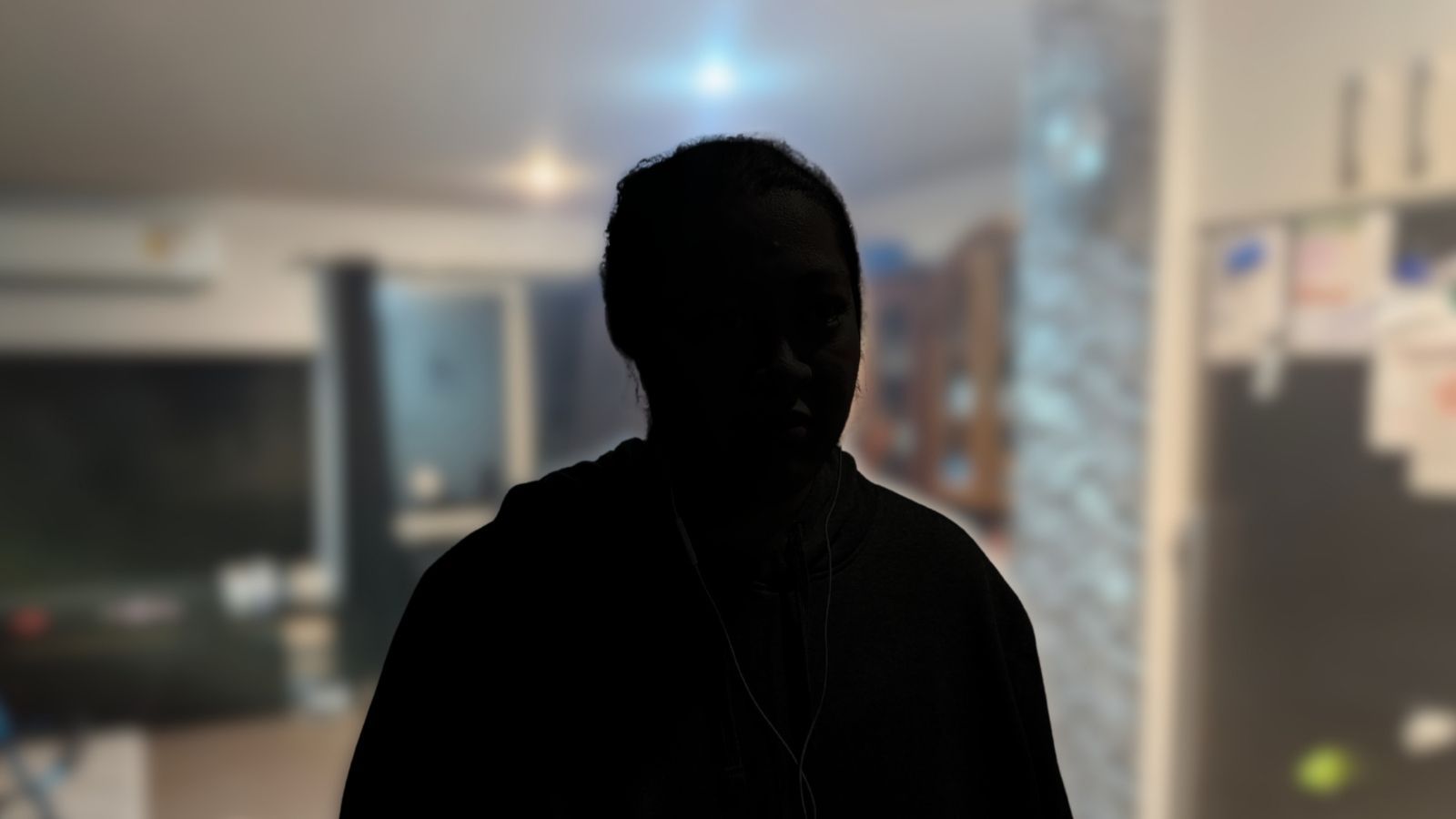
How would my little sister feel knowing how I treated Kaya? Photo/PMN News/Aui’a Vaimaila Leatinu’u/PMN Composite
I ruthlessly reinforced it, saying that this is why I’m embarrassed being in public with her.
This harshness stemmed from my weight insecurity, as both Kaya and I experienced childhood obesity.
Colonial beauty standards, fatphobic jokes and comments, moulded my worldview of how our bodies should look.
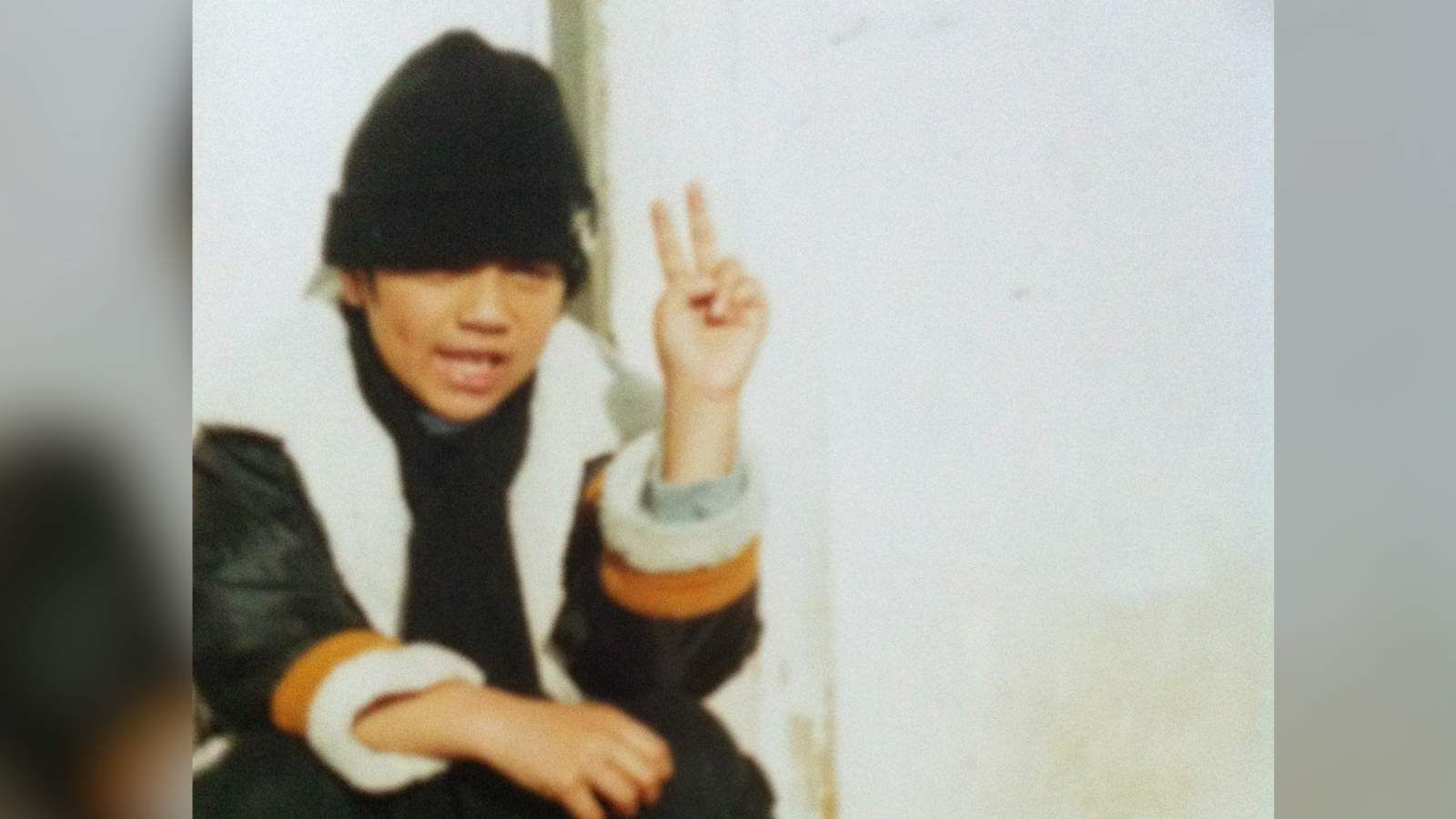
How would my inner child feel knowing how I would go on to treat my oldest friend, Kaya? Photo/PMN News/Aui’a Vaimaila Leatinu’u/PMN Composite
So my love for Kaya mixed with my fear of being that fat kid again, contradictorially led to me being harsh about her weight.
Yet Kaya didn’t seem to care much about how she looked, which I resented because how could she not care?
Everyone else seems to. But it's because she only cared about what I thought and being enough for me.
So when I decided we’d do an extreme weightloss regime to “fix” her, she agreed, but for me rather than herself.
I tried fixing what was already perfect. Photo/PMN News/Aui’a Vaimaila Leatinu’u/PMN Composite
Our intense training and extreme diets spanned from Muay Thai and strength training to 75 day hard and fasting.
Even if she was starving from the extreme calorie deficit, I would still stop her from eating. If she had four hours of sleep, I would still make her get up for our run.
It got to a breaking point. One morning, she couldn’t get up. I joked, saying, “this is why you’re a fat pig nobody could love”.
She only cared about how I felt. Photo/PMN News/Aui’a Vaimaila Leatinu’u/PMN Composite
To me, it was an absurd joke but deeply hurtful nonetheless. Shamefully, it’s neither the first nor the worst thing I’d ever said.
But Kaya constantly forgave me because of her undying love and adoration, which was one-way.
Then I found my way back to God in 2024, where my spirituality expanded my empathy so greatly that I finally see Kaya the way she sees me.
Kaya deserves better, and I will be that. Photo/PMN News/Aui’a Vaimaila Leatinu’u/PMN Composite
Now our relationship is healthier than ever, as I continue learning to love her the way she deserves.
She also agreed to reveal who she is: Kaya is my body, and I've treated them horribly.
“Kaya” can mean “body” or “physical vessel” in Sanskrit and Hindi, where it represents the physical home of the soul.
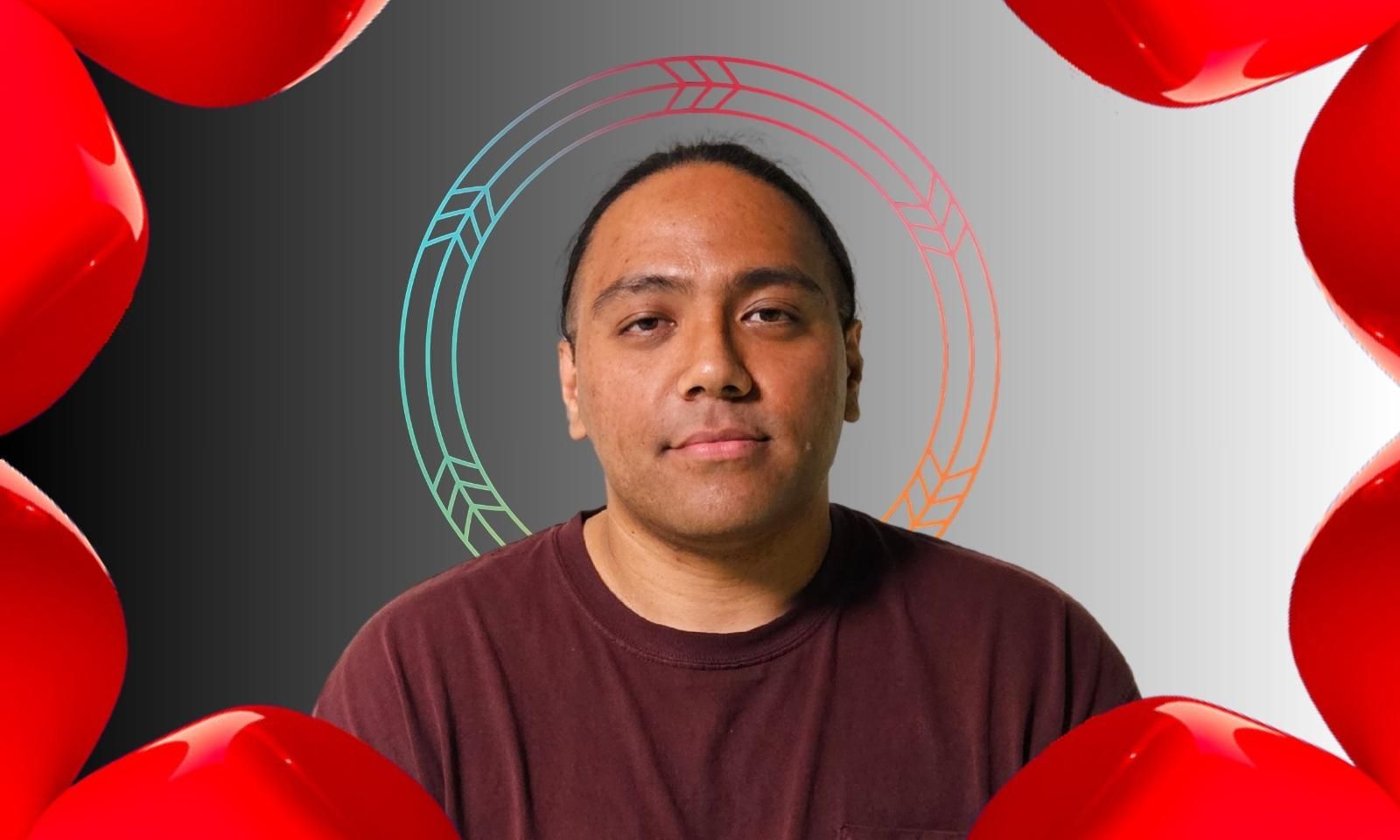
I found my way back to spirituality in 2024. Photo/Reo Māori/Atutahi Potaka-Dewes
Our bodies are our most intimate and longest relationship because souls need bodies to incarnate on earth in the first place.
In Conversations with God 2, the author, Neale Donald Walsch, writes that “women treat their bodies more gracefully when they are in them… men treat their bodies horribly. That is the same way they treat life”.
For some men, this mistreatment and dismissal of the body often projects outwardly.
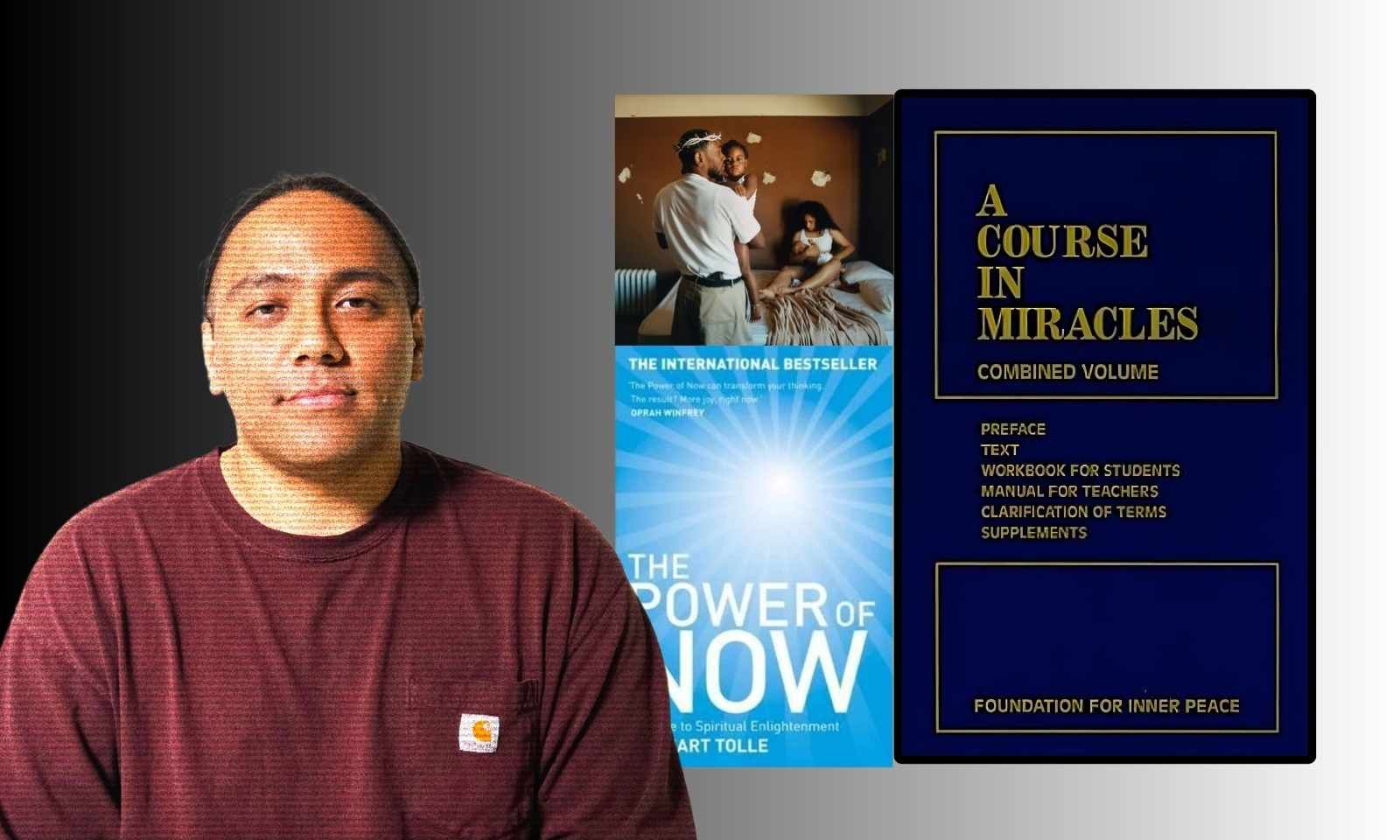
Vaimaila Leatinu’u alongside Kendrick Lamar’s Mr Morale & The Big Steppers album, Echart Tolle’s The Power of Now and the Foundation For Inner Peace’s A Course In Miracles. Photo/2022 pgLang, LLC/Interscope Records
One example is how some men gender cars and boats, saying “she's a beauty”.
This covertly equates women to cars and boats - inanimate objects whose value is determined by a man's utility and aesthetic values.
This subtle entitlement is exacerbated in parts of the online manosphere.
In red pill podcasts, male hosts harp on about a woman's sexual history or “body count”, judging a woman’s worthiness to a man’s criteria.
It’s in some of the men who revere athlete David Goggins, praising physical feats driven by the mind's domination over the body. I used to believe in waging that exact war on my flesh.
This patriarchal view of women and bodies, as something to be conquered and evaluated, is why I referred to Kaya with she-her pronouns.
It reflects my attempt to dominate my body. I then referred to my body with “they-them” pronouns.
This pronoun represents accepting a being’s form fluidity, loving however my body shows up in that present moment.
I now listen intuitively to my body, being present so I can discern when I need rest, exercise, healthy food and indulgence.
I still make mistakes, but correct them through grace, patience, forgiveness and acceptance - the ingredients of love.
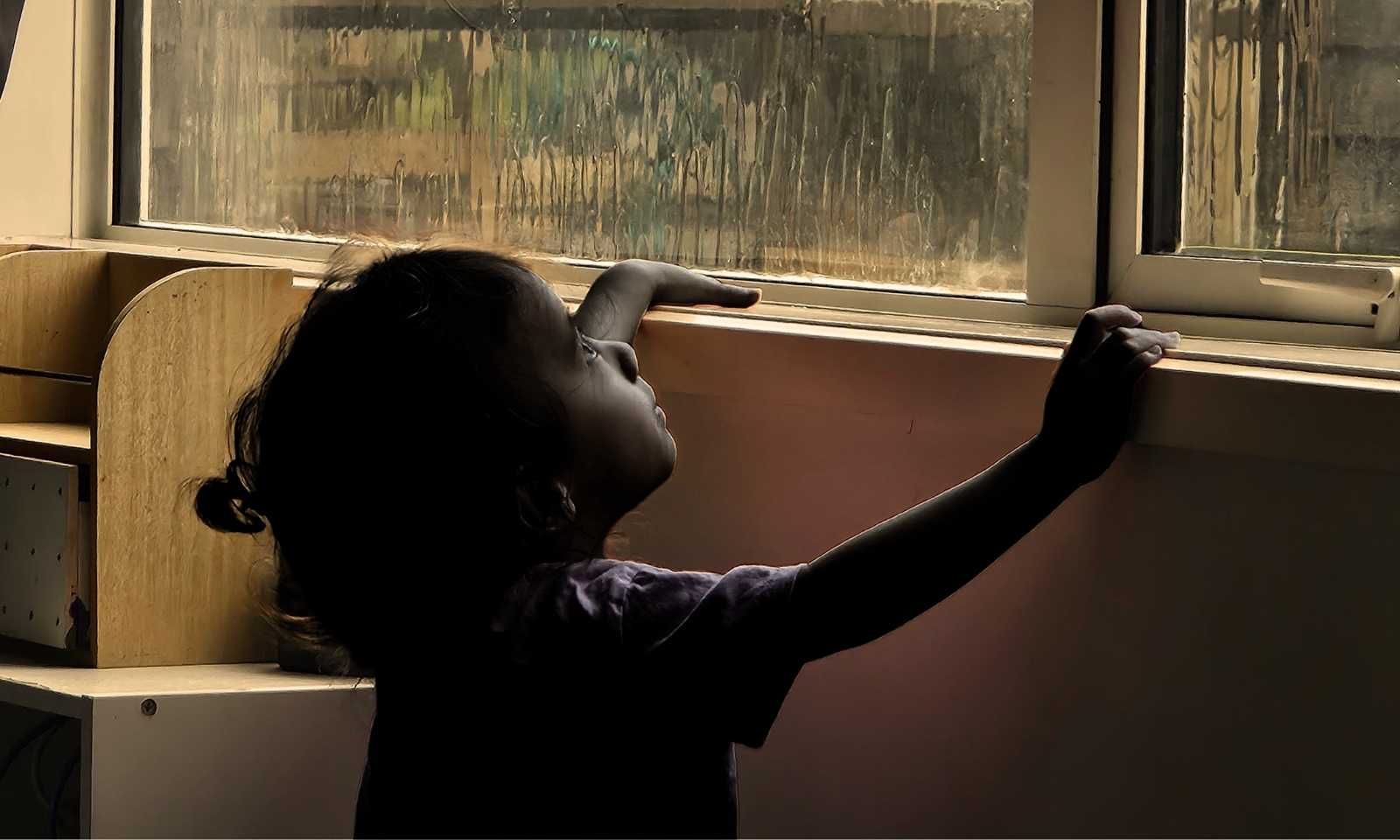
Become complete as a person, so that we may model what that looks like for the next generation. Photo/PMN News/Aui’a Vaimaila Leatinu’u/PMN Composite
To feel “whole” we must acknowledge what the whole is made up of: body, mind and spirit.
Therefore, to love ourselves completely means tending to our physical, mental and spiritual health in tandem.
Like how Māori see te ao (the environment), lean into love and grant your body personhood.
I believe wholeness comes from looking after the body, mind, and spirit together. If we can do that, we can also treat ourselves and others with more care.