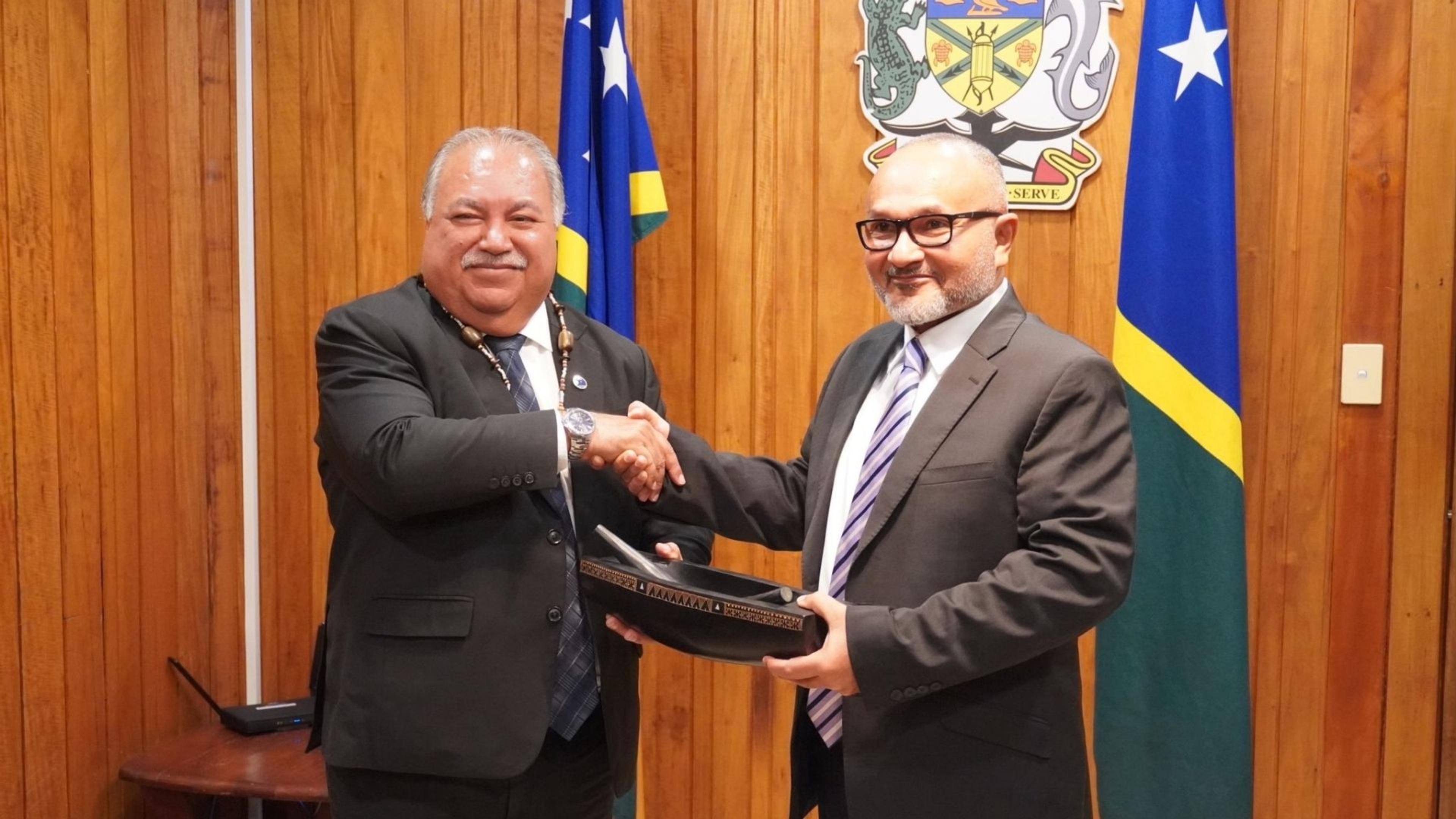
Solomon Islands Prime Minister Matthew Wale, right, meets Pacific Islands Forum Secretary General Baron Waqa in Honiara where discussions focused on fuel security and regional cooperation amid growing global pressures.
Photo/Facebook/Pacific Islands Forum
Pacific Region
'Pacific is watching': The Solomon Islands leadership change draws regional focus
Analysts say the election of Prime Minister Matthew Wale could shape how the region handles leadership, foreign influence, and its future direction.

Christine Rovoi
Published
24 May 2026, 11:27pm
Share
Copy Link
Top stories


Auckland teen turns a trip to Fiji into a mission to fight period poverty
Elenoa TuragaiviuThu, 15 Oct
Top stories
Auckland teen turns a trip to Fiji into a mission to fight period poverty
Elenoa TuragaiviuThu, 15 Oct
The election of Matthew Wale as Solomon Islands Prime Minister is being closely watched across the Pacific with regional experts saying the change could shape more than just politics in Honiara.
Wale was elected on 15 May after former Prime Minister Jeremiah Manele lost a no-confidence vote in parliament.
The long-time opposition leader defeated former foreign minister Peter Shanel Agovaka in a close 26-22 vote.
In his first address after the vote, Wale pointed to the wider pressures facing the region.
“We are not immune from the impacts of these geopolitical events,” he said. “Fellow Solomon Islanders, change is coming.”
Wale has previously questioned the Solomon Islands-China security pact signed in 2022 and called for more transparency including releasing the full text of the agreement.
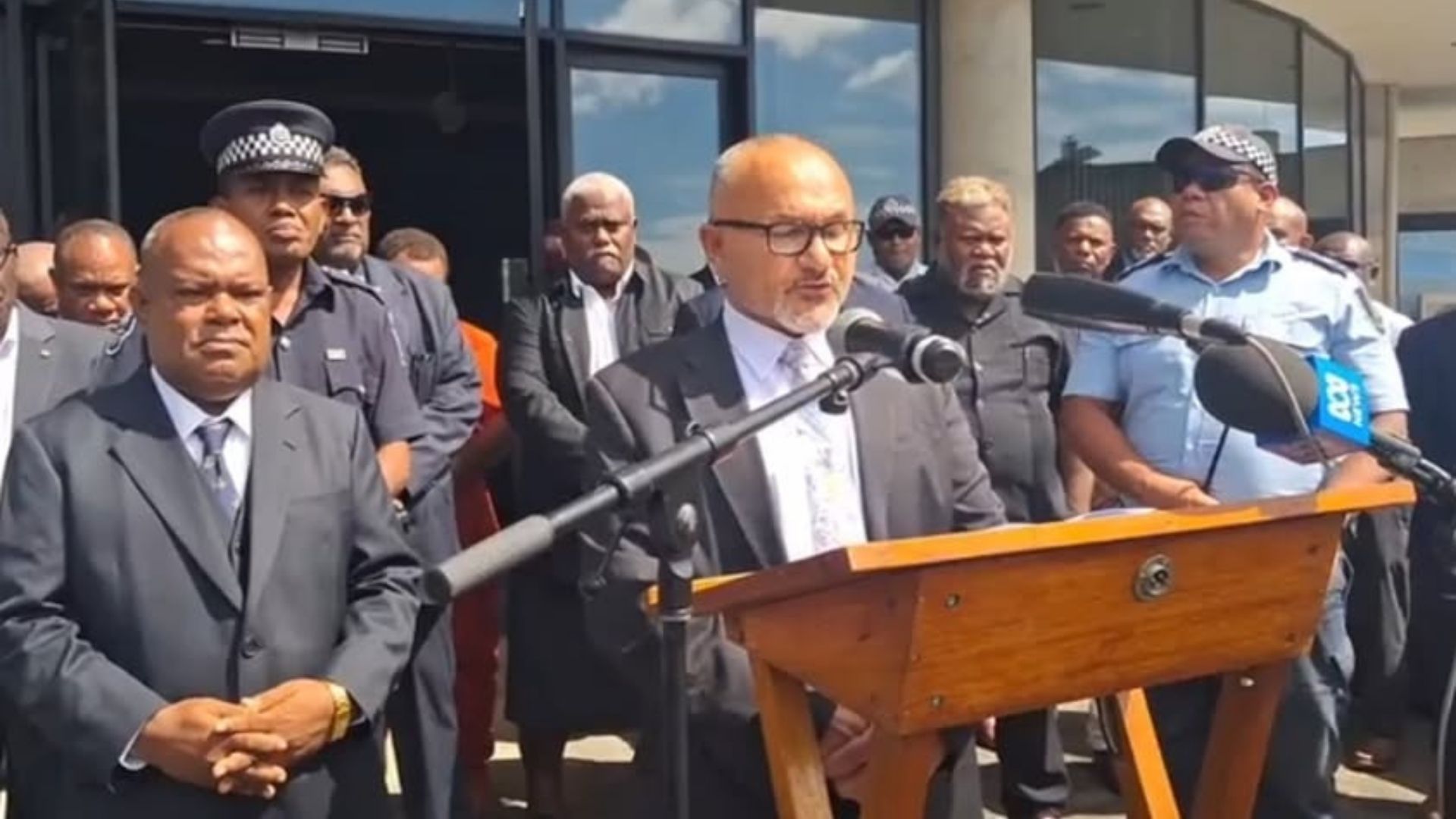
Matthew Wale addresses the media after being elected Solomon Islands Prime Minister in a closely contested vote in Honiara. Photo/Solomon Islands Parliament
But Pacific analysts say any shift in foreign policy is likely to be careful rather than sudden.
Tess Newton Cain told ABC News that Wale had become “more measured in recent years” and that more political figures now appeared willing to work with him.
Connor Graham, a research fellow with the Lowy Institute’s Pacific Islands Programme, said he expected a “modest recalibration rather than a wholesale change” in Solomon Islands' relationship with China.
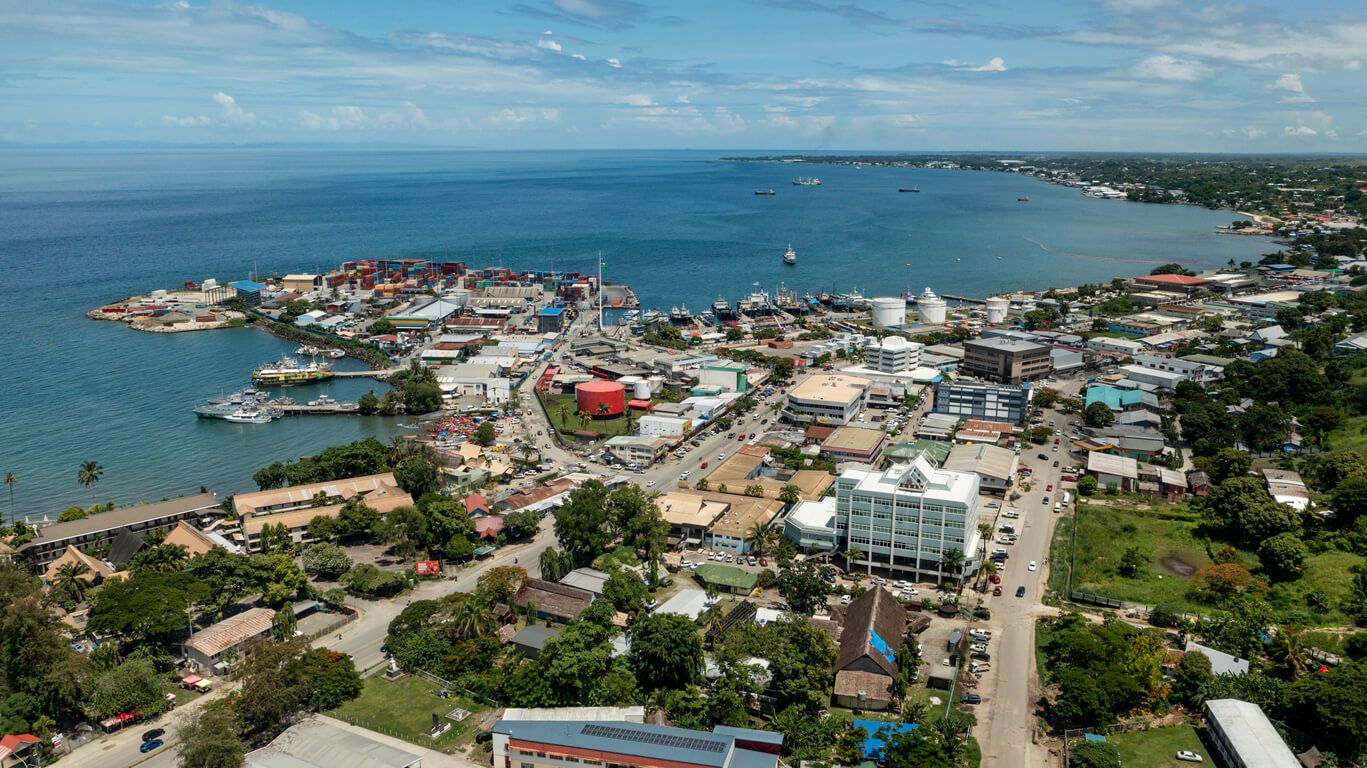
In Honiara and across Solomon Islands, attention is turning to what the new leadership will mean for daily life, services and economic pressure.
He said China remained a major economic partner through trade, infrastructure investment and security ties, making any sharp shift unlikely.
In analysis published in Islands Business, Solomon Islands academic Tarcisius Kabutaulaka wrote that Wale “could make for a good prime minister” but warned he would face major political and economic pressures in office.
Regional observers say Pacific countries are increasingly trying to balance ties with major powers while holding onto their own priorities.
In Honiara, Wale has already begun regional duties in his new role. In a separate meeting in the capital, Wale held talks with Pacific Islands Forum Secretary General Baron Divavesi Waqa with discussions focused on fuel security and wider regional pressures linked to the Middle East crisis.
Waqa congratulated Wale on his election and praised Solomon Islands’ peaceful political transition.
He also acknowledged Wale’s role as Chair of the Pacific Islands Forum, saying the region needed “bold and steady leadership” as Pacific countries face growing global challenges.
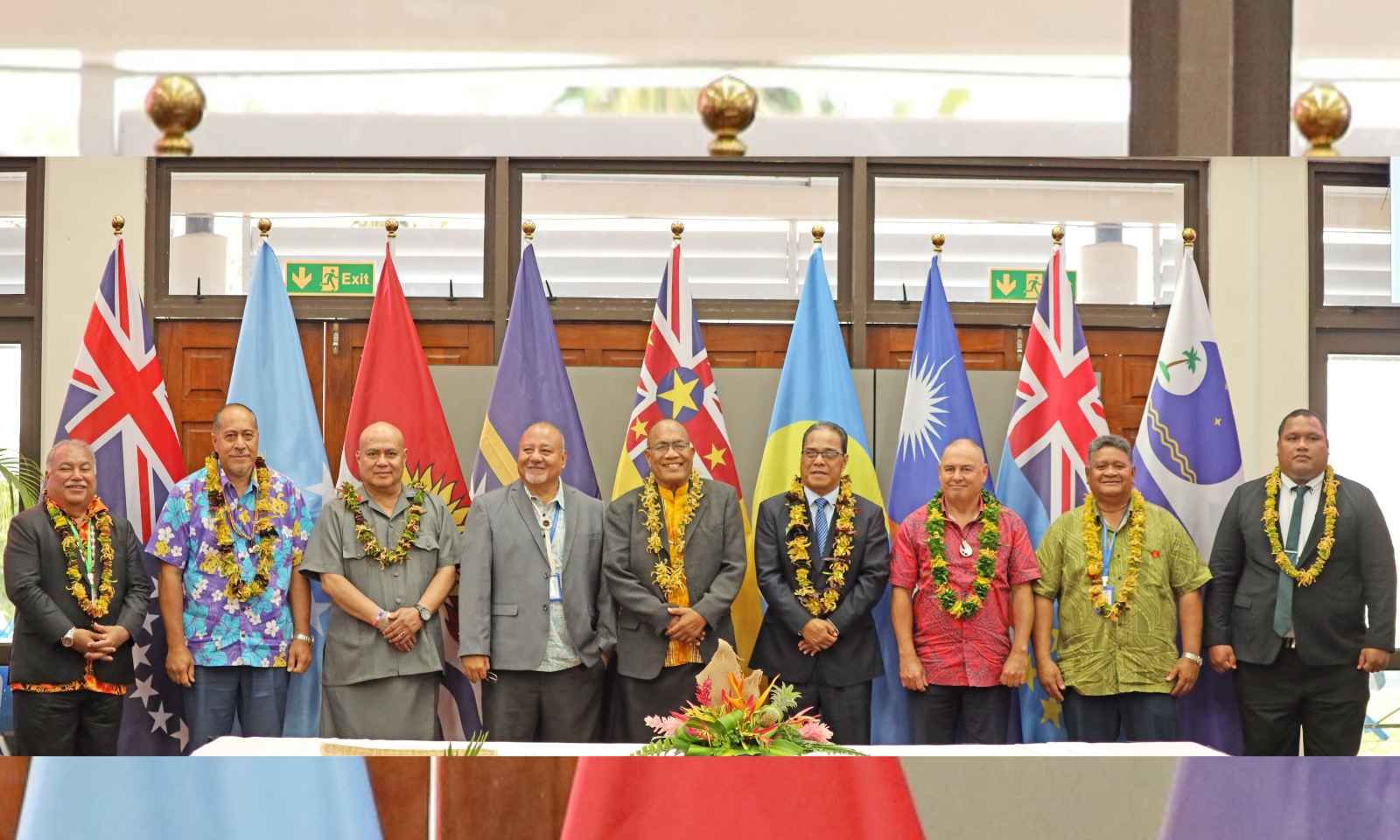
Pacific leaders say they are watching closely as political change in Solomon Islands raises wider questions about the region’s future direction.
The talks also focused on how the Middle East crisis is affecting Pacific economies, particularly fuel and energy costs, and the need for a coordinated regional response.
The Forum Secretariat reaffirmed its support for Wale in both his national role and as Forum Chair as leaders continue discussions on shared regional priorities.
Wale has also focused heavily on domestic issues during his campaign, including health, education and government accountability, and has flagged free education as a key priority.
So far, Australia is among the only regional partners to publicly comment on the leadership change.
Watch Matthew Wale speaking to the media following his election as the Solomon Islands Prime Minister on 15 May, 2026.
Prime Minister Anthony Albanese congratulated Wale and said he looked forward to “strengthening our economic, development and security partnership”.
Fiji Prime Minister Sitiveni Rabuka has repeatedly called for the Pacific to remain an “Ocean of Peace” as leaders in the region navigate growing global competition.
For many across the Pacific, the leadership change in Solomon Islands is being seen as another test of how small island nations manage outside pressure while trying to protect their own interests at home.
It is also a reminder that political shifts in Honiara are rarely just local. They often ripple across the wider Pacific region where leaders are now watching closely how Wale sets his direction.