
Fiji's tourism tax puts Pacific air links under pressure, experts warn
PMN NewsMon, 24 Aug
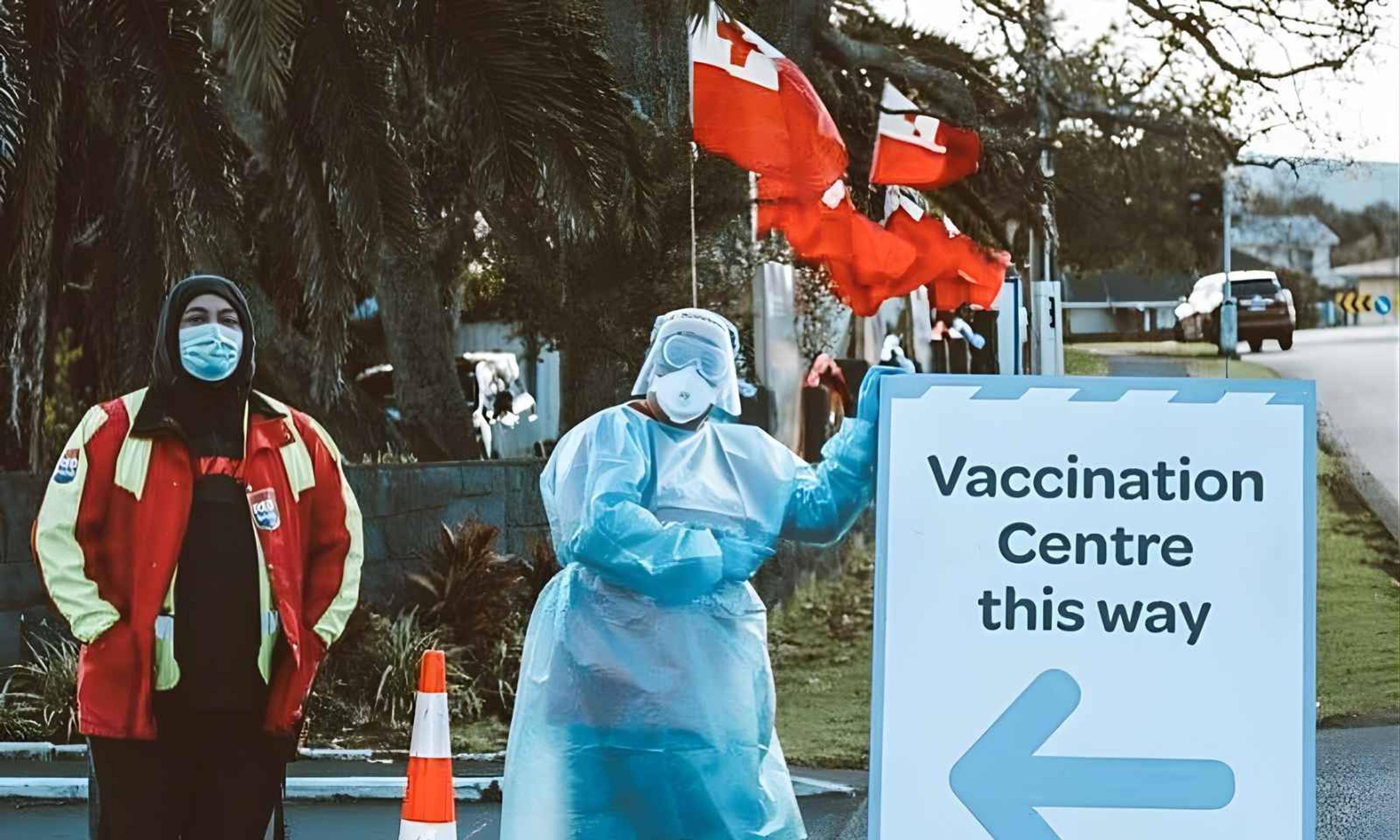
Workers at the MMT Tongan Vaccination Drive held in 2021 in Māngere.
Photo/Supplied/Pasifika Futures
The final report into New Zealand’s pandemic response says Pasifika faced some of the country’s highest mortality rates and were slower to be reached during the early vaccine rollout.

Pacific people experienced some of the highest Covid-19 death rates in New Zealand during the pandemic, according to the final report of the Royal Commission of Inquiry into Aotearoa’s response.
The report, released on Tuesday, found Pacific communities had higher mortality rates than other ethnic groups across most age brackets. Pasifika were also more likely to be hospitalised with the virus.
The inquiry examined government decisions between February 2021 and October 2022 as part of its expanded second phase.
Pacific people aged over 90 died at a rate of 4729 per 100,000 during the pandemic. This nearly doubles the rate for Māori and is significantly higher than the rate for other ethnic groups.
Among those aged 60 to 69, the death rate was 114.4 per 100,000 for Pacific people, compared with 61.5 for Māori and 32.4 for Europeans and other ethnicities.
The report also found Pacific communities were slower to be reached during the early stages of the vaccine rollout.

The inquiry's purpose is to strengthen Aotearoa New Zealand’s preparedness for, and response to, potential future pandemics. Photo/Supplied
When the Delta outbreak emerged in August 2021, vaccination rates for Māori and Pacific people were substantially lower than for other population groups.
The inquiry said there were missed opportunities to ensure vaccines reached those communities earlier.
Earlier action to lift vaccination rates among Māori and Pacific people may have helped New Zealand reach its immunisation targets sooner and potentially allowed lockdown restrictions to ease earlier, the report said.
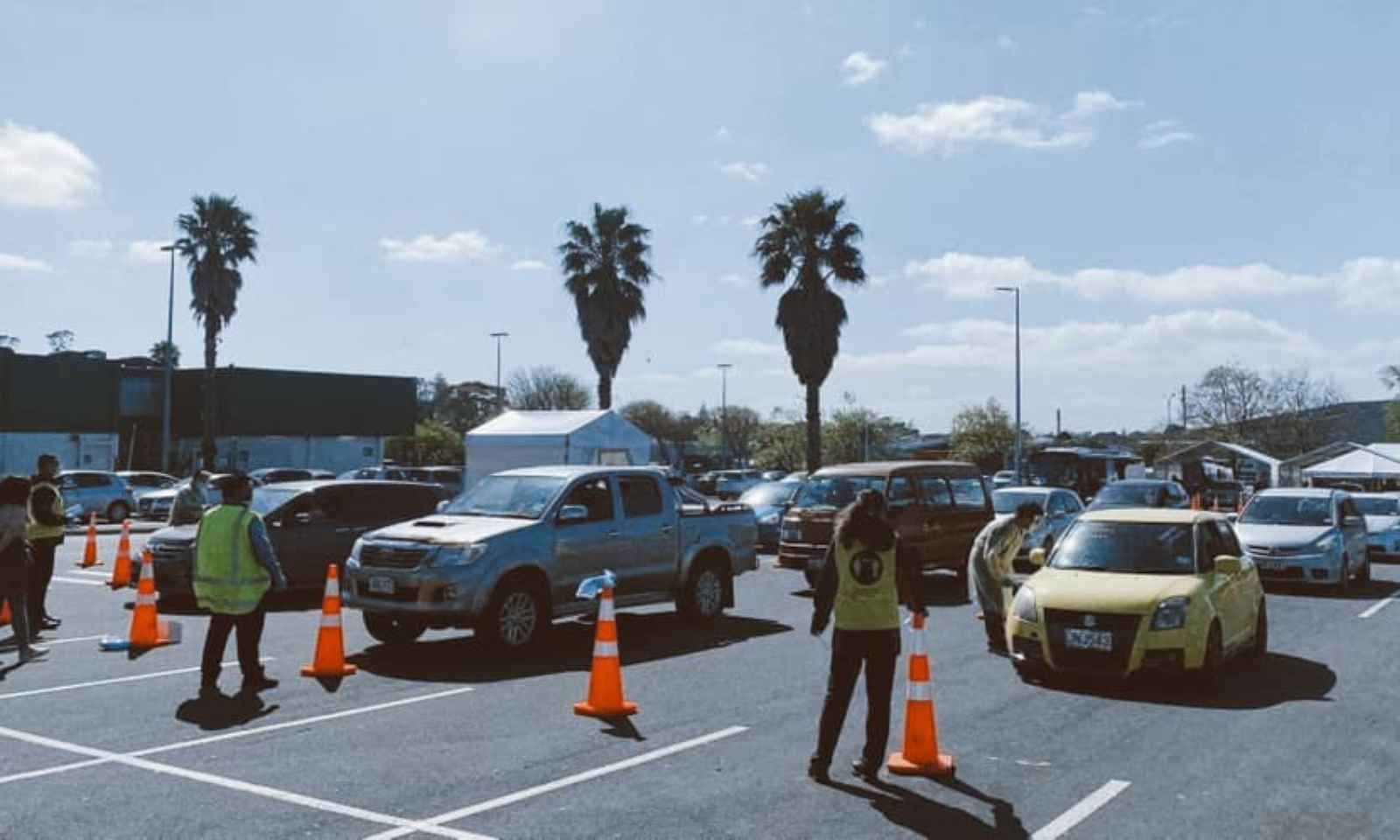
Most vaccinations were delivered through drive-through clinics. Photo/Supplied/Pasifika Futures
The commission gathered more than 31,800 public submissions and held 49 regional and sector meetings across the country between April and September 2025.
This included discussions with Pacific health providers and community orgainsations such as The Fono and Pasifika Futures.
The report also found the pandemic disrupted a number of healths ervices, with some of the biggest impacts felt by Pacific communities.
Preventative programmes such as breast and cervical screening declined sharply during lockdowns, with Pacific women experiencing some of the biggest drops in screen coverage.
Although cervical screening rates had recovered by early 2025, breast screening remained below pre-pandemic levels for some groups as of September 2025.
Beyond health services, the inquiry heard that lockdowns increased anxiety, depression, and domestic violence in many communities.
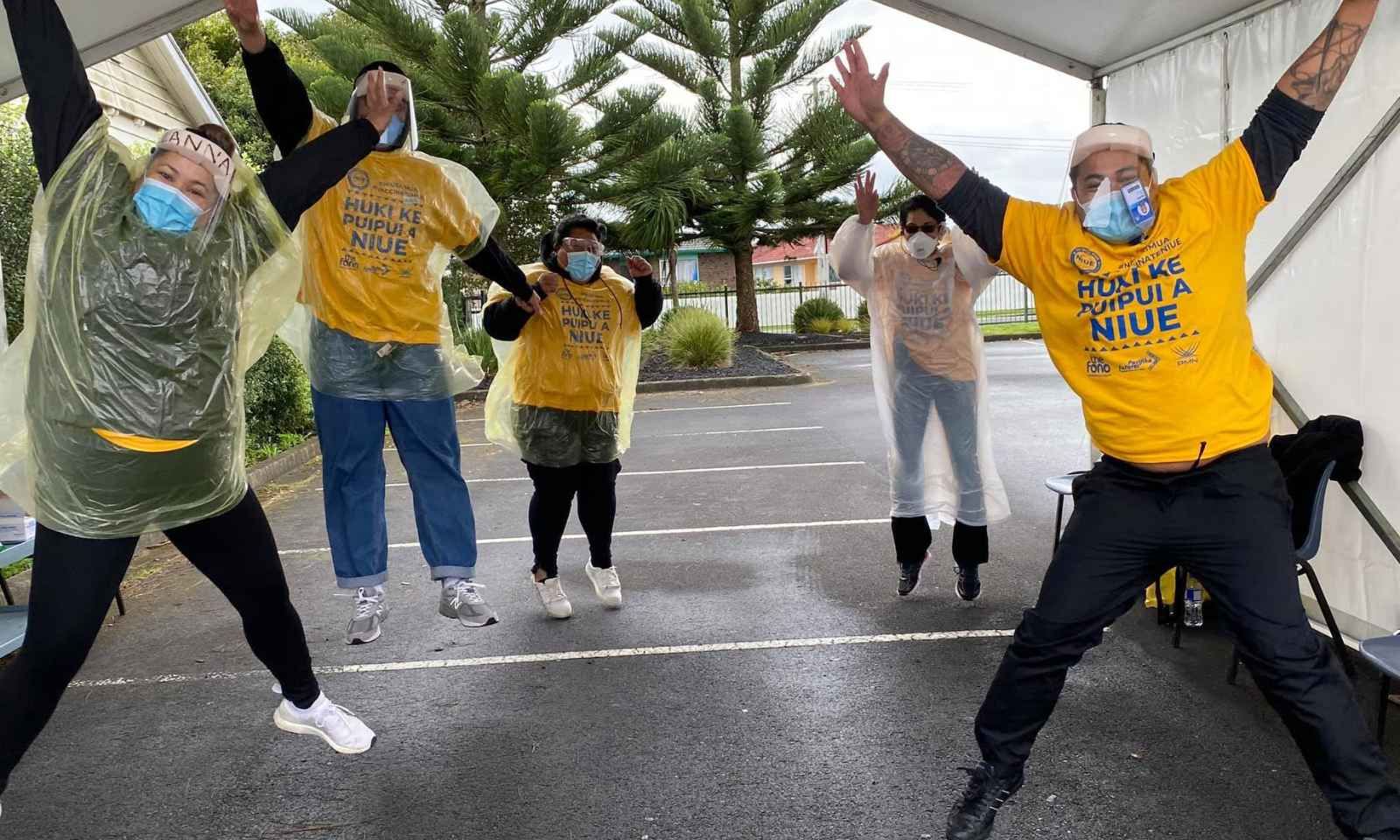
Drive-through vaccination clinics run by Pacific health providers and community groups — including Niuean and Tongan-led initiatives — helped deliver culturally appropriate outreach during the Covid-19 rollout. Photo/Pasifika Futures
For Pacific families, some pandemic rules did not reflect the realities of daily life. Many Pacific households include several generations living together, making isolation requirements difficult to follow when someone became sick.
Overcrowded housing also meant it was often impossible for infected family members to isolate from others in the home.
Despite these challenges, Pacific churches and community groups played a major role in supporting families during lockdowns.
They helped distribute food, share health information, organise childcare and provide welfare support for families in isolation.
Health Minister Simeon Brown says the report provides an opportunity to reflect on the impact of pandemic decisions.
"New Zealanders lived through one of the most significant global public health and economic events,” he said in a statement. “They made real sacrifices, and this report is an important step in understanding the impact of the decisions that were made and how we can learn from them.”
Watch a snippet from a Sāmoan vaccination event below.
Labour leader Chris Hipkins, who was the Covid-19 Response Minister during the pandemic, says the inquiry confirmed New Zealand’s response had been strong by international standards.
“Ministers and officials were making decisions in an unprecedented global crisis, using the best evidence available at the time,” his statement read.
The Government says it is reviewing the commission’s recommendations and expects to outline its response by July.