Online vault aims to return Pacific research to the community
Aui'a Vaimaila Leatinu'uWed, 21 Oct
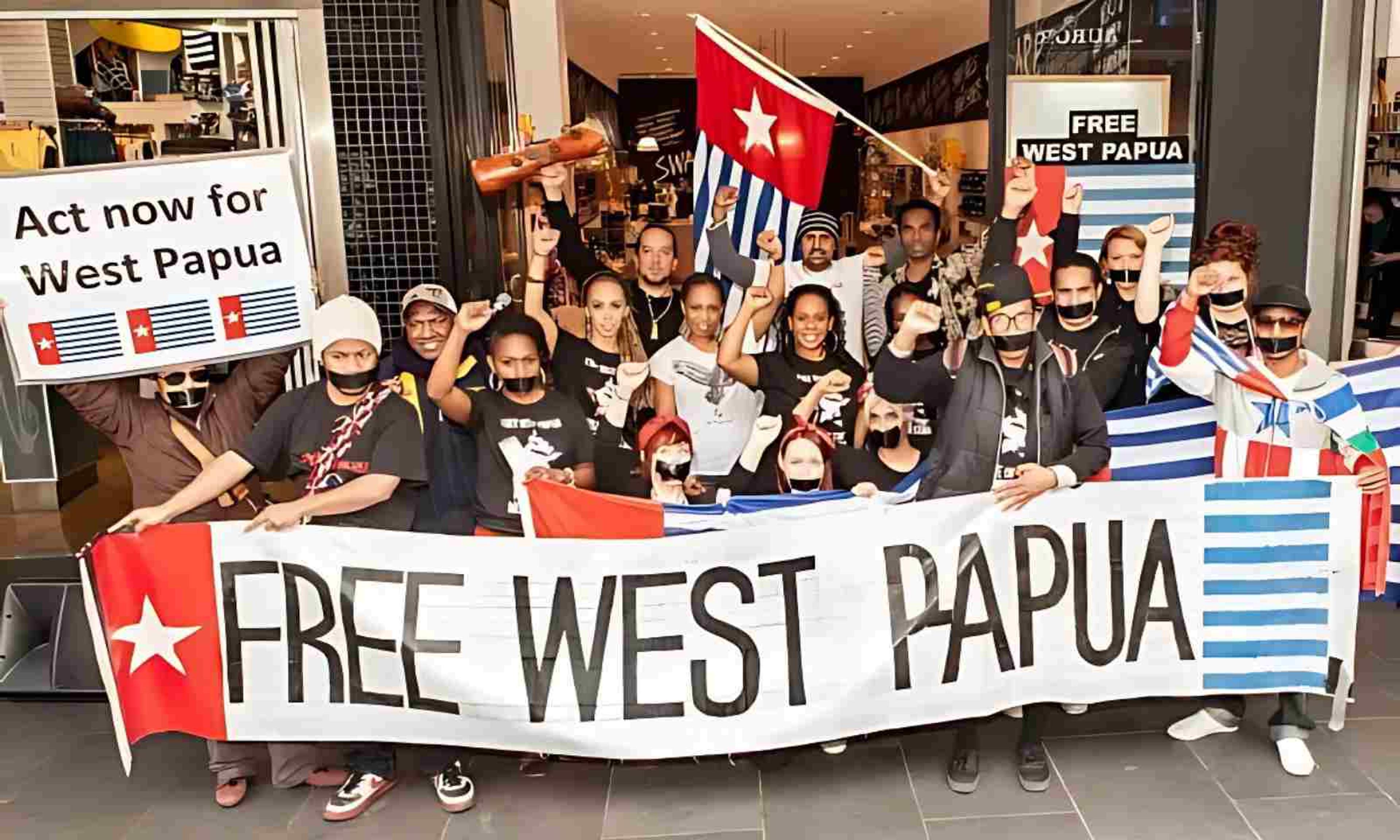
Supporters of the Free West Papua campaign take part in a public gathering, as the long-running push for independence in the Indonesian region continues to draw international attention and debate.
Photo/Free West Papua campaign/file
West Papuan leader Benny Wenda is urging Pacific leaders to strip Indonesia of its MSG and PIF roles as deadly clashes and fresh claims of violence and killings deepen tensions in the region.

Violence and political tension in West Papua have escalated with independence leader Benny Wenda calling for Indonesia to be removed from key Pacific regional bodies like the Melanesian Spearhead Group (MSG) and the Pacific Islands Forum (PIF).
Indonesia is an Associate Member of the MSG and a Dialogue Partner of the Forum, which allows Jakarta to engage with Pacific leaders but not participate as a full member in decision-making.
Wenda's call follows a series of reported killings and clashes in the territory.
Wenda, interim president of the United Liberation Movement for West Papua (ULMWP), said Pacific leaders must take stronger action as he accused the Indonesian security forces of intensifying violence against West Papuans.
“On behalf of the ULMWP and West Papuan people, I demand that Indonesia’s Associate Membership of the Melanesian Spearhead Group (MSG) and Dialogue Partner status in the Pacific Islands Forum (PIF) are immediately revoked,” he said in a statement.
Wenda alleged recent incidents in Timika and Intan Jaya included explosives being placed on the bodies of West Papuans killed by Indonesian forces.
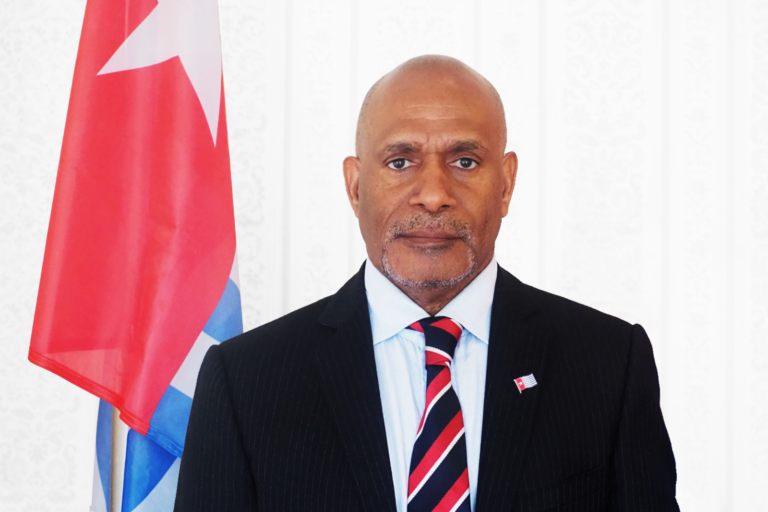
West Papua independence leader Benny Wenda is calling for Indonesia to be removed from regional Pacific bodies, accusing security forces of escalating violence in the territory. Photo/ulmwp.org
He said this led to further injuries when families came to collect them. “In Timika, when the victim’s family went to collect their dead kin, the bombs exploded, injuring a number of elders.”
Wenda said such incidents showed a pattern of escalating brutality and warned Pacific leaders that continued inaction would deepen the crisis.
He also claimed Indonesia was tightening control over information and restricting media access in the territory, saying West Papua had effectively been cut off from outside scrutiny.

The Pacific Islands Forum engages Indonesia as a Dialogue Partner while maintaining a focus on regional stability, sovereignty and dialogue across the Pacific.
“Pacific leaders must ask themselves how much bloodshed they are prepared to tolerate. How many Papuans must die?
“Indonesia has turned West Papua into the Pacific North Korea,” he said.
Indonesia has previously rejected similar accusations and maintained that its security operations target armed separatist groups and not civilians.
Tensions further escalated following a separate incident in Highland Papua province where West Papua National Liberation Army (TPNPB) fighters said they killed eight gold miners in Korowai.
They also claimed that they were undercover Indonesian security personnel.
Indonesian military officials have rejected: “Those eight individuals were civilians, not security personnel as alleged,” Indonesian military Lieutenant Colonel M Wirya Arthadiguna told the media.
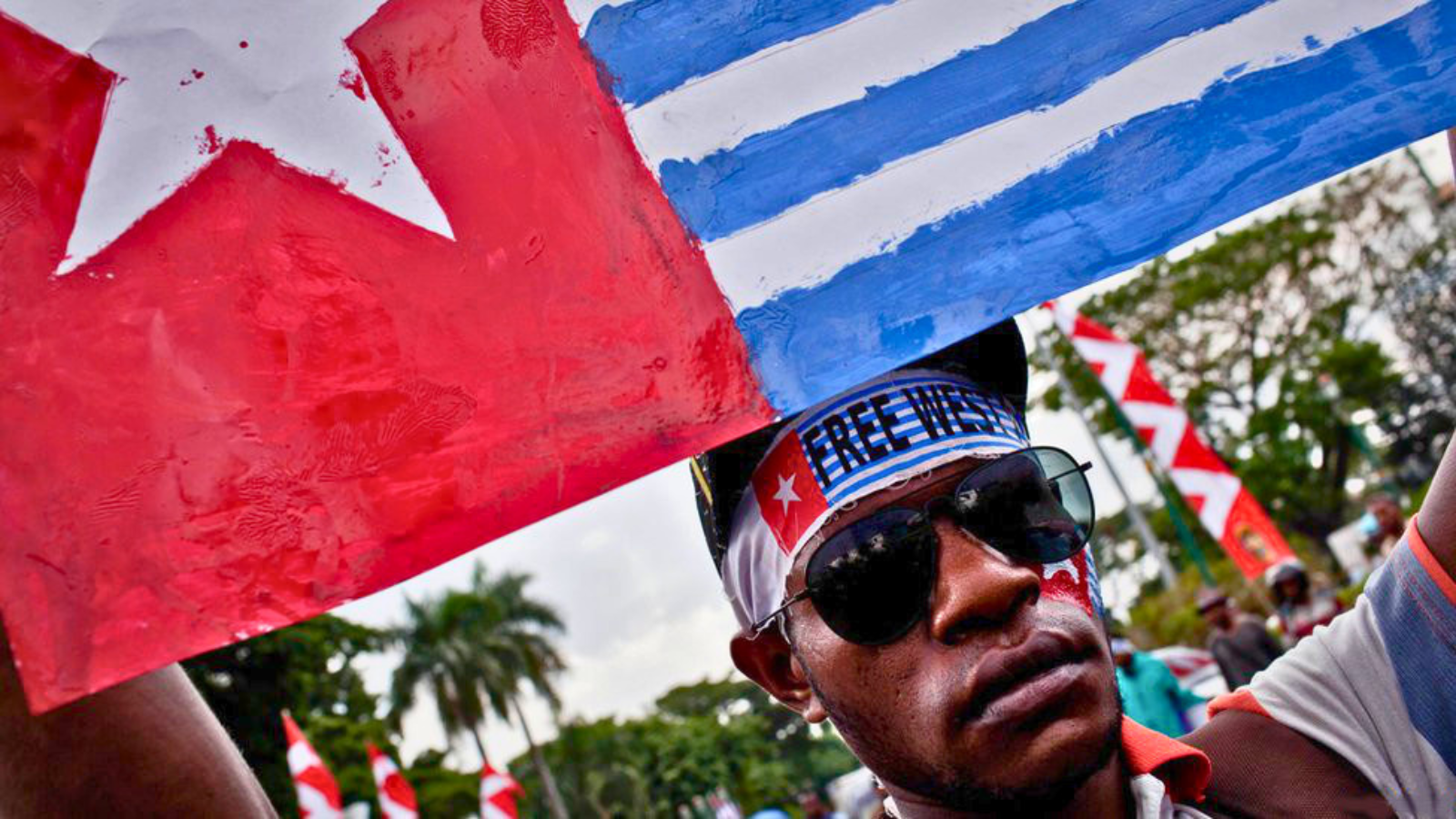
West Papua continues to see sporadic clashes between Indonesian security forces and armed separatist groups, alongside ongoing allegations of human rights abuses and counter-claims from authorities. Photo/Freewestpapua.org
He said security forces had launched an operation to track those responsible and evacuate victims from the remote area by helicopter.
But Sebby Sambom, a TPNPB spokesperson, told journalists that the group believed the miners were linked to Indonesian forces.
“These are agents of TNI-Polri intelligence,” he said, adding that weapons and communication devices were often found during such incidents.
Human rights activists and local observers say the Korowai region remains difficult to access with a mix of traditional communities and illegal gold mining activity attracting outside groups despite the risks.
West Papua, which sits next to Papua New Guinea, has seen long-running conflict between Indonesian security forces and armed independence groups since the territory was brought under Indonesian control following a 1969 UN-supervised process.
West Papua advocates are calling for urgent intervention from Pacific leaders following reports of Indonesian security forces opening fire on a group of students during a high school graduation parade.
Listen to Catherine Delahunty's full interview with William Terite on Pacific Mornings below.
Catherine Delahunty of West Papua Action Aotearoa warns that the "unthinkable" violence against young people celebrating a milestone shows why New Zealand must stop its silence and hold Indonesia accountable for human rights abuses in our Pacific neighbourhood.
“But this was a ceremony whereby people were marching proudly because they had graduated from high school... it's unthinkable that you would open fire on these people,” Delahunty told William Terite on Pacific Mornings.
The latest violence adds to growing calls from West Papuan independence leaders for stronger Pacific diplomatic action, as well as renewed debate over Indonesia’s role in regional organisations such as the MSG and Pacific Islands Forum.
Neither the Melanesian Spearhead Group nor the Pacific Islands Forum have issued new comments on the latest calls for Indonesia’s removal.
But Forum leaders remain split in their approach to West Papua. The Melanesians have reiterated support for Indonesia’s sovereignty in formal communiqués but keep West Papua on their agenda through regional discussions involving member states and observer groups.