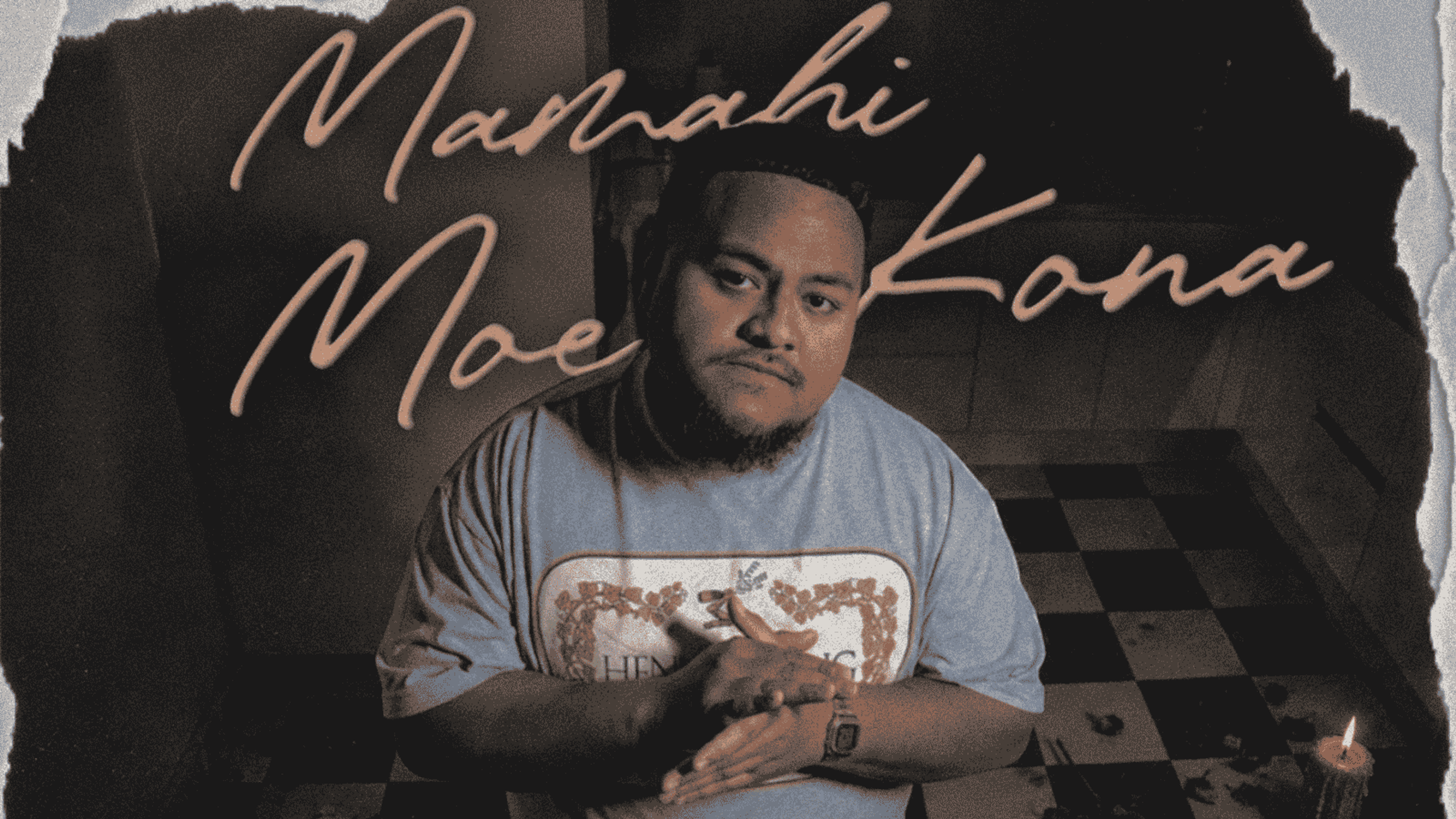
Folau.
Photo?NZ Music
Language & Culture
Lea faka-Tonga: Folau turns grief into a tribute to his grandparents
For Tongan Language Week, singer Folau shares how the loss of his grandparents inspired Mamahi Moe Kona, his first song written in Lea faka-Tonga.

Atutahi Potaka-Dewes
Published
21 August 2026, 3:04pm
Share
Copy Link
Top stories
'Very insulting': Pacific candidates lock horns over Ministry’s future
Thomas Tarurongo WynneWed, 21 Oct
Israel’s Pacific Forum breakthrough triggers political backlash in NZ
Kaya Selby, RNZ Pacific journalistWed, 21 Oct
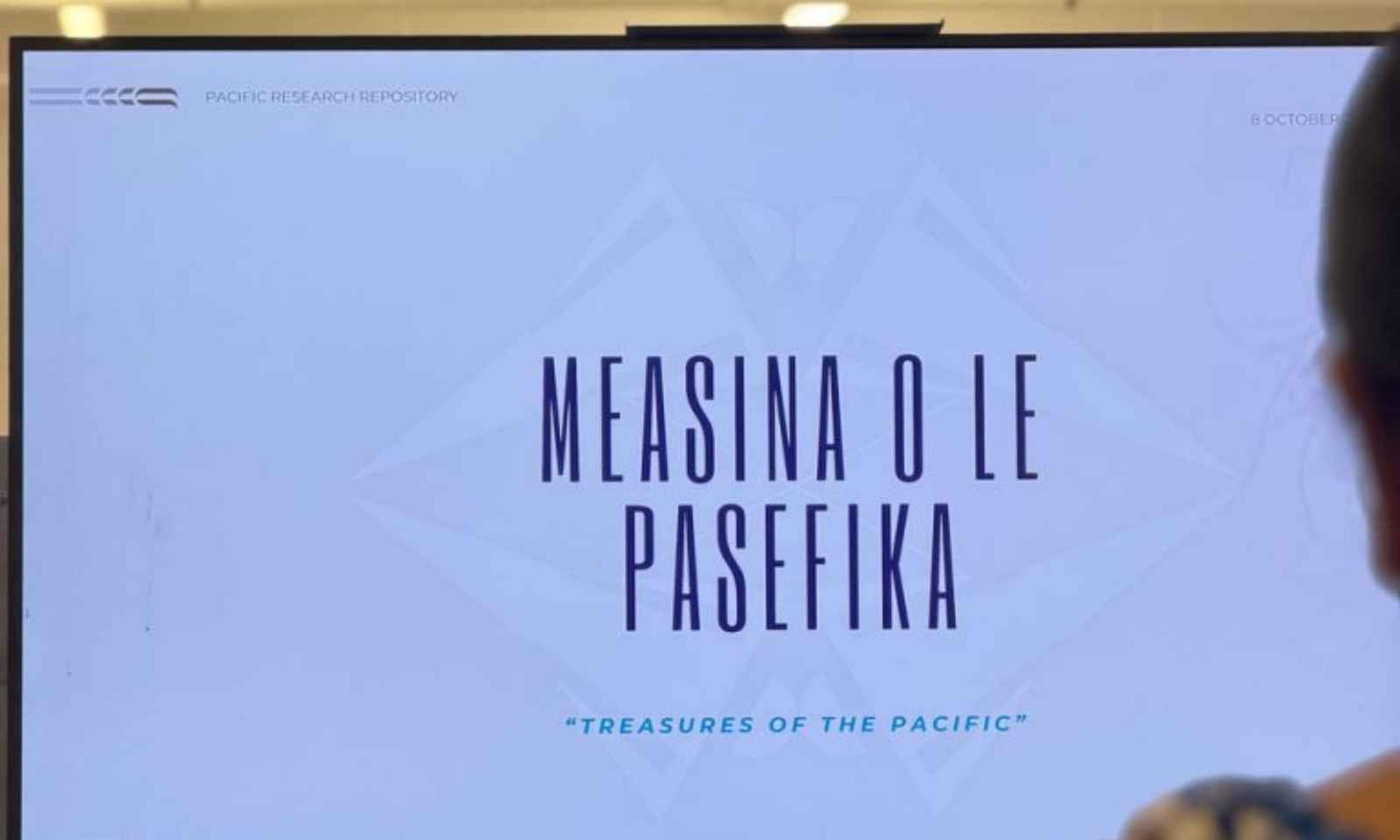
Online vault aims to return Pacific research to the community
Aui'a Vaimaila Leatinu'uWed, 21 Oct
Top stories
'Very insulting': Pacific candidates lock horns over Ministry’s future
Thomas Tarurongo WynneWed, 21 Oct
Israel’s Pacific Forum breakthrough triggers political backlash in NZ
Kaya Selby, RNZ Pacific journalistWed, 21 Oct
Online vault aims to return Pacific research to the community
Aui'a Vaimaila Leatinu'uWed, 21 Oct
For Tongan artist Folau, losing his grandparents left a grief he struggled to put into words.
It took a late-night burst of inspiration for that grief to become something he could sing in his own language.
The result is Mamahi Moe Kona, his first song written entirely in Lea faka-Tonga and is a personal tribute to the grandparents he says shaped who he is.
“My grandparents mean the whole world to me,” Folau tells Pacific Days. “What I know now in terms of wisdom and knowledge, I wouldn't have learned what I know if it wasn't for them.”
That makes the release especially meaningful during Tongan Language Week, which ends on Saturday.
“That's what makes this Tongan Language Week special for me…because this is my first song that I've written in my own mother tongue in the Lea faka-Tonga.”
Watch Folau's full interview below.
Folau says the loss of his grandparents brought a wave of emotions that he initially struggled to turn into music.
“It was a sudden flood of emotion,” he says. “I'd been sitting on that song for a while, but it was like, I knew what I wanted to say and where I wanted to go with it. But for some reason…the creativity wasn't really flowing.”
He spent time sitting at his laptop, knowing what he wanted to say but unable to get the words out.
Then his producer MKNI sent him an instrumental.
"As soon as I listened to it, I knew straight away that this is the beat that would actually help me carry that message through,” he says.
The song came together that same night.
“I wrote the song, recorded it, and that was the only recording I ever did, because I felt like, truly, that how the song sounds now is exactly the vibe or the feel that I wanted to get through.
Mamahi Moe Kona, which explores pain and grief, deliberately brings together sadness and hope.
Folau uses island reggae, R&B, and Pacific Soul to create an uplifting sound beneath lyrics about loss.
“I wanted the lyrics to kind of portray the grief, the hurt, the pain,” he says. “Then have the beat portray hope. Give everyone hope that there is hope after grief.”
That message is also aimed at people who may be struggling with grief on their own.
"When it's just you alone, that's the hardest part of that process. I just want everyone to understand that there are people out there that understand. We're all in it together."
Folau says the song is also another step in a growing music career. He has appeared three times on the official Aotearoa Music Charts this year and received a Pacific Music Award nomination.
Now he wants to keep the momentum going, with plans to release a song every month for the rest of the year before working towards his first full-length album in 2027.
But he knows Mamahi Moe Kona will always hold a place of its own - a song of grief, hope and identity, written in the language of his grandparents.
Tongan artists keep language and culture alive
Other Tongan artists are also using music and everyday life to keep their culture and language visible this Tongan Language Week.
Island Vibes frontman Aisea Latu says celebrating Tongan culture is not limited to one week of the year.
“Every week is Tongan Language Week” for him, but he says this week gives everyone in Aotearoa a chance to celebrate Tongan culture.
“Schools and workplaces, they do all of those random events,” Latu says. “At their schools now with their tau’olunga sessions, sharing food, which is very, very important in our Tongan culture, and just our music too.
“It's such a cool feeling to have not only your Tongan celebrating it, but the rest of the country too.”
Latu says the week is also a reminder for Tongan families to keep Lea faka-Tonga strong at home.
Watch Aisea Latu's full interview.
“We like to speak the language at home, so we just continue doing that to our kids as well and teaching them how to speak Tongan, because if we don't, then who else will?”
That same pride is shared by Lopz Lavulo, the driving force behind South Auckland’s Lopz & The Rastaz.
Lavulo joined Spencer Fusimalohi, a founding member of trailblazing reggae group Herbs on Pacific Days to talk about Tongan music and the role of musicians in keeping culture alive.
Lavulo says Fusimalohi has played an important role in helping him connect with his language at gigs.
“I can speak a little bit of Tongan,” he says. “I’m proud to be a Tongan, my Lea faka-Tonga is not too good but grateful to Sipeni, at our gigs, for speaking Lea faka-Tonga.”
Watch Lopz Lavulo and Spencer Fusimalohi's full interview below.
For artists like Latu and Lavulo, the language is not simply something to celebrate during Uike Kātoanga'i 'o e Lea Faka-Tonga. It is something they are keeping alive through their music, their families and the communities they perform for.
This year marks 15 years of Tongan Language Week, which ends on Saturday, 22 August.
Visit the Ministry of Pacific Peoples’ website for more information.