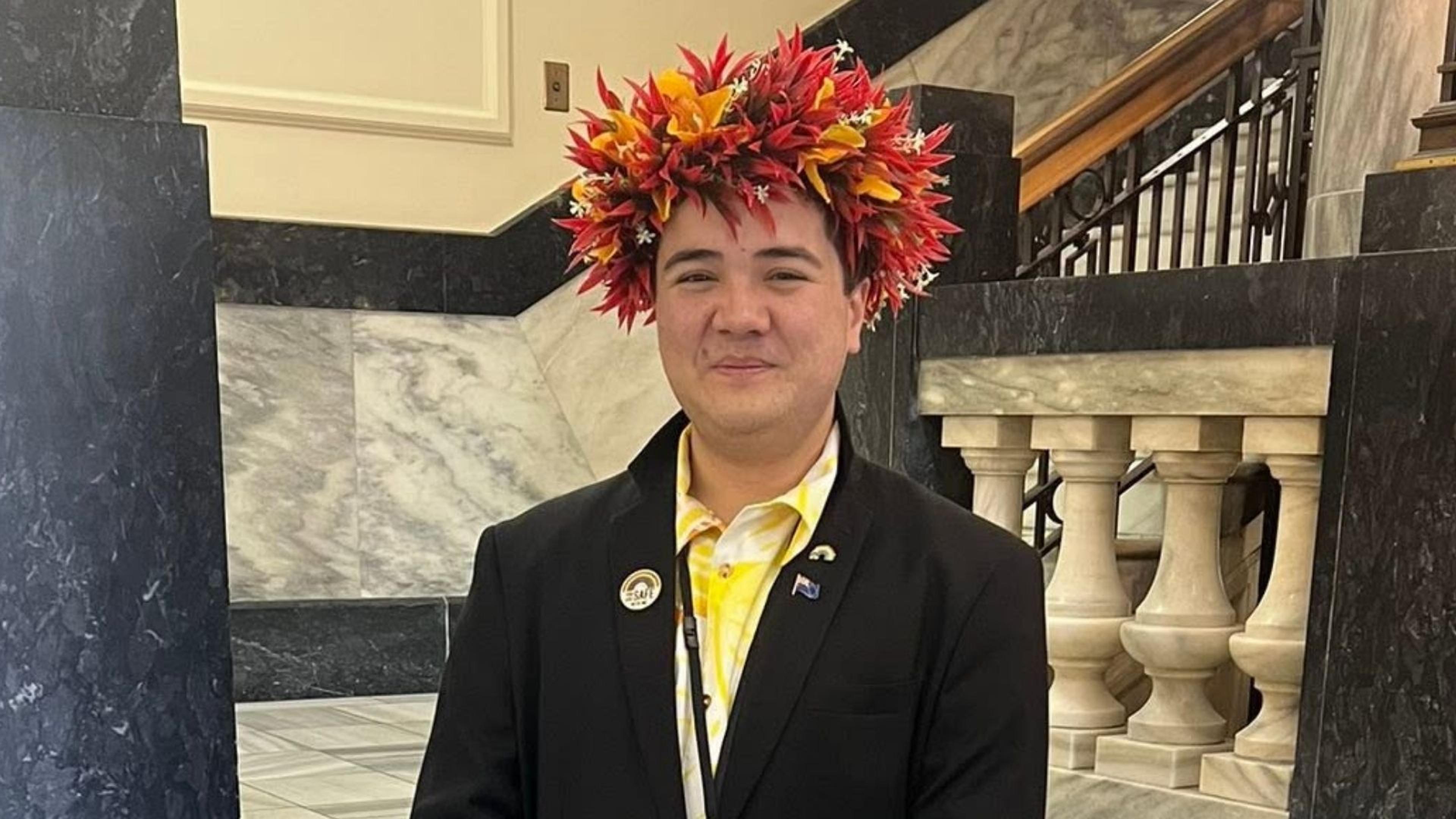
Former Youth MP Tyler Oroanu says young Pacific people need a greater say in decisions that will shape their future, with health at the top of his priorities.
Photo/Facebook/Lemauga Lydia Sosene, MP
Health
Future generations law must put Pacific health at the centre - advocate
Former Youth MP Tyler Oroanu says any law designed to protect the interests of future generations must be shaped with young Pasifika.

Christine Rovoi
Published
21 August 2026, 11:20am
Share
Copy Link
Top stories
From Ōtara, NZ to Los Angeles: David Liti lifts up the next generation
Elton Lonaratha JnrMon, 19 Oct
Washington warnings mount as four Pacific nations risk loss of US aid
Christine RovoiTue, 20 Oct

'Watch out': Silver Ferns issue clear warning to Diamonds ahead of Christchurch clash
Brooke FonotiMon, 19 Oct
Top stories
From Ōtara, NZ to Los Angeles: David Liti lifts up the next generation
Elton Lonaratha JnrMon, 19 Oct
Washington warnings mount as four Pacific nations risk loss of US aid
Christine RovoiTue, 20 Oct
'Watch out': Silver Ferns issue clear warning to Diamonds ahead of Christchurch clash
Brooke FonotiMon, 19 Oct
Young Pacific people need more than promises about the future. They need a health system, infrastructure and opportunities that will still work for them decades from now, former Youth MP Tyler Oroanu says.
Oroanu, who has family roots in Cook Islands and Sāmoa, was the 2025 Youth MP for Panmure-Ōtāhuhu, representing Labour MP Jenny Salesa.
He has been active in advocating for young people and his South Auckland community.
In an interview with William Terite on Pacific Mornings, Oroanu said he supports calls for a Future Generations Act, but says Pacific voices must be part of writing it.
"I think I would very much support a Future Generations Act. But I think it very much needs to be something that is written alongside young Pacific people."
Oroanu's comments come after a Talbot Mills survey found 82 per cent of New Zealanders support a law requiring governments to consider the long-term impact of their decisions on future generations.
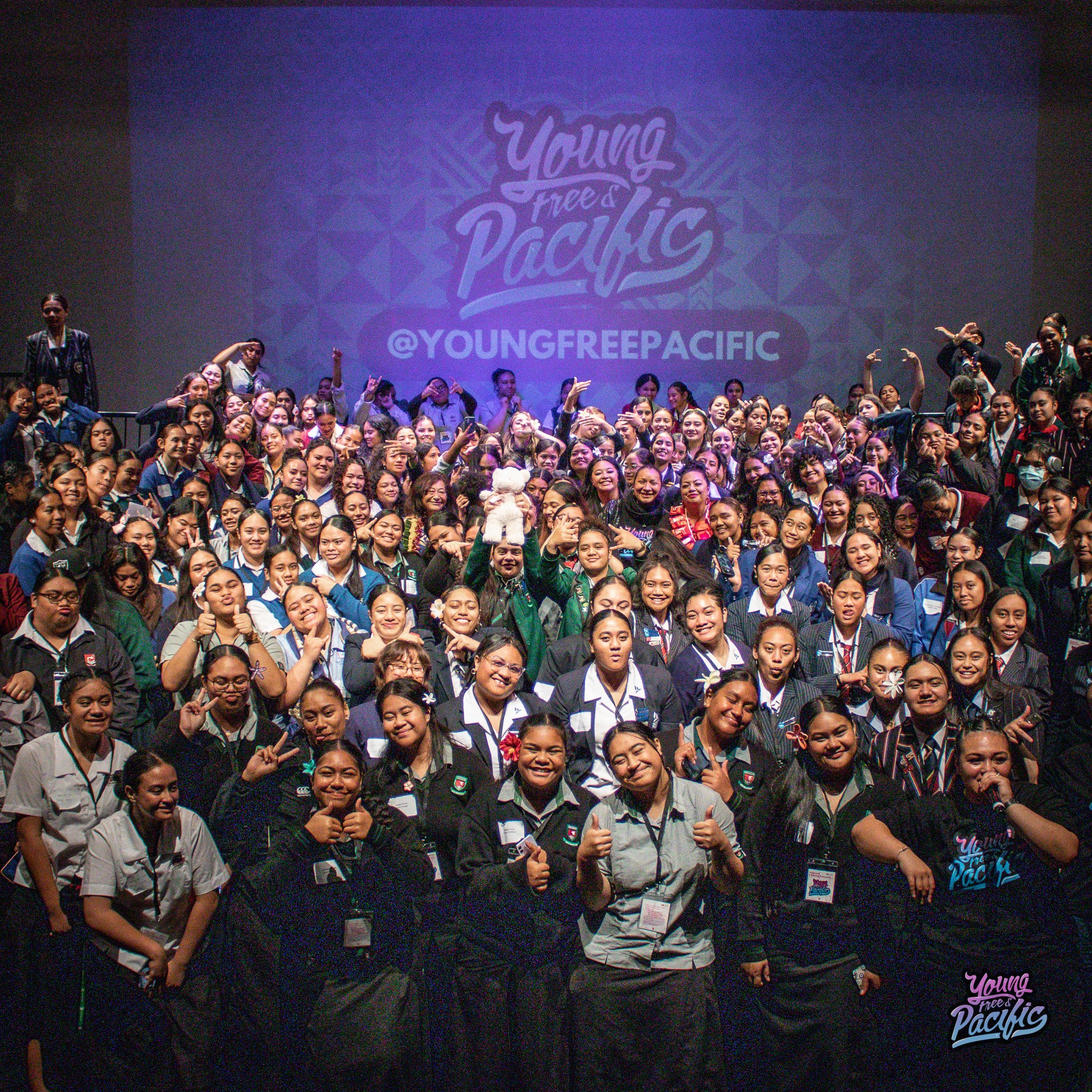
Young Pasifika people want a stronger voice in decisions affecting their future, including health, jobs and representation. Photo/affirmingworks.org.nz
Support cuts across the political divide, with backing at 81 per cent among National voters, 84 per cent among Labour voters, 89 per cent among ACT voters and 90 per cent among Green voters. Overall, 71 per cent said economy was working poorly for young people. The survey was conducted from 7 to 17 August, 2026, with 1136 adults.
Oroanu says the findings reflect what many young people are experiencing, particularly when it comes to finding work after years of study.
"We're finding that you can apply for every job in the world and you might hear back from one or two and both of them will probably say, oh, I can't really take you on at the moment."
Watch Tyler Oroanu's full interview below.
He says young people are also questioning what comes after university.
"But also people are pessimistic about the economy because so many of us will spend three, four, five years studying for university degrees, exit university, and where do we go? What is there to do?"
But for Oroanu, the biggest priority for the next generation is not climate change, but health.
"I feel like the obvious answer should be climate. But I believe, and it's an issue very near and dear to my heart and to my family, health absolutely needs to be at the top of the priorities or visions for a future for young people."
That focus on health comes as Dr Letava Simone Tafuna'i, a Sāmoan-Fijian general practitioner (GP) takes on a new role helping shape New Zealand's Pacific health priorities.
Tafuna'i was appointed to the Ministry of Health's Pacific Expert Advisory Group in February, with the group providing advice on Pacific health outcomes and supporting the rollout and monitoring of Te Mana Ola, the Pacific Health Strategy.
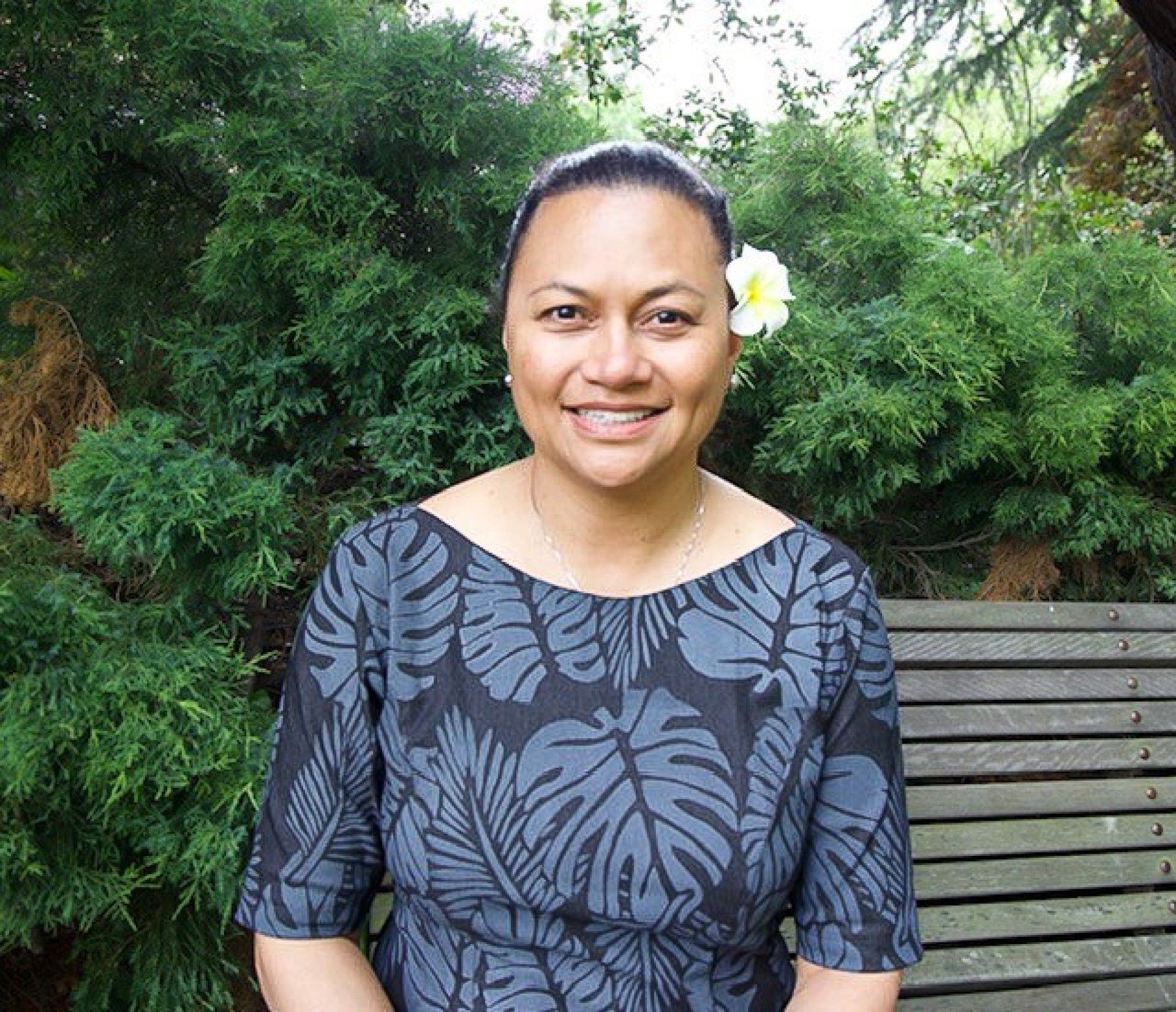
Dr Letava Simone Tafuna'i has highlighted the need to close health gaps for Pacific communities and strengthen prevention, particularly among young people. Photo/etupasifika.co.nz
She has previously highlighted the health challenges facing Pacific communities and the need to focus on prevention among a population that is largely young.
“Diabetes, cardiovascular disease, and other long-term conditions are a concern in Pacific Island populations as they are in other communities.
"But Pacific people don't always have the same access to treatments and care. We need to close the gap and help with prevention, particularly where we have such a high percentage of young people.”
Oroanu says young people cannot push for better climate outcomes, representation or a stronger economy if their health needs are not being met first.
His focus on health is personal. At about 12 years old, he was diagnosed with rheumatic heart fever and says he was fortunate to receive treatment quickly enough to avoid open-heart surgery.
"It was a really scary time for me, for my parents, for my wider family."
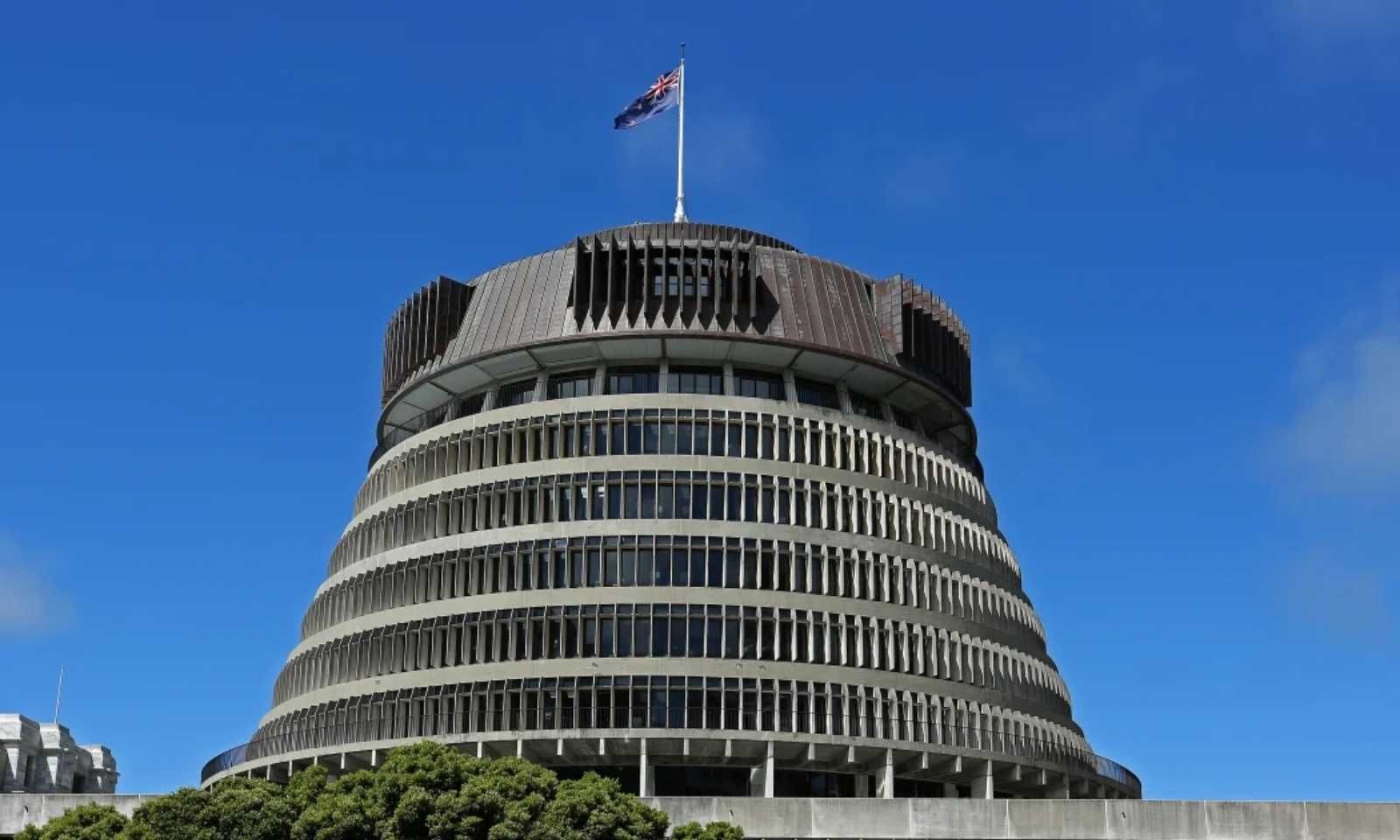
The Beehive, NZ's Parliament: A new Talbot Mills survey found 82 per cent of New Zealanders support a law requiring governments to consider the long-term impact of their decisions on future generations. Photo/RNZ/Alexander Robertson
He says the experience has shaped how he views the future of Aotearoa's health system. "I probably would not have been able to get the support that I needed as quickly."
Oroanu also says Pacific people are still not being included enough in conversations about New Zealand's long-term future.
That concern is reflected in PMN News' own Horizon Research Pacific Issues Election Survey released last month. Only one in three Pacific people aged 18 to 24 said they were certain to vote in this year's election, despite 58 per cent saying they were enrolled.
The survey was conducted online from 23 June to 7 July 2026, with 293 Pacific respondents aged 18 and over.
Younger Pacific respondents also called for clearer information about parties and policies, more Pacific candidates and stronger discussion of Pacific issues.
"Outside of climate, I think the Pacific voice is quite often missing from these types of things, including things like a Future Generation Act," Oroanu told Terite.
Watch Tyler Oroanu's earlier interview on Pacific Mornings below.
His message to young Pacific people is simple: speak up, even when they are not invited. "If nobody asks you, that doesn't matter. Just tell them what you think."
Oroanu also says New Zealand's three-year parliamentary term can make long-term thinking difficult because governments are often focused on the next election.
"You've got a three-year parliamentary term. I don't necessarily have an opinion on whether that's too long or too short but that short-term thinking is also built into our political system."
That concern is shared by Thomas Blakie from the Tomorrow Together campaign, which is calling for a Future Generations Act in Aotearoa.
Blakie, who helped launch the call for the Act at the Economy for Public Good conference in Pōneke Wellington in 2024, said: “This Act looks to embed intergenerational equity into our governance structures ensuring the decisions we make today safeguard the wellbeing of our mokopuna into the future.”
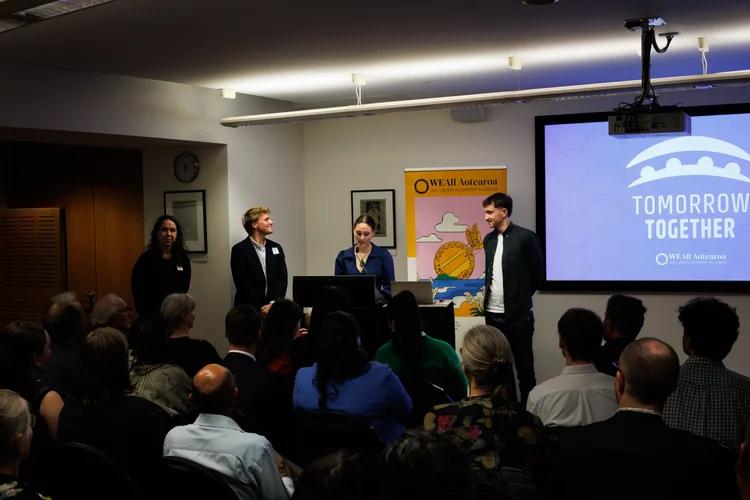
Members of the Rangatahi Leaders’ Group at the launch and discussion of their Tomorrow Together campaign at Parliament. Photo/weall.org.nz
The campaign is led by the Rangatahi Leaders' Group, which says young people need a greater role in shaping decisions that affect their future.
The group says its work is about making sure Māori, Pasifika and community voices are reflected in the push for a Future Generations Act.
The campaign is calling for future generations to be given greater weight in government decision-making than leaving long-term issues to successive governments.
For Oroanu, that is exactly why a Future Generations Act could matter - forcing governments to look beyond the next three years and consider the people who will live with today's decisions for decades to come.