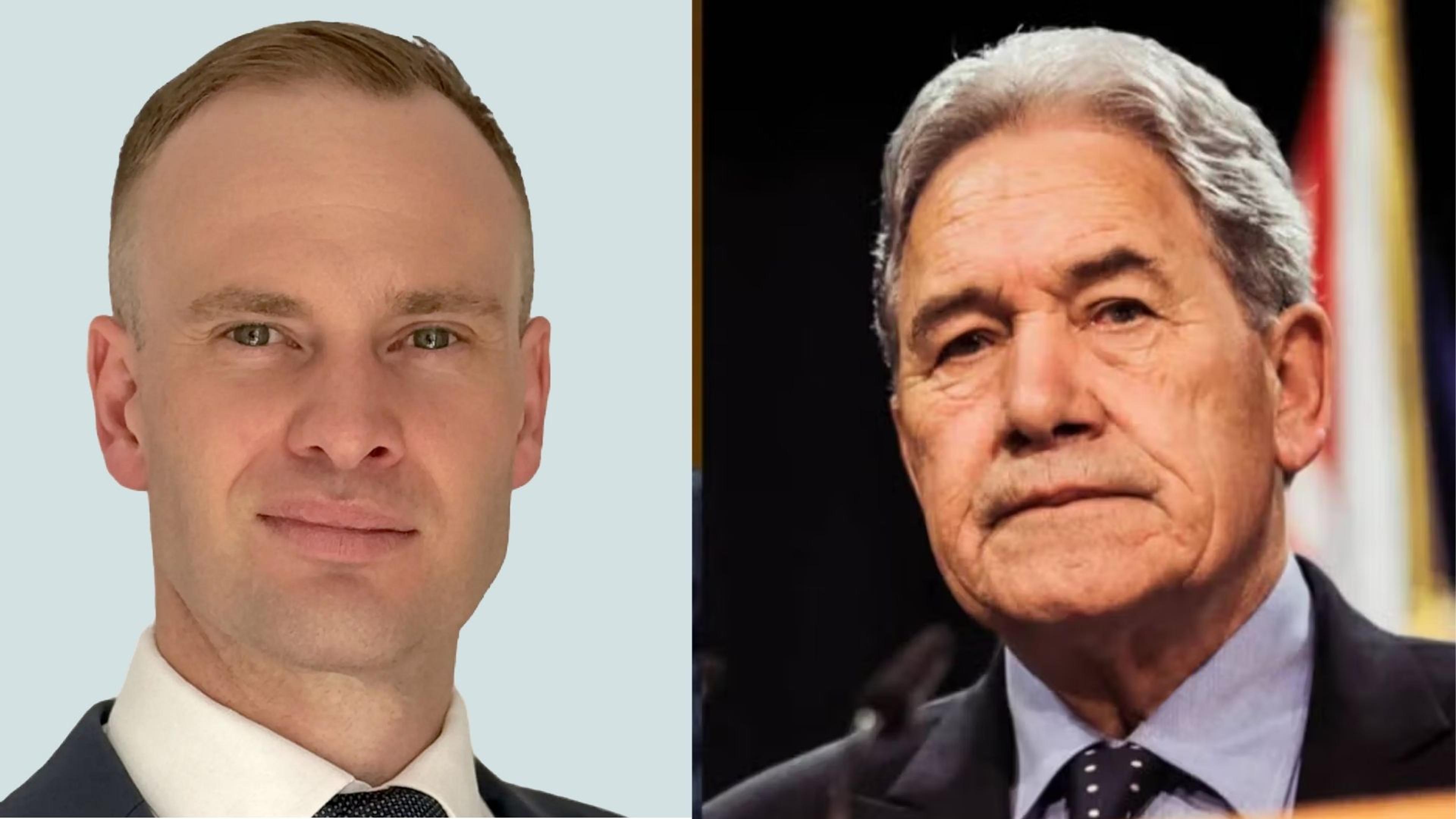
Naoero Economic and Climate Resilience Citizenship Programme CEO, Edward Clark, left, has defended the Pacific nation’s citizenship-by-investment scheme after New Zealand Foreign Minister Winston Peters raised concerns about its wider implications for the region.
Photo/Supplied
Pacific Region
Naoero defends citizenship programme after Peters calls for stronger Pacific economies
The Naoero government says its citizenship-by-investment programme can help build economic and climate resilience, after New Zealand Foreign Minister Winston Peters urged Pacific countries to rely less on aid.

Christine Rovoi
Published
21 August 2026, 10:07am
Share
Copy Link

The Republic of Naoero, formerly Nauru, is defending its citizenship-by-investment programme as part of its economic resilience strategy.
The move comes days after New Zealand Foreign Minister Vaovasamanaia Winston Peters called on Pacific countries to put stronger local economies at the centre of regional cooperation.
In a statement released on Wednesday, the Naoero Economic and Climate Resilience Citizenship Program said wealthy families were increasingly looking for ways to protect their future from global uncertainty while also investing in programmes that make a difference.
The statement follows Peters telling Pacific Mornings host William Terite that Pacific countries need to move beyond an aid-focused approach and bring more partners into economic development.
“We've got to change our plans here in the Pacific to be far more efficient with the economy as well. That's what we're trying to do. We're trying to get partners to come in and help us,” Peters said.
He also warned that outside partners should not have too much influence over the region.
Watch Winston Peters' full interview below.
“And that is, that outsiders are getting too much in the inside. And that's the part of the discussion we must have going forward,” he said.
Naoero's programme chief executive, Edward Clark, says the citizenship scheme gives families another way to plan for an uncertain future while contributing to the island nation's development.
“The current global instability continues to bring increased enquiries from families wanting to protect against government decisions, compulsory conscription and other factors that could challenge their future,” Clark said.
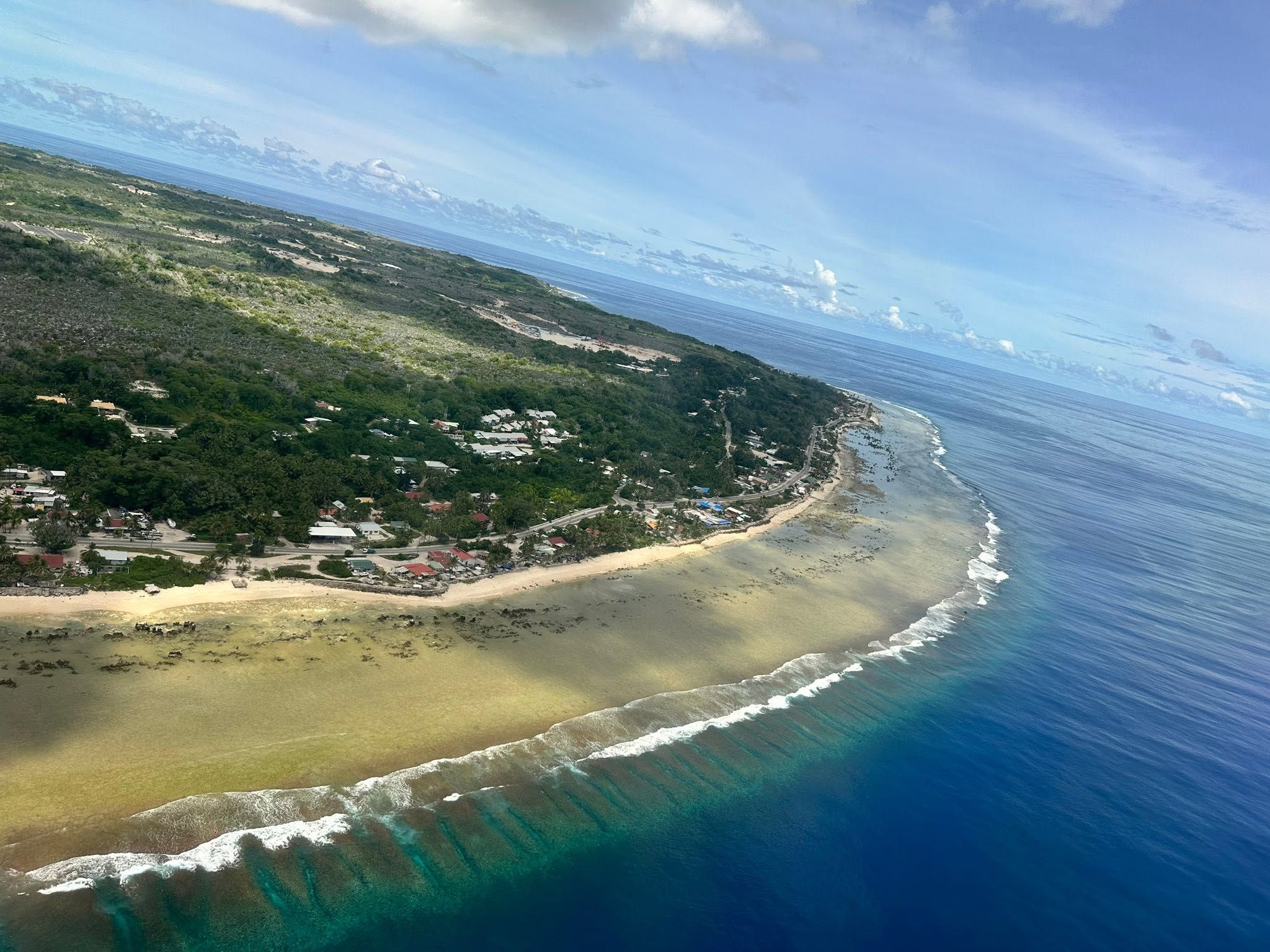
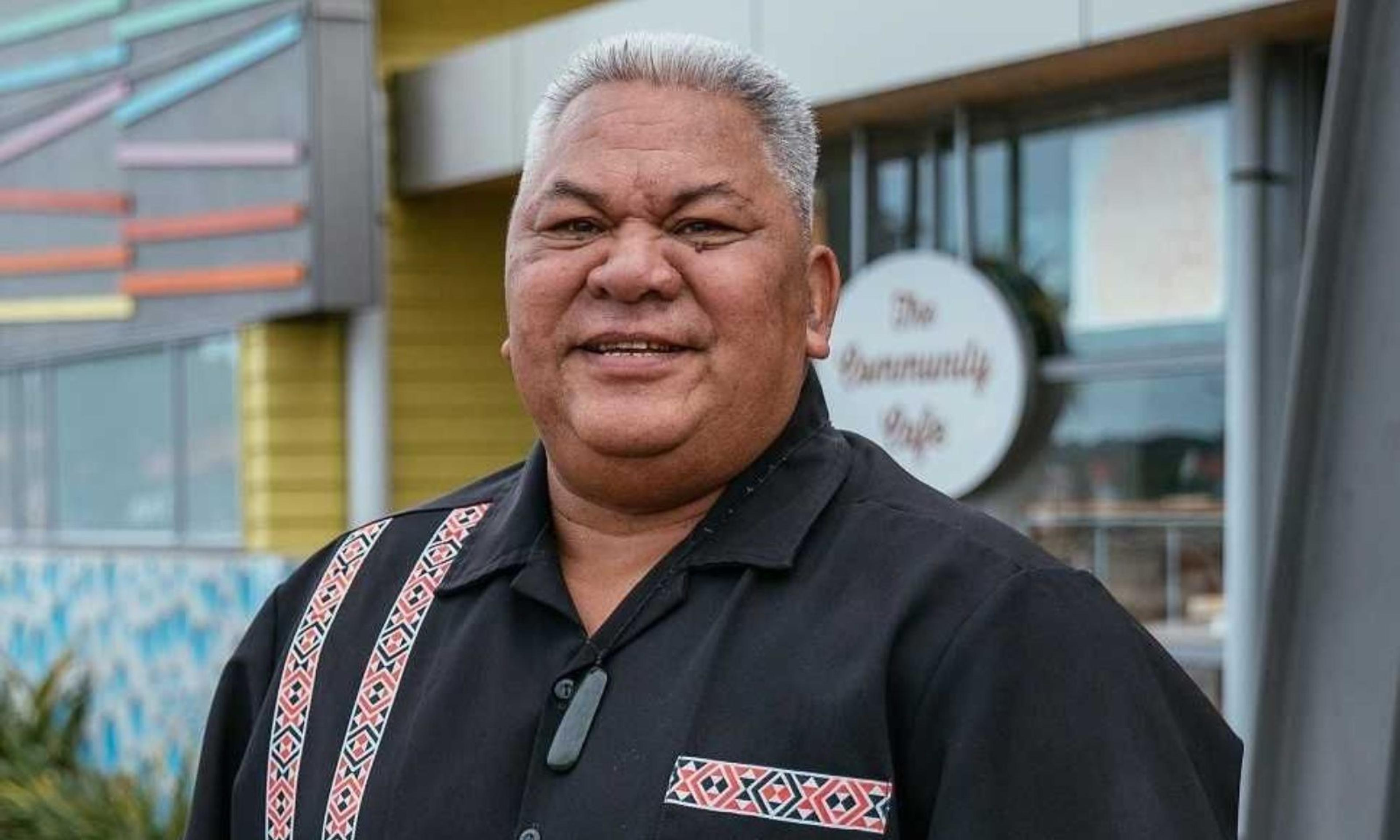
Naoero, formerly known as Nauru, is using its citizenship-by-investment programme as part of efforts to diversify its economy and fund climate resilience. Photo/Facebook/Sakiasi Ditoko
“The Naoero citizenship option offers families a way to diversify geographically, while contributing to a nation working to build greater economic and climate resilience.”
The programme allows approved applicants to gain Naoero citizenship by making a contribution to the country, with the government presenting it as a way to attract investment while strengthening the economy.
Naoero’s economic progress provides a strong foundation for that investment, with recent independent analysis from Professor Stephen Howes, Director of the Development Policy Centre at The Australian National University, finding its national income grew by an average 4.9 per cent per person between 2009 and 2024.
Howes’ analysis also found employment increased sharply between the 2011 and 2021 censuses, while unemployment fell from 23 per cent to five per cent.
“If any other boom worldwide has delivered similarly stunning results in such a short period, I am not aware of it,” Howes said in his research.
The International Monetary Fund (IMF) has also recognised the potential for Naoero’s citizenship programme to support economic diversification, while warning that the risks linked to the scheme need to be carefully assessed.
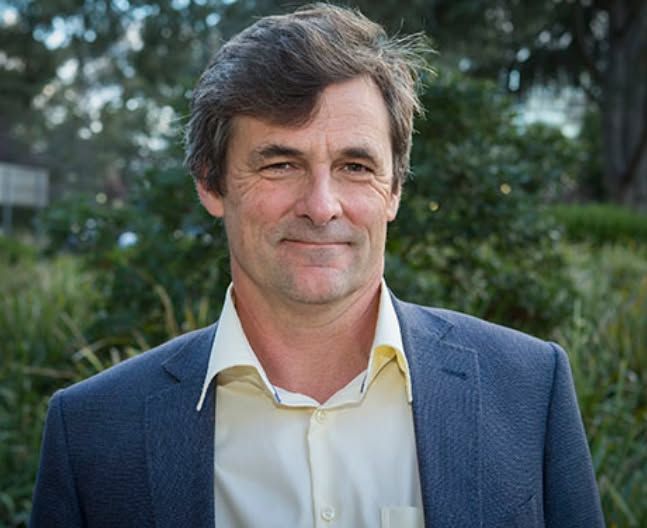
Professor Stephen Howes, Director of the Development Policy Centre at The Australian National University, whose research has highlighted Naoero’s strong economic growth in recent years. Photo/ANU
Clark said the tightly-controlled and highly regulated program meant that both families and Naoero can benefit from the same investment.
“Citizenship by investment in Naoero creates what I believe is the most unique opportunity in the world to join the priorities of families looking to build greater resilience and options for the future, with those of a nation actively working towards greater economic and climate resilience for its people,” he said.
The response comes as Pacific leaders prepare to meet in Palau later this month with economic development, regional cooperation and the role of outside partners expected to remain key issues.
For Peters, the bigger question is whether Pacific countries can build stronger economies while keeping control of their own priorities.
“It's unusual. I go to ASEAN, and it's all about the economy, the economy, economy, economy. I go to the Pacific, it's all about aid,” he said.
The 55th Pacific Islands Forum Leaders Meeting in Koror, Palau, from 31 August to 4 September. The theme is B.E.L.A.U - Building Economies: Life. Action. Unity, focusing on regional resilience, ocean state identity, and sustainable growth.