
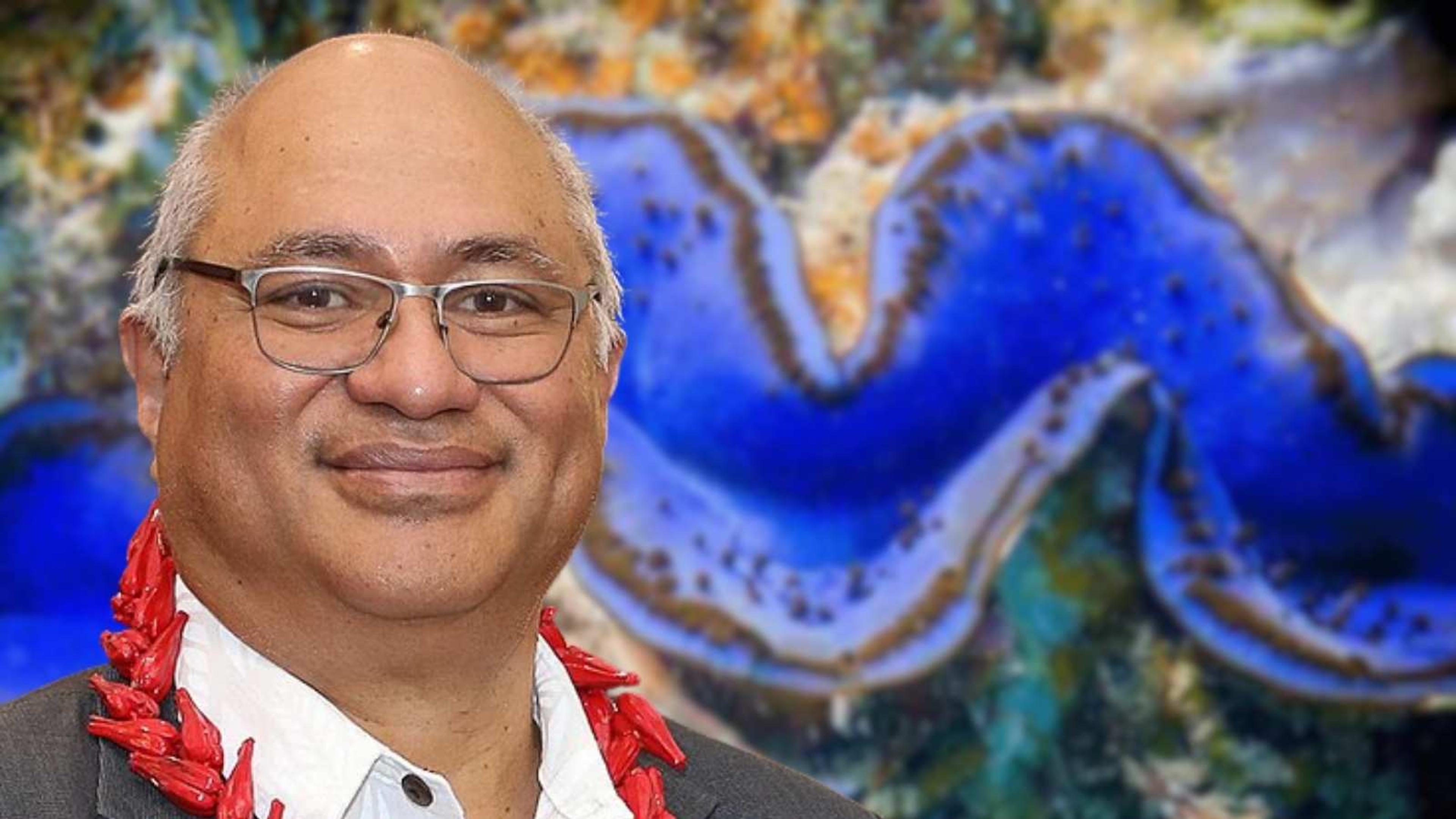
Aiono Dr Alec Ekeroma.
Photo/Pacific Academy of Sciences
Pacific Region
US funding cuts threaten to 'dry up' future of Pacific scientists - expert
Aiono Dr Alec Ekeroma warns US exits from global agencies hurt scholarships, even as the Pacific Academy of Sciences Congress highlights the need for Pasifika-led research.

Aui'a Vaimaila Leatinu'u
Published
18 February 2026, 3:32pm
Share
Copy Link
Top stories


Auckland teen turns a trip to Fiji into a mission to fight period poverty
Elenoa TuragaiviuThu, 15 Oct
Top stories
Auckland teen turns a trip to Fiji into a mission to fight period poverty
Elenoa TuragaiviuThu, 15 Oct
The training of the region's future scientists is set to “dry up" following United States funding cuts to major regional projects, a Pacific academic warns.
The warning comes as the inaugural Pacific Academy of Sciences Congress (PASC) concludes its three-day meeting in Sāmoa. The event at Sāmoa’s Taumeasina Island Resort in Apia brought together researchers and scholars to ensure Pacific expertise is heard in global debates.
Hosted by the National University of Sāmoa, the congress aims to strengthen Pacific-led research under the theme: "Harnessing the Knowledge of the Pacific".
Speaking with William Terite on Pacific Mornings, Aiono Dr Alec Ekeroma, Sāmoa’s Minister of Education and Culture, says the US funding cuts set the backdrop for the gathering.
A January directive from US President Donald Trump ended support for “wasteful” international bodies, instructing agencies to withdraw from 66 international bodies, 35 non-United Nations (UN) entities and 31 UN.
This withdrawal includes the Secretariat of the Pacific Regional Environment Programme (SPREP) and the World Health Organisation (WHO).
Watch Aiono Dr Alec Ekeroma’s full interview below.
“That is going to make a huge negative impact on our development in the Pacific. For example, scholarships in the WHO were mostly funded from the funding there,” Aiono says.
“With the United States funding cut from the WHO, that was sending some of our scholars overseas. So that is going to dry up now.”
While the WHO does not release an exact scholarship headcount, its budget for Health & Care Workforce development in the Western Pacific region, which funds professional training, was US$7.084 million (NZ$12.3m) for 2024-2025.
Smaller agencies like the Pacific Education Foundation provide only 12 scholarships annually, while the WHO’s regional programmes are aimed to address a "critical gap" of 5500 health workers.
The US was also SPREP’s second-largest contributor in 2024, providing US$190,000 (NZ$330,000), about 15 per cent of overall funding from member states.
“I'll be very surprised if we're going to send scholars to Australia and New Zealand for training, because the funding is going to dry up,” Aiono says.
In a recent ceremony in Apia, China provided US$200,000 (NZ$348,000) in voluntary funding to SPREP, continuing a partnership dating back to 1998.
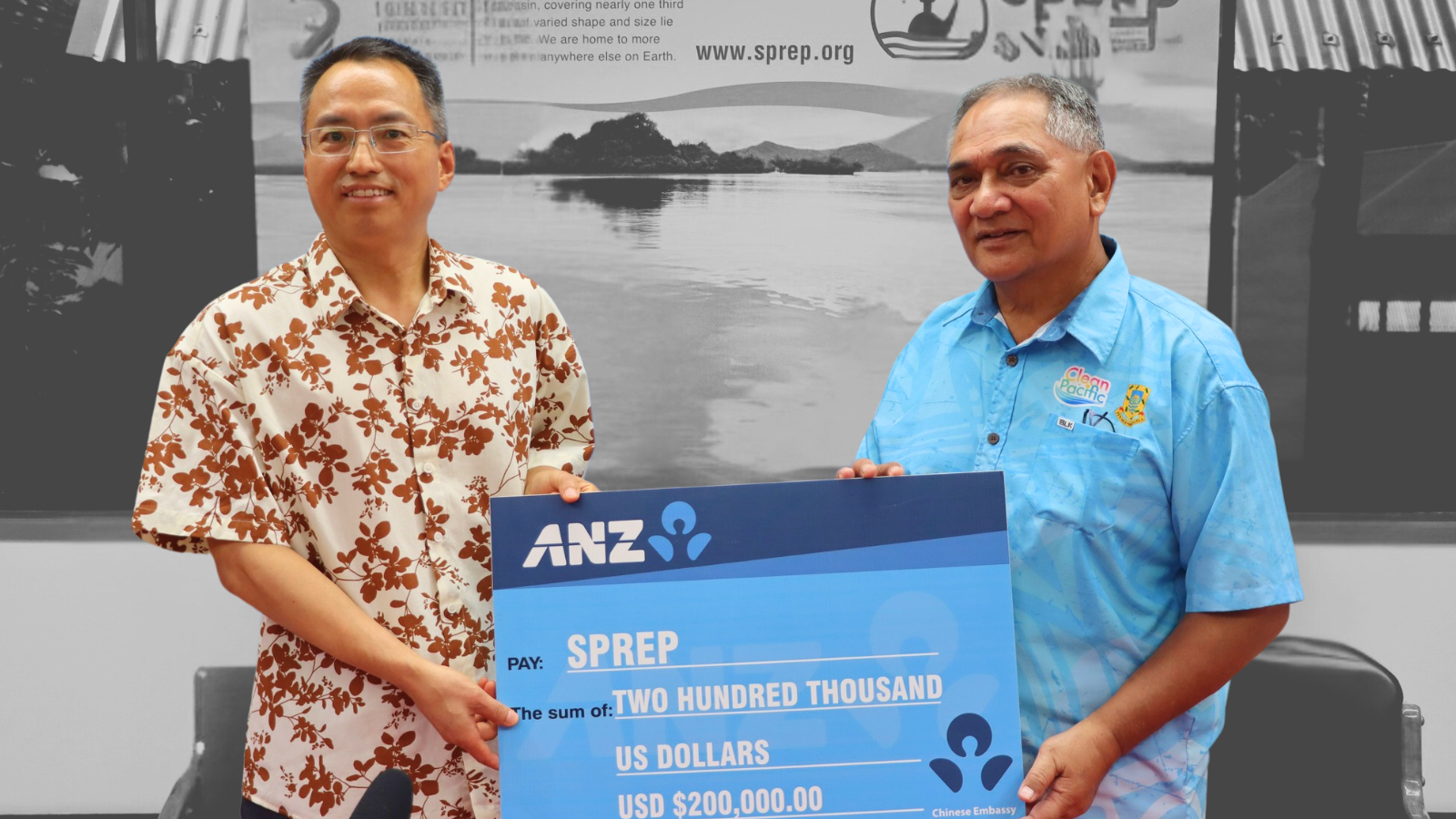
China presented financial assistance to SPREP for climate change resilience and environmental protection. Chinese Ambassador Fei Mingxing and Clark Peteru of SPREP are pictured at the presentation in Apia. Photo/SPREP
Aiono says with the US vacating key roles and funding, that China stepping in to fill the void was inevitable. He also says Australia has “upped its game”, increasing funding in the Pacific.
“That's fantastic but it's not going to meet the shortfall that has happened with the US withdrawal,” Aiono says.
“I think we welcome the contribution from China. In the Pacific, we're friends to all, and whoever comes with the assistance and the funding, we will listen and accept.”
In a statement, Professor Sir Collin Tukuitonga, Chair of the Pacific Academy of Sciences Board from the University of Auckland, says the congress signals a new era.
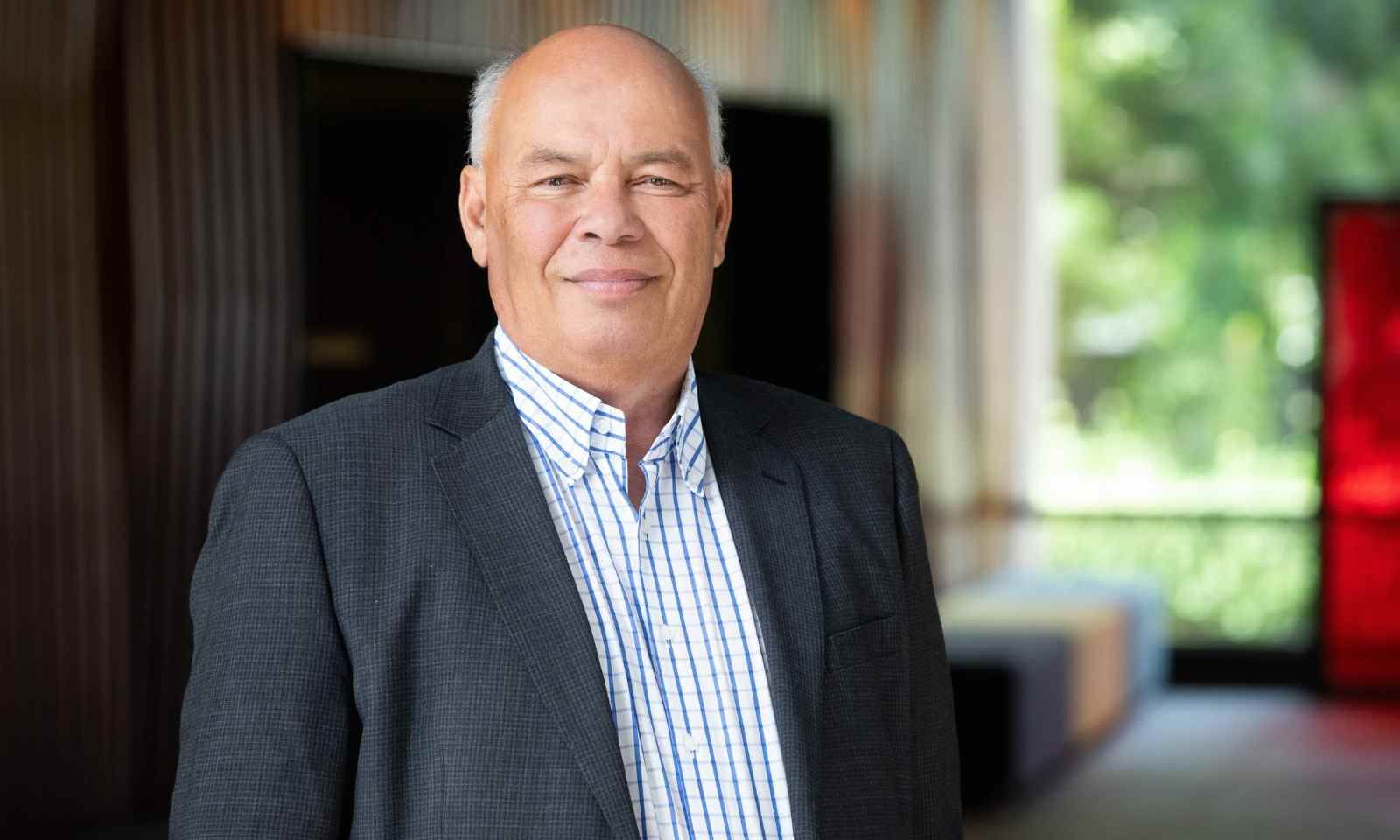
Professor Sir Collin Tukuitonga. Photo/University of Auckland
“One where our region sets the agenda, builds capacity on our terms, and turns research into solutions that serve our people,” Tukuitonga says.
Professor Sir Ashley Bloomfield, one of the keynote speakers, says strong regional institutions are essential to protect well-being across generations in the face of climate and health challenges.
“Evidence informed policy, strong regional institutions, and genuine partnership with Pacific researchers and communities will be essential to build resilience and protect well-being across generations,” Bloomfield says.

Professor Sir Ashley Bloomfield. Photo/Pacific Academy of Sciences
Looking ahead, Ekeroma says success will be measured by tangible outputs such as the number of research papers and young researchers nurtured through the academy.
He hopes that within the next decade, these collaborations will lead to a more informed and educated population across the islands.
For more information on PASC, click here.