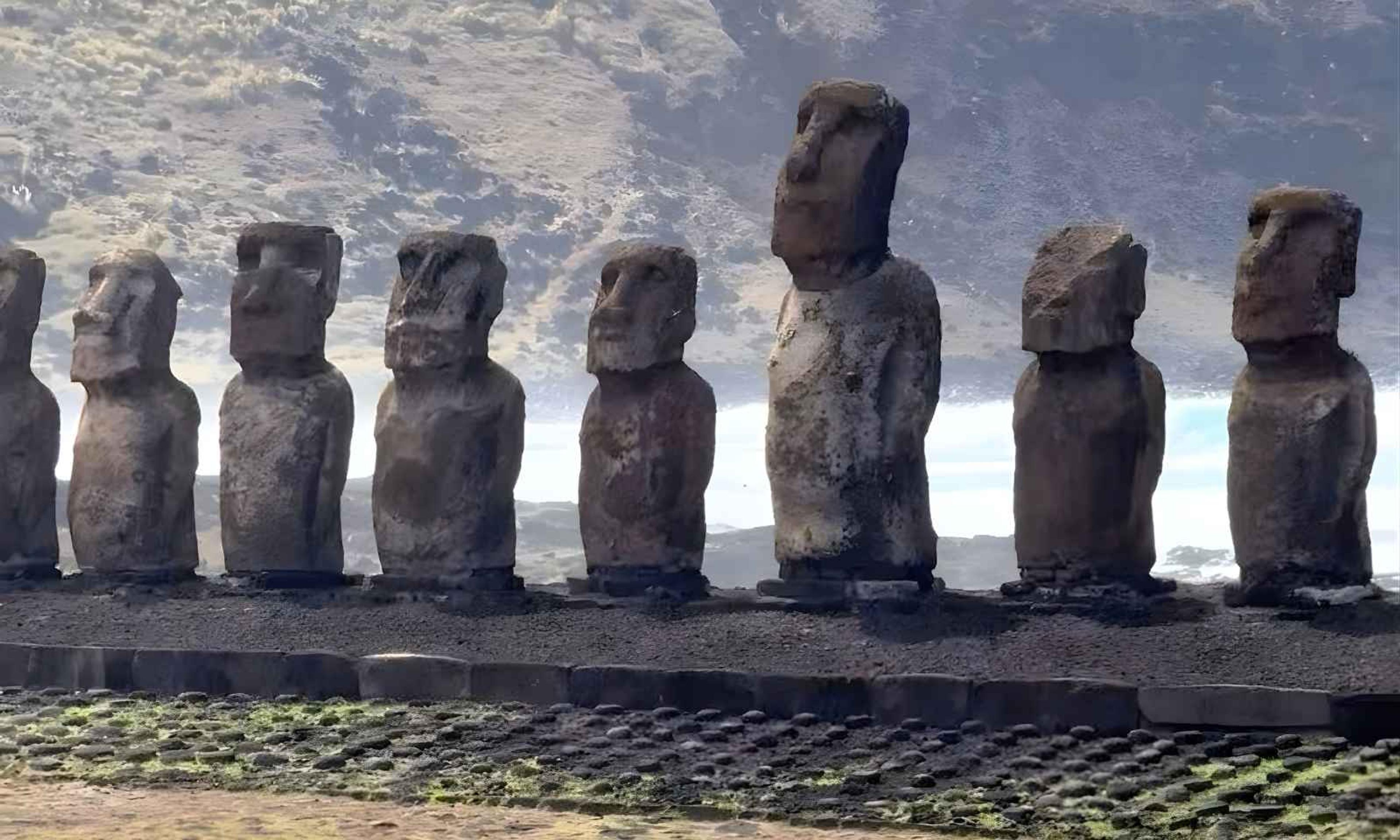
Archaeologists believe that the Moai statues were a representation of the ancient Polynesians' ancestors.
Photo/PMN News/Ala Vailala
Politics
Rapa Nui leaders push to reconnect with Polynesia as isolation grows post-pandemic
The island’s mayor says restoring air links and strengthening ties across the Pacific is now a priority.

'Alakihihifo Vailala
Published
11 March 2026, 5:26pm
Share
Copy Link
Top stories


Auckland teen turns a trip to Fiji into a mission to fight period poverty
Elenoa TuragaiviuThu, 15 Oct
Top stories
Auckland teen turns a trip to Fiji into a mission to fight period poverty
Elenoa TuragaiviuThu, 15 Oct
Rapa Nui sits at the eastern edge of the Polynesian world but its leaders say the island is becoming increasingly cut off from the Pacific family it belongs to.
Local leaders warn the remote island risks growing more isolated as limited air connections and heavy reliance on mainland Chile make it harder to maintain links with the wider Polynesian region.
Speaking to PMN News during New Zealand Foreign Minister Vaovasamanaia Winston Peters’ visit to Rapa Nui, the island’s mayor, Elizabeth Arevalo Pakarati, said rebuilding those connections has become a priority.
“For many years, we stopped the connection to the rest of Polynesia. But we are part of the Polynesian people,” Pakarati says.
“So this is a way for us to start a future cooperation between our cultures and, of course, why not in an economic way we can find with this visit.”
Rapa Nui is one of the most remote inhabited islands in the world, located about 3700 kilometres west of mainland Chile and roughly 4200 kilometres east of Tahiti in French Polynesia. It is just over 7000km from Aotearoa.
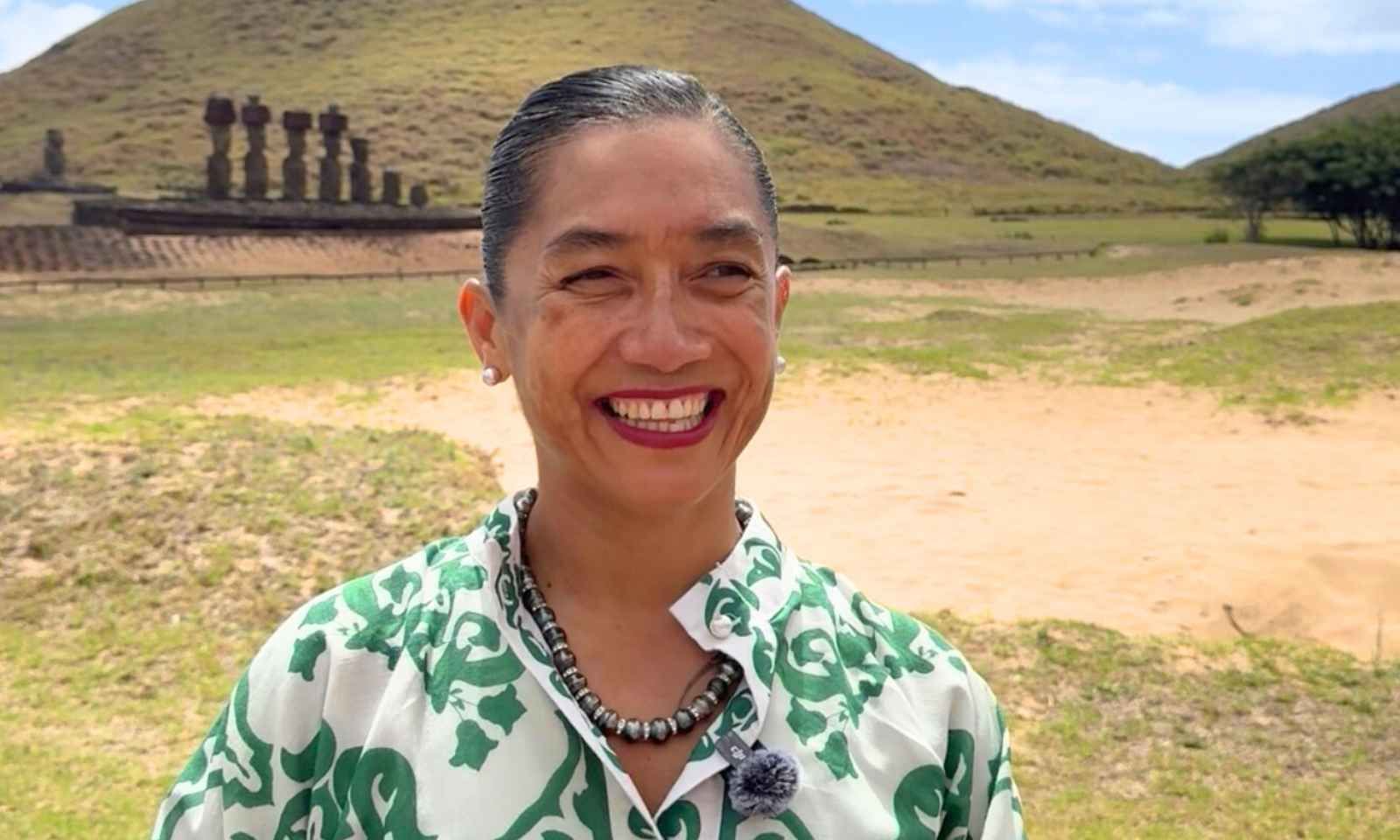
As of March 2026, Elizabeth Arévalo Pakarati is the Mayor of Rapa Nui (Easter Island), having taken office on December 6, 2024. Photo/PMN News/Ala Vailala
Although the island is politically part of Chile, the Rapa Nui people are ethnically Polynesian and share strong cultural and linguistic ties with communities across the Pacific including Aotearoa, Tahiti and Hawai‘i.
Peters’ visit carried symbolic weight. New Zealand sits at the western edge of the Polynesian triangle while Rapa Nui marks its eastern tip, linking one of the largest cultural regions on earth.
During his visit, Peters announced a new training initiative for the island’s tourism sector.
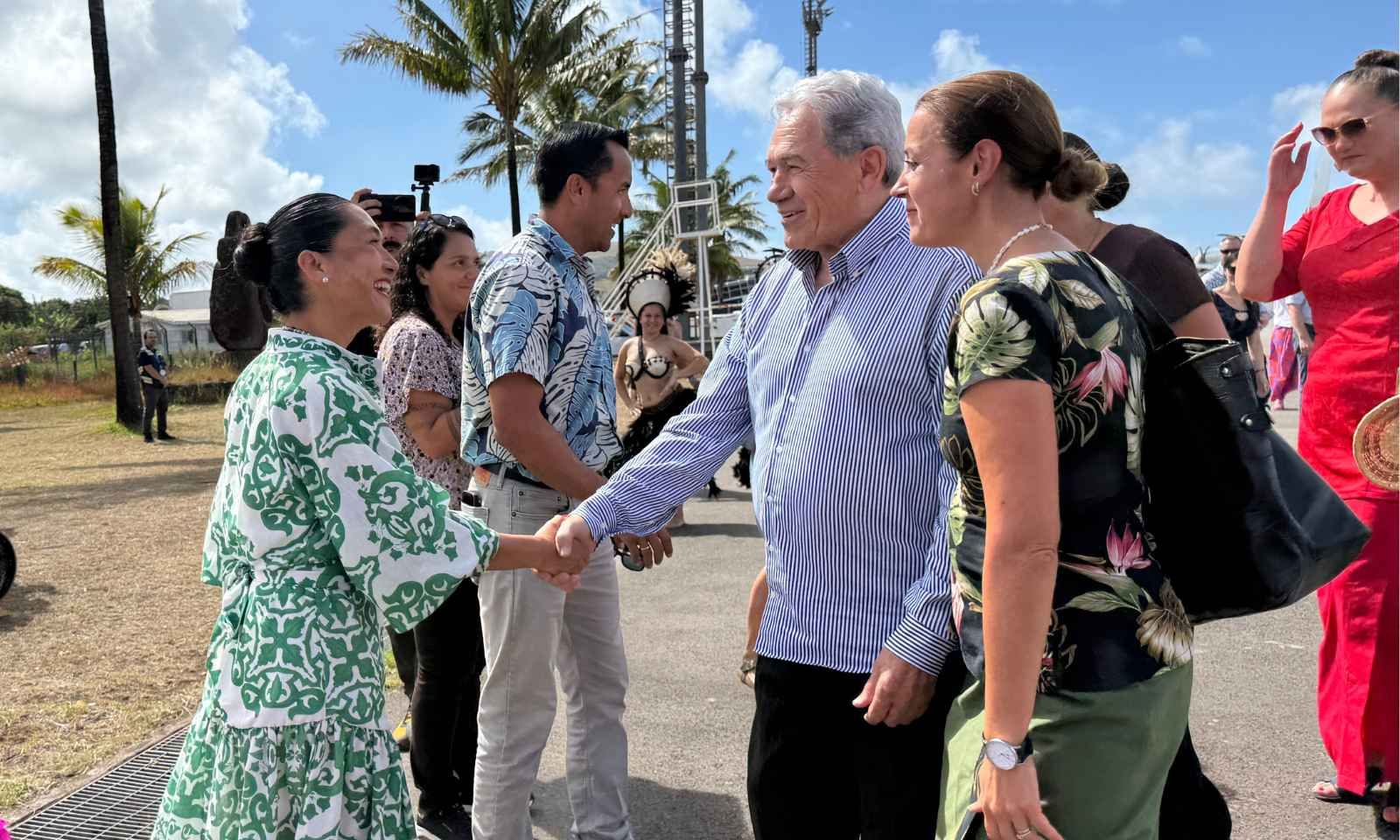
Winston Peters meets with the mayor of Rapa Nui. Photo/PMN News/Ala Vailala
“We are pleased to announce that New Zealand will fund a four-week English Language and Tourism Training Program for Rapa Nui tourism professionals,” Peters said during a lunch held on Rapa Nui.
“The training will take place in New Zealand and will strengthen English language capability alongside business and tourism skills with a particular focus on indigenous enterprise and cultural stewardship.”
The island has a population of of about 8600 people and relies heavily on tourism, which brought close to 100,000 visitors a year before the Covid-19 pandemic.
But Rapa Nui’s extreme isolation means flights are an important lifeline.
The island’s main commercial connection today is a LATAM Airlines route linking Hanga Roa with Santiago, Chile, meaning most travellers must pass through mainland Chile to reach the island.
Before the pandemic, LATAM also operated flights between Rapa Nui and Tahiti, which provided a direct link to the rest of Polynesia.
Listen to Elizabeth Arévalo Pakarati's full interview below.
The route has not resumed, reportedly due to commercial airline decisions and uncertain passenger demand.
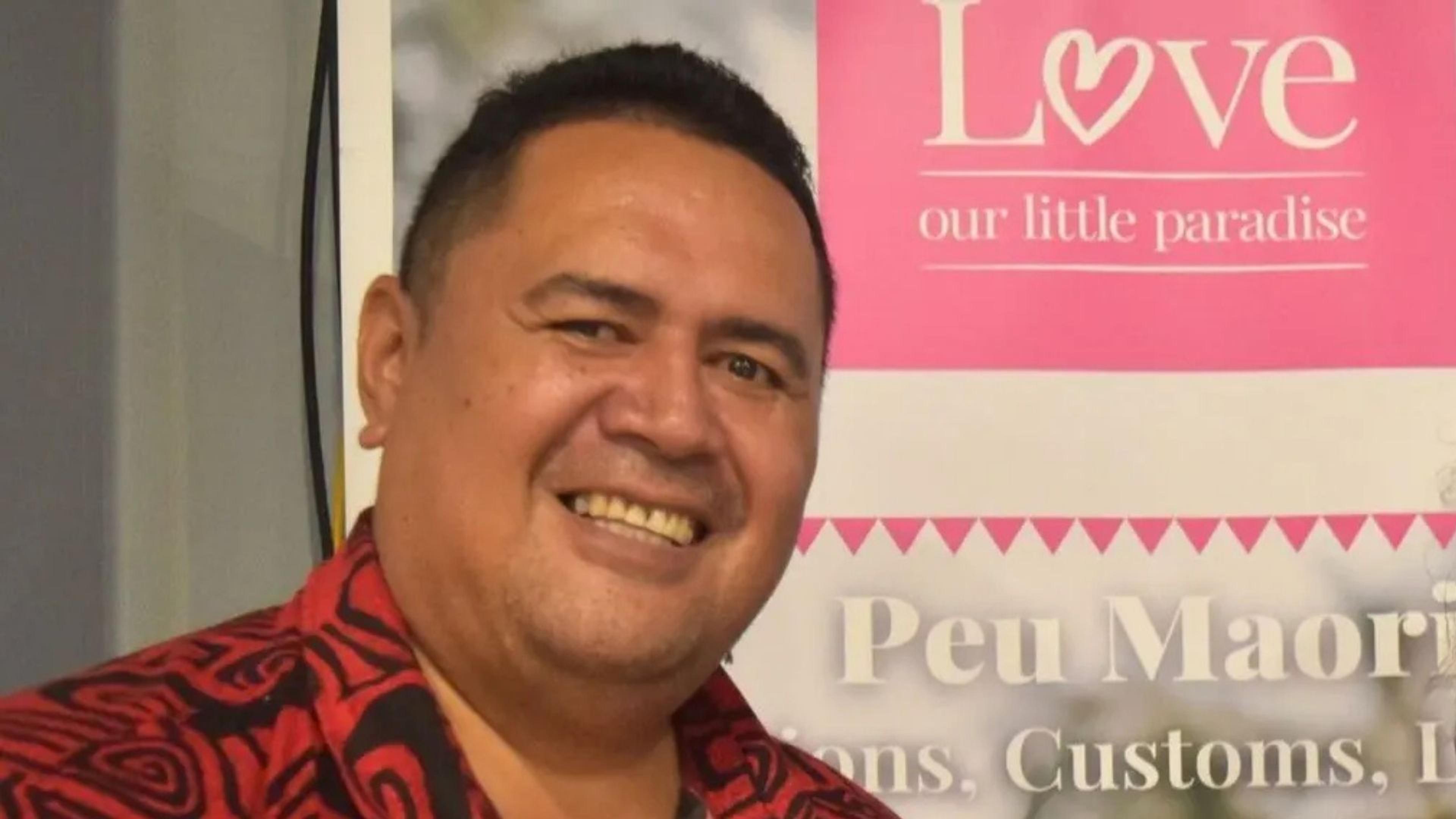
For many residents, the reliance on air and sea transport affects daily life. Sofia Olave Huke, who works for Mauhenua, the local organisation that administers the island’s national park, says the pandemic showed how vulnerable the island could be.
“Especially in the pandemic, we could see how left out we were because of the no airplanes and everything,” she told PMN News.
“Now in the summertime, the challenges that come from that are like maybe that things run out, let's say sugar, flour, whatever, and we depend a lot on the plane or the ship.
“But at the same time, we learn how to live here, as in to grow our own food.”
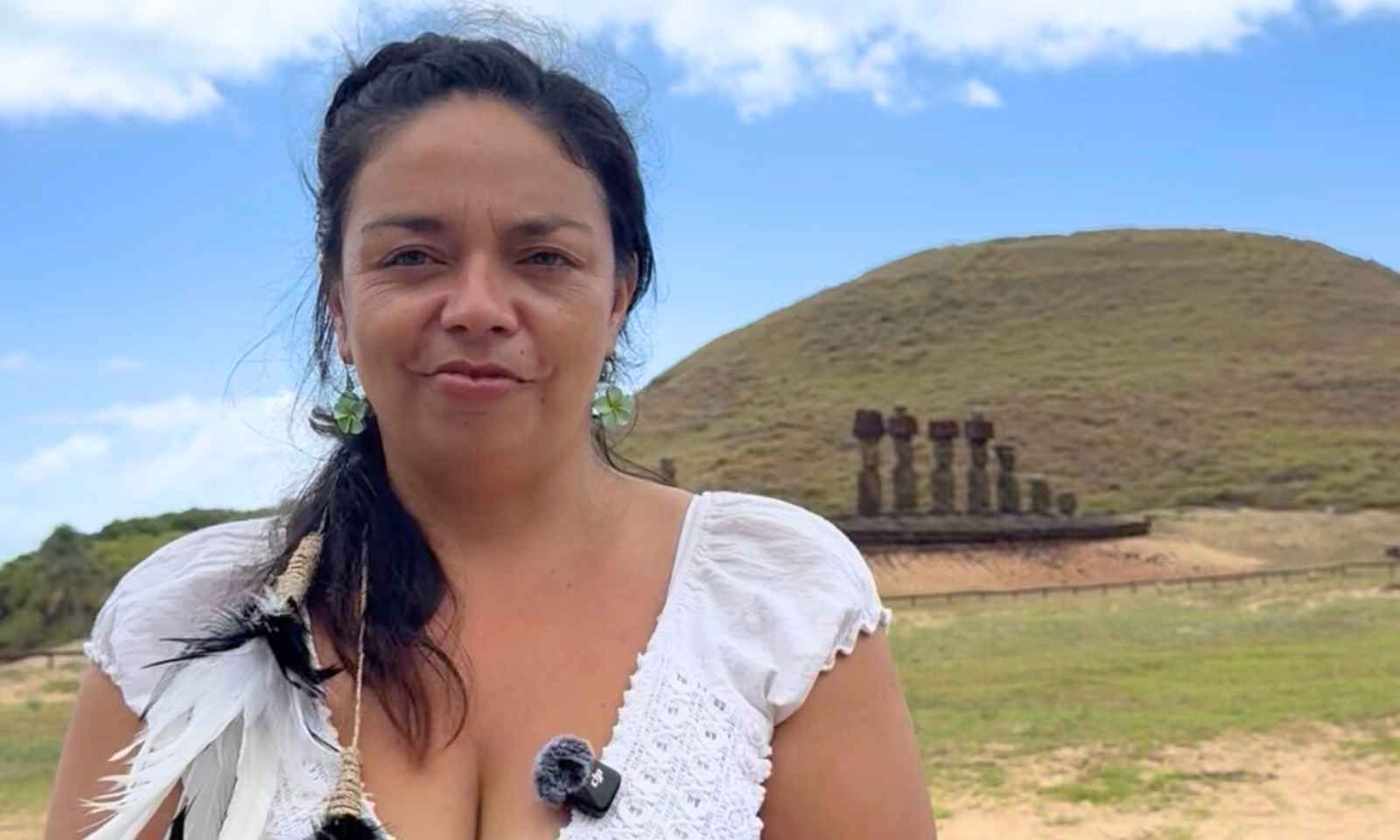
Sofia Olave Huke. Photo/PMN News/Ala Vailala
Local leaders say reconnecting with Polynesia could help the island balance its economic needs with its cultural identity.
For Pakarati, the goal is simple: ensuring Rapa Nui remains part of the wider Pacific community.
“Polynesia is a territory that’s so big and has so much to exchange in tourism, the environment and cultural ties,” she said. “We have to stay connected.”