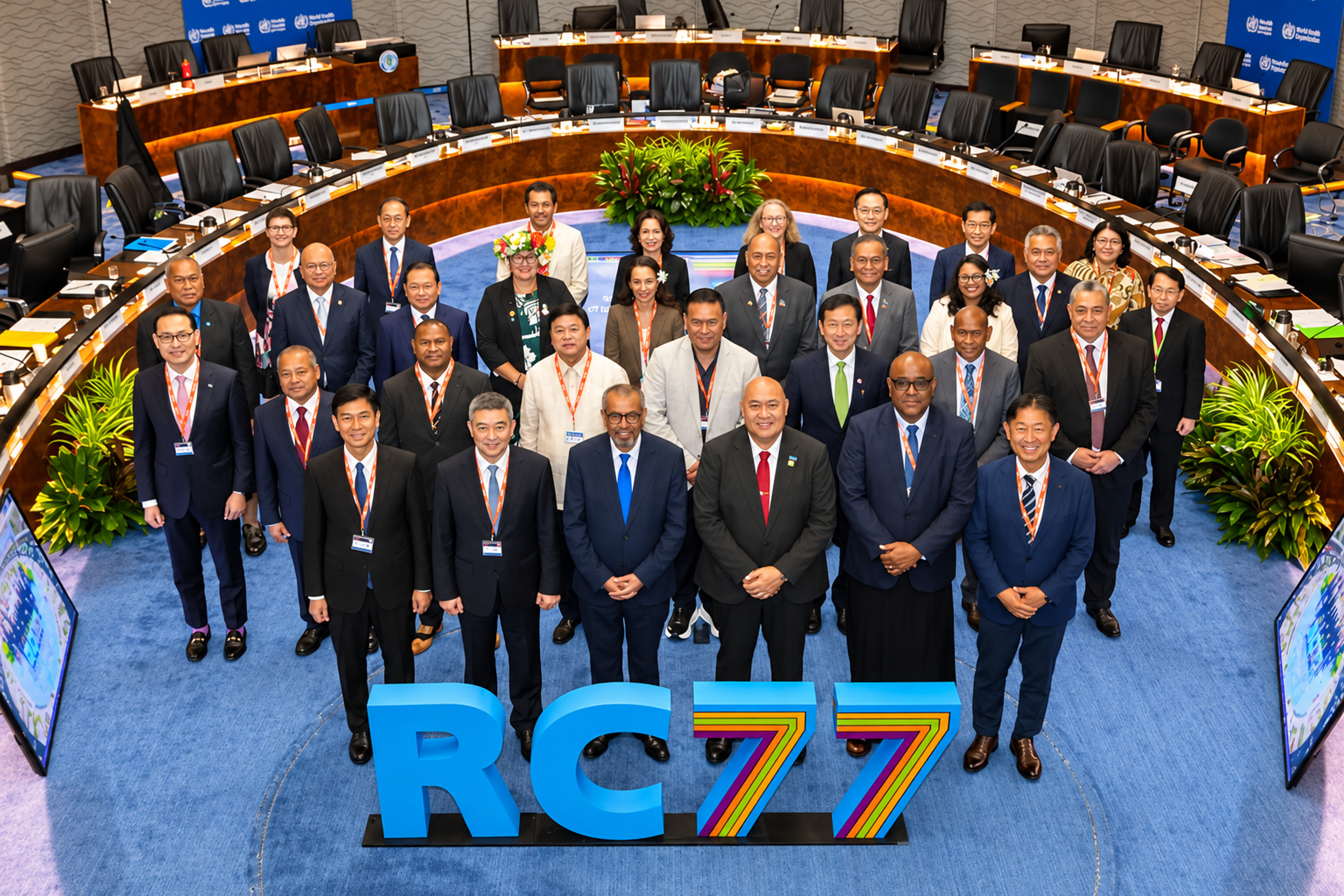
High blood pressure a silent killer, Solomon Islands calls for stronger action
Lachlan EddieFri, 23 Oct
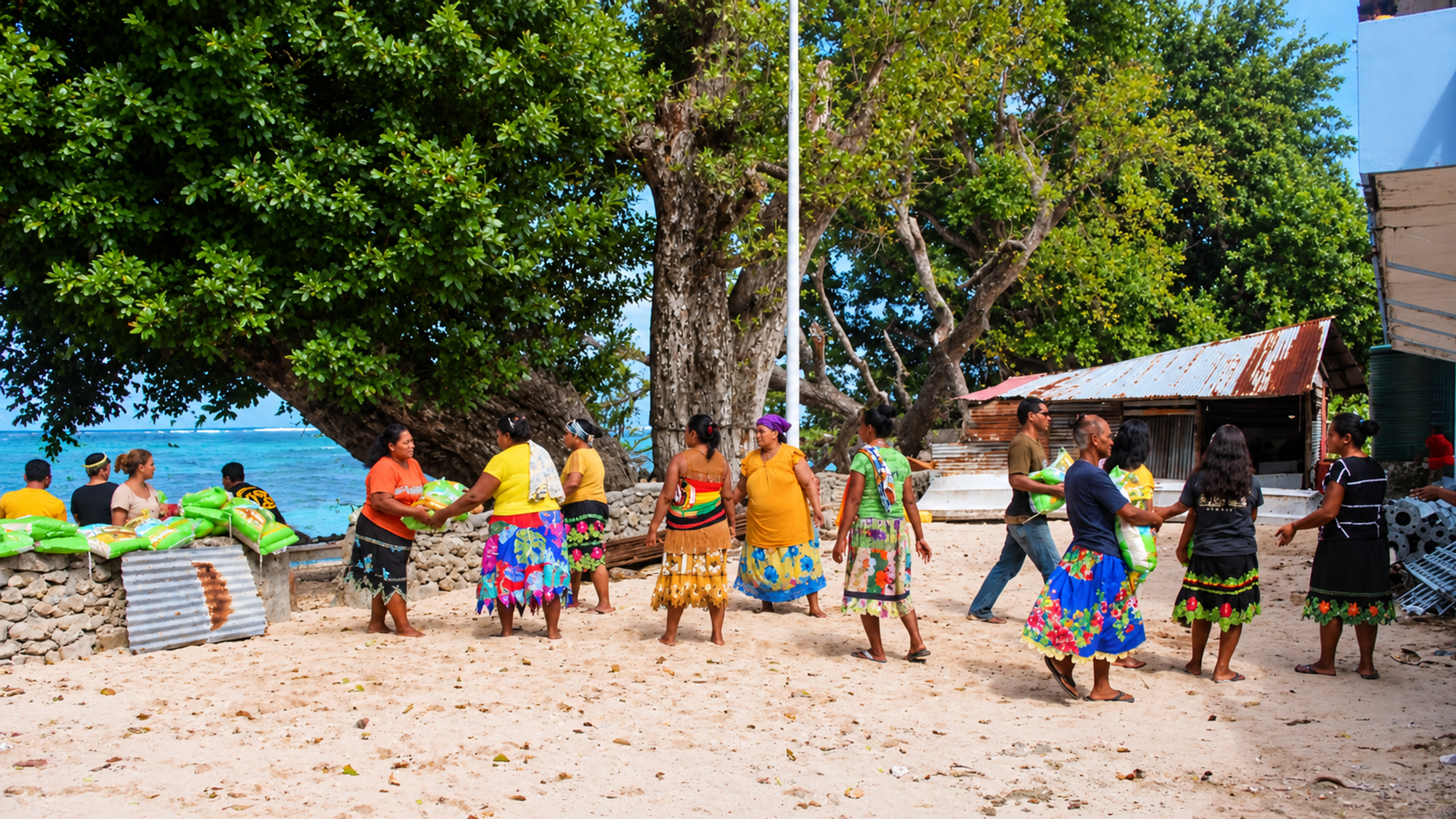
El Niño is strengthening across the Pacific, bringing hotter, drier conditions and putting pressure on crops, water supplies and communities.
Photo/International Organizaton for Migration/
Meteorological agencies across the Pacific are warning of the impacts the 2026-2027 El Niño will bring, with several countries already reporting drought conditions and water shortages.


Climate scientists indicate El Niño conditions are strengthening across the central Pacific, raising concerns about below-normal rainfall, higher temperatures and increased drought risk in many island nations.
El Niño is a natural climate pattern that occurs when sea surface temperatures in the central and eastern Pacific Ocean become warmer than average, affecting wider weather patterns.
In Sāmoa, the Meteorology Division of the Ministry of Natural Resources and Environment is urging government agencies, businesses, communities and households to prepare for prolonged dry conditions.
Recommended measures include conserving water, protecting crops and livestock, avoiding unnecessary burning during dry conditions and safeguarding vulnerable people from heat-related illnesses.
The Meteorological Division says the conditions could place pressure on water supplies, agriculture, public health, energy production and the natural environment.
"El Niño also influences tropical cyclone activity across the Southwest Pacific, and Sāmoa faces an elevated risk of tropical cyclone impacts during the 2026-2027 cyclone season."
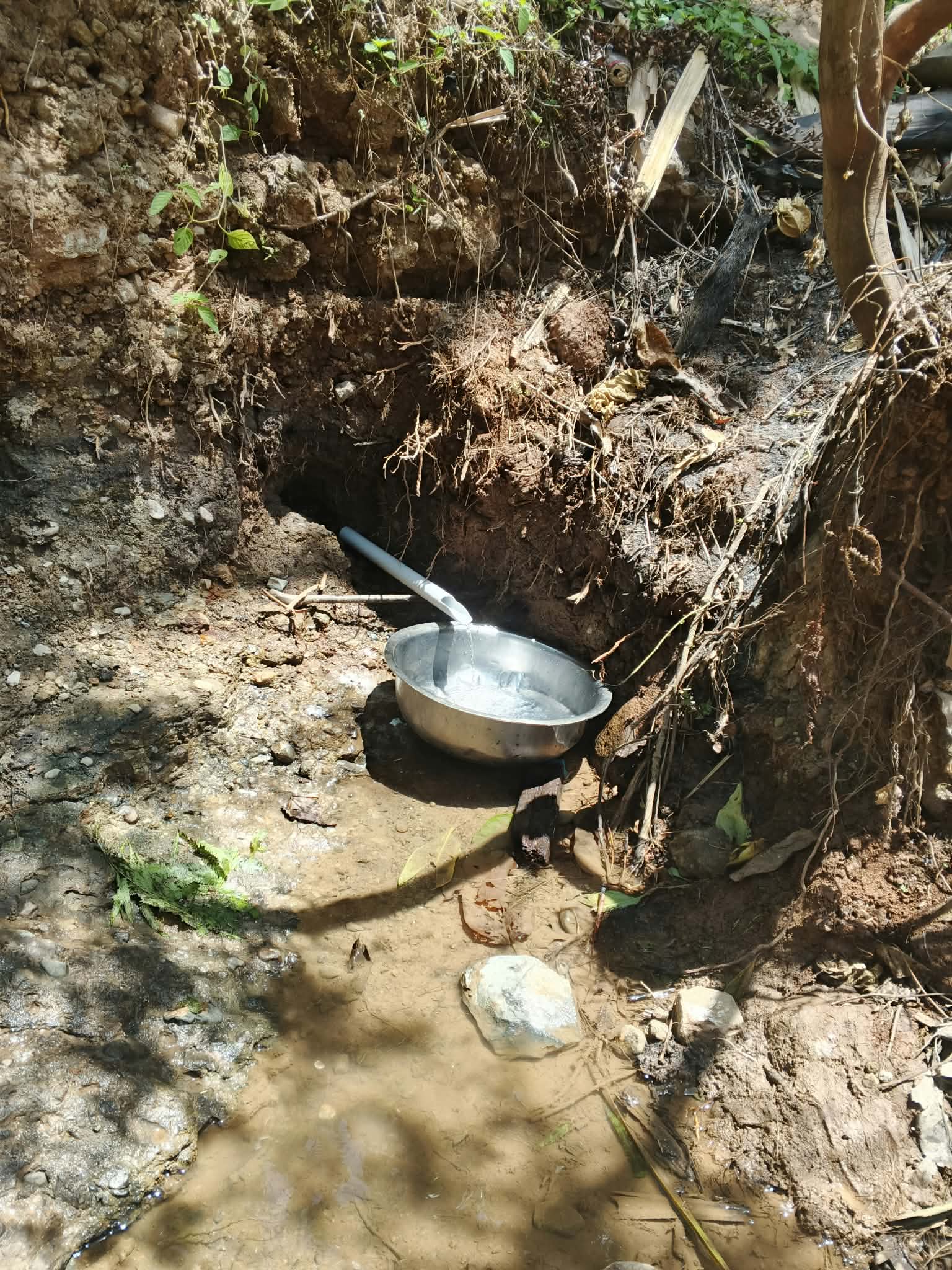
One of the water sources in Gizo Town, Solomon Islands, has dried up as prolonged dry conditions linked to El Niño continue to affect parts of the Pacific. Photo/Lorina Tulo Eddie.
The Division says rainfall has steadily declined.
"Most meteorological observation stations in July recorded normal to below-normal rainfall, followed by well-below-normal rainfall in August, making it one of the driest months on record in Sāmoa. September rainfall ranged from normal to below normal," the statement said.
As Sāmoa approaches the 2026-2027 tropical cyclone season, communities are being urged to remain prepared for severe weather and tropical cyclones regardless of prevailing El Niño conditions.
In Palau, Island Times has reported the country has officially entered drought conditions and is under Stage One of its National Drought Action Plan.
Maria Ngemaes, from Palau’s National Weather Service, says there has also been little to no rainfall recently, and the conditions could continue through early next year.
The Solomon Islands Meteorological Service this week issued its first nationwide Meteorological Drought Warning, with prolonged dry conditions affecting all provinces.
According to an Island Sun report Billy Veo, Premier of the Western Province, says the provincial government has requested additional support, including ten 3,000-litre water tanks to support water distribution across Gizo.
"Currently, we have only one water truck that is functioning. The other one requires repairs, so we are requesting two additional water trucks from the national government.
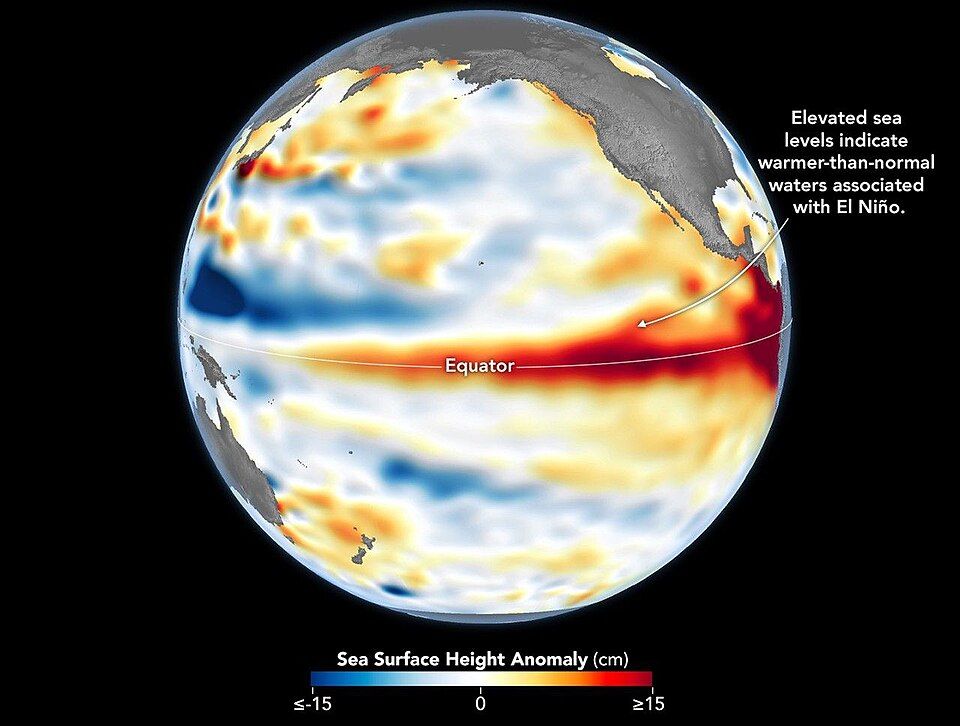
Higher-than-normal sea surfaces (red) are visible in the central and eastern Pacific on June 8, 2026, a few days before El Niño was declared. Photo/NASA Earth Observatory/Lauren Dauphin/
"The plan is for the water trucks to refill the tanks at scheduled times so that people can access water."
In a statement, climate expert Exsley Taloiburi says early planning is crucial to minimise humanitarian, economic, water and food security impacts.
“The business-as-usual reactive responses are insufficient.”
He says the latest El Niño system demands proactive, decisive political action that updates lessons from previous weather events for a hotter climate, tighter aid environment and a larger population.
Government, meteorological services and disaster authorities in the Pacific are monitoring conditions and preparing response measures to reduce the impacts of the prolonged climate event.