

While tourism continues to drive the economy, a local hotel boss says businesses are now facing another challenge - finding workers and housing them.
Photo/Cook Islands Tourism
Pacific Region
Tourism is booming but Cook Islands families are still feeling the pinch, hotel boss says
A 50-cent minimum wage rise has been welcomed but Liana Scott says rising power bills, water charges and labour shortages remain the bigger challenge for households and businesses.
Renate Rivers
Published
09 July 2026, 5:12pm
Share
Copy Link
The Cook Islands’ tourism industry may be enjoying one of its strongest seasons in years but a leading hotel operator says many families and businesses are still struggling with the rising cost of living.
Liana Scott, the General Manager of Muri Beach Hotel, says the recent 50-cent increase to the minimum wage is a positive step, but it does little to address the everyday costs placing pressure on households.
“It’s not about wages,” Scott tells William Terite on Pacific Mornings. “If there are measures that government can introduce, that actually can support that cost of living reduction, then there’s of course things that they can do.”
Scott says the biggest pressures are power, water and the high cost of imported goods.
She says households and businesses are now paying for water for the first time, while electricity costs remain significantly higher than in New Zealand.
“Five, six times more than you pay in New Zealand. And that’s without a dishwasher, and without a dryer,” Scott says.
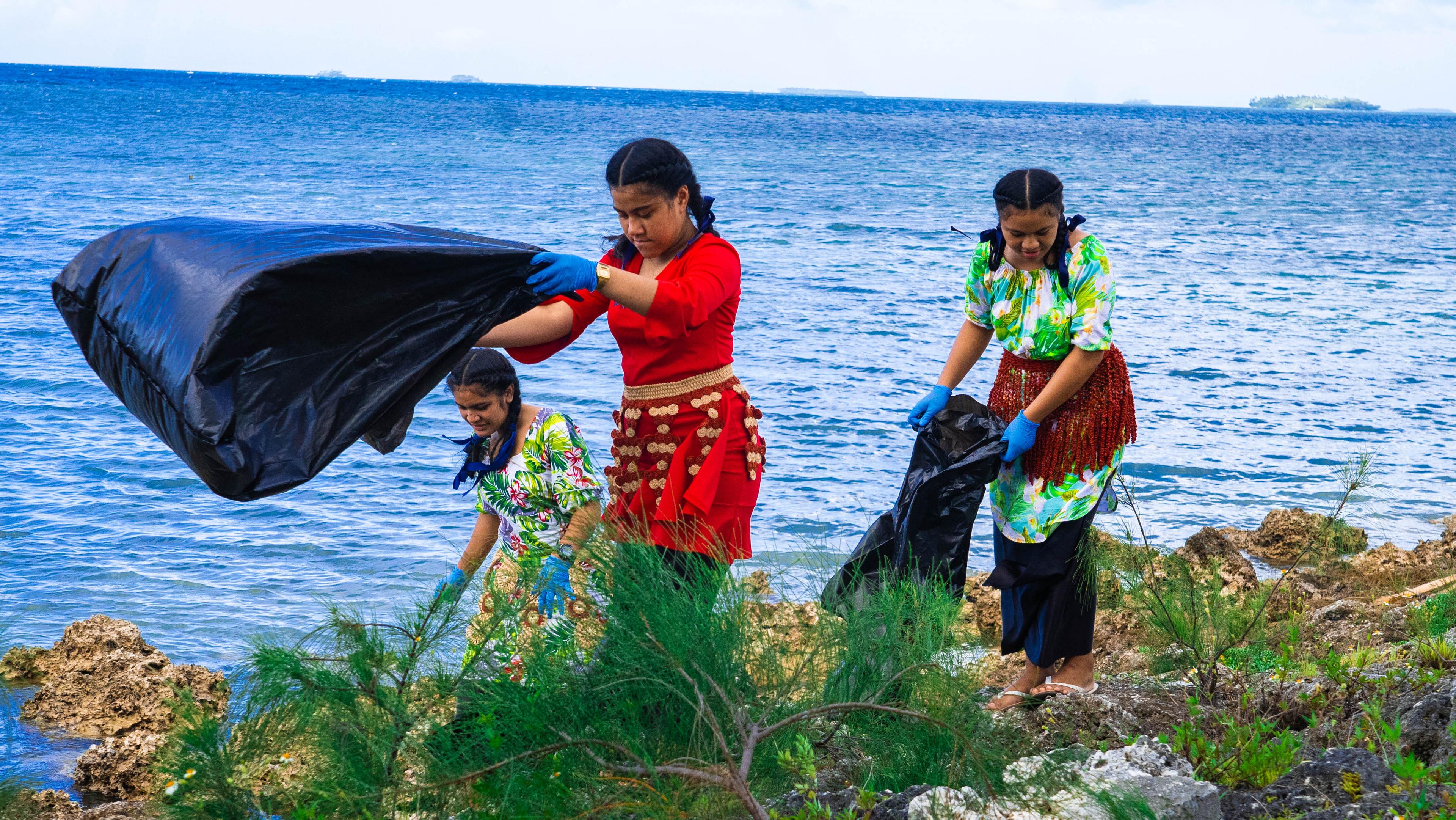
Frontline tourism workers in the Cook Islands. Photo/File.
The Cook Islands government’s latest Budget includes a $2.5 million subsidy for the water network, a $673,333 household water allowance and a $7.5m Energy Response Support Fund for 2026/27.
But Scott believes reducing power prices and import duties would provide longer-term relief.
About 90 per cent of goods sold in the Cook Islands are imported, she says. Budget figures show imports rose 19 per cent to a record $327.2m in the year to June 2025, with most coming from New Zealand.
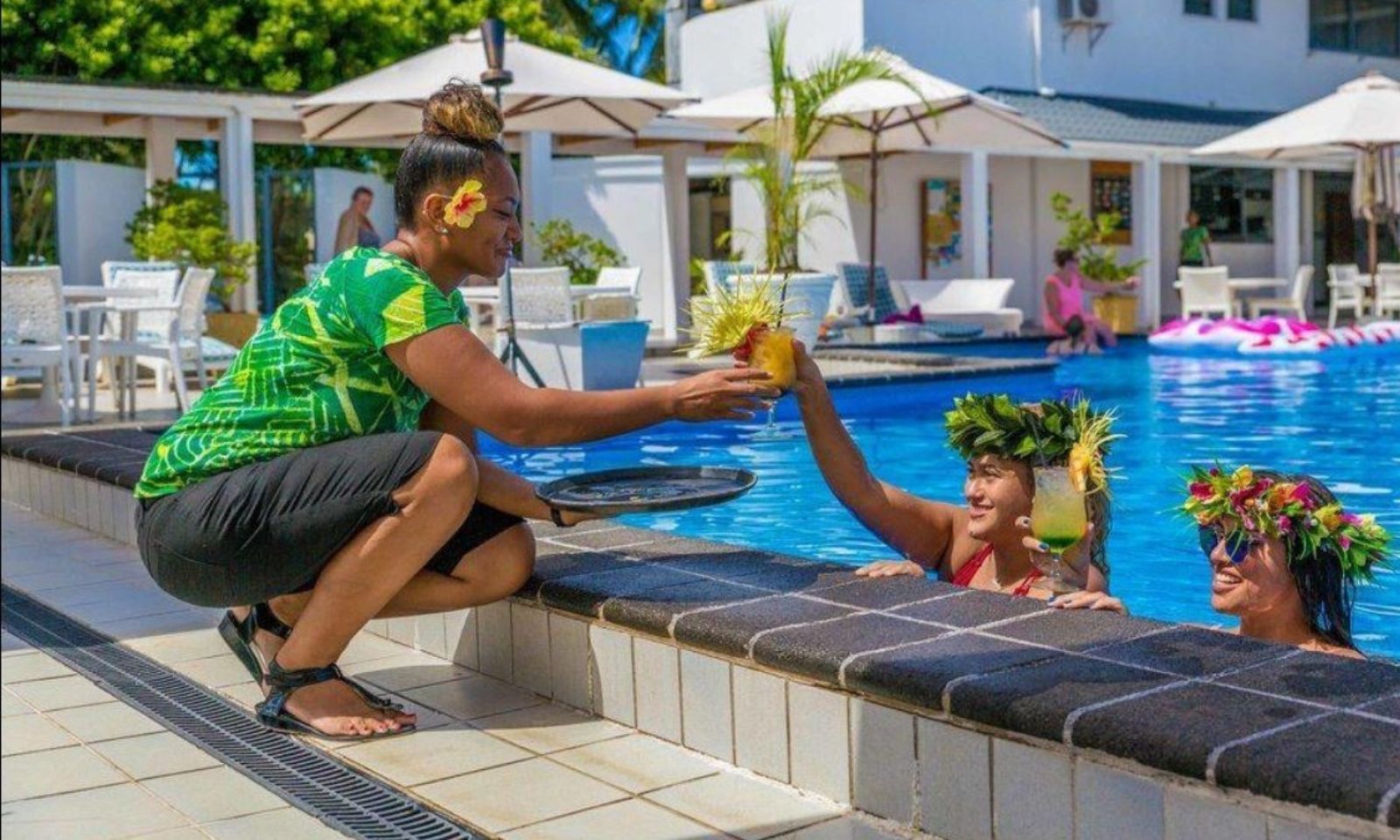
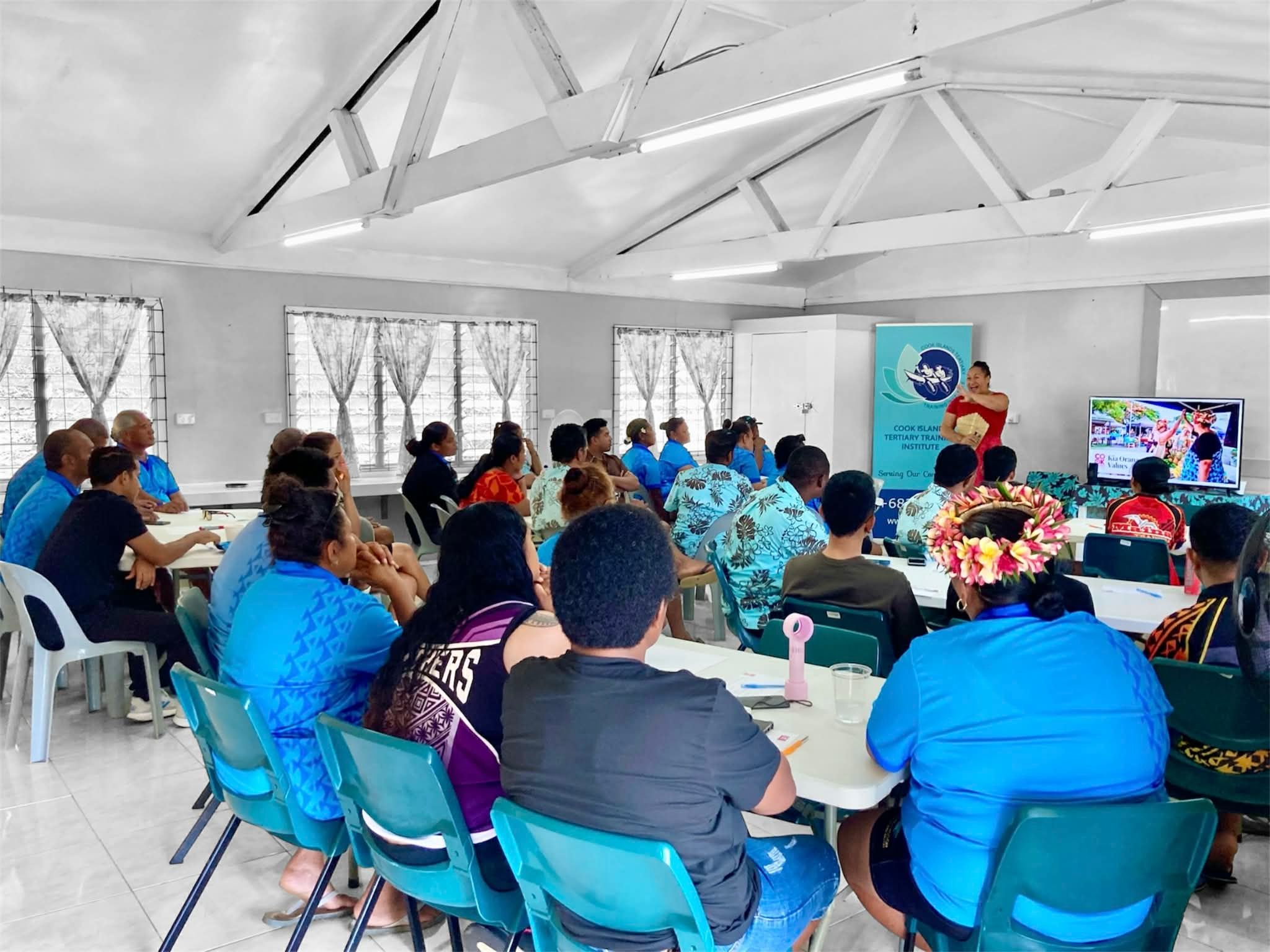
Many tourism businesses now rely on workers from Fiji, the Philippines and Indonesia, but bringing them to the Cook Islands comes with high costs. Photo/File.
While tourism continues to drive the economy, Scott says businesses are now facing another challenge - finding workers and housing them.
Visitor numbers reached 175,757 in the year to June 2025, putting pressure on accommodation, rental vehicles and the local workforce.
Many tourism businesses now rely on workers from Fiji, the Philippines and Indonesia, but bringing them to the Cook Islands comes with high costs.
“We are having big problems with long term accommodation where it’s so scarce that it’s becoming more and more expensive to rent long term,” Scott says.
She says those earning the minimum wage are finding it increasingly difficult to get by.
With the Cook Islands heading to the polls on 12 August, Scott is also calling for the next government to look closely at the size of the public service.
Listen to Liana Scott's interview below.
“What we’d like to see as a private sector is actually a bit of a reduction in the numbers that government is currently holding in terms of public sector staff,” Scott says. “I know that in New Zealand, they’ve been talking about making some reductions. But I see us going the other way here.”
Budget figures show government spending on staff is expected to rise from $84.7m to $92.6m in 2026/27 as salaries increase across the public sector.
Prime Minister Mark Brown has cited the tourism rebound as a sign the economy is tracking well.
Scott says tourism is creating opportunities for the Cook Islands but unless the cost of living is brought under control, many households and businesses will continue to feel the pressure despite the industry’s success.