
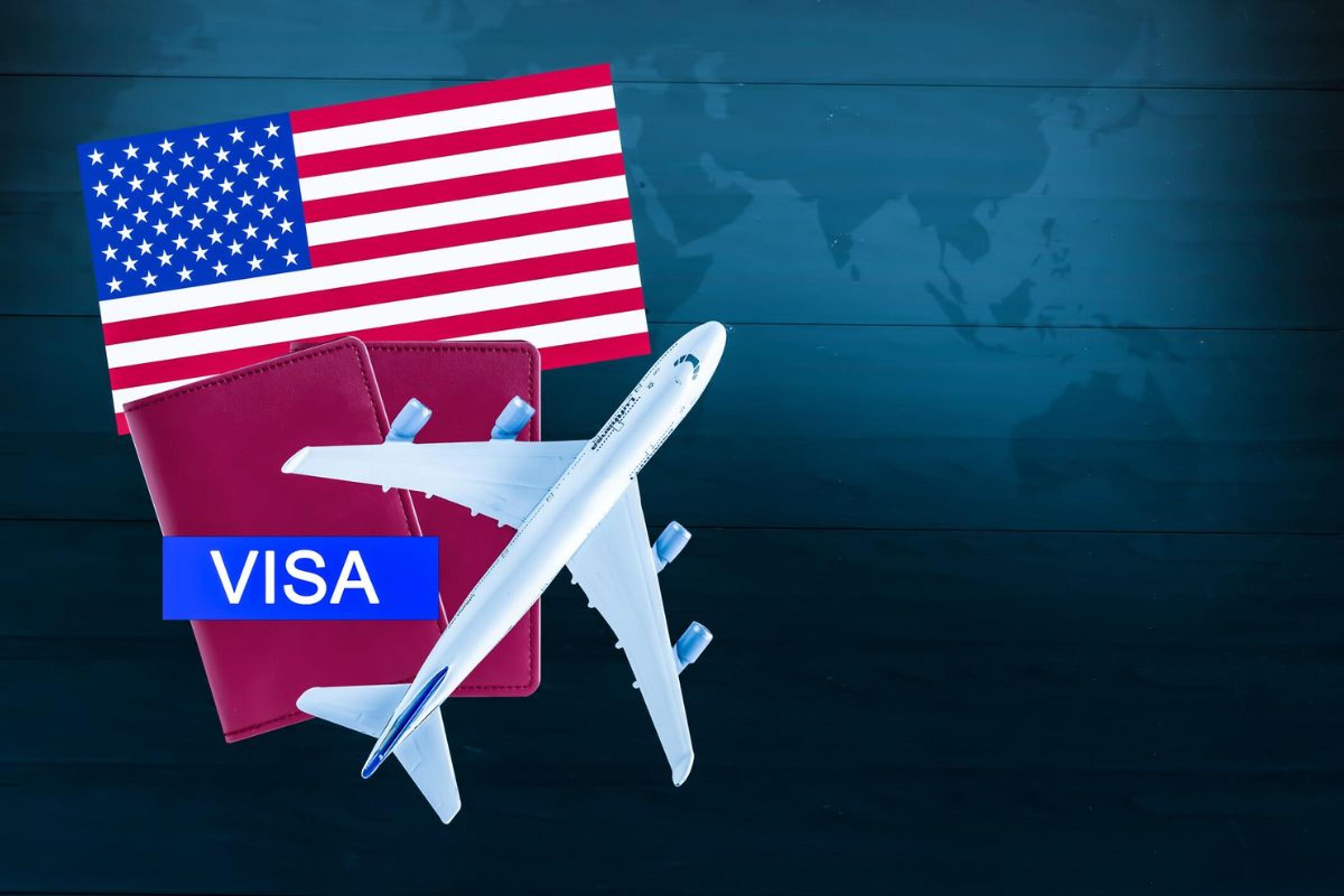
New US visa bond requirements are set to affect Pacific travellers from Fiji, Tonga, Tuvalu, and Vanuatu. Bonds of up to US$15,000 may be required before travel.
Photo/Vecteezy
Pacific Region
Pacific travellers face high costs and strict rules under US visa bond expansion
Fiji, Tonga, Tuvalu, and Vanuatu are among the island nations affected by the new requirements taking effect this month.

Christine Rovoi
Published
13 January 2026, 10:08am
Share
Copy Link
Top stories

Auckland teen turns a trip to Fiji into a mission to fight period poverty
Elenoa TuragaiviuThu, 15 Oct

Kiwi Ferns withstand Fiji Bulikula scare to seal late World Cup opening victory
Christine RovoiSun, 18 Oct
Top stories
Auckland teen turns a trip to Fiji into a mission to fight period poverty
Elenoa TuragaiviuThu, 15 Oct
Kiwi Ferns withstand Fiji Bulikula scare to seal late World Cup opening victory
Christine RovoiSun, 18 Oct
Pacific families and travellers are facing new barriers to visiting the United States as the US expands a controversial visa bond programme.
Citizens from Fiji, Tonga, Tuvalu, and Vanuatu may now be required to lodge refundable bonds of up to US$15,000 (NZ$26,000), raising concerns about affordability and access.
The US State Department has extended a pilot scheme launched in August 2025 to cover 38 countries.
From 21 January this year, selected applicants for B-1 business or B-2 tourist visas may be asked to post a bond of US$5000 (NZ$8660), US$10,000 (NZ$17,330), or US$15,000.
The exact amount is set by consular officers during interviews based on the perceived risk of overstaying. Payment does not guarantee visa approval.
Bonds are refunded if travellers meet all visa conditions. This includes departing the US before their authorised stay expires.
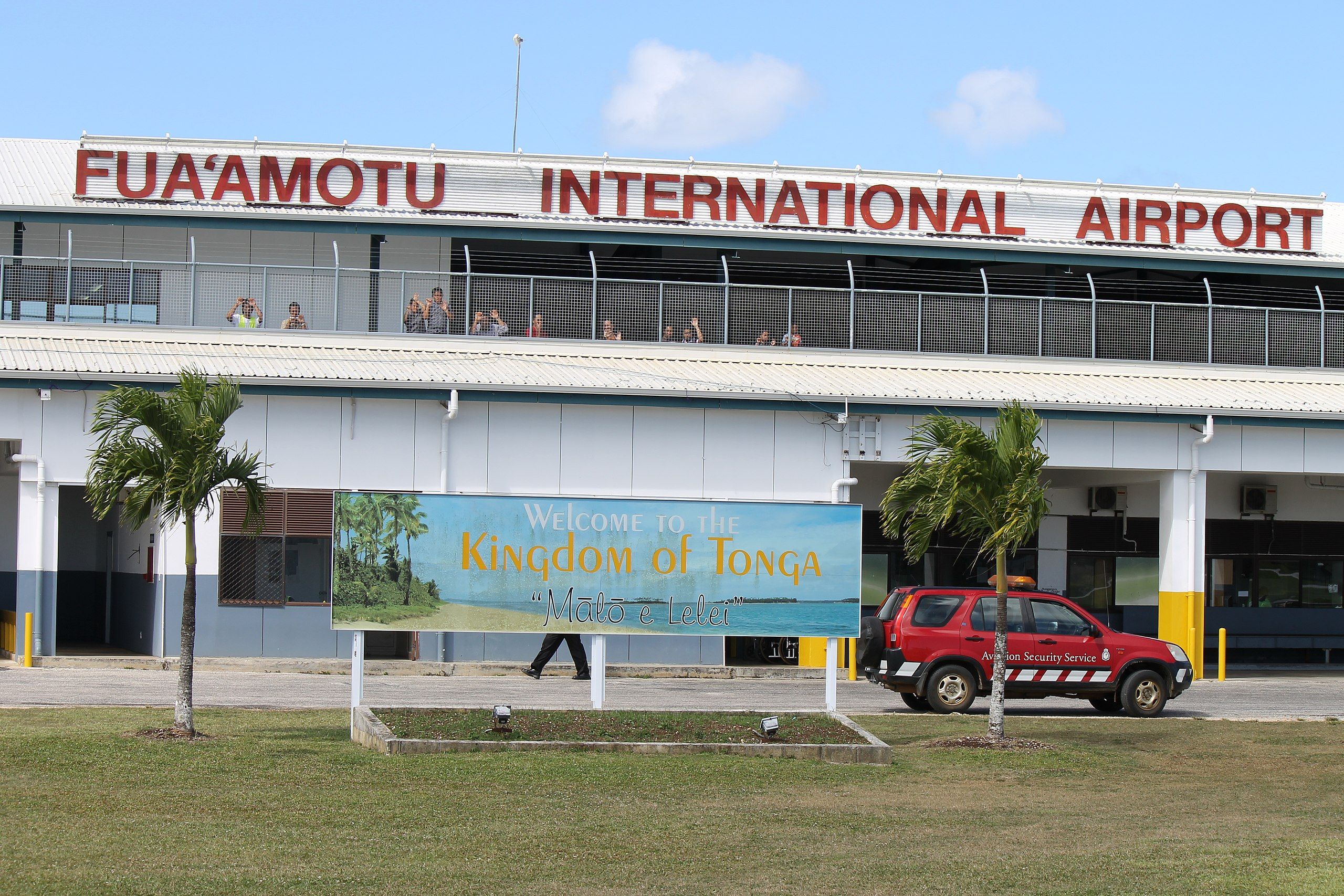
Fua’amotu International Airport, Tonga’s main gateway for international travel, now under the spotlight as US visa bond rules place new financial and logistical pressures on Pacific travellers. Photo/wikimedia/lirneasia
Those required to post a bond must enter and exit through Boston Logan, New York’s JFK, or Washington Dulles airports.
They are generally limited to 30-day stays, shorter than the standard six-month visitor visas.
Fiji Airways has warned the policy could significantly affect Pacific travellers.
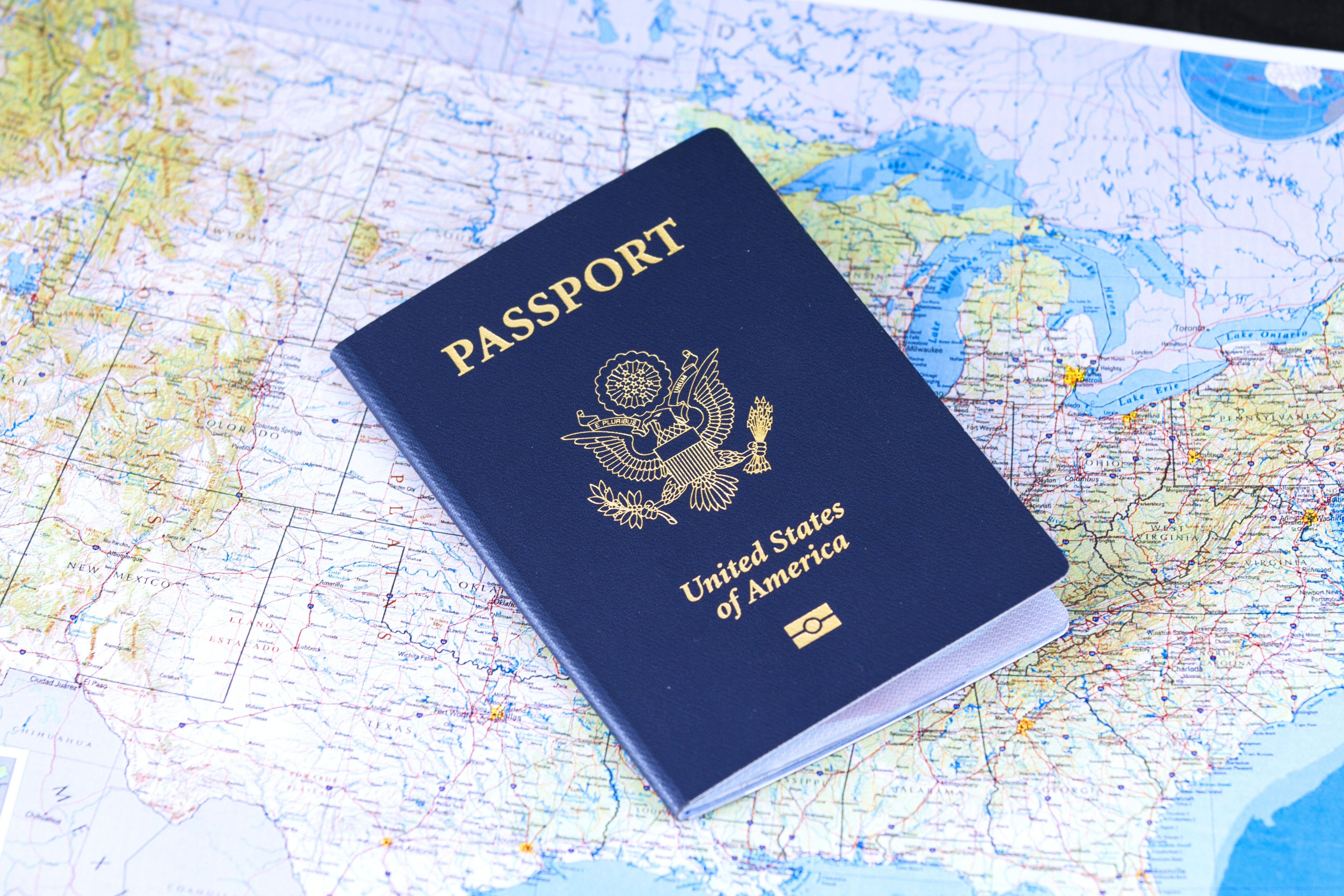
International travel now affected for Pacific travellers from Fiji, Tonga, Tuvalu, and Vanuatu under the expanded US visa bond programme. Photo/worldwidemigrationpartners.com
“We are concerned that this requirement may significantly affect the ability of Fiji nationals and nationals of other affected Pacific Island nations to travel to the United States,” an airline spokesperson told local media.
The airline is seeking urgent clarification from the US Embassy.
Pacific governments are also closely monitoring the changes.
Vanuatu’s Internal Affairs Minister Andrew Solomon Napuat says his government is reviewing the expansion and seeking more information from Washington.
“We want to ensure any new requirements are fair and do not unnecessarily restrict travel for our citizens while maintaining strong relations with the United States,” he told the ABC.
Tuvalu’s government has previously engaged the US over travel restrictions, seeking assurances that its citizens would not be unfairly barred from entry.
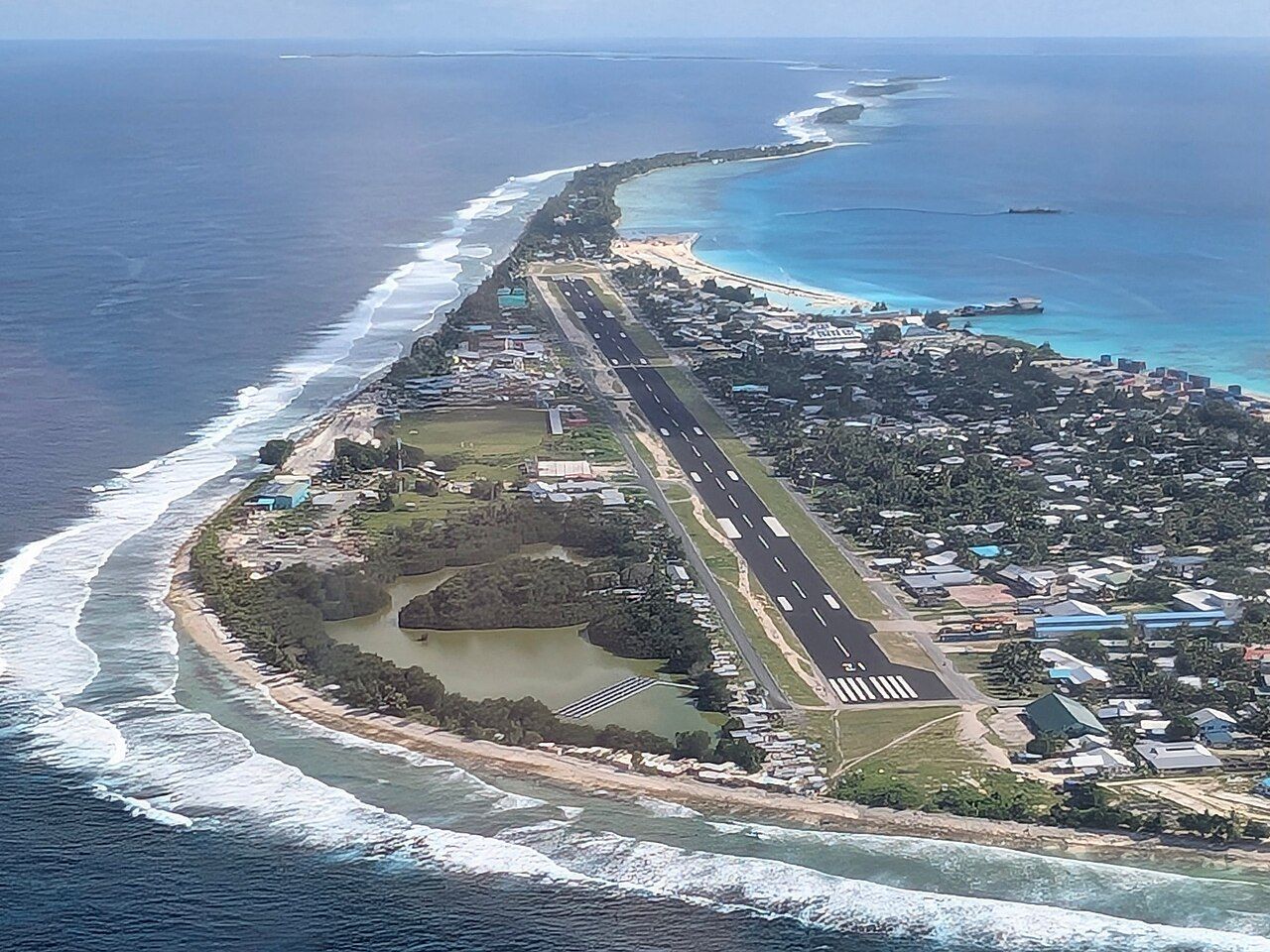
Funafuti International Airport, Tuvalu’s main international gateway, highlighting the travel routes now affected by the US visa bond expansion for Pacific travellers. Photo/wikipedia
Officials say the country has no record of high visa overstays and emphasised the importance of maintaining family, educational, and cultural links with the US.
Travel agents and community sources say the bond requirement could increase costs and create uncertainty, potentially discouraging travel for family reunions, education, medical visits, and business.
Many Pacific travellers rely on visits to the United States for these reasons, and airlines warn that the restrictions could result in delayed or cancelled trips.
Critics argue that the programme, while designed to reduce overstays, effectively places a price on travel that may disproportionately affect smaller, lower-income Pacific nations.
The US State Department says the scheme targets countries with overstay rates above 10 per cent or perceived vetting weaknesses.
It retains the authority to revise the list of affected countries with just 15 days’ notice.
As the programme takes effect on 21 January, Pacific travellers, governments, and airlines will be watching closely to see how it operates in practice and whether adjustments can be made to ease the burden on the region.