
Pacific communities urged to guard against surging online scams
Elenoa TuragaiviuThu, 13 Aug

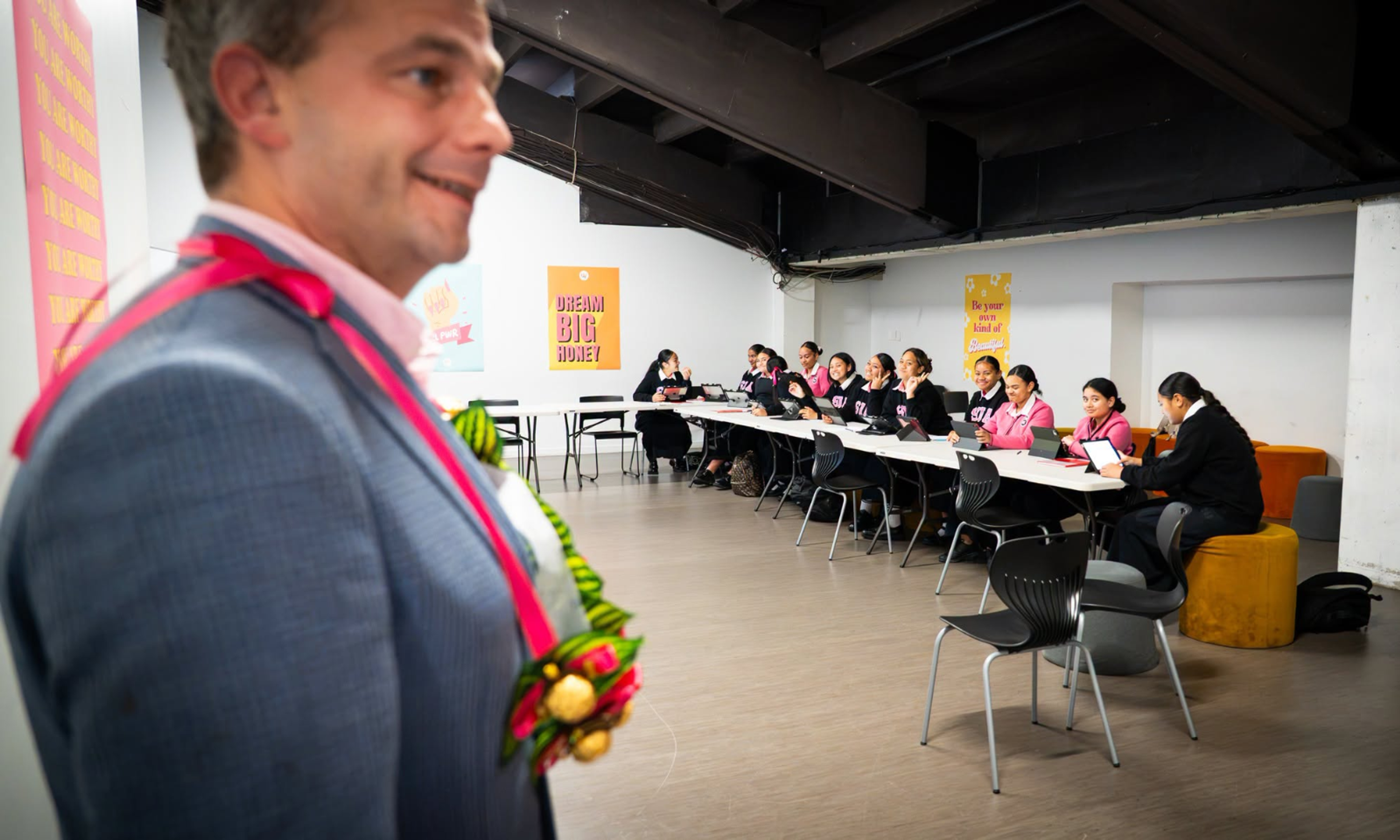
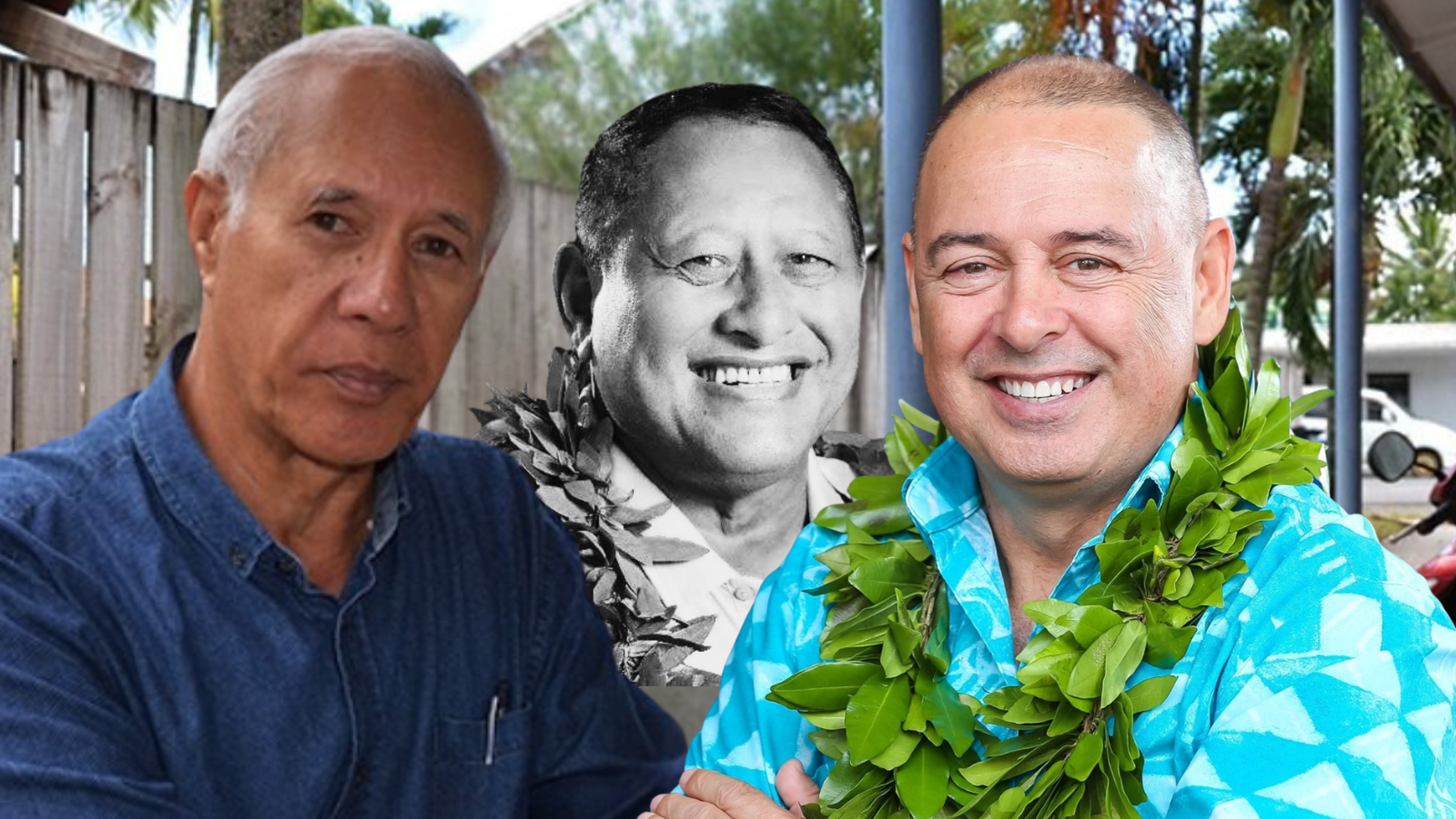
Brewery co-owner Dora Sao and MP Cameron Luxton say proposed law changes could boost local businesses.
Photo/Supplied/File
Proposed reforms would let bars open on ANZAC and Easter holidays, helping local hospitality and giving fans more chances to come together over sports and the long weekends.


Long weekends and big sporting events are a chance for Pacific communities to come together, and for small businesses to thrive.
But some say New Zealand’s liquor laws are holding them back.
A bill amending the Sale and Supply of Alcohol (Sales on Anzac Day Morning, Good Friday, Easter Sunday, and Christmas Day) passed its second reading last week.
If it becomes law, bars could open after midnight on ANZAC and Easter holidays.
Cameron Luxton, list MP for the ACT party, says the rules are unnecessarily strict and confusing.
“Right now, we have multiple acts governing the way businesses can trade, especially if it involves entertainment, involving alcohol… this leads to a whole lot of confusion, and a whole lot of missed opportunity,” he tells Pacific Mornings.
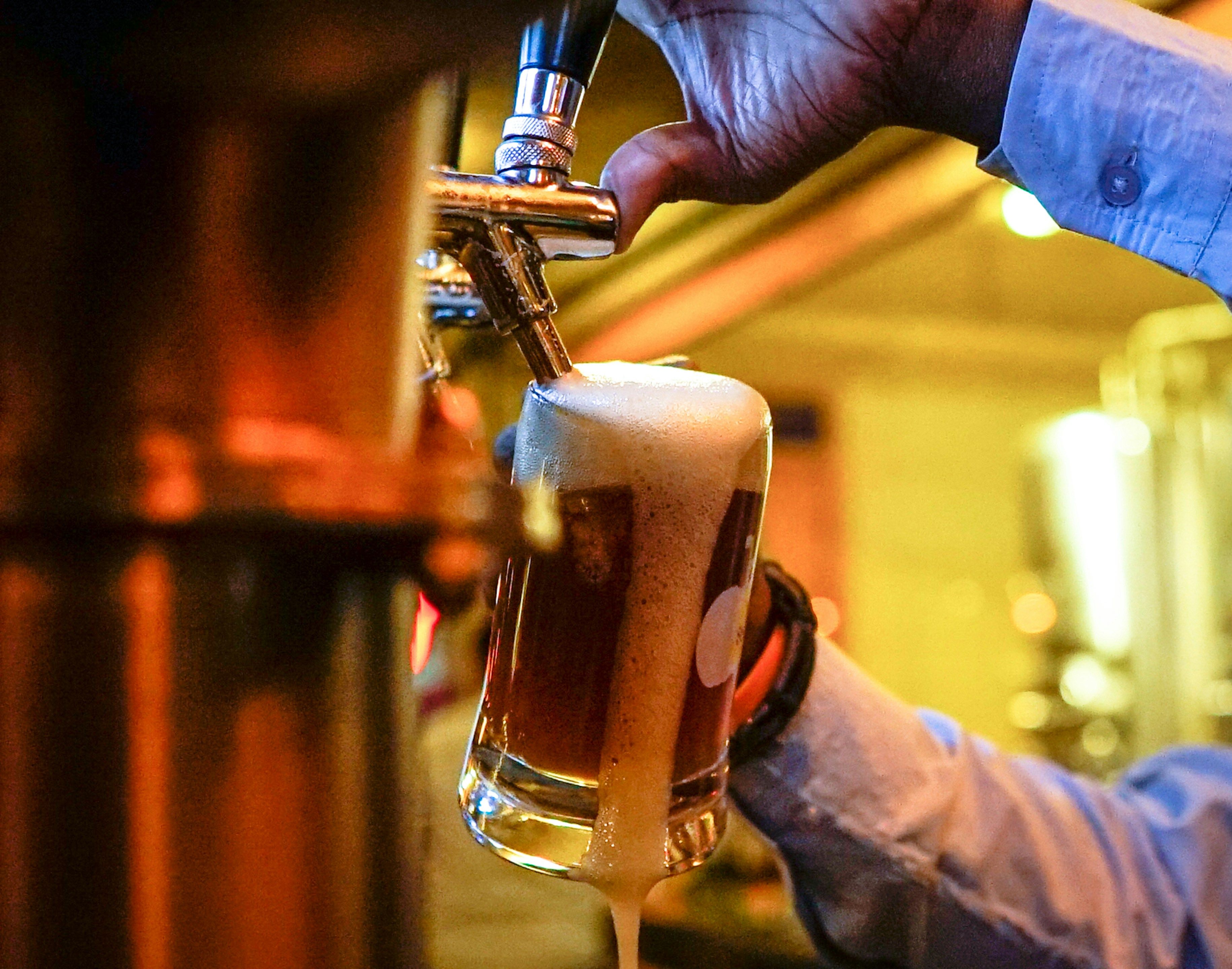
Proposed changes to the liquor licensing could allow more places to serve alcohol on Easter holidays and Anzac Day. Photo/Unsplash
This year, ANZAC Day falls on a Saturday, the same weekend Christchurch hosts the Super Rugby Pacific Round with five matches from Friday night to Sunday.
Luxton says the bill, which still needs a final reading in Parliament, likely on 1 April, could help the city make the most of a historic weekend.
“[It] will allow Christchurch to shine bright into the night on a historic weekend," he said.

The One New Zealand Stadium at Te Kaha in Christchurch is due to open in April 2026. Photo/File
Under current rules, alcohol cannot be sold on Christmas Day, Good Friday, and Easter Sunday, and sales are restricted before 1pm on Anzac Day.
Latonya Lole, PMN sports journalist, respects the spiritual and historic reasons behind restricting alcohol sales on these dates, but says businesses should have the choice.
“If they’re going to sell [alcohol] at stadiums, there’s no problem with that, but if owners of liquor stores choose not to be open on those days as well, that’s their livelihood, and it shoud be a case-by-case scenario.”
For small Pacific businesses like Batsman Brewery in Auckland, the current laws hit hard.
“We’re only open three days a week, and that, automatically, is two days out of the three that we can't open. So only being able to trade for one day definitely affects our revenue for that week,” Dora Sao, a co-founder, tells PMN News.
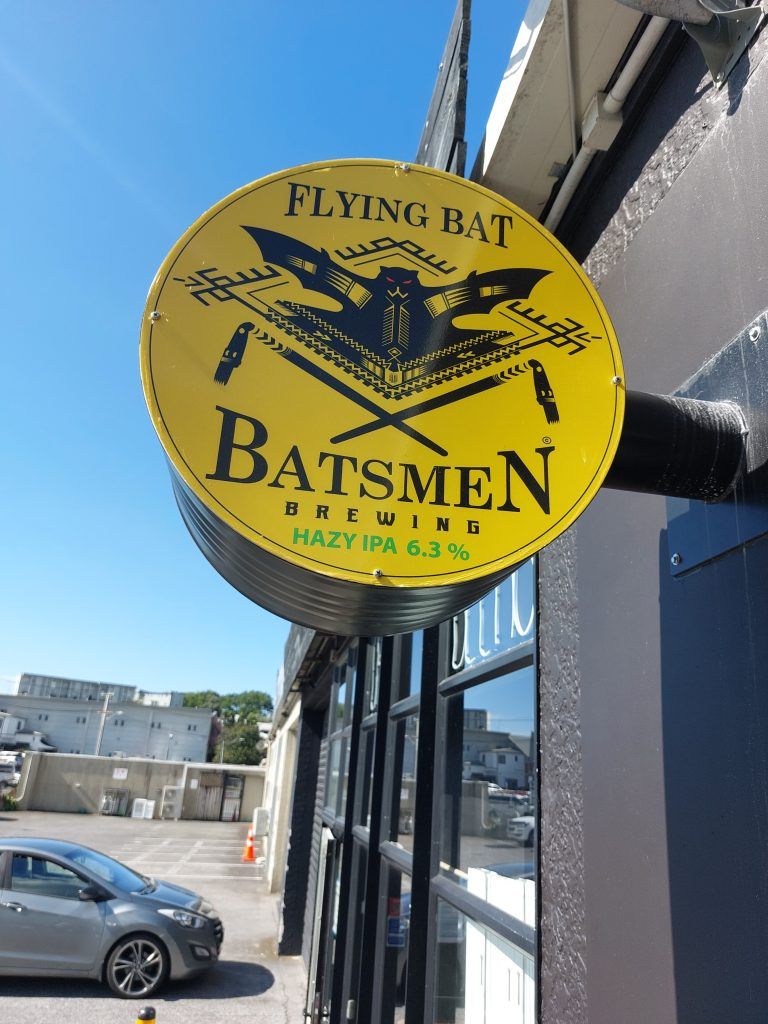
The Batsmen Brewery is located in Morningside, Auckland. Photo/Instagram
The Morningside brewery celebrates its Sāmoan heritage through its name, logo, and beers such as Sāmoa Pale Ale and Flying Bat Hazy,
Sao says the team respects people’s right to observe religious holidays, while keeping hospitality alive over long weekends.
“We have the flexibility of still being able to acknowledge those religious things, but at the end of the day, it's still our priority to serve alcohol responsibly,” she said. “Particularly over the long weekends, we find that those are our really busy days where people come together and they want to catch up with each other.”
For Luxton, the reforms strike a balance between respecting spiritual practices and supporting business and community life.
“Continue practising the structures of celebration and belief that are important to you… but make sure that other people are able to do what they would like to do in a free society.”
Watch Cameron Luxton's full interview below.
Other changes at play
The proposed changes come alongside the Sale and Supply of Alcohol (Improving Alcohol Regulation) Amendment Bill, which was introduced to the House on Monday.
It aims to make it easier for licensed premises to serve drinks while showing major events such as the Rugby World Cup, and allows hairdressers and barbers to offer a limited drink without a full on-licence.
In a statement, Carolyn Young, Retail NZ chief executive, says the reforms are “common sense” and will benefit retailers and consumers by cutting red tape and slow objection processes.
For small businesses and Pacific communities, the reform is about both revenue and community: giving people more space over sports, long weekends, and local hospitality.