
David Seymour wants tougher welfare rule as Labour targets hidden costs in 2026 election
Thomas Tarurongo WynneFri, 09 Oct
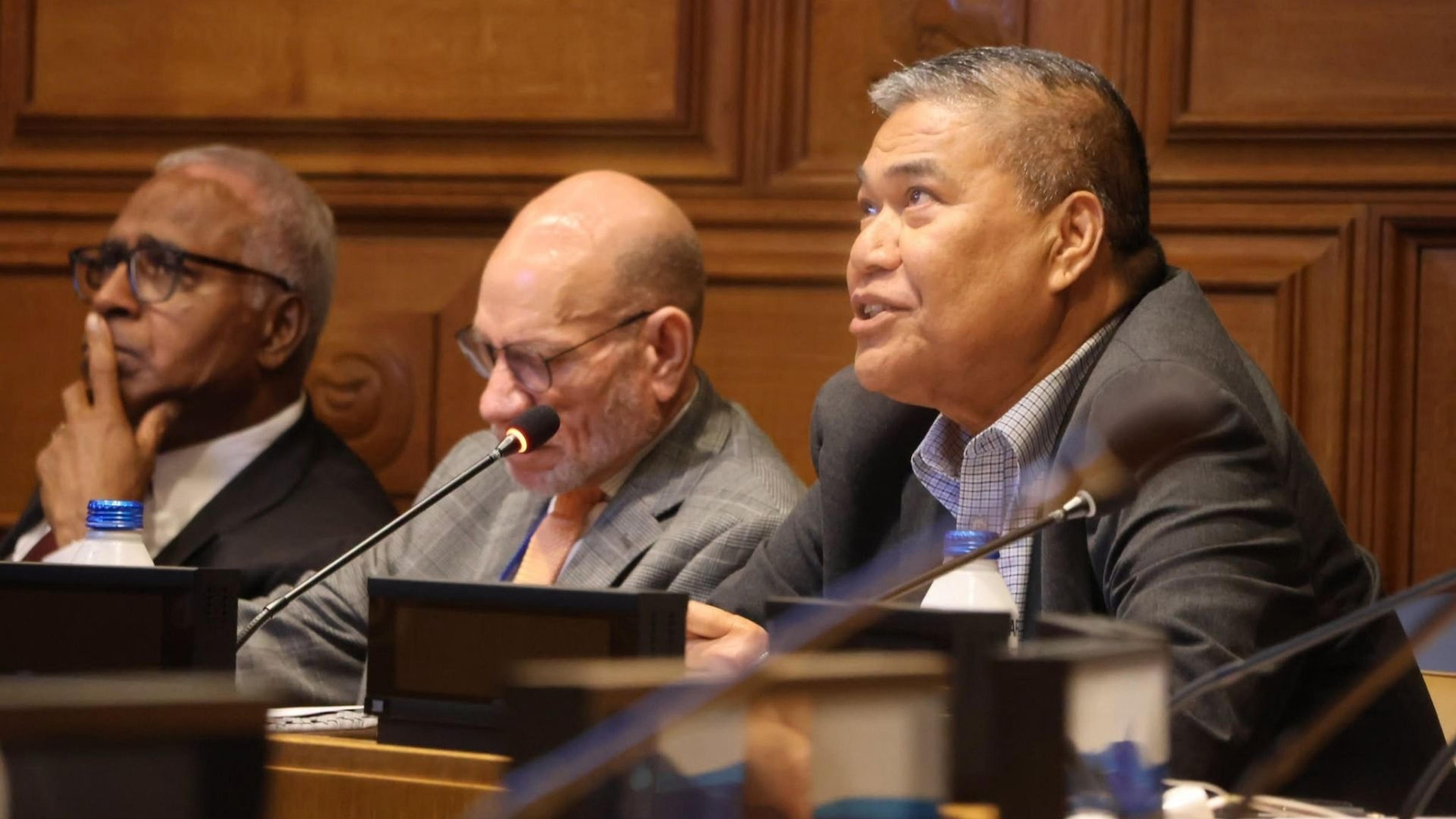
Pacific Pacific Islands Forum Permanent Representatives to the United Nations (PRUNs) gather in New York for a briefing ahead of the UN General Assembly (UNGA81) where leaders will push for stronger global action on climate change, sea-level rise and resilience across the region.
Photo/Facebook/Pacific Islands Forum
Leaders will push for stronger action on climate change, sea-level rise and Pacific resilience as the region heads towards COP31 later this year.

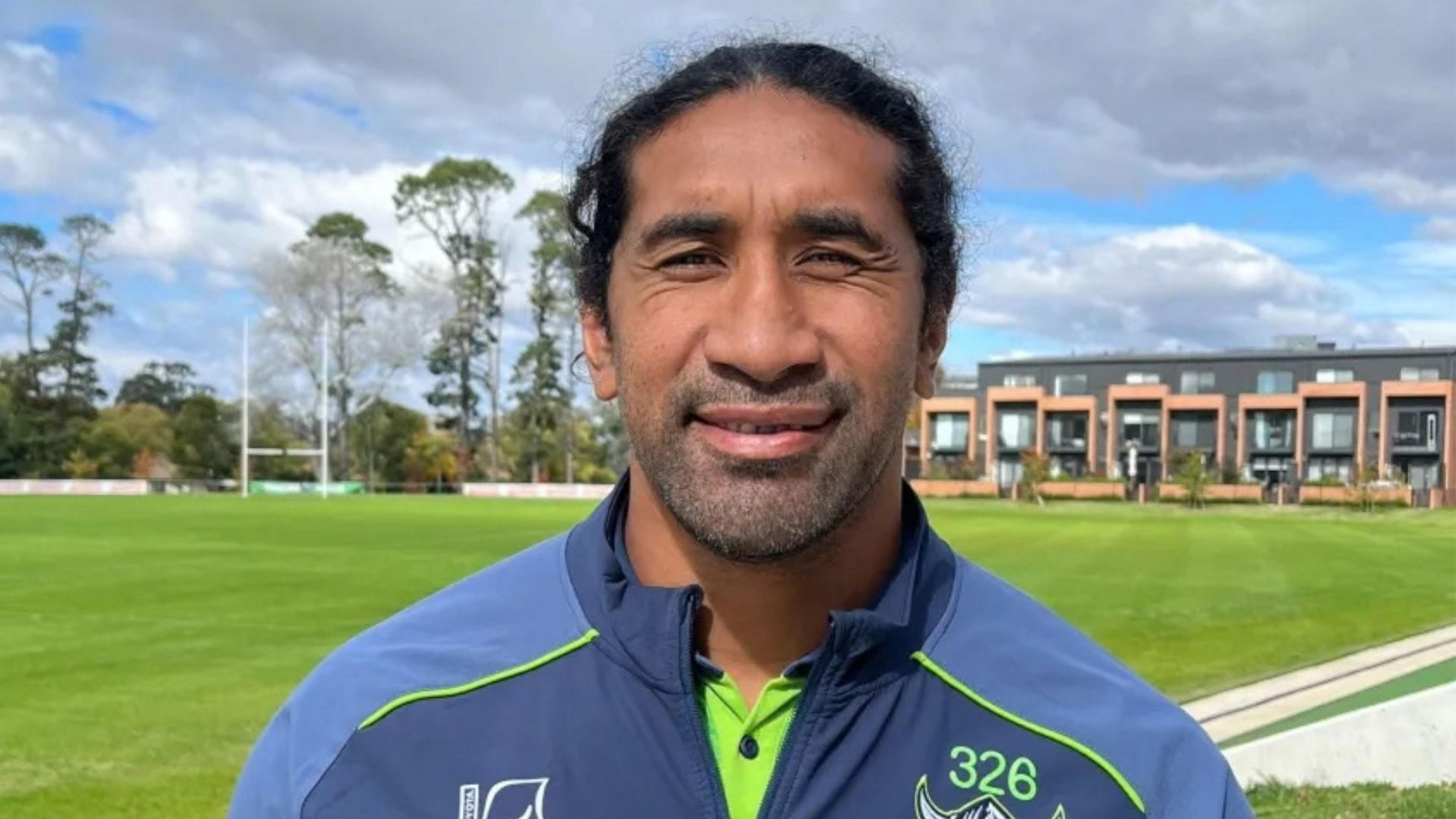
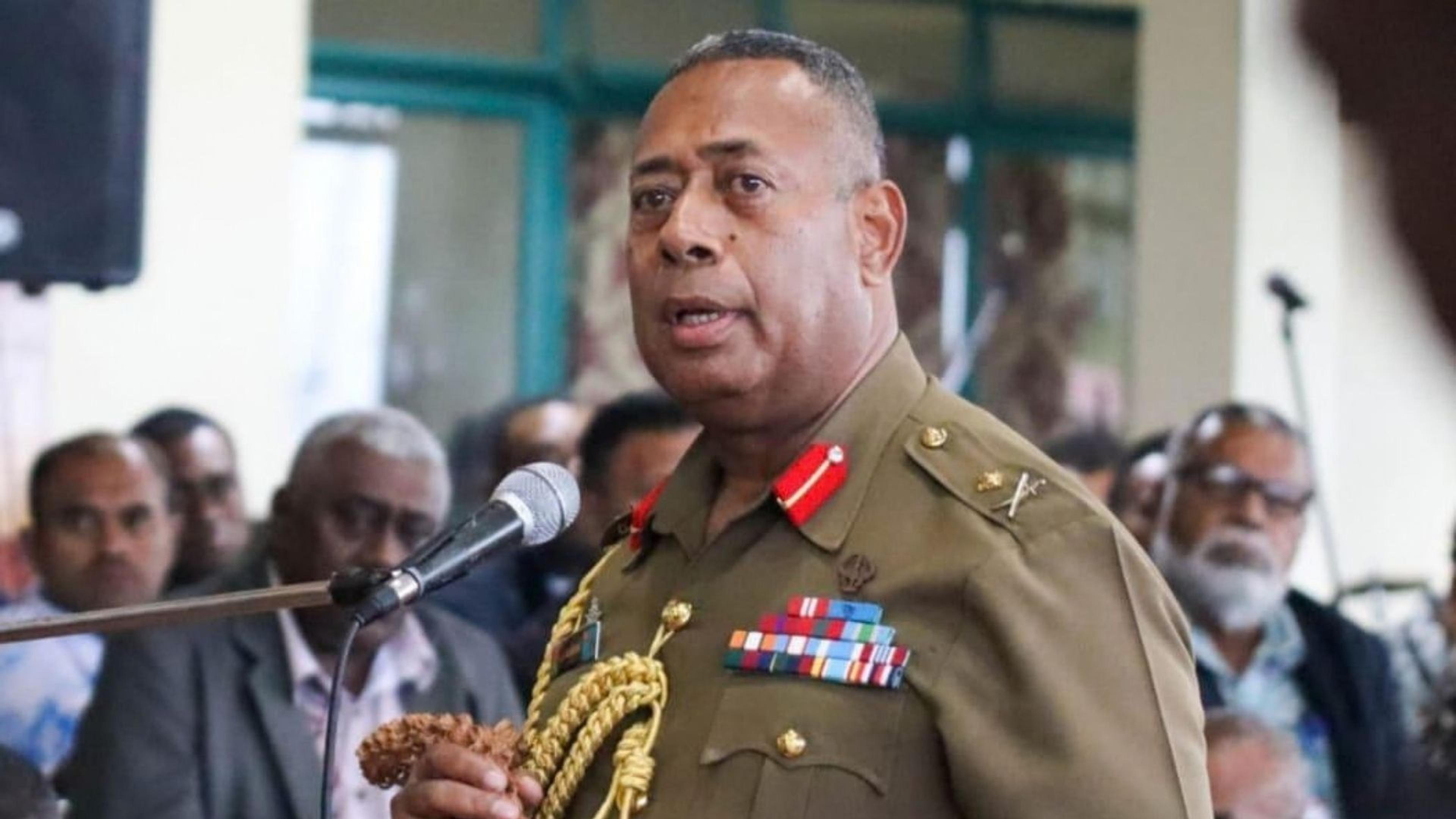

Pacific leaders are taking a united message to the United Nations this week, putting climate change, rising seas and access to finance for Pacific resilience high on the global agenda.
Leaders from the Pacific Islands Forum (PIF) are in New York for the high-level week of the the 81st session of the United Nations General Assembly (UNGA81).
The summit is held from 21 to 28 September where leaders will push for action on issues agreed at their meeting in Palau earlier this month.
PIF Chair and Palau President, Surangel Whipps Jr, will lead the Pacific engagement, supported by PIF Secretary-General Baron Divavesi Waqa.
The leaders will meet UN Secretary-General António Guterres on Friday for their annual Leaders’ Dialogue.
The Forum says its focus will include climate change, sustainable development, ocean governance, development finance and the growing threat posed by sea-level rise.
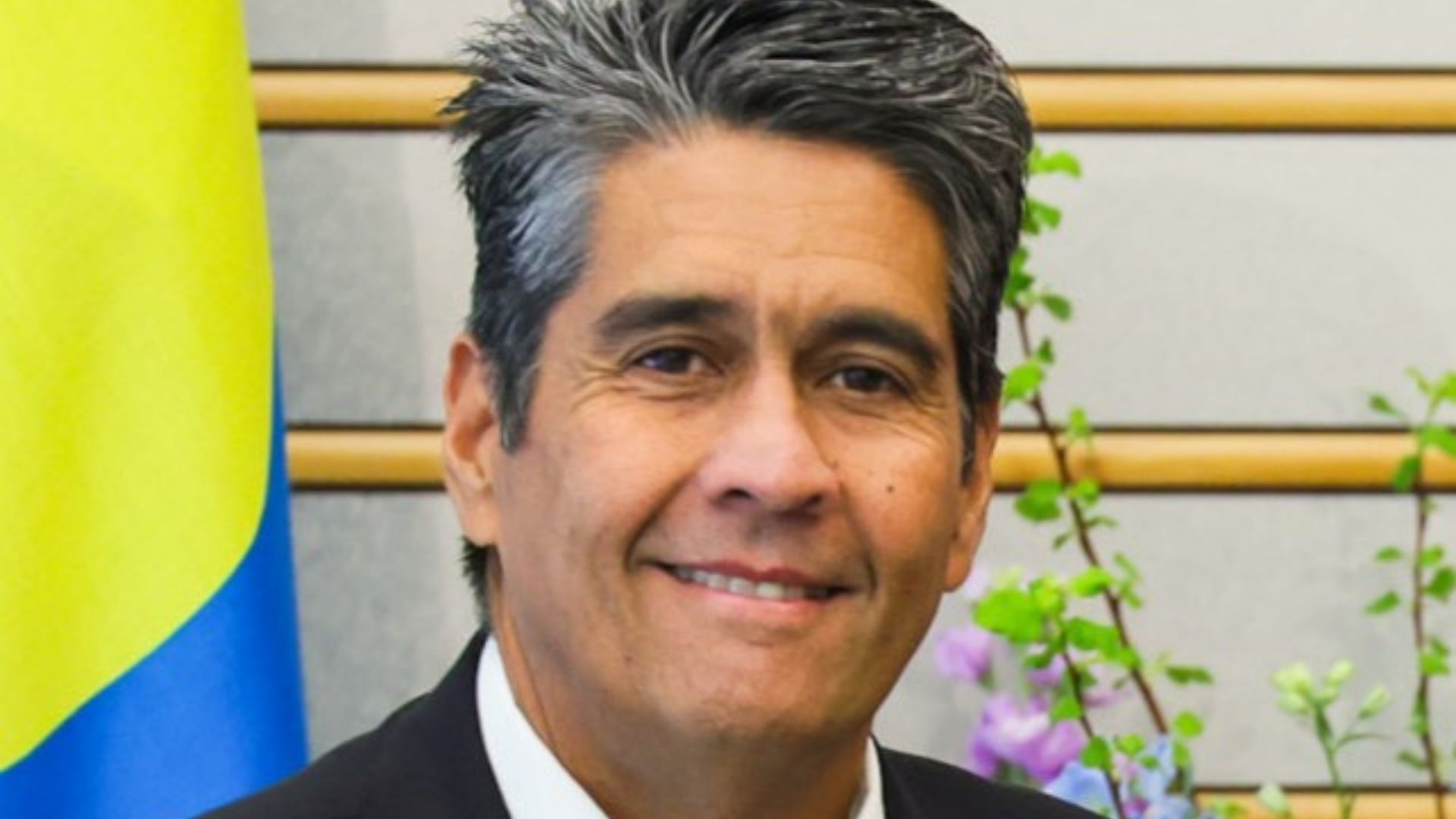
Palau President and Pacific Islands Forum Chair Surangel Whipps Jr is leading the Forum’s engagement at UNGA81, where Pacific leaders are advancing shared regional priorities on the global stage. Photo/Prime Minister's Office, Japan/file
For the Pacific, that threat is already shaping decisions about where and how communities can live.
Dr Herve Damlamian, ocean prediction and monitoring team leader at the Secretariat of the Pacific Community, recently warned that some Pacific climate planning is being based on inaccurate elevation data.
“Reducing emissions is essential, but it will not stop sea-level rise. Some rise is already locked in and will continue for centuries.
Dr Herve Damlamian, ocean prediction and monitoring team leader at the Secretariat of the Pacific Community (SPC), says accurate sea-level data is critical for Pacific countries planning for climate change and rising seas. Photo/unifiji.ac.fj
"For Pacific Island countries, adaptation is no longer optional,” Damlamian told a Pacific Meteorological Council media mana class in Tonga earlier this month.
He said every fraction of a degree of warming avoided still matters because it slows sea-level rise and reduces what future generations will face.
That urgency is also driving the Pacific’s push for greater access to climate finance.
At the centre of the Forum’s UNGA engagements will be the Pacific Resilience Facility, with the region seeking to reach its US$500 million (NZ$874.05 million) funding target by the end of 2026.
The Forum says it will use the UN gathering to seek support from bilateral and non-traditional partners as the Pacific looks towards Pre-COP31 discussions in Fiji and Tuvalu in October and COP31 in Türkiye in November.
But environmental campaigners say the conversation cannot stop at how much money is raised.
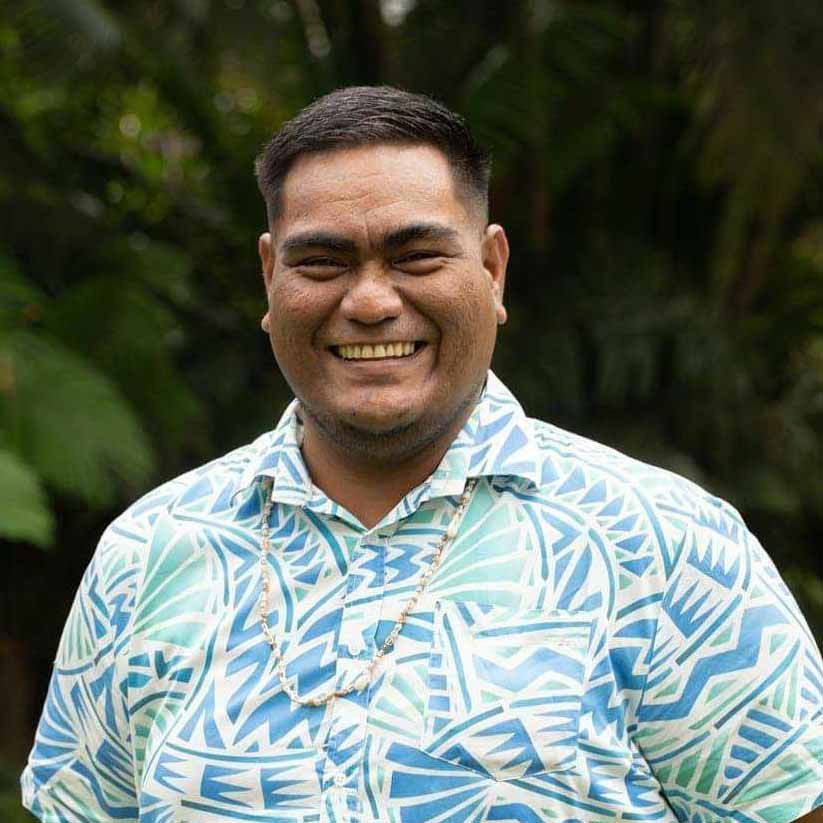
Rae Bainteiti, Pacific Political Coordinator at Greenpeace Australia Pacific, says climate finance must reach the Pacific communities it is intended to support. Photo/Supplied
Rae Bainteiti, Pacific Political Coordinator at Greenpeace Australia Pacific, said during the Forum meeting in Palau that climate finance should be treated as a responsibility of major polluting nations.
“Pacific Islands communities shouldn’t have to rely on door-knocking asking for funding - climate impact funding is simply the right for big polluting nations to do.”
He has also warned that the Pacific Resilience Facility must reach the people it was created to support.
“The Pacific Resilience Facility must ultimately be accessible and reach the communities it was created to support, and not become clogged up in the government machine.”
Those questions around access and delivery are also being raised by young people. At Aotearoa Youth COP in Auckland on Saturday, rangatahi aged 14 to 20 came together to discuss the climate issues they want decision-makers to prioritise.
Watch Save The Children ambassadors Betty and Ollie's full interview with William Terite on Pacific Mornings below.
Their Aotearoa Youth Climate Statement is due to be handed to the New Zealand Government ahead of COP31. The discussions add to a growing call for young people to have a meaningful role in shaping the climate decisions that will affect their future.
Waqa says the Pacific is going to the United Nations with a clear message that the region's challenges cannot be separated from the wider global climate and development crisis.
“The PIF brings to the United Nations a clear message: the challenges facing our region are inseparable from the global challenges before us.
"We must move from commitments to implementation, from vulnerability to resilience, and from fragmented responses to stronger, more coherent international partnerships that deliver for our peoples.”
The Forum says Pacific leaders want to shape global decisions affecting the region, rather than simply participate in them.
COP31 will be held from 9 to 20 November in Antalya, Türkiye.