
David Seymour wants tougher welfare rule as Labour targets hidden costs in 2026 election
Thomas Tarurongo WynneFri, 09 Oct
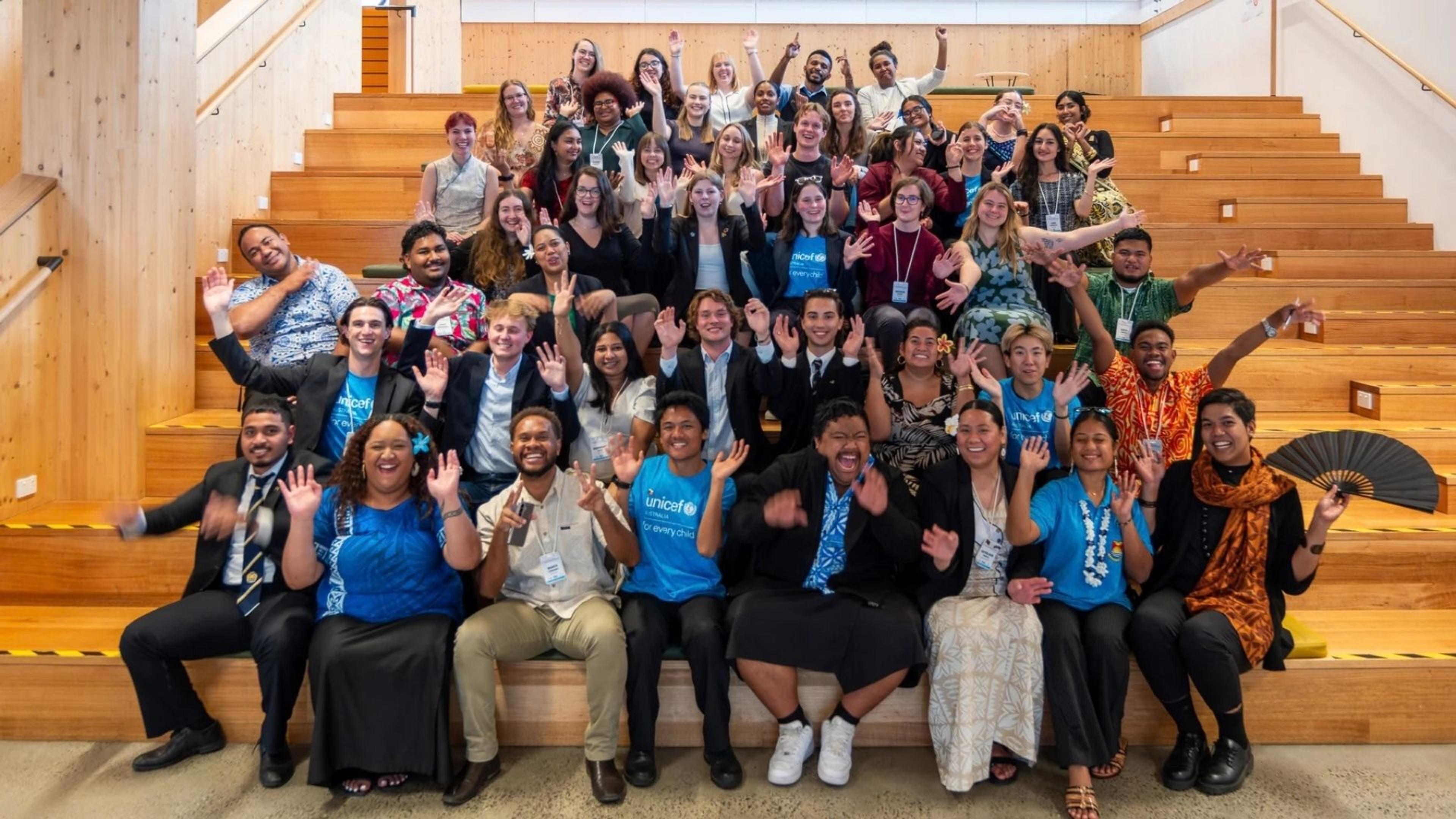
Young people across Aotearoa, Australia and the Pacific want their voices to be part of climate decisions that will shape their future, with rangatahi calling for stronger action and a genuine say in how governments respond to climate change.
Photo/UNICEF
More than 80 rangatahi are helping shape a statement that will be taken through the Pacific before reaching the global climate summit in Türkiye later this year.

More than 80 rangatahi from across Aotearoa are putting their experiences of climate change into a youth statement they want decision-makers to hear before the next global climate summit.
The young people came together in Auckland for Aotearoa Youth Conference of the Parties (COP) 2026, organised by Save the Children and its Generation Hope ambassadors.
The statement is now being drafted and is expected to be taken to a pre-COP event in Fiji before being presented at COP31 in Türkiye later this year.
Save the Children ambassadors Betty and Ollie told William Terite on Pacific Mornings the goal was to make sure young people, who will live with the long-term effects of climate decisions, have a real voice in those decisions.
“Children are disproportionately affected by climate change, and the other issues which face the rest of the world,” Ollie says.
He says young people are aware of the problems facing their communities but are often missing from the rooms where decisions are made.
Watch Betty and Ollie's full interview below.
“The youth have education, they're aware of the issues, but they just don't have the voice to make a meaningful change.”
Four workshops at the Youth COP focused on youth leadership and governance, water, food, and loss and damage.
Betty says the sessions brought together young people's knowledge and lived experiences, including experiences from the Pacific.
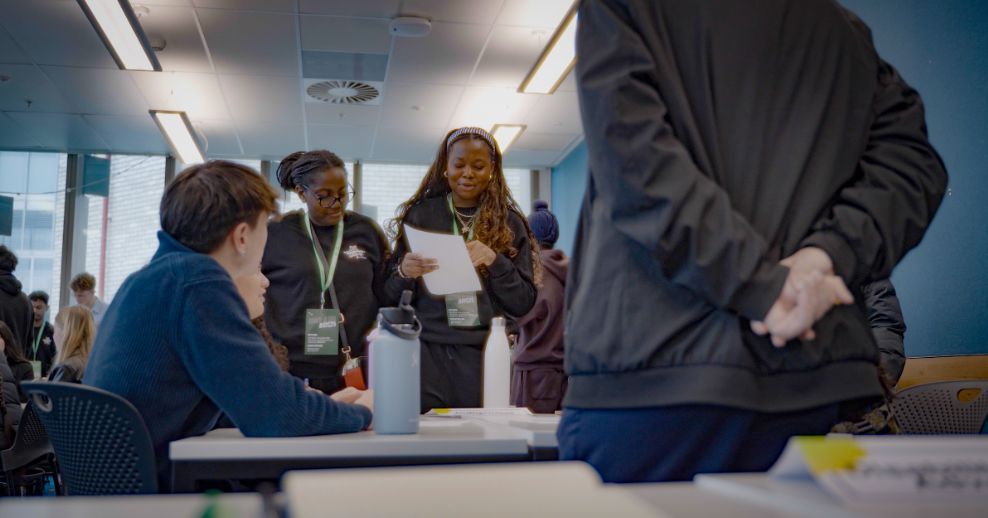
Rangatahi take part in Aotearoa Youth COP event where young people worked through climate issues including water, food, loss and damage, and youth leadership. The event is also helping shape an Aotearoa Youth Climate Statement for the New Zealand Government. Photo/Supplied
“We basically engaged in different conversations during those workshops, and in that we eventually gathered all of that information and gathered all of those lived experiences of other people and put them into what is a youth statement.”
The Pacific was a key part of those conversations, with representatives from Pacific nations involved in the workshops and speakers from countries including Vanuatu sharing their experiences.
The Aotearoa youth push comes as Pacific young people are also building their own regional climate agenda ahead of COP31.
More than 100 young people from across the Pacific have taken part in a series of talanoa dialogues, with a regional youth climate statement now being used to inform engagement with decision-makers ahead of the Fiji-led Pre-COP and COP31.
Fiji has also said young Pacific people will have a direct role in its COP31 preparations, with youth representatives expected to be part of the country's official delegation rather than simply attending as observers.
A large proportion of the rangatahi attending were also of Pacific descent, according to Ollie.
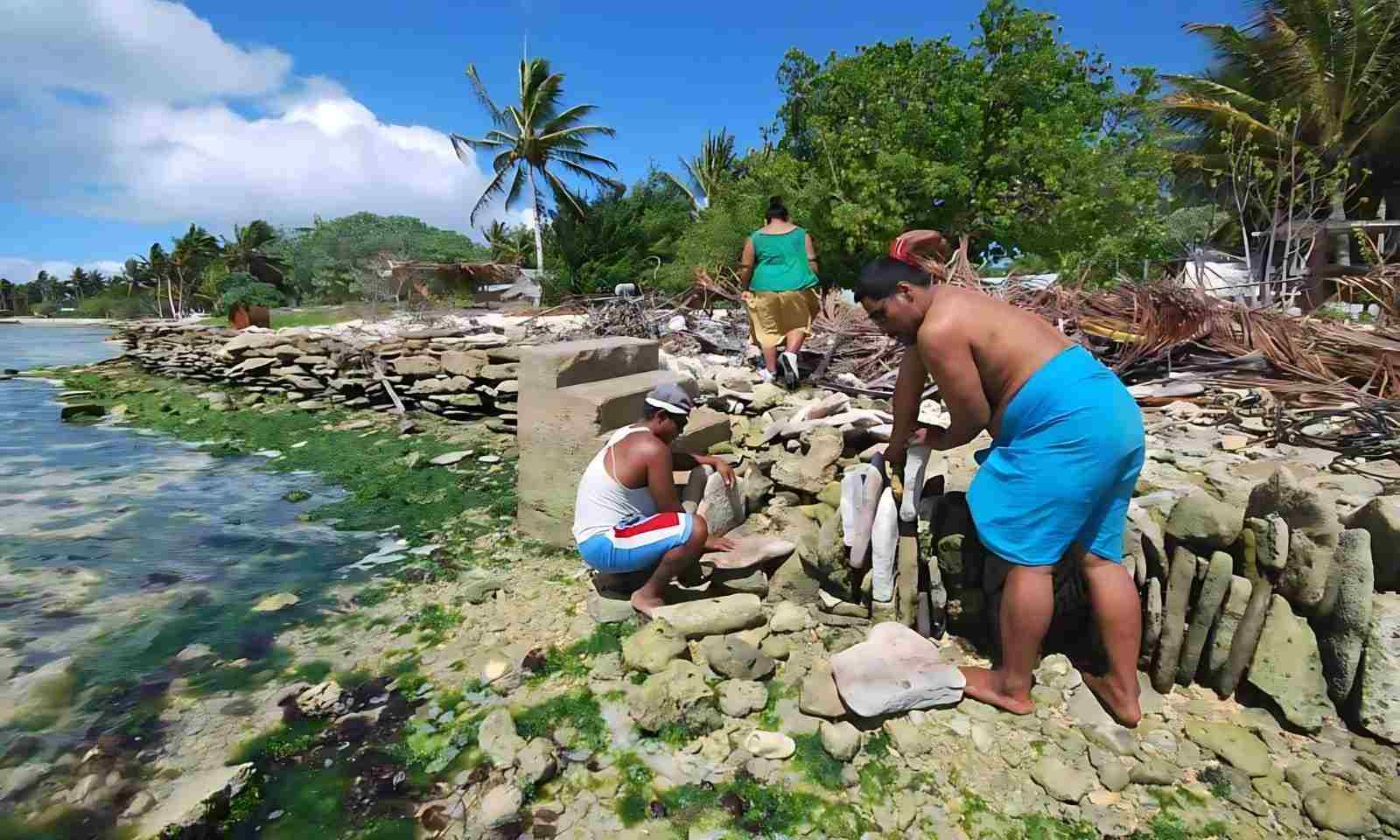
Pacific communities are already living with the impacts of climate change, including rising seas, coastal erosion, stronger weather events and threats to food security and livelihoods. Pacific youth are calling for their knowledge, experiences and solutions to be part of climate decision-making. Photo/Pacific Community (SPC)/file
For Betty, giving young people a place at the table is about more than simply being heard.
“A lot of the time decisions about climate action don't really involve our perspective,” she says. “And more often than not, young people are just asking to be listened to, to have our ideas and our experiences and have a genuine voice at the table.”
Ollie says one comment from a rangatahi at the event captured that frustration.
“As one of the Rangitsahi at the event said, if you're not at the table, you are on the menu.”
The message is also being echoed by Pacific climate leaders. Fiji's Permanent Secretary for Environment and Climate Change, Dr Sivendra Michael, told nearly 70 Pacific youth climate leaders at a July talanoa in Suva: “If young people are not at the table, how can they be part of the decisions that will shape their future?”
Ollie says young people are already experiencing the effects of decisions made by governments and organisations. “We're here, we're educated, we want to make a change.”
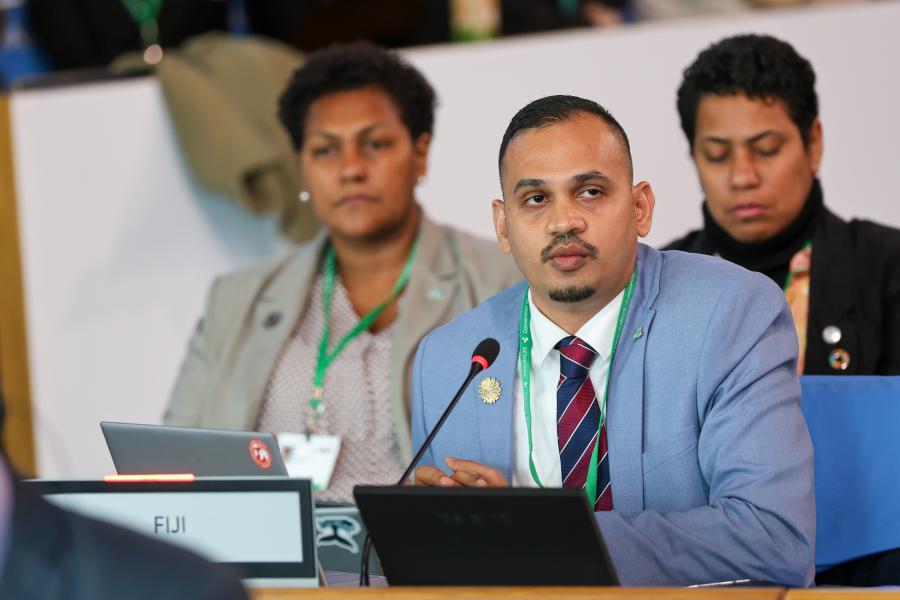
Fiji’s Permanent Secretary for Environment and Climate Change, Dr Sivendra Michael, has called for young people to have a meaningful place in global climate decision-making as Pacific youth prepare for COP31. Photo/Supplied
The ambassadors say the statement will also reflect the links between climate change and everyday issues in Aotearoa.
Betty says climate policy cannot be treated as an issue that only matters during elections.
“It is connected to everything in Aotearoa, cost of living, jobs, infrastructure, and just our whole entire future is basically inherited from what will happen and what decisions will be taken for climate.”
The statement is still being drafted and is expected to be more complete within the next week or so, before being taken to the pre-COP event in Fiji towards the end of the year.
For Betty, there is still reason for young people to have hope, even as climate pressures grow.
“I feel like it's really important to have a sense of hope in these kinds of situations.”
Ollie says the next generation is ready to take on the responsibility of creating change.
“There are still incredible rangatahi out there who will soon inherit these positions and who do want to make a change.”
The final youth statement is expected to be shared publicly before being taken to COP31, where the young people hope their concerns will reach governments and other decision-makers.
COP31 will be held from 9 to 20 November in Antalya, Türkiye.