Children across the Pacific continue to face violence at home and in schools, with Save the Children calling for stronger protection systems and greater investment.
Photo/Facdebook/UNICEF Pacific/file
Pacific Region
Pacific child protection comes under pressure as violence remains widespread - experts
Save the Children says less than one per cent of public spending in Pacific countries goes towards child protection while advocates warn families need more support to keep tamariki safe.

Christine Rovoi
Published
24 November 2026, 2:45pm
Share
Copy Link
Top stories
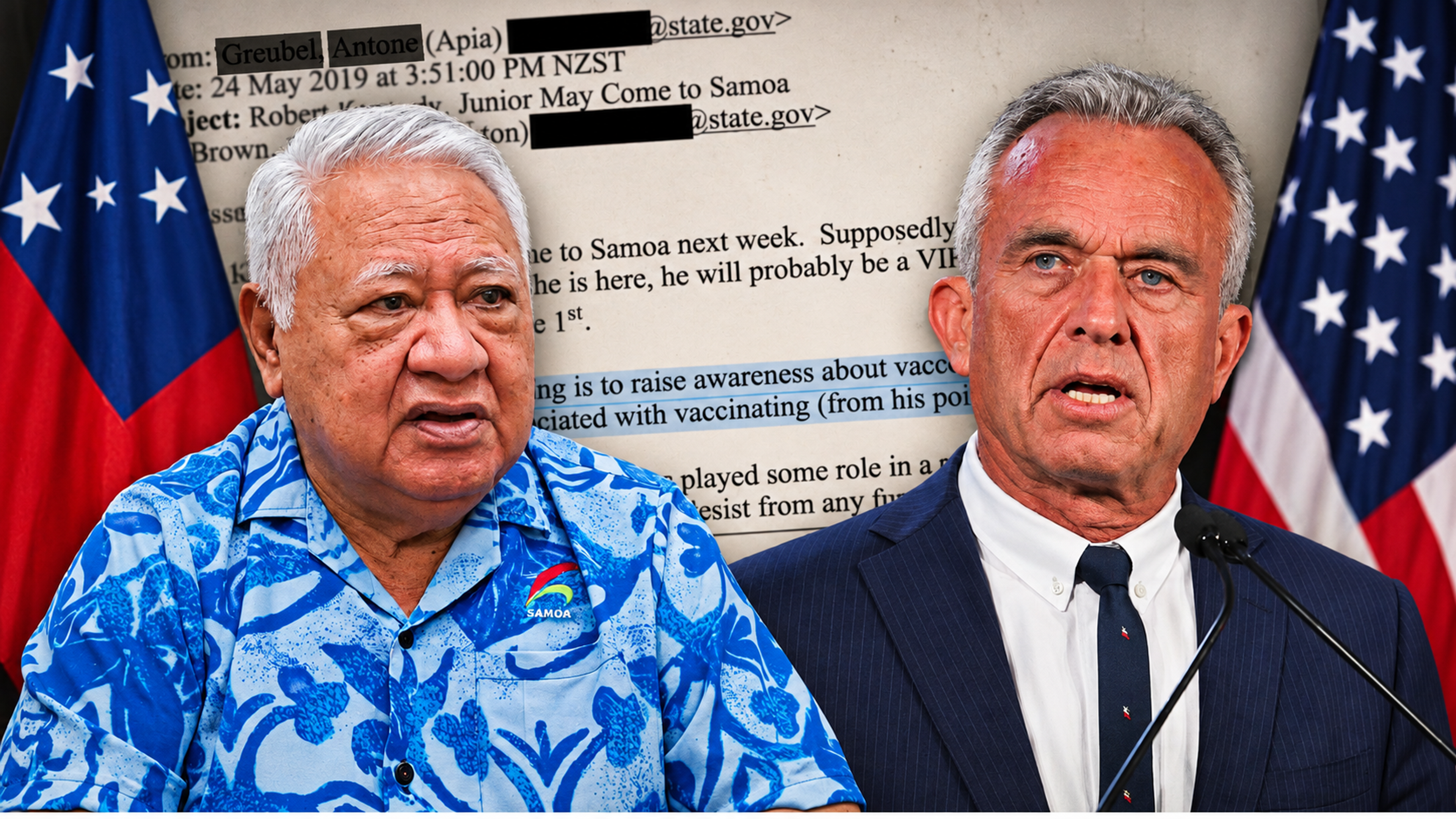
Tuilaepa says he invited Kennedy to Sāmoa to boost tourism and not change vaccine policy
Christine RovoiTue, 24 Nov

Pacific diabetes burden puts traditional foods back into spotlight
Aui'a Vaimaila Leatinu'uMon, 23 Nov
Top stories
Tuilaepa says he invited Kennedy to Sāmoa to boost tourism and not change vaccine policy
Christine RovoiTue, 24 Nov
Pacific diabetes burden puts traditional foods back into spotlight
Aui'a Vaimaila Leatinu'uMon, 23 Nov
Content warning: This story discusses violence and abuse against children.
Children across the Pacific are facing violence at home and at school but the money going into protecting them remains far below what is needed, Save the Children says.
In some Pacific countries, more than eight in 10 children aged one to 14 experience violent discipline at home while more than half of children and adolescents report experiencing violence or bullying at school.
Kim Koch, Save the Children Pacific Regional Director, says governments now need to turn promises into funded action.
“You know, I think less than one per cent of public spending in the Pacific countries goes towards child protection and services. So I mean, no matter what, it's just not enough.”
Koch says an extra five per cent increase in spending on child protection would make a meaningful difference but says the response cannot sit with child protection services alone.
Watch Kim Koch's full interview below.
“Child protection requires investment, more of it. It has to be a coordinated effort across health, education, justice, social welfare systems.”
Pacific governments made hundreds of commitments at the second Global Ministerial Conference on Ending Violence Against Children in Manila last week.
Koch says Vanuatu's pledge to bring in child protection legislation by 2028 and develop a funded national action plan is a good example but the real test will be what happens after the promises are made.
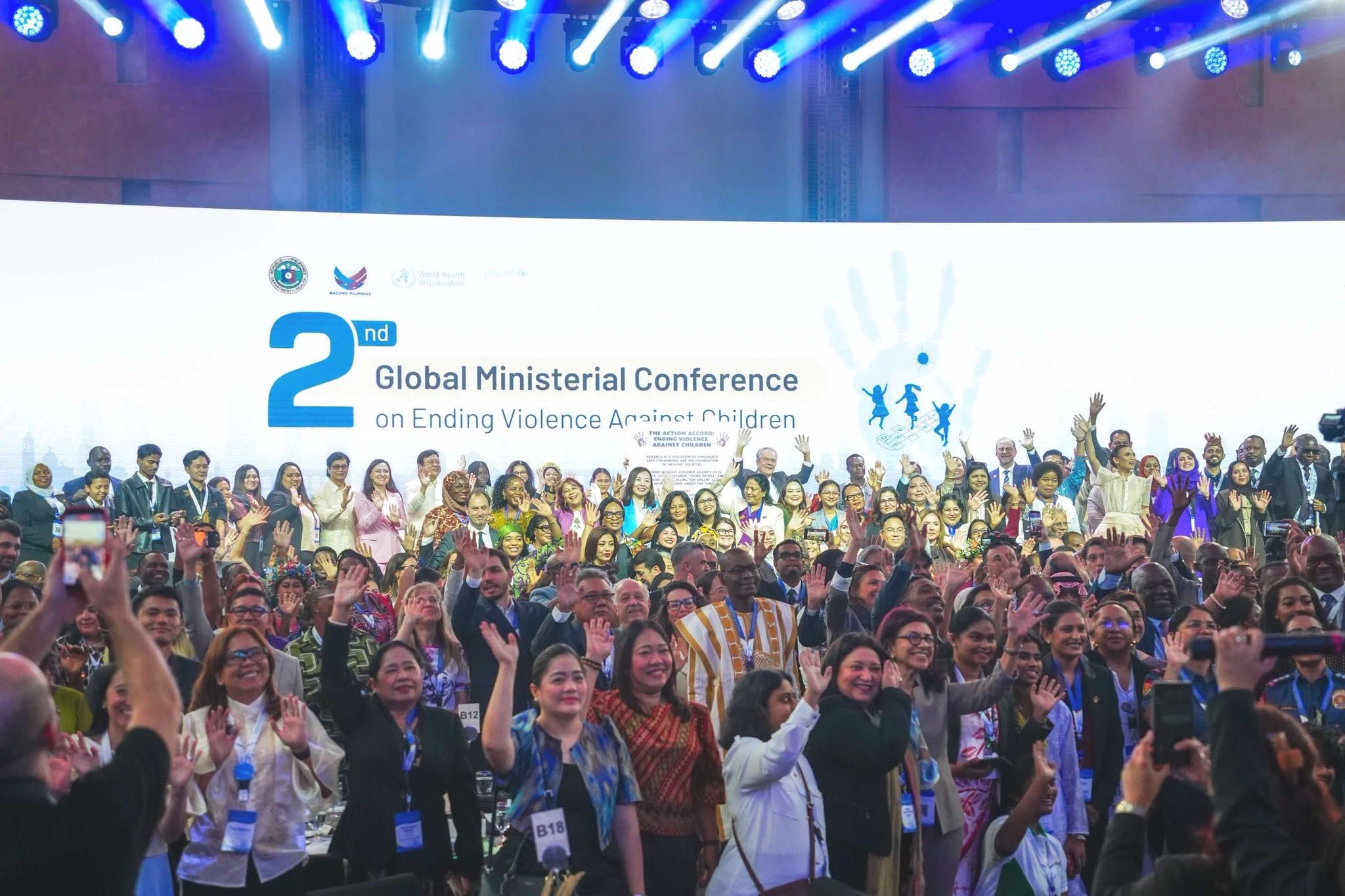
Governments and child protection advocates gather at the Second Global Ministerial Conference on Ending Violence Against Children in Manila, held on 17-18 November 2026. Photo/Facebook/UNICEF Philippines
“What happens next is actually what's most important. So you have to turn these pledges into real action through budgets, through plans, through accountability.”
She says violence can become normalised when parents are under pressure and do not have the support or tools they need.
“All parents want to take care of their kids and want to have the best for their kids but we also know that physical punishment actually harms them.”
Koch says Pacific communities can build on traditions of family and collective care while moving away from violence.
“We want to build on what are the beautiful traditions of the Pacific around family and care, around collective responsibility.”
The Fiji Women's Crisis Centre is also warning against placing the responsibility for protecting children mainly on women.
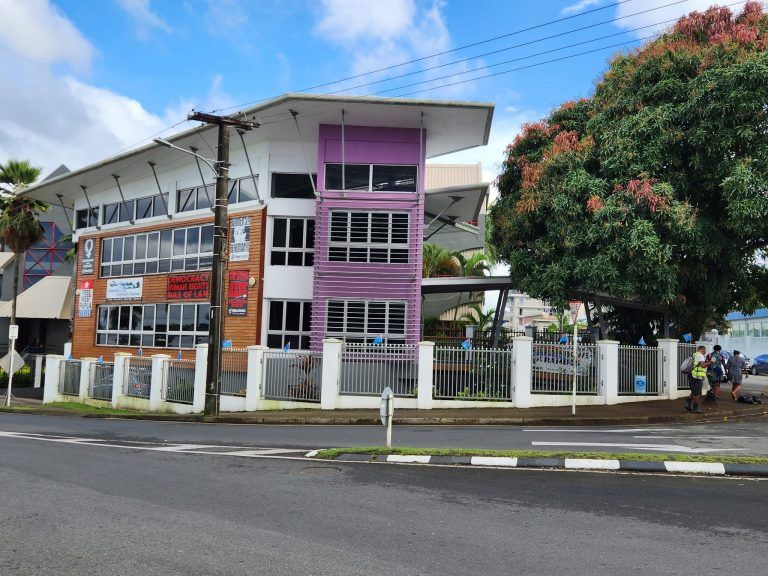
The Fiji Women's Crisis Centre is calling for child protection to be treated as a shared responsibility, not one placed mainly on women. Photo/Fiji Women's Crisis Centre
The Centre says child abuse is a wider social issue that requires action from fathers, men, families, communities, faith leaders, educators, service providers and governments.
“Child abuse is not a ‘women’s issue’ but a societal issue that requires the active involvement and accountability of fathers, men, families, communities, institutions, faith leaders, educators, service providers and government agencies.”
The Centre says women already carry a heavy load of unpaid care and family responsibilities and should not be expected to fight child abuse alone.
It says child protection systems must also be properly funded, accessible and responsive to survivors.
Koch says children themselves should have a formal voice in decisions affecting their lives including at national and regional level.
“Kids are creative and they're smart, and they know better than anybody else.”
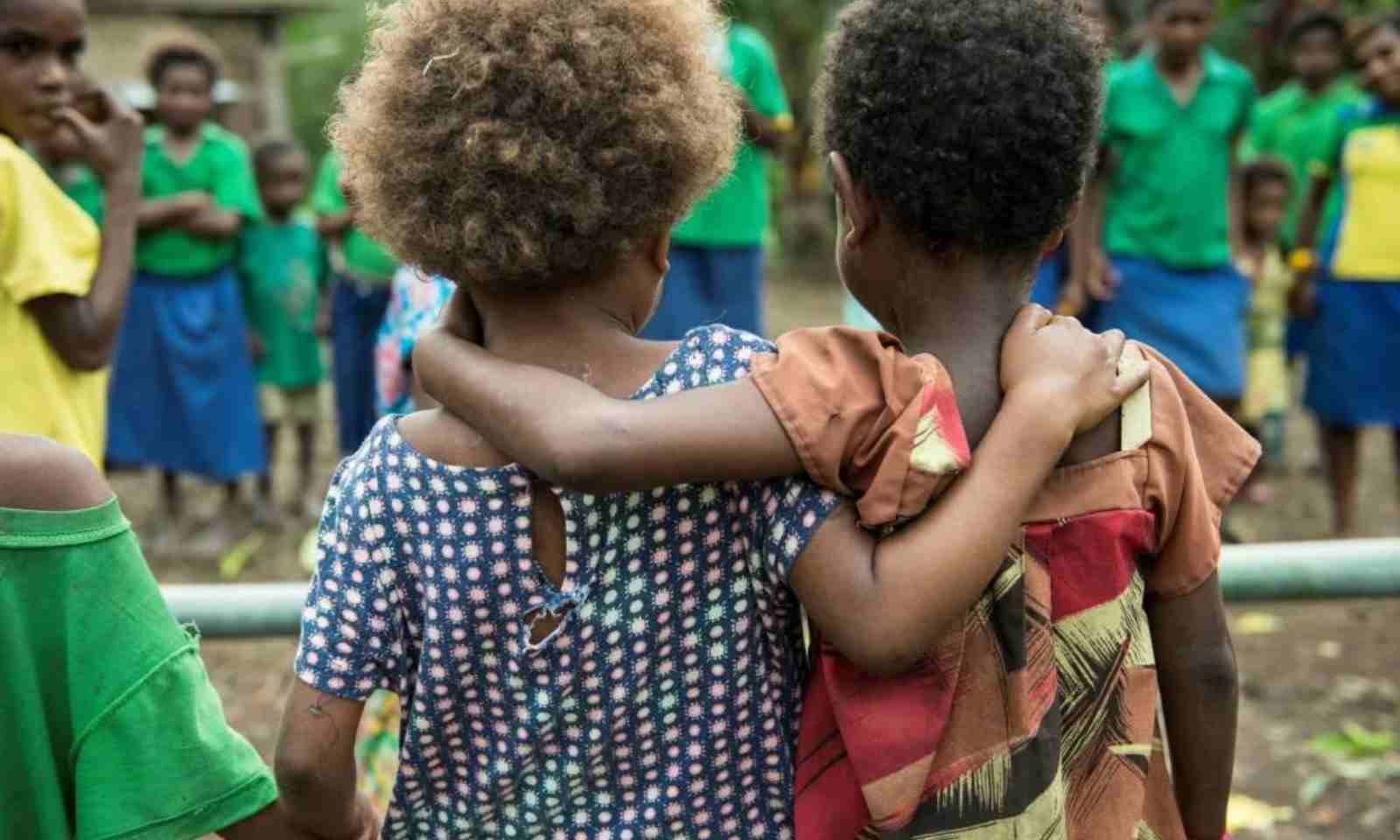
Pacific children are being urged to have a stronger voice in decisions that affect their safety, wellbeing and future. Photo/Save The Children
She says the threats facing children are also changing with climate-related disasters increasing stress on families and more children exposed to risks online.
Koch says the issue is both a human rights responsibility and a practical investment in Pacific communities.
“Kids grow up, when they grow up feeling safe, they're learning better, they're healthier, they end up growing up to be more productive adults. That's what every government wants, right?”
The wider child protection debate is also playing out in New Zealand where the Free Speech Union has criticised a recent High Court decision to keep the identity of a convicted child sexual abuse offender permanently suppressed.
The union says the decision protects the offender and his family while the court's decision remains subject to the legal rules around name suppression.
For Pacific advocates, the wider message is that protecting children requires more than statements and promises.
Koch says governments need to listen to children, invest in services and turn their commitments into action.
“One per cent is just not enough and we look forward to seeing all of those pledges come to real life.”
Save the Children says the next step is to turn Pacific governments’ child protection pledges into funded plans, stronger services and clear accountability.