'Don't count yourself out': Porirua by-election candidate’s push for voter participation
Taelegalolo'u Mary AfemataFri, 09 Oct
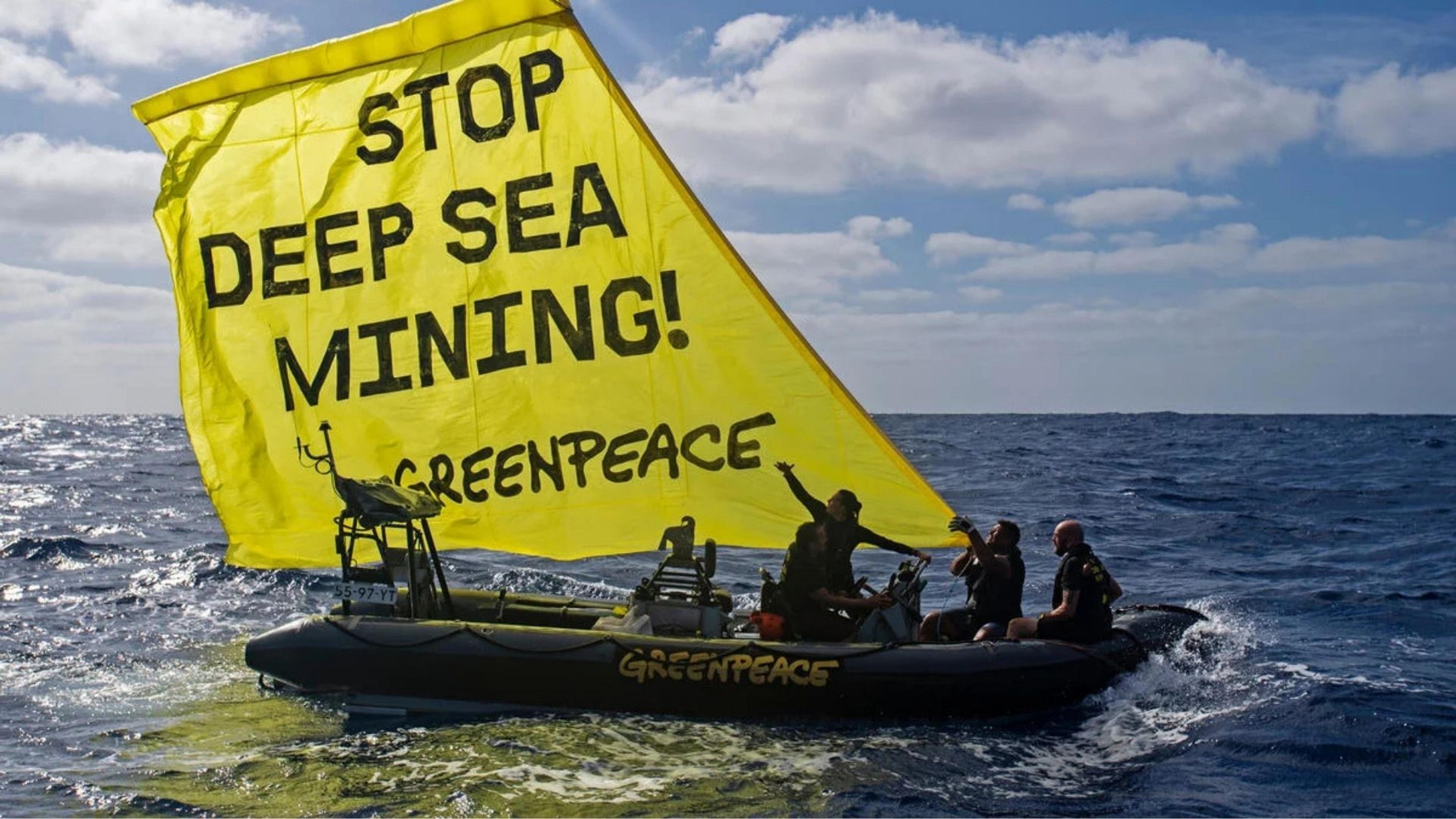
Deep sea mining is drawing growing interest in the Pacific as countries weigh the promise of critical minerals against risks to ocean ecosystems, fisheries and livelihoods.
Photo/Greenpeace
A report warns commercial mining could begin next year while Pacific leaders raise concerns over environmental risks and the lack of global rules.



The Pacific is facing growing pressure over deep sea mining, with commercial operations potentially beginning as early as 2027 while global rules for the industry remain unfinished.
A new Lowy Institute report says Pacific countries are being caught between growing demand for critical minerals and concerns about the damage mining could cause to the ocean.
At the same time, opposition is growing in US Pacific territories where leaders are pushing back against plans by the Trump administration to open millions of hectares of seabed to exploration.
The Lowy Institute analysis, Fault lines beneath the Blue Pacific: Deep-sea mining and the future of Pacific unity, says the Pacific seafloor contains large deposits of minerals used in batteries, weapons systems and clean energy infrastructure.
But Dr Connor Graham, a Research Fellow in the Pacific Islands Program at Lowy and author of the report, warns Pacific countries are being left to negotiate individually with powerful foreign governments and mining companies.
“For the Pacific Island nations caught in the middle of this great power battle for critical mineral supremacy, the economic proposition is difficult to refuse,” Graham writes.

Lowy Institute Research Fellow Dr Connor Graham says Pacific countries face growing pressure to negotiate individually with governments and companies seeking access to seabed minerals. Photo/Lowy Insitute
“In return for sponsoring mining companies, Pacific nations are being promised significant revenue.
"The problem is not that Pacific nations disagree; it is that they are being forced to negotiate individually against parties with vastly more resources, information, and legal capacity and that the international framework designed to protect them has stalled.”
The International Seabed Authority (ISA) has spent more than a decade working on rules for deep sea mining but there is still no agreed mining code, liability framework or guaranteed system for sharing the benefits.
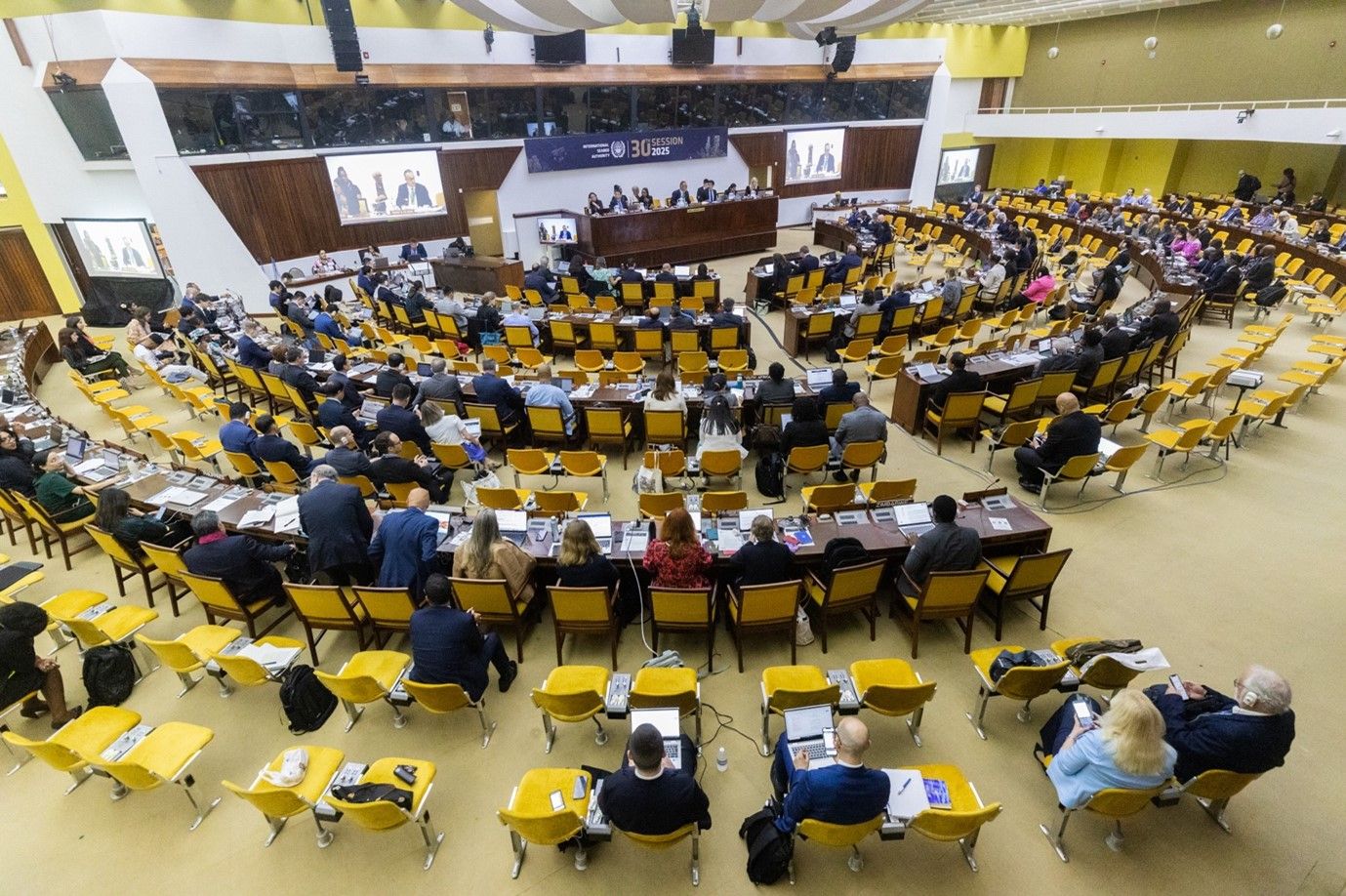
Delegates at an International Seabed Authority meeting. The ISA is still working on rules for commercial deep-sea mining, with no agreed mining code in place. Photo/ISA
Graham says Australia also needs to take a clearer position.
“The environmental regulations Australia says must precede deep-sea mining do not exist, and the International Seabed Authority's mining code remains unfinished, yet commercial operations appear imminent,” he says.
Graham is calling for Australia to help Pacific countries build their capacity to regulate the industry and support a Pacific-led approach through the Pacific Islands Forum.
The debate is already playing out in US territories.
The US Department of the Interior's Marine Mineral Administration has proposed leasing about 28 million hectares of seabed in the Mariana region for deep sea exploration.
Northern Mariana Islands Governor David Apatang says his government will approach the proposal “with extreme caution”.
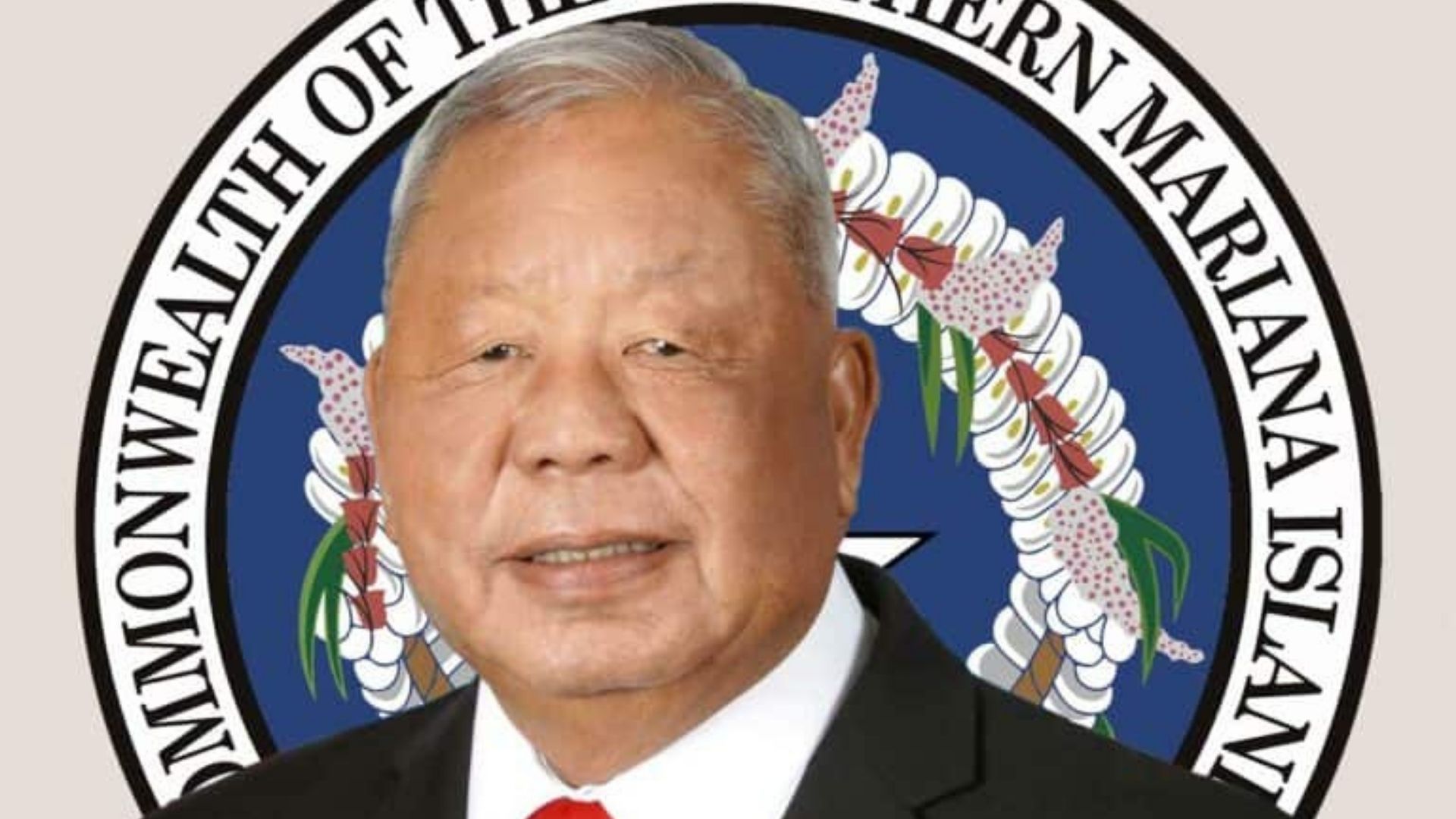
Northern Mariana Islands Governor David Apatang says his government will approach proposed deep-sea exploration in the region “with extreme caution”.
He says no activity should take place without scientific studies, transparency and protections for marine resources.
In Guam, Lieutenant-Governor Joshua Tenorio has gone further.
“We're unequivocally opposed to the deep-sea mining efforts in this region,” Tenorio told The Guardian.
He says assurances that mining would not immediately follow the awarding of licences are difficult to trust because the process is changing rapidly.
The Governor of American Sāmoa, Nikolau Pula, also remains opposed to deep sea mining, citing the potential threat to the territory's tuna industry.
The latest US proposals come as environmental groups in American Sāmoa and Hawai‘i take legal action to stop planned seabed permits.
The groups say mining could cause lasting damage to marine ecosystems and the food chain.
For Pacific communities, the debate is about more than the minerals beneath the ocean.
It is also about who controls Pacific resources, who benefits from them and what happens to fisheries, food security, livelihoods and culture if the ocean floor is damaged.
As commercial interest grows, the Lowy Institute warns the issue could test Pacific unity at a time when governments are being offered major economic incentives to support mining.