
‘Digging into what we know’: Pacific culture offers a clearer path to better mental health
Atutahi Potaka-DewesTue, 13 Oct
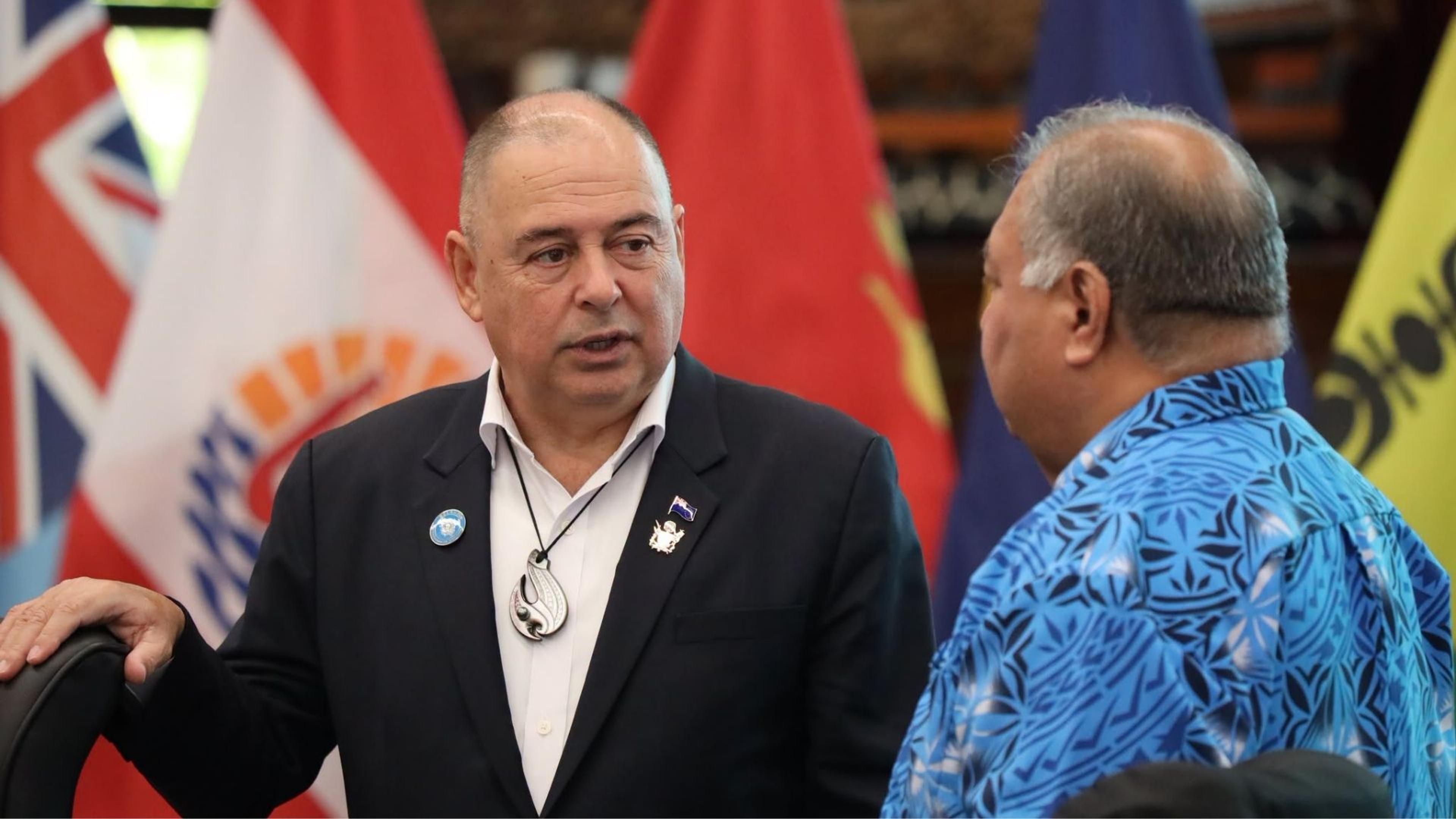
Cook Islands Prime Minister Mark Brown, left, with Forum Secretary-General Baron Waqa in Palau: Brown says his government will stick to a cautious, science-led approach to seabed mining after securing a historic fifth consecutive term.
Photo/Pacific Islands Forum
Mark Brown says a strong election mandate will not mean a rush to deep sea extraction as a new report warns Pacific governments could face costly legal claims if they later change course.



Cook Islands Prime Minister Mark Brown says his government will stick to science and caution on seabed mining despite winning a historic fifth consecutive term with a constitutional majority.
Brown says the Cook Islands has a strong regulatory system and will not move from exploration and research to extraction until it has the answers it needs.
“We need to have the answers before we move forward to extraction,” Brown told Pacific Mornings host William Terite.
His comments come as a new report warns Pacific governments could face costly legal action from foreign investors if they introduce stronger environmental rules, withdraw licences, or change their position on deep sea mining.
The report, Undermining Sovereignty: De-risking the Pacific from Investor-State Disputes in Deep-Sea Mining, was released by the Pacific Network on Globalisation (PANG) last week.
Its author, Professor Emeritus Dr Jane Kelsey, says investor-state dispute rules could make it harder for governments to respond if new evidence shows seabed mining is harmful.
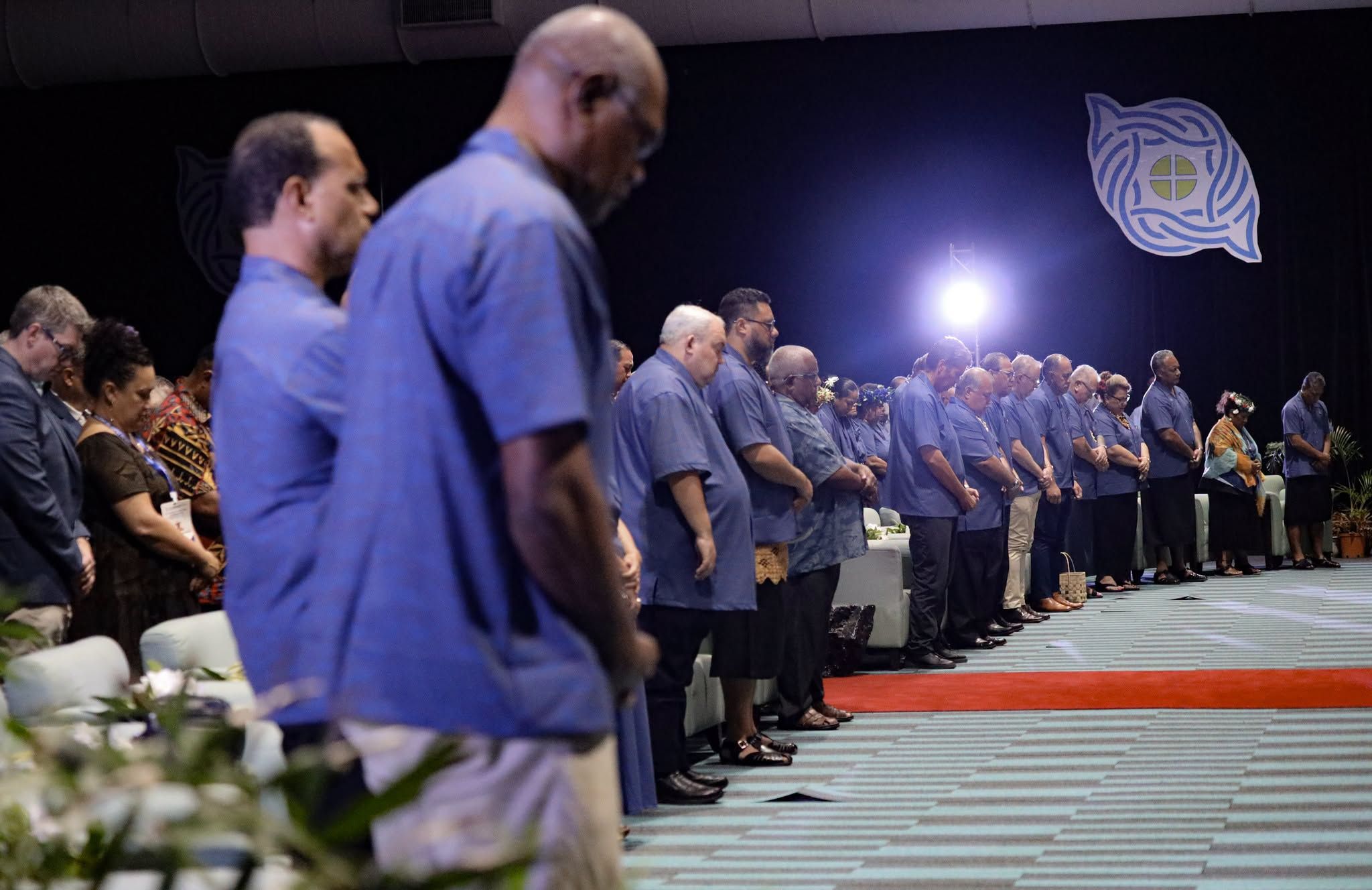
Pacific leaders in Palau: governments are being warned about the environmental and legal risks linked to deep sea mining as the industry develops across the region. Photo/Pacific Islands Forum
“We call that the chilling effect,” Kelsey said at the report's launch in Suva.
The report identifies the Cook Islands, Papua New Guinea, Tonga and Naoero (formerly Nauru) as having different levels of exposure to possible investor claims.
Kelsey says companies could seek compensation over government decisions affecting their investments, including expected future profits.
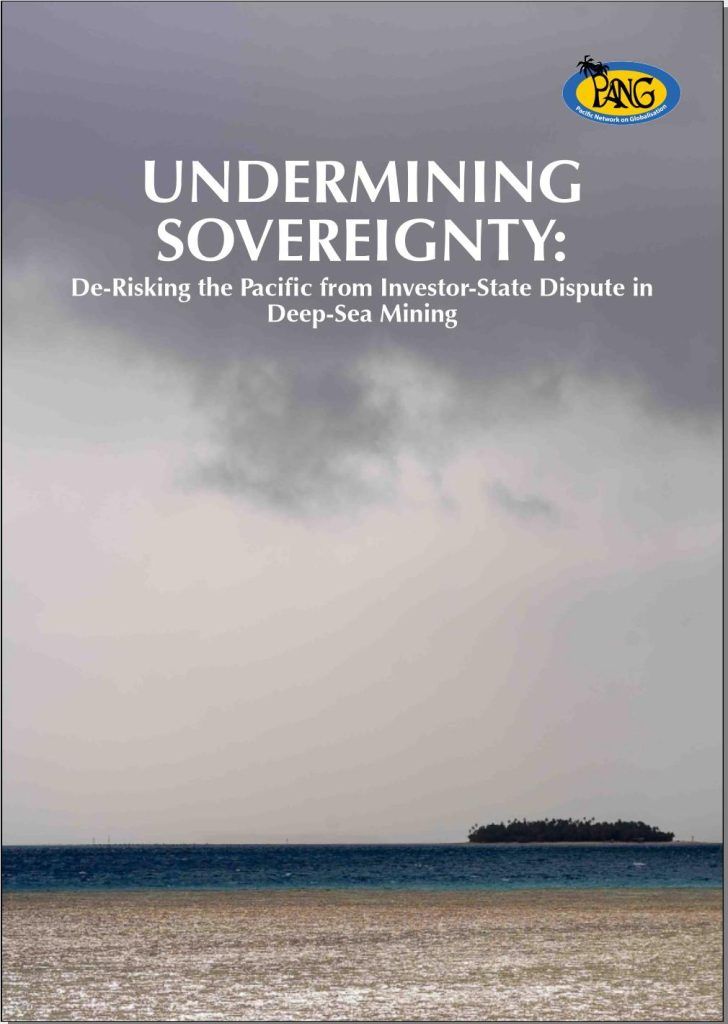
The report Undermining Sovereignty: De-risking the Pacific from Investor-State Disputes in Deep-Sea Mining was launched in Suva, warning Pacific governments could face costly legal claims over decisions on seabed mining. Photo/PANG
“The goal is really twofold. One is to seek and receive massive compensation awards for what government has done... on the future profits that they expect from the entire 50 or 60 years of operation,” she says.
Adam Wolfenden, PANG Deputy Coordinator, says tying investor protections to an industry where the environmental impacts are still uncertain creates a major risk for Pacific states.
“To tie ISDS to this new industry, this experimental industry, is an enormous liability for the Pacific island countries,” he said at the launch.
For the Cook Islands, the issue is about whether the government can still change direction if the science or public view changes.
Sieni Tiraa-Ivaiti, Te Ipukarea Society Environment Campaign Manager, also attended the launch and said communities need greater access to information about the companies and agreements involved.
Listen to Mark Brown's full interview below.
“Company structures and ownership can change. Ultimate ownership and control are not always clear. Important contracts, agreements, and legal documents aren't accessible either,” she said.
“The Cook Islands must retain the sovereign right to protect our ocean and our people.
"Our government should be able to pause, strengthen regulation, or change direction without the threat of costly investor claims.”
The concern is shared elsewhere in the region.
In Tonga, Olive Mafi of the Civil Society Forum, says national consultations have shown strong opposition to deep-sea mining.
“The overwhelming majority of those people who have taken part in this discussion said no to deep-sea mining,” Mafi, who represented the kingdom at the launch, said.
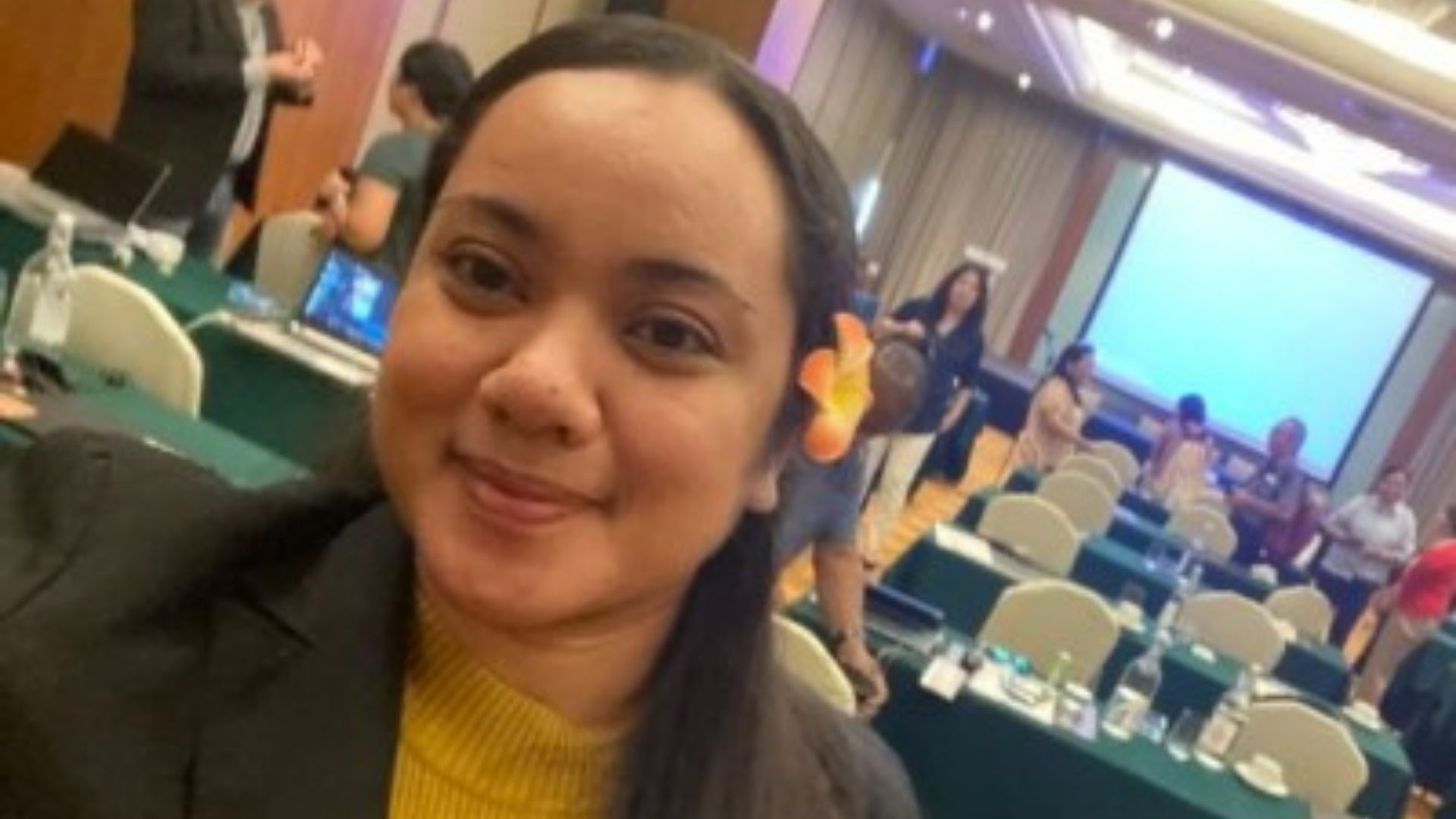
Olive Mafi of the Civil Society Forum of Tonga says communities in Tonga have repeatedly raised concerns about deep-sea mining during national consultations.
“What this report shows is that a decision like that now comes with a price tag set by arbitrators in someone else's country.”
In Papua New Guinea, Healthy Oceans Network's Samantha Kuman says the country's past experience with investor disputes should be a warning.
“The threat of arbitration or its challenge is not only what happens to our ocean and our land, it's the threat that also what happens to our sovereignty, our laws, our public finances,” Kuman, who represented the Network at the launch, said.
“Prevention is cheaper than arbitration and sovereignty is more valuable than a long-term investment promise.”
Brown says the Cook Islands' election result supports the government's existing approach.
Watch highlights of day one at the Forum Week in Palau below.
“It's really a vindication, a strong mandate from our people that the pathway we are taking, one of precaution, one of science and evidence, is the one that they support,” he told Terite.
The issue is likely to remain part of wider Pacific discussions as leaders meet in Palau for the 55th Pacific Islands Forum Leaders Meeting this week. The summit ends on 4 September. Visit PIF for more details.