‘Soul resuscitation’: Pioneering Vagahau Niue and cultural connection down South
Atutahi Potaka-DewesFri, 23 Oct
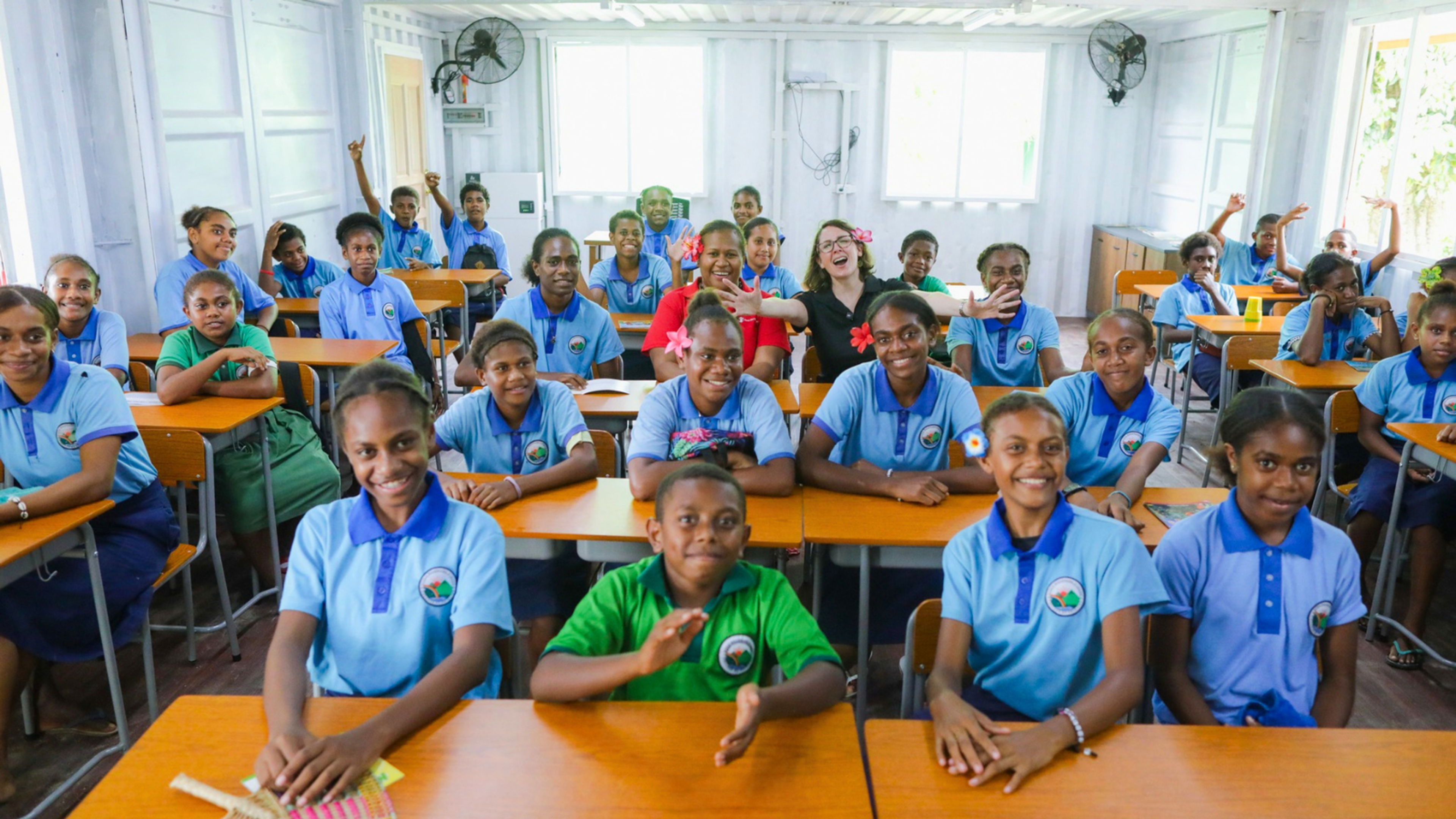
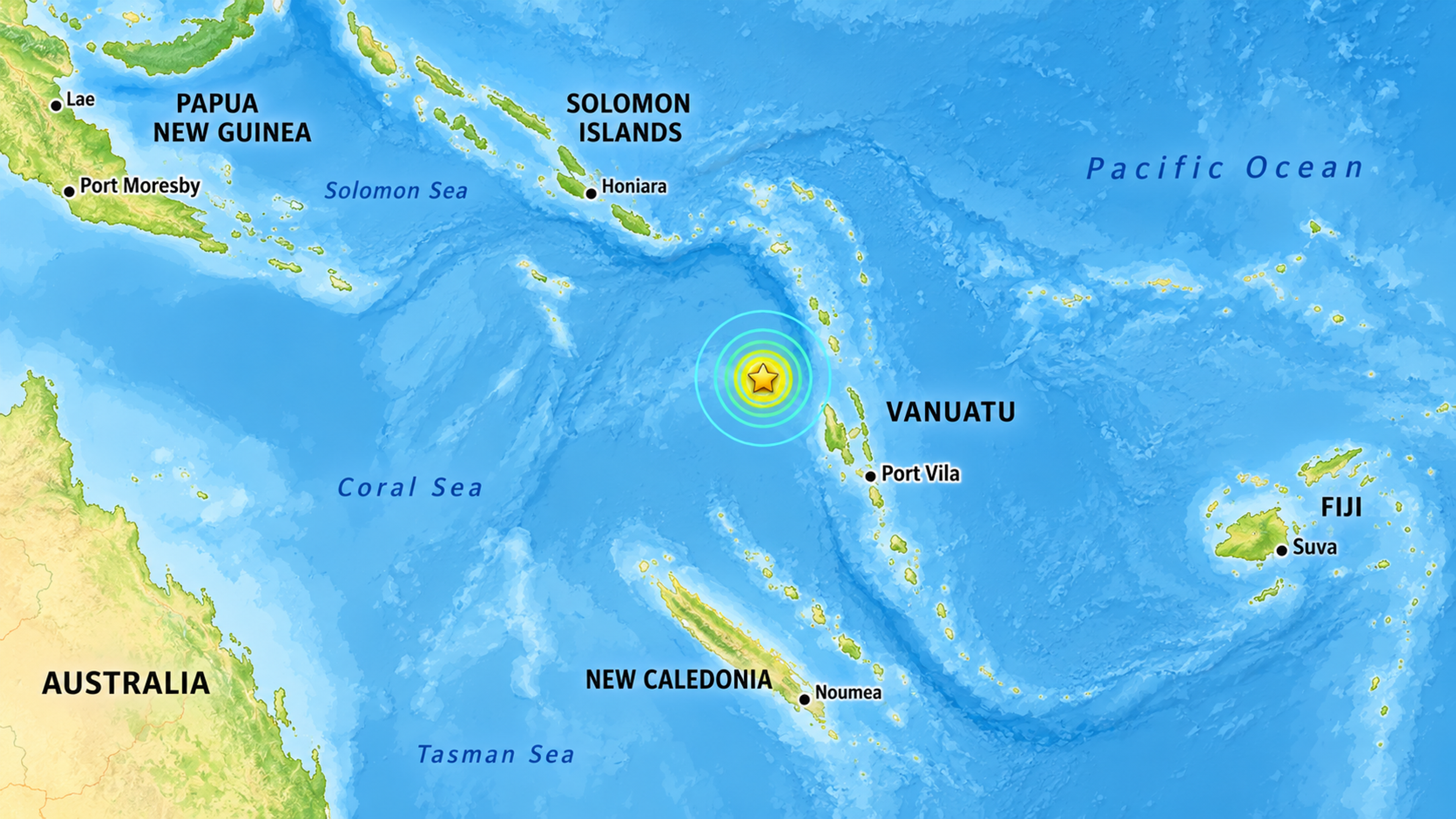
Vanuatu is among the most disaster-prone countries in the world, regularly hit by cyclones, earthquakes, floods and volcanic activity, all of which disrupt schooling.
Photo/Ministry of Education and Training, Vanuatu
The Pacific-led International Court of Justice climate ruling was hailed as a historic victory but Save the Children New Zealand says children are still waiting to see real change in their daily lives.



A year after the world's highest court confirmed countries have a legal duty to protect the climate, Save the Children New Zealand (STC) says Pacific children are still living with the daily impacts of a crisis they did little to create.
The landmark advisory opinion from the International Court of Justice (ICJ) on 23 July 2025 was driven by Pacific leadership after a campaign launched by 27 law students at the University of the South Pacific and championed by the Vanuatu government.
The ICJ confirmed that protecting the climate system is a binding legal obligation under customary international law.
Speaking with William Terite on Pacific Mornings, Heather Campbell, the Chief Executive of STC New Zealand, said the ruling was a major step forward but it has not yet changed life for many children across the Pacific.
“The ICJ ruling confirmed that protecting the climate isn't optional for countries. That it's not a matter of goodwill or ‘maybe we should do something’, but that absolutely governments have an obligation to act and protect children,” Campbell says.
“What has changed is a growing international recognition of that obligation. We've seen organisations like the UN endorse that decision.
Listen to Heather Campbell’s full interview below.
“On the other hand, the reality for children is that climate change and climate crisis hasn't paused for an international legal ruling.”
Campbell said the effects of climate change continue to disrupt children’s education and wellbeing across the region.
In Vanuatu, where communities regularly face cyclones, earthquakes, floods and volcanic activity, schools can remain damaged for months.
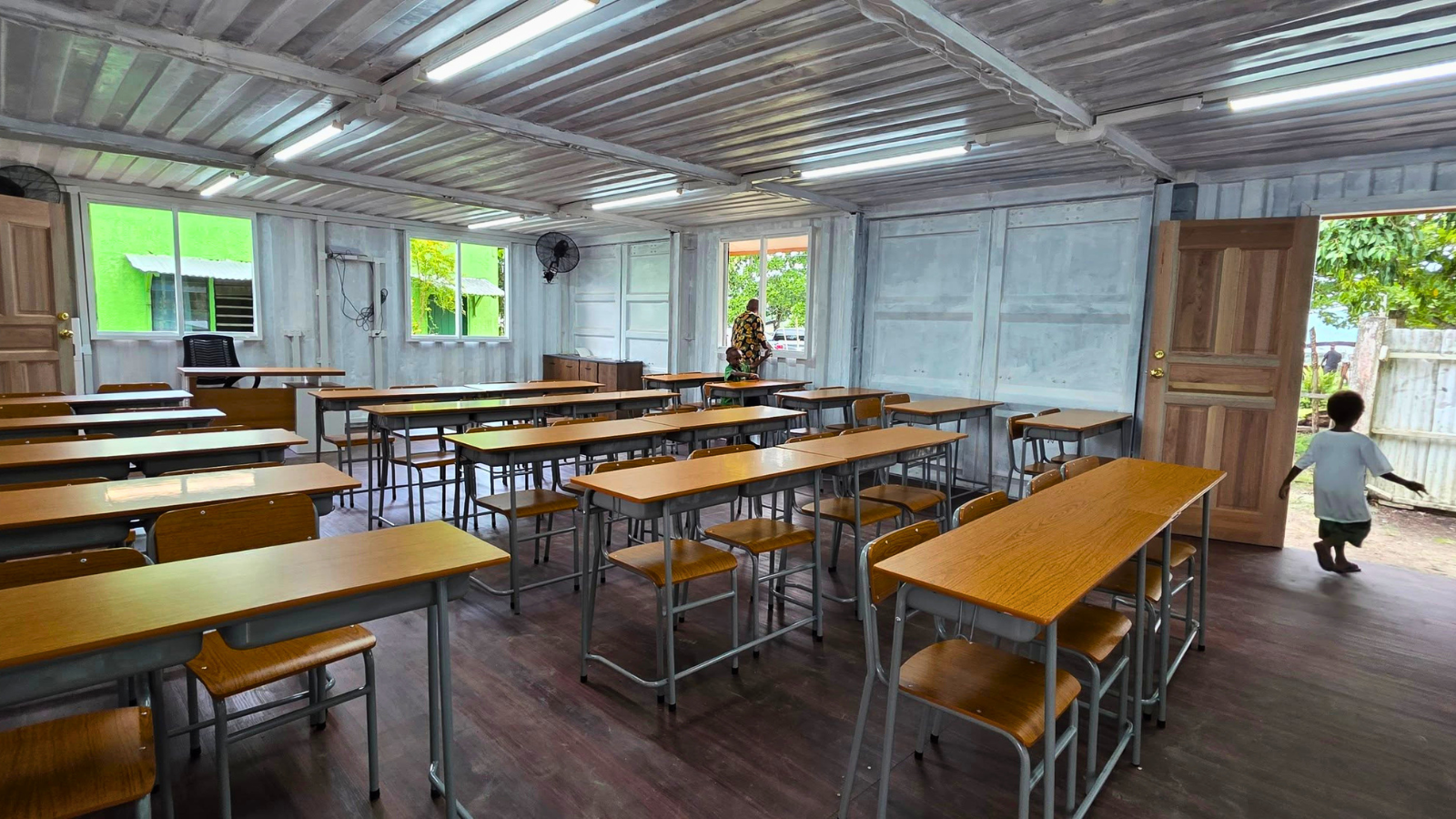
Interior of the container classroom with seating for 40 students. Photo/Ministry of Education and Training, Vanuatu.
Campbell said some children are forced to learn in tents because permanent classrooms cannot be rebuilt before another disaster strikes.
She said legal victories must now be matched by practical action and investment to help communities adapt.
One example is Vanuatu’s first climate-resilient container classroom, built at a cost of NZ$100,000 to withstand Category 5 cyclones and provide a safer place for children to continue learning after disasters.
The anniversary of the ICJ ruling has also prompted renewed calls from Pacific leaders to turn legal recognition into action.
Speaking during a webinar hosted by Pacific Island Students Fighting Climate Change (PISFCC), Vanuatu’s High Commissioner Viranria Brown said communities were not waiting for global processes and were already drawing on traditional knowledge and local innovation to build resilience.
Alofipo So'oalo Fleur Ramsay, an international human rights lawyer, says the success of the advisory opinion by the ICJ would ultimately be measured by its impact on frontline communities.
“The influence of the ICJ [Advisory Opinion] on climate litigation is still being shaped. My concern for the ICJ advisory opinion is that it be used in a way which does not undermine this course correction,” Alofipo says.
She says legal campaigns must reflect the actual lived experience of Pacific communities that have already suffered severe and irreversible harm for decades at temperatures well below 1.5 degrees.
Vishal Prasad, the Director of PISFCC, says the ICJ ruling would only make a lasting difference if governments were held accountable.
Prasad says youth across the Blue Pacific would continue pushing world leaders to turn to the world court's landmark decision into meaningful protection for frontline island communities.
Fiji’s Environment Permanent Secretary, Dr Sivendra Michael, says the advisory opinion gives the region structural legal power, establishing the 1.5 degree temperature guardrail as settled law.
“The Pacific no longer negotiates on the basis of a moral appeal, vulnerability or charity. We negotiate on the basis of the law,” Michael says.
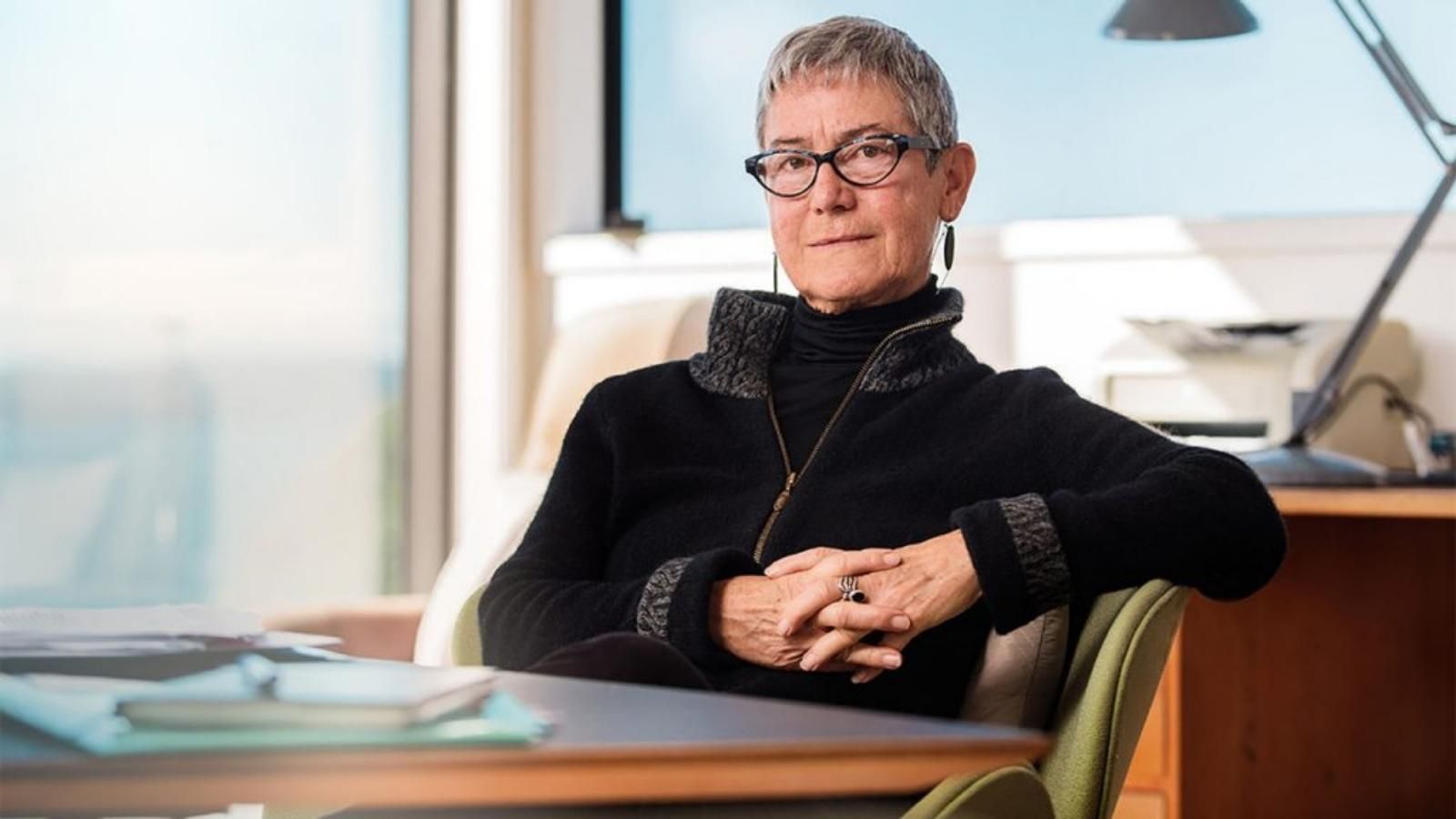
Jane Kelsey is Professor Emeritus of Law at the University of Auckland. Photo/University of Auckland
Professor Jane Kelsey, a legal scholar, warns that policy choices in New Zealand threaten to undermine these international breakthroughs.
In an analysis on proposed domestic legislation granting emissions immunity to major polluters, Kelsey points out the stark contradiction of passing regressive environmental laws while endorsing international court rulings.
She warns that attempting to insulate domestic emitters from legal accountability risks damaging New Zealand's international credibility and puts key trade relationships with the European Union in jeopardy.
For Save the Children, the message one year on is simple: the legal victory has been won, but Pacific children are still waiting for that victory to be felt where it matters most - in their classrooms, their communities and their future.