Free education pledge inspires Solomons students in Aotearoa
Lachlan EddieMon, 19 Oct
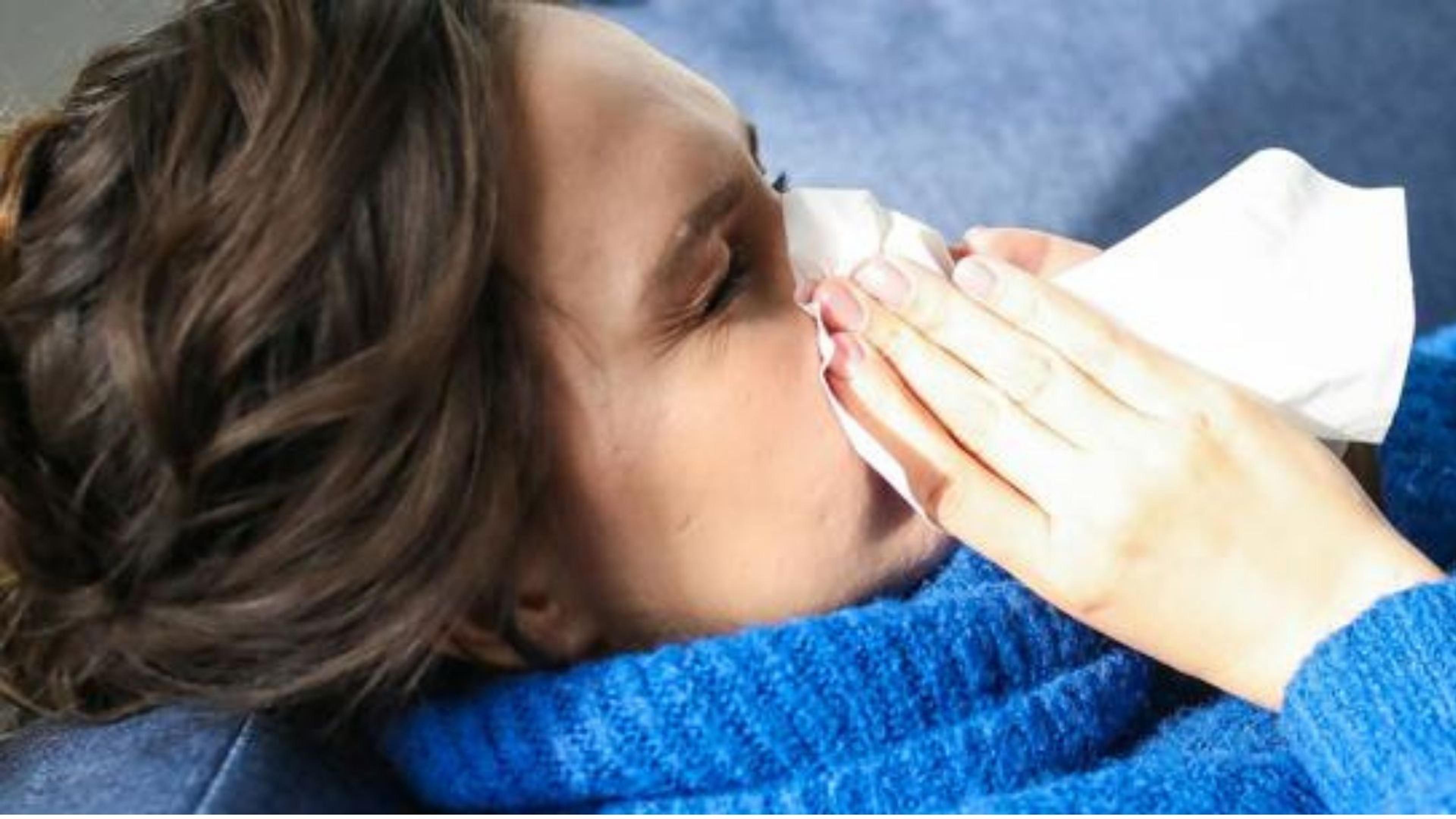
Pacific communities face some of New Zealand’s highest rates of respiratory illness, but remain underrepresented in the systems tracking its spread.
Photo/PHF Science NZ/file
Researchers reveal Pasifika face a high burden of respiratory illness but are being under-represented in the systems used to detect outbreaks early.

The communities carrying some of New Zealand's highest rates of respiratory illness are among those least visible in the systems designed to warn health authorities when illness starts spreading.
New research has found Pacific people have been consistently underrepresented in Aotearoa’s community respiratory surveillance.
The data raises concerns about whether outbreaks in these communities are being picked up early enough.
The study, published in the Journal of the Royal Society of New Zealand, looked at FluTracking and the national general practitioner (GP) respiratory surveillance network between 2018 and 2024.
By 2024, FluTracking was capturing less than one-third of the Pacific participation researchers expected, with an average shortfall of about 4674 Pasifika each year.
Papali'i Dr Debbie Ryan, a study co-author at Pacific Perspectives, says surveillance is important because it gives health authorities an early warning when illness is spreading.
Watch Dr Debbie Ryan's full interview below.
“Surveillance is an early warning system that tells us where there is illness in the community,” she told William Terite on Pacific Mornings. “This means public health action can go in early.”
But Papali'i says Pacific communities are not properly represented across more than one surveillance system. This means the gap, “the blind spots are reinforcing each other”.
Counties Manukau is home to 38.5 per cent of New Zealand’s Pacific population, but accounted for just 24.5 per cent of Pacific FluTracking participants.
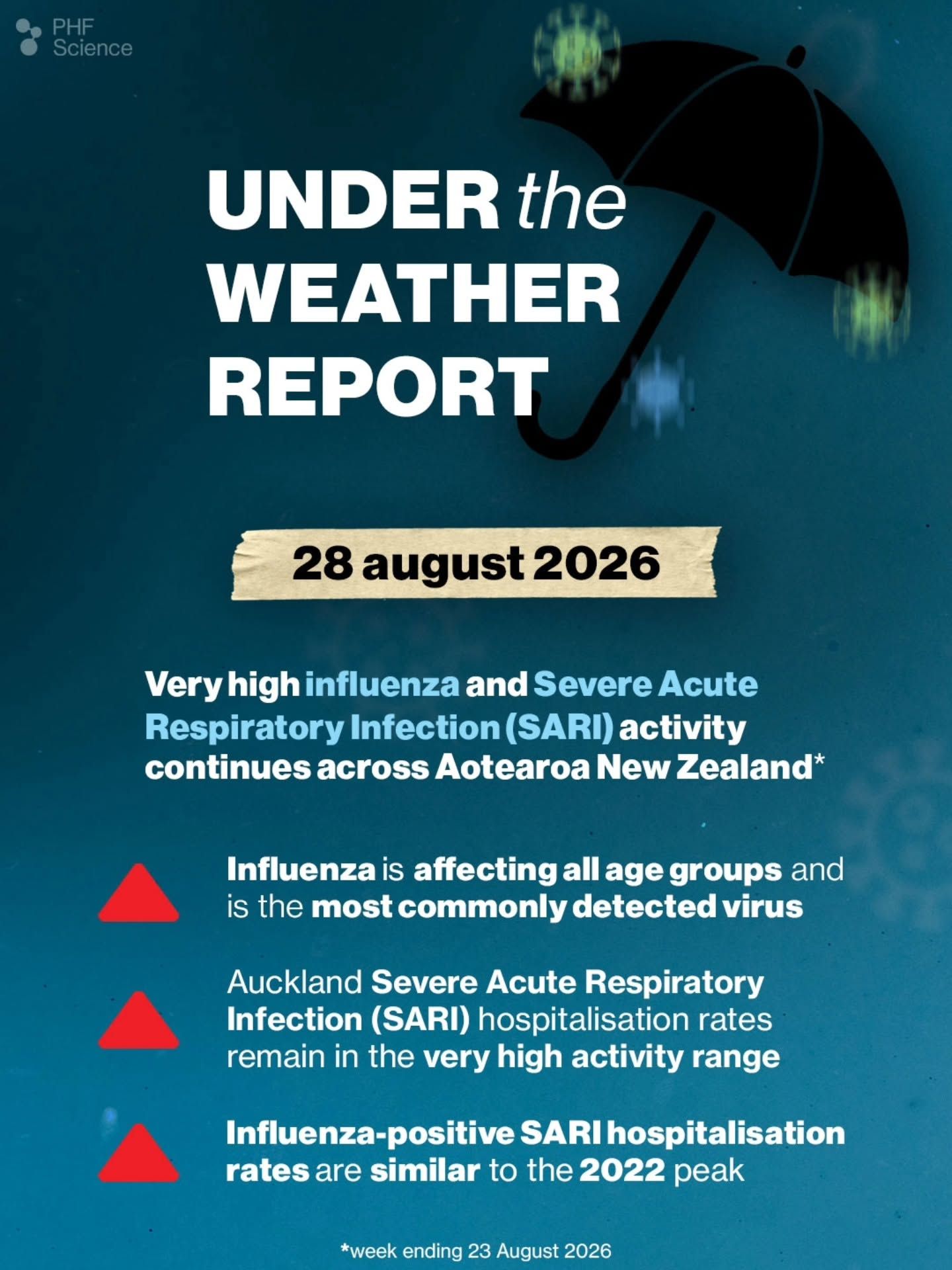
FluTracking helped health authorities monitor respiratory illness in the community, but Pacific participation remained well below expected levels. Photo/PHF Science, NZ
The Ministry of Health and Health Intelligence and Surveillance (PHF Science) say the study examined two community-based surveillance systems in isolation rather than assessing Aotearoa’s respiratory surveillance system as a whole.
“New Zealand's respiratory illness surveillance system is designed as a set of complementary components, and no single component is expected to provide the full picture on its own,” Bex Joslin, Manager Surveillance and Intelligence, Ministry of Health, and Andrea McNeill, Interim Group Leader PHF Science said in a joint statement.
Only two of the 77 GP practices involved in the separate respiratory surveillance network were in Counties Manukau.
Papali'i says the study can not explain why participation is lower in South Auckland, but relying on people to volunteer is not enough to ensure the data reflects the communities most affected.
“We know that large Pacific populations live in South Auckland. There are high levels of respiratory illness in this community,” she says.
“If we see that the general practices in a community are most under pressure, then actually we need to put more resources in there because we need the community surveillance system to work for everyone.”
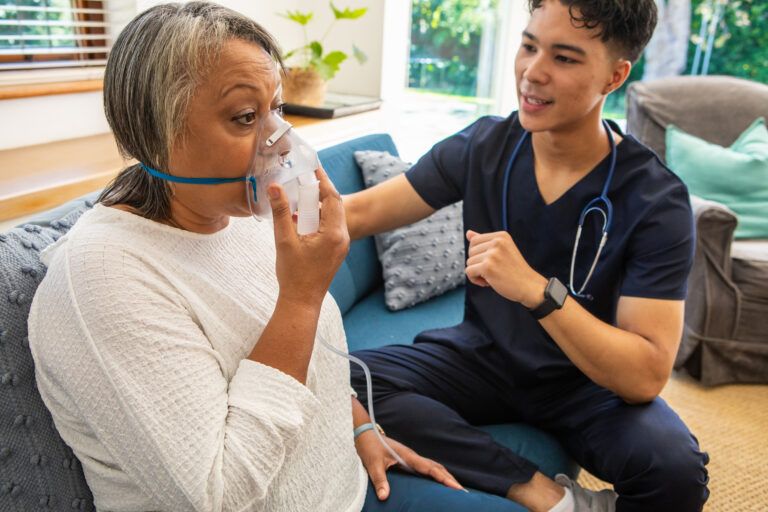
Asthma and other respiratory illnesses continue to place pressure on health services across Aotearoa, with Pacific communities among those most affected. Photo/kaitiaki.org.nz
The study also found Pacific people living in the most deprived communities were less visible in FluTracking.
While an estimated 55.8 per cent of Pasifika live in the most deprived areas, only about 37 per cent of Pacific FluTracking participants came from those communities.
Joslin and McNeill acknowledge that community-based GP surveillance can only capture people who are able to access health services.
They say there are longstanding barriers to primary care, which fall hardest on Pacific communities and people living in areas experiencing high levels of socioeconomic deprivation.
That matters because the Ministry of Health ended its FluTracking contract in December 2025, saying other sources such as Healthline, general practitioner (GP), hospital and laboratory data could provide similar information.
The Ministry says its most detailed data on serious respiratory illness comes from sentinel hospital surveillance in Auckland and Counties Manukau, where Pacific people make up 17.7 per cent of the catchment population compared with 7.2 per cent nationally.
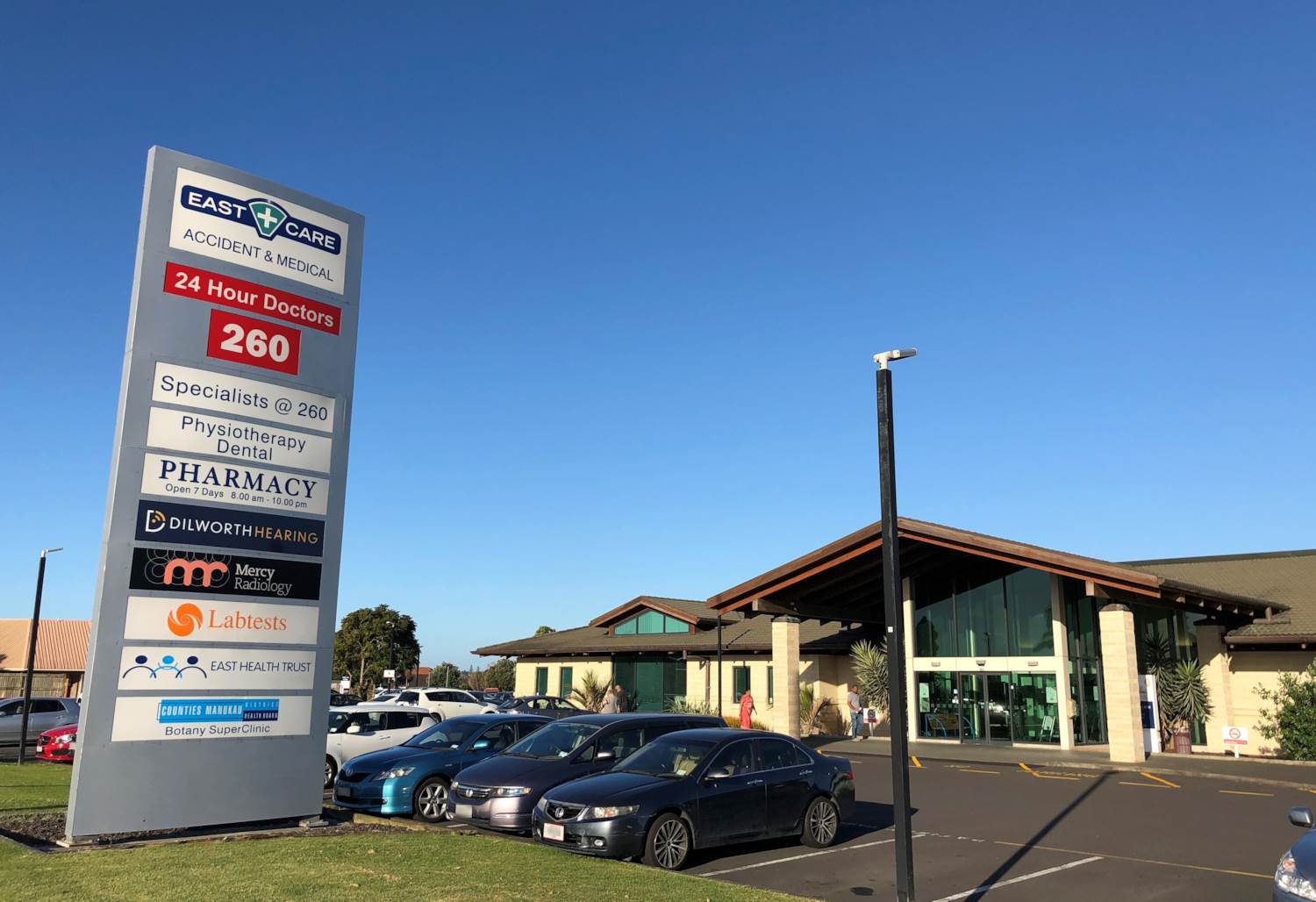
Counties Manukau is home to a large share of New Zealand’s Pacific population but was underrepresented in Pacific FluTracking participation. Photo/eastcare.co.nz
“That over-sampling is deliberate, and it means Pacific communities are well represented in the data we rely on most for monitoring severe disease.”
Papali'i says those remaining systems now need to be checked to make sure they are capturing Pacific communities properly.
“How well are these other systems working so that we can be confident that early illness in Pacific communities will be picked up?” she says.
Dr Gerard Sonder, another study co-author, says the decline in Pacific participation in FluTracking was likely linked to a lack of active recruitment.
He told PMN News that GP practices in areas with high levels of respiratory illness may also have less capacity to take part.
“If the burden of disease is highest on those clinics, it's also likely that they have at least a space to participate in surveillance.”

Dr Gerard Sonder, co-author of new research into Pacific representation in respiratory illness surveillance. Photo/Pacific Perspectives
Sonder says having several surveillance systems increases the chance of detecting an outbreak, but ending one system does not fix the wider problem of who is represented in the data.
The Ministry and PHF Science say both systems examined in the study have also changed since the 2018-2024 study period.
FluTracking is no longer operating, while GP surveillance was revised in 2025 to recruit 30 to 40 high-engagement practices for robust community virological surveillance.
The researchers are calling for regular checks of ethnic, geographic and socioeconomic representation, along with more GP practices in Pacific-heavy areas such as Counties Manukau and Waitematā.
They also want health authorities to work directly with Pacific health providers and organisations to improve participation.
The agencies say they are continuing to review and strengthen the respiratory surveillance system, working with the National Public Health Service and PHF Science.
Photo/RNZ
The warning comes as health services face ongoing pressure from respiratory illness, with the Cardiac and Respiratory Foundation NZ urging people not to delay seeking urgent care because of concerns about long emergency department waits.
The Foundation says people experiencing heart attack symptoms should call 111 or go to their nearest emergency department immediately.
This story has been updated with a response from the Ministry of Health and PHF Science addressing the study’s findings on Pacific representation in respiratory surveillance.