Online vault aims to return Pacific research to the community
Aui'a Vaimaila Leatinu'uWed, 21 Oct
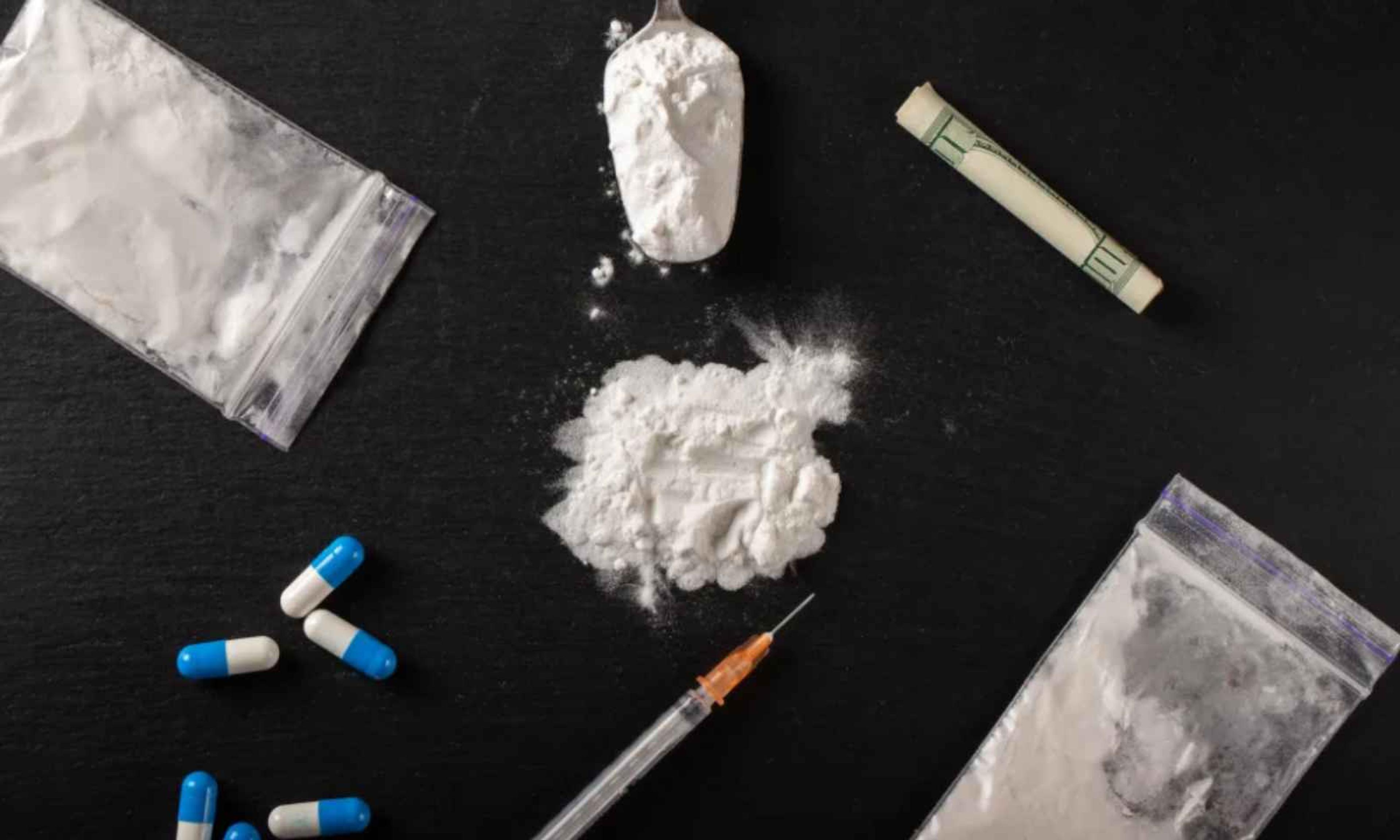
A new policy paper published by the Pacific Security College in collaboration with the Global Initiative Against Transnational Organized Crime (GI-TOC) calls for a Pacific Islands Forum-led regional summit in 2027 to help coordinate responses to the crisis.
Photo/Supplied/RNZ/Aleksandr Shyripa
Documents reveal growing concern that the region is being used as storage and trafficking hubs for meth and cocaine bound for Aotearoa and Australia.


New Zealand Customs says Pacific countries are increasingly being used by transnational organised crime groups as storage, transit, and trafficking hubs for illegal drugs bound for New Zealand and Australia.
Internal documents obtained by PMN News under the Official Information Act show Customs believes criminal networks are embedding themselves across the region, taking advantage of weak border systems and, in some cases, corruption.
The documents describe Pacific Island countries as increasingly becoming “production, storage, and trafficking” hubs for organised crime groups.
One briefing warns that “large-scale stockpiling” of methamphetamine and cocaine is taking place across the Pacific, with the drugs “almost certainly” intended for the New Zealand and Australian markets.
Concerns are also raised about the risk of criminal infiltration within Pacific border agencies.
“Given the outcomes of Operation Burrito, New Zealand Customs suspects that Tonga’s supply chain has been compromised,” a document to the Customs Minister, Casey Costello, says.
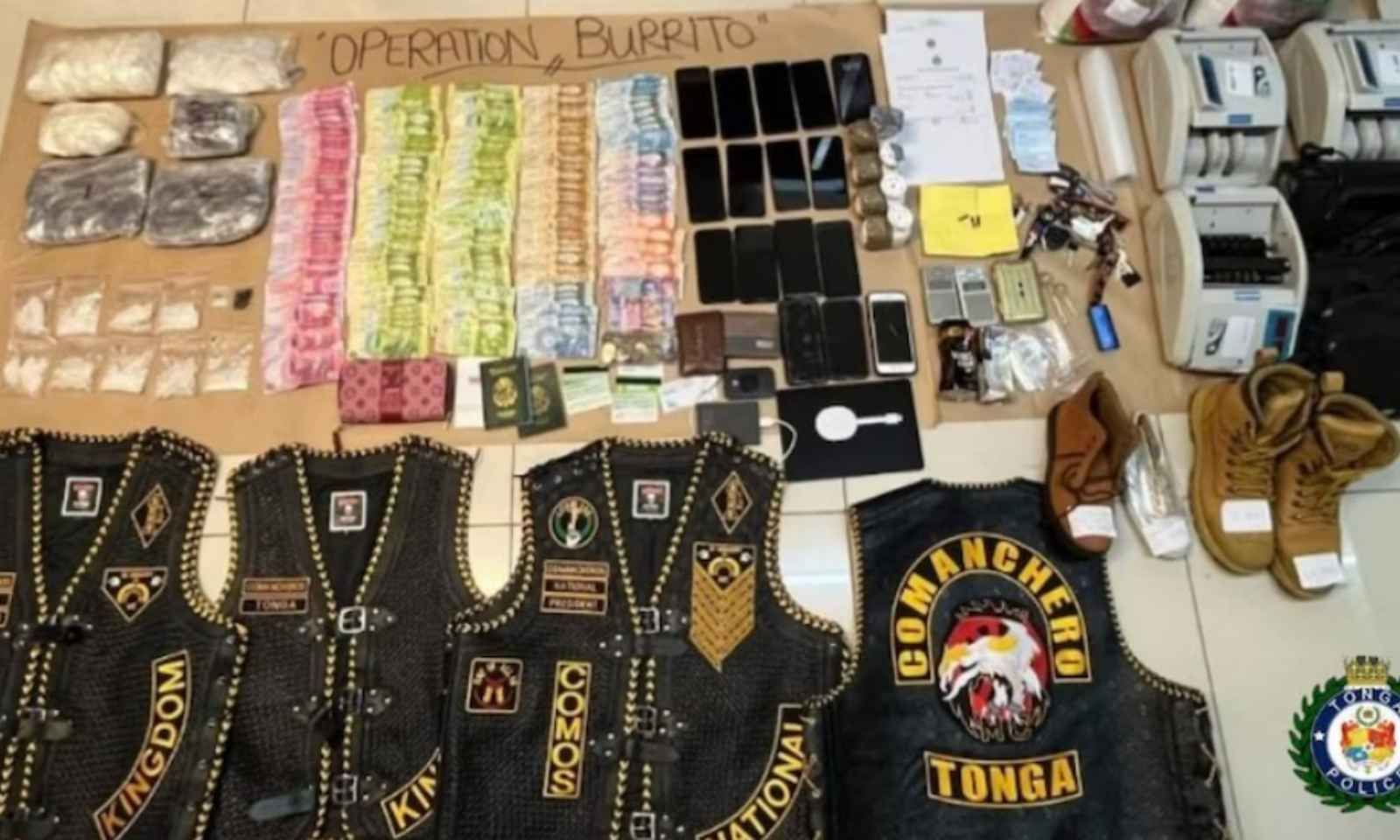
Tonga's police seized methamphetamine and Comancheros outlaw motorcycle gang jackets in raids this month. Supplied/Tonga Police
Operation Burrito was a major joint enforcement operation led by Tonga Police and Tonga Customs, which resulted in the arrest of 17 individuals linked to money laundering, meth importation, and illegal firearms.
Authorities traced the drugs and weapons back to the West Coast of the United States with those arrested including a Tongan customs officer, a prison officer, and members of the Comanchero Motorcycle Gang.
Another Customs assessment warns that organised crime groups are increasingly relying on “professional facilitators and trusted insiders” to move drugs through the region.

The club was established in Scotland by William George "Jock" Ross, who named it after the 1961 John Wayne Western film The Comancheros. Photo/Supplied/RNZ/Anna Sargent
The documents also include a 10-year dataset of Pacific-linked drug seizures between 2016 and 2026, showing a shift from small-scale smuggling to large-scale cargo and maritime trafficking.
Major seizures include nearly 33kg of methamphetamine hidden in a craft linked to Fiji in 2019, almost 30kg in a Tonga-linked sea cargo container in 2021, and more than 22kg of meth sent through Fiji-linked mail routes in 2023.
Virginia Comolli, head of the Pacific Programme at the Global Initiative Against Transnational Organised Crime, says the region is no longer just a transit route.
In an interview with William Terite on Pacific Mornings, Comolli warns the Pacific meth crisis is escalating.
She says the impact is now being seen in public health systems, including rising harm linked to drug use in some countries.
“For a long time, Pacific islands were primarily transit, and as you said, now they are definitely developing domestic consumer markets,” Comolli says.
Watch Virginia Comolli's full interview below.
“In places like Fiji, the fact that people inject methamphetamines and exchange needles has led to one of the fastest-rising HIV rates in the entire world.
“This has wide-ranging implications for public health, security, economic development, and in addition to law enforcement problems, we've seen the problem expanding to other countries as well in terms of drug consumption.”
A recent paper Comolli co-authored, Turning the Tide Together, calls for a Pacific-wide meth summit under the Pacific Islands Forum to coordinate a regional response involving governments, law enforcement, churches, health agencies and civil society groups.
“We cannot arrest our way out of the problem…. This is really a whole of society approach.”
The Customs papers also link parts of the growing drug trade to deportees from New Zealand, Australia, and the US.
Responding to PMN News, Costello said the threat had been building over time and required a coordinated response.
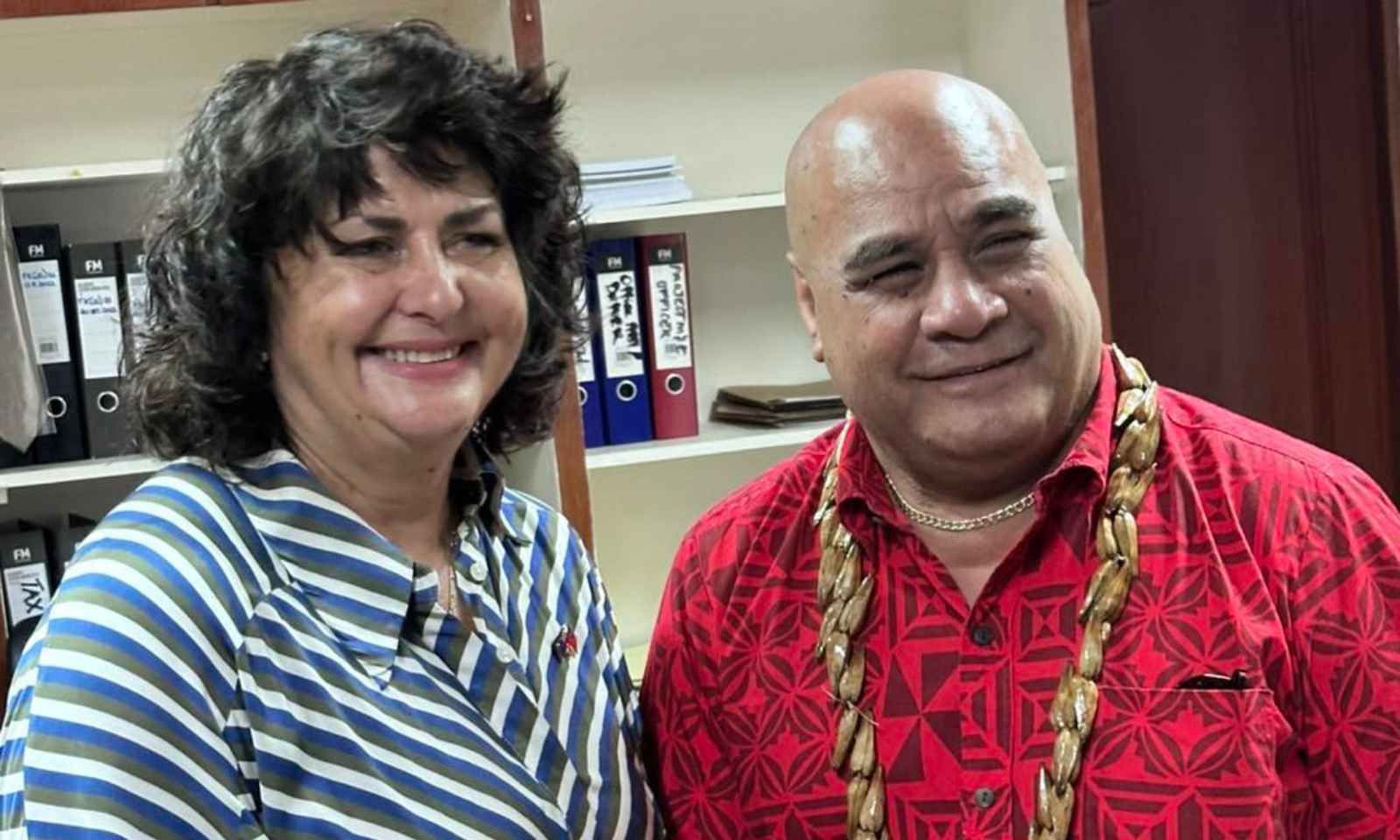
NZ Customs Minister Caseyo Costello pictured with her Sāmoan counterpart Masinalupe Leatuāvao Makesi Pisi. Photo/Supplied/Casey Costello Facebook
“I think it had a big impact on all of us and we're still recovering from that process, so I think that is the reality we're now dealing with and working with those networks that already exist now and how we police it better will be our big challenge moving into the future,” she said.
Costello says New Zealand has expanded support across the region through detector dog programmes, customs training, policing cooperation, and maritime surveillance support.
One briefing identifies Vava’u in Tonga as “a known smuggling route for transnational organised crime”.
Comolli says there is now growing regional political will to tackle the issue together.
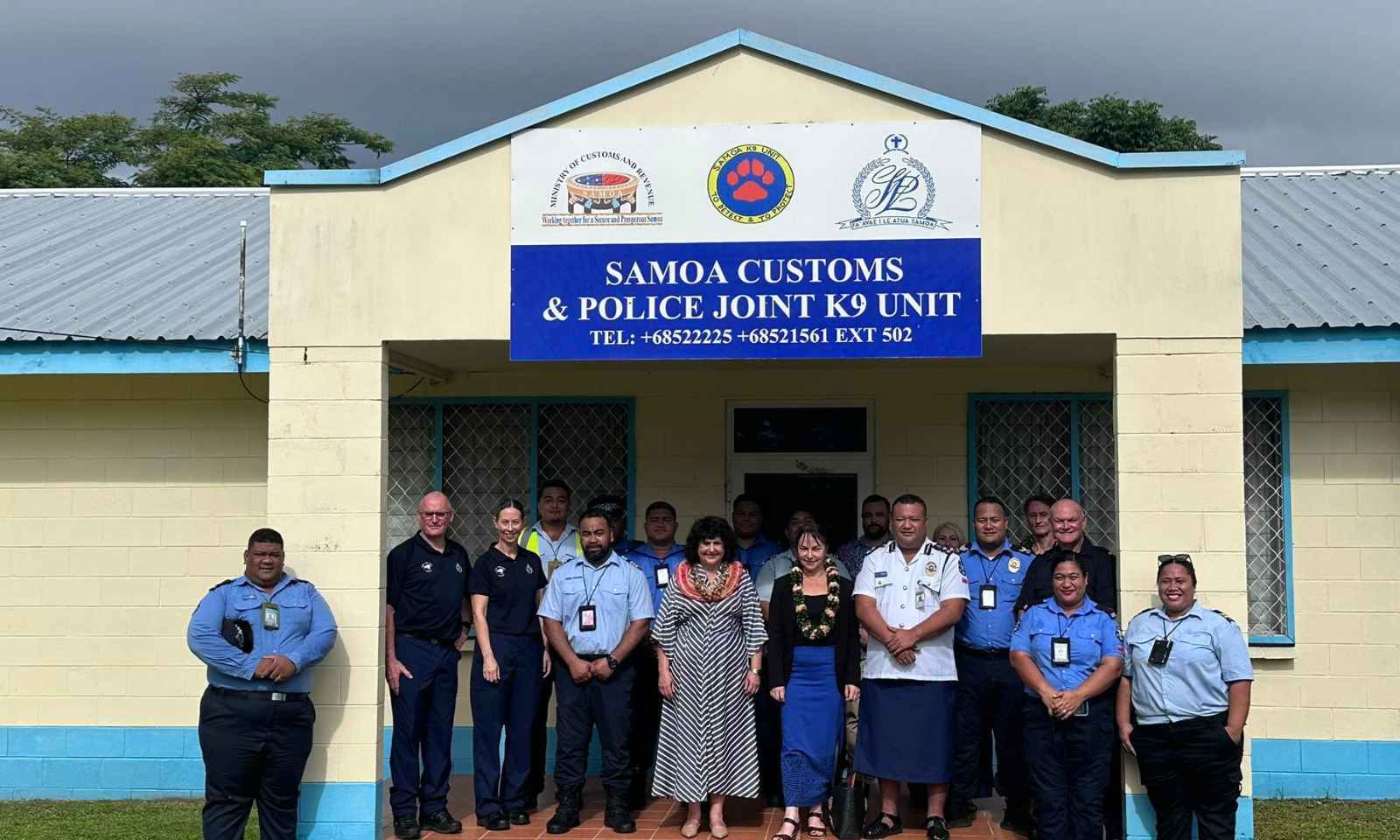
New Zealand has expanded support for Pacific border security through detector dog programmes in Tonga, Sāmoa, Fiji and the Cook Islands, aimed at strengthening the region’s ability to detect drugs, firearms and cash linked to organised crime. Photo/Supplied/Casey Costello
She says the response must involve communities, not just law enforcement. “It is true the crisis has been escalating, but what I find very reassuring at the moment is that there seems to be some very serious political commitment to address the issue.
“The main message is that we need to work together across different sectors. We need the policy makers, we need the law enforcement, we need health, and we need communities.
“We need to make sure that everything that we do actually resonates with local communities and takes into account traditional structures and civil society voices as well.”
The focus now, authorities say, is on disrupting Pacific-linked trafficking networks and strengthening border systems across the region.