
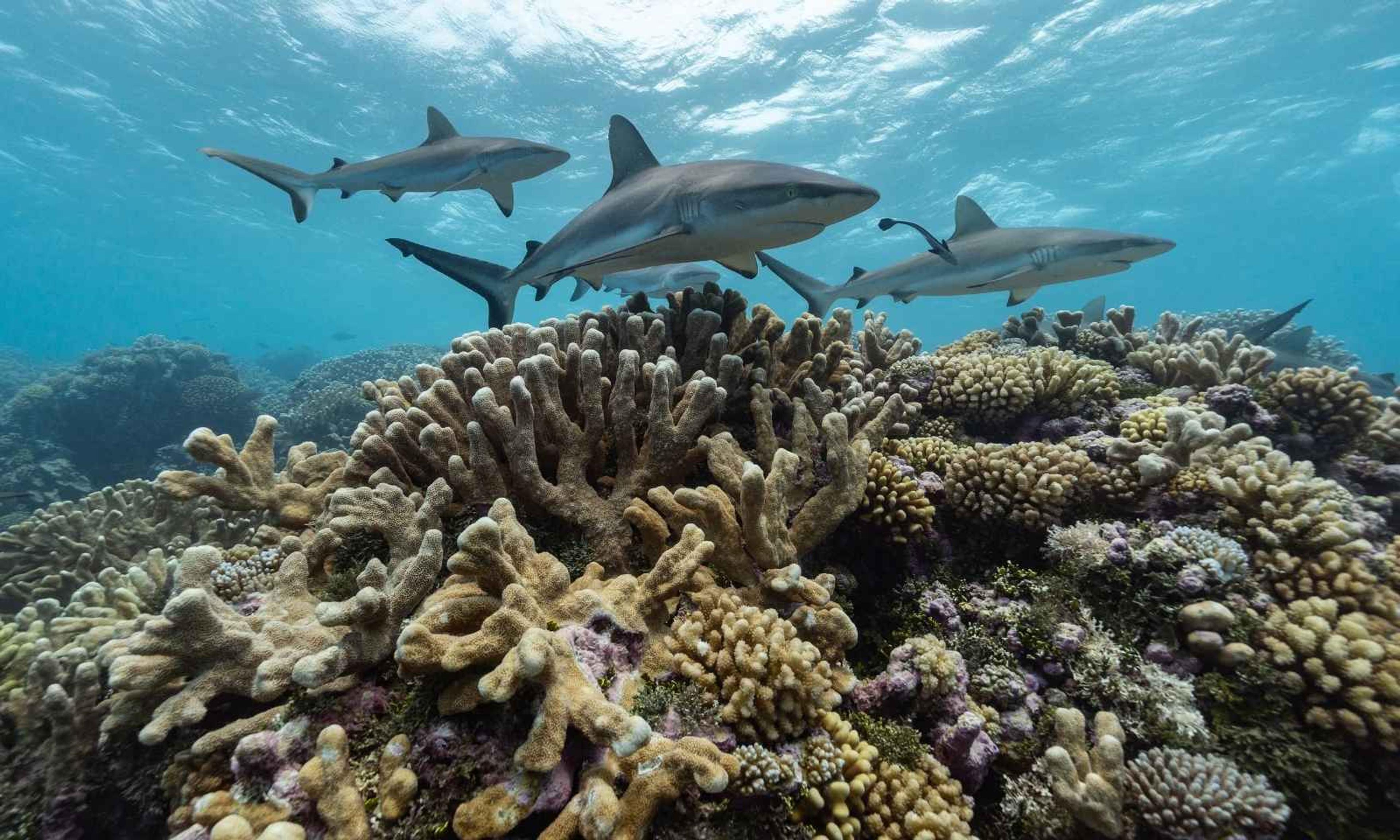
Sharks patrol the reefs of Taka Atoll.
Photo/National Geographic Pristine Seas/Iñigo San Félix
Pacific Region
‘Nothing like this in the world’: Marshall Islands’ reefs among the most pristine on Earth - study
International scientists say the Marshall Islands hold some of the world’s healthiest coral reefs and richest marine life.

Aui'a Vaimaila Leatinu'u
Published
23 April 2026, 2:44pm
Share
Copy Link
Top stories

Red Dawn: Historic Tongan rugby league victory sends statement through World Cup
Christine RovoiSun, 18 Oct

Bledisloe Masterclass: Pacific powerhouses lead All Blacks’ blitz against the Wallabies
Christine RovoiSat, 17 Oct

Top stories
Red Dawn: Historic Tongan rugby league victory sends statement through World Cup
Christine RovoiSun, 18 Oct
Bledisloe Masterclass: Pacific powerhouses lead All Blacks’ blitz against the Wallabies
Christine RovoiSat, 17 Oct
Local communities in the Republic of the Marshall Islands (RMI) are living alongside some of the most intact marine ecosystems left on the planet, according to international researchers completing a major ocean survey across the Pacific nation’s outer atolls.
The findings come from the National Geographic Pristine Seas (NGPS) programme, which has returned to the Marshall Islands for a second time to study reef health, marine life, and climate impacts across seven remote atolls.
Working alongside the Marshall Islands Marine Resources Authority (MIMRA) onboard the Argo, the team is surveying Erikub, Ailuk, Taka, Ujelang, Ailinginae, Jemo, and Enewetak, atolls to map biodiversity and identify areas requiring protection.
Ryan Jenkinson, the expedition leader of NGPS, says what the team has seen stands out even on a global scale.
“We've been all around the Pacific and even all around the world. This is some of the most pristine coral reefs and fish abundances and shark abundances that we've seen anywhere,” Jenkinson says.
“We were at [Utirik Island] and I was talking to the mayor. I'm like, ‘I'm not joking, there is nothing like this in the world and it's just your backyard’.
“It's what you've grown up with, what you have always used for food and resources, and obviously managed and conserved in a way that is possible to have both things. It is an incredibly powerful message”
The expedition is working with the Marshall Islands Marine Resources Authority to map biodiversity and to understand how these ecosystems are coping with climate change and other pressures.
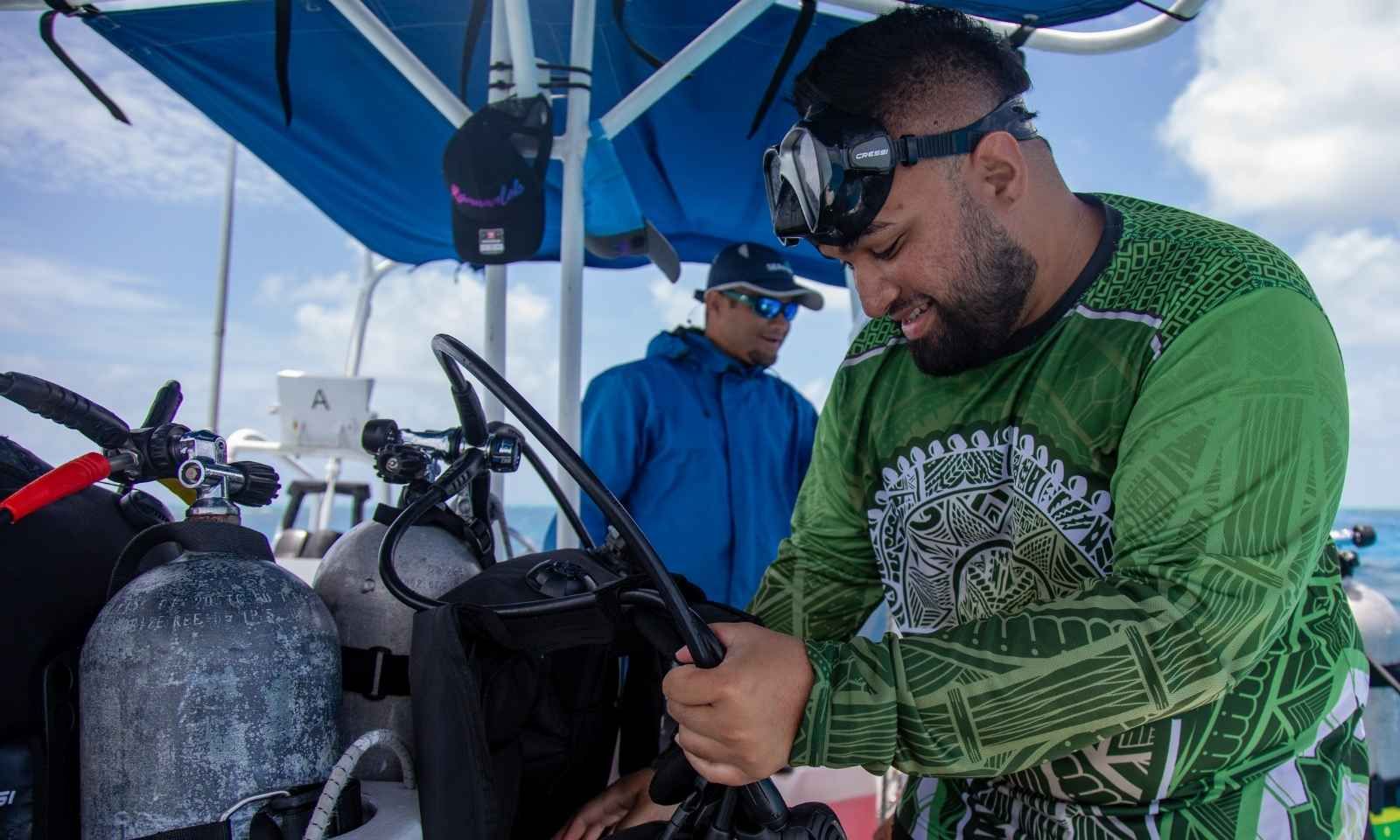
Bryant Jeffery Zebedy, a scientist from the Marshall Island Marine Resources Authority and Pristine Seas team member prepares for a SCUBA dive near Taka Atoll. Photo/National Geographic Pristine Seas
Researchers are using deep sea cameras, SCUBA surveys, and the submersible Argonauta to track marine life and collect environmental DNA (eDNA) samples.
The team says the results are mixed. While many reefs remain strong, some signs of change are already visible
Land surveys at Taka Atoll suggest seabird populations have fallen compared to data from the 1980s. Jenkinson says it is not clear why.
“The problem is, those are two marks on this incredibly long time. It’s really hard to just assign a single purpose for something like that to happen.”
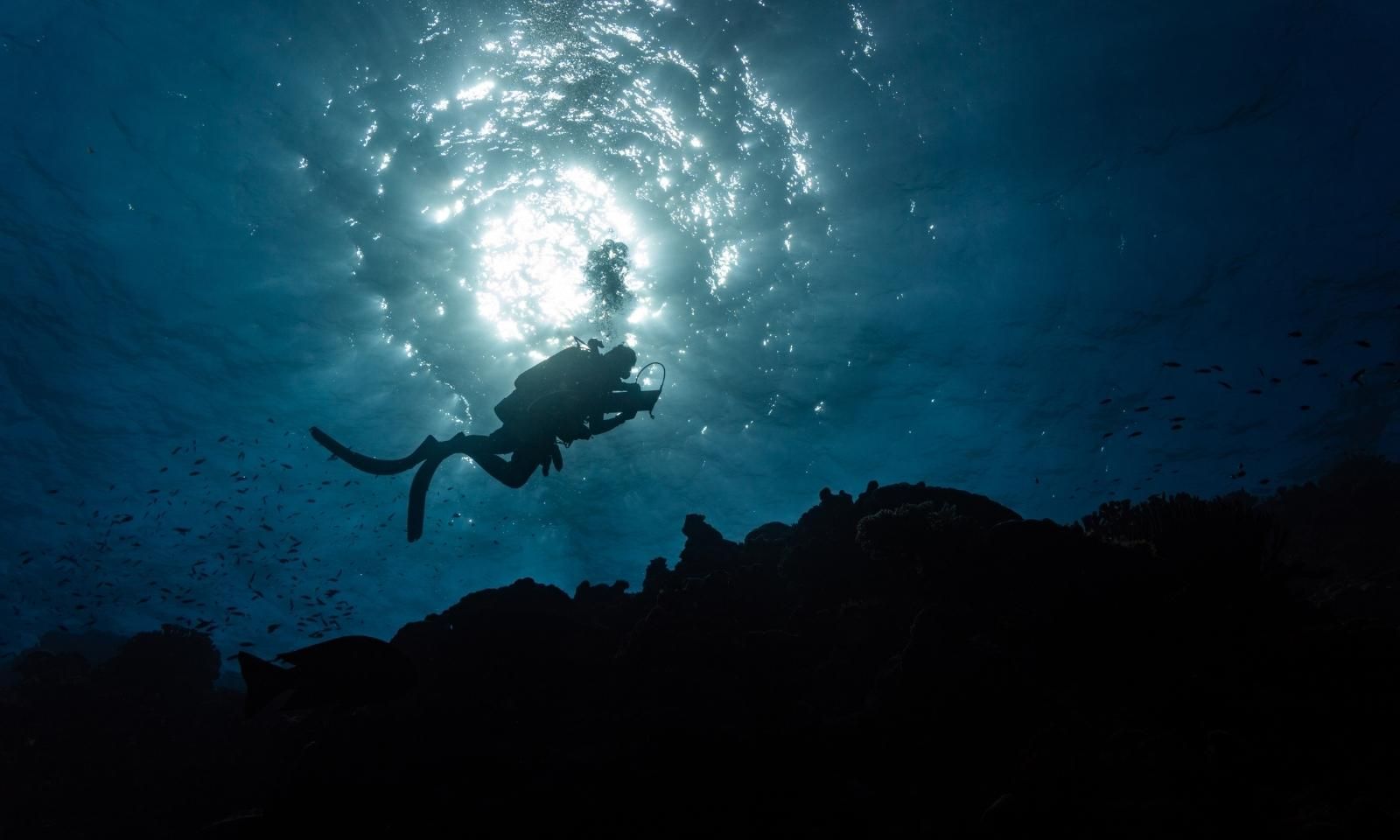
A National Geographic Pristine Seas team member surveys the reefs of Erikub Atoll. Photo/National Geographic Pristine Seas/Iñigo San Félix
He says several factors could be involved including climate change, invasive species, and industrial fishing pressure that can disrupt the wider food chain.
At Bokak Atoll, earlier surveys found what researchers described as "ghost forests" of dead coral linked to past warming events. But recent findings at Ailuk and Taka show many ecosystems are still thriving.
A highlight of the mission for Jenkinson occurred at Jemo, one of the remote stops on the mission. He describes it as a "white elephant" due to the difficulty of reaching it.
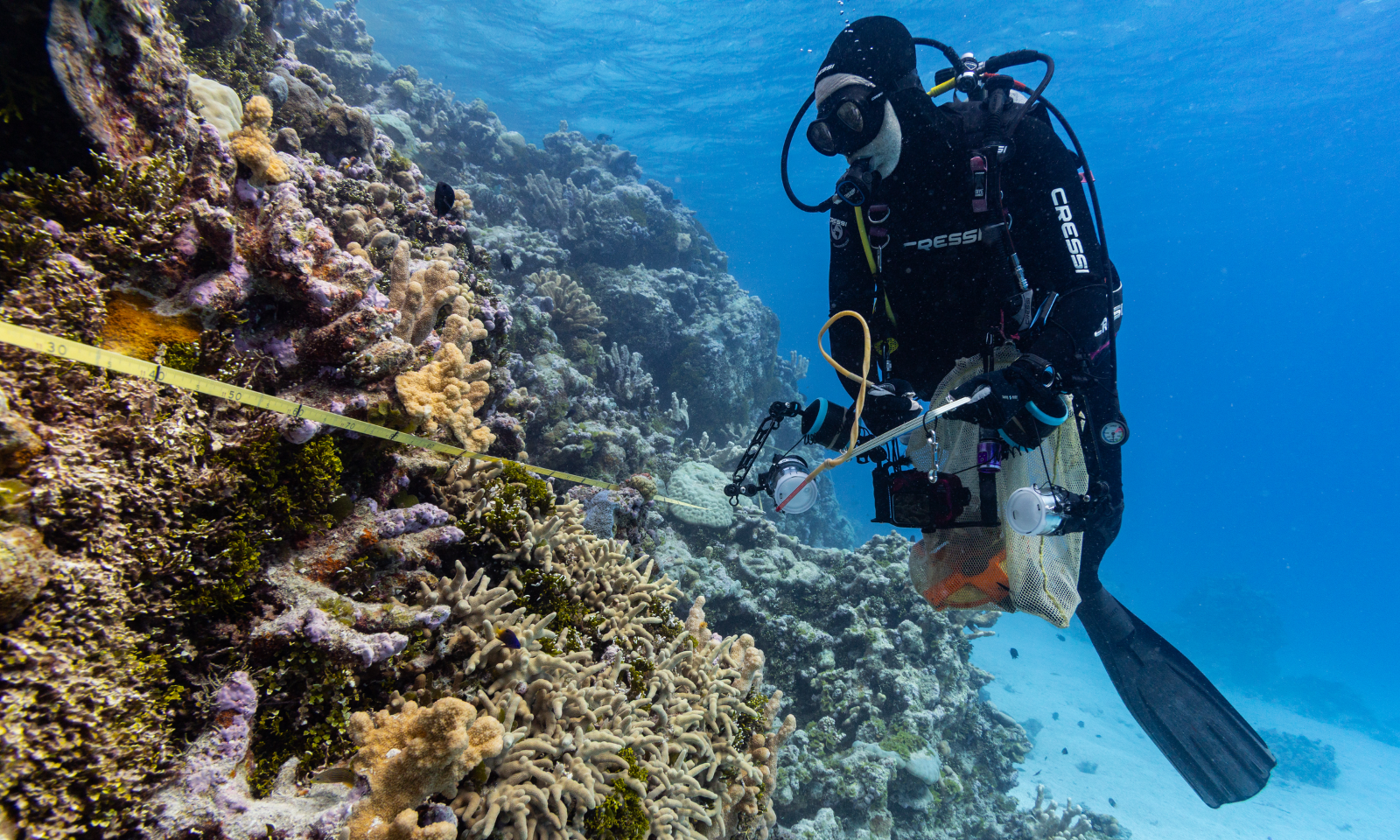
A National Geographic Pristine Seas diver conducts a SCUBA survey near Ailuk Atoll. Photo/National Geographic Pristine Seas/Iñigo San Félix
During a single 12 hour period, the team captured a complete snapshot of the atoll's biodiversity, from the deep sea at 3000 metres to the land.
“We put every single tool that we had in the water and the people on the land in one single 12-hour period. I don't know if we've done that just a couple times ever.
“As the expedition leader, to see that happening, see the team, the vessel and all of the equipment come together in a single day to capture the complete biodiversity of a place.
“Then to finish that day at midnight with the film crew on land watching green sea turtles come ashore, dig their nests and lay their eggs, it was the best. It was an amazing day. It's an amazing place.”
Data from the expedition will feed into Reimaanlok, the Marshall Islands’ national conservation framework, which combines scientific research with traditional knowledge and requires approval from local leaders and chiefs.