

The Talbot Mills Research survey of 1,247 adults showed more than half support reintroducing very low nicotine cigarettes.
Photo/PMN Composite
Health
‘Profits over people’: Kiwis back scrapped Smokefree laws as health gap widens
A new poll shows strong public support for low-nicotine cigarettes and concerns about tobacco industry influence as Pacific health leaders warn policy changes could deepen smoking rates.

Atutahi Potaka-Dewes
Published
18 May 2026, 10:50am
Share
Copy Link
Top stories

Full-circle homecoming as Isaako joins Kiwis' historic RLWC clash against Cook Islands
Brooke FonotiTue, 20 Oct

Free education pledge inspires Solomons students in Aotearoa
Lachlan EddieMon, 19 Oct
Top stories
Full-circle homecoming as Isaako joins Kiwis' historic RLWC clash against Cook Islands
Brooke FonotiTue, 20 Oct
Free education pledge inspires Solomons students in Aotearoa
Lachlan EddieMon, 19 Oct
Pacific smokefree advocates warn that changes to Aotearoa New Zealand’s smokefree laws could widen health gaps after a new survey showed support for bringing back a world-first low-nicotine cigarette policy.
The policy, known as “denicotinisation”, was scrapped in 2024 as part of $14 billion in tax cuts, shifting away from banning tobacco towards encouraging people to switch to other nicotine products.
The survey of 1247 adults, commissioned by Health Coalition Aotearoa, found that 55 per cent of New Zealanders want the low-nicotine approach reinstated. The policy was recently scrapped by the coalition government.
The survey also found that 68 per cent of respondents believe the tobacco industry has too much influence over government decisions
Speaking with William Terite on Pacific Mornings, Ulugia Lealailepule Edward Cowley, Smokefree Expert Advisory Group co-chair, says the findings should be a clear warning to lawmakers.
“I would hope it doesn't fall on deaf ears,” he says. “They seem to be sidelining the evidence. It comes down to money, I would say. On burn tobacco products, they got their tax breaks of $50 million.
Watch Ulugia Lealailepule Edward Cowley's full interview below.
“When you're looking at products that people can become highly addicted to and they're looking at introducing new products, like the oral nicotine pouches, these are people's lives we're talking about. They’re putting profits over people.”
The government is now considering allowing oral nicotine pouches to be sold more widely in retail stores. At present, they can be imported for personal use but retail sale is restricted unless approved as a medicine.
The survey found only 33 per cent of respondents supported retail sales, while 57 per cent said they feared the products could increase nicotine use among young people.
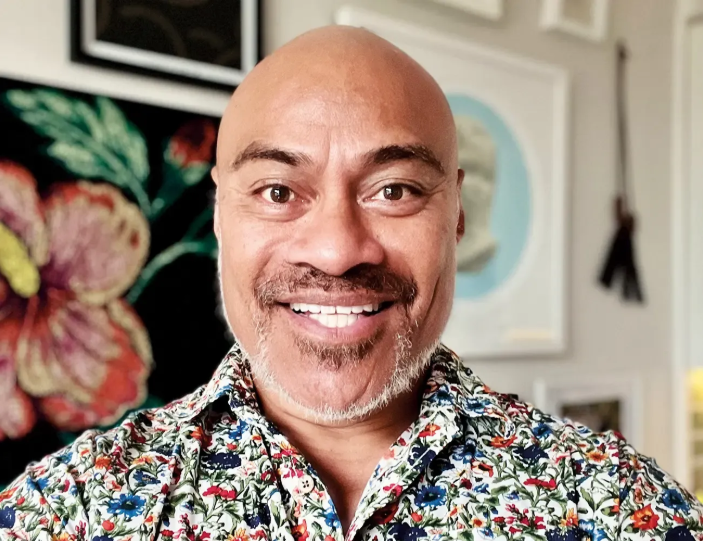
Ulugia Lealailepule Edward Cowley. Photo/onmas
For Pacific communities, health leaders say the impact is already uneven.
While smoking rates across Aotearoa have dropped to around six per cent, Pasifika rates remain higher at around 18 per cent.
Ulugia says “denicotinisation” - reducing nicotine levels in cigarettes to non-addictive levels - remains the “magic bullet” for helping more Pacific people quit for good.
Without denicotinisation, Ulugia says families will keep feeling the pressure of addiction and rising costs.
“Tobacco is a luxury product now, sort of $45, $50 a packet,” he says. “If people are spending money on tobacco, I'm just wondering what they're not spending their money on and where their money could be used, to support their families, to pay their bills.”
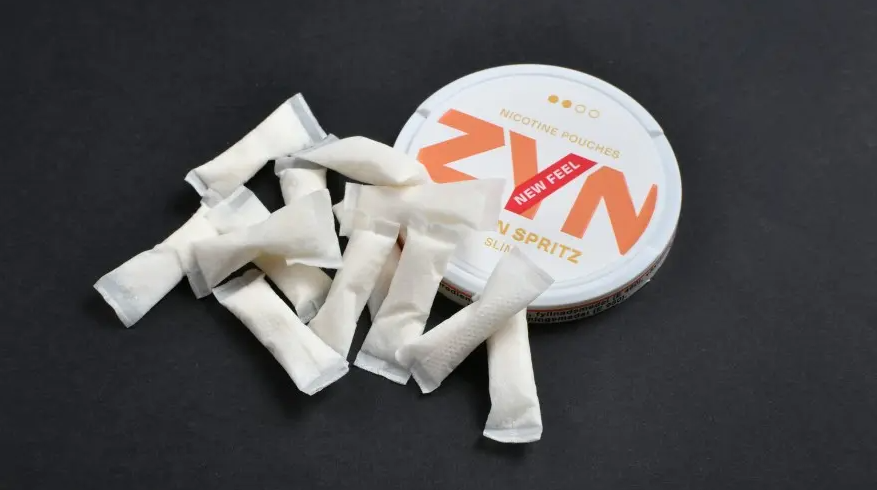
The survey shows 57 per cent of respondents say retail availability of nicotine pouches would increase youth uptake. Photo/PHCC/Luke Pilkinton-Ching
Ulugia also raises concerns about tobacco industry lobbying, saying it conflicts with New Zealand’s commitment under the World Health Organisation (WHO) Framework Convention on Tobacco Control, signed in 2003.
As Smokefree May continues, Ulugia is calling on Pacific families to see quitting as something done together, not alone.
"If people can stop smoking for four weeks, they are four times more likely to stay smoke-free," Ulugia says. “As Pacific people, we live and think collectively. My question to our aiga is, ‘How can we all awhi (support) our people to become smokefree and live long, productive lives?”
Health Coalition Aotearoa is now urging the government to reinstate low-nicotine policies and halt any expansion of nicotine products until more independent evidence is provided.
Health Minister Simeon Brown and Associate Health Minister David Seymour have been approached for comment.