
19 people rescued as search continues for passengers after Vanuatu ferry wreck
Christine RovoiMon, 14 Sep
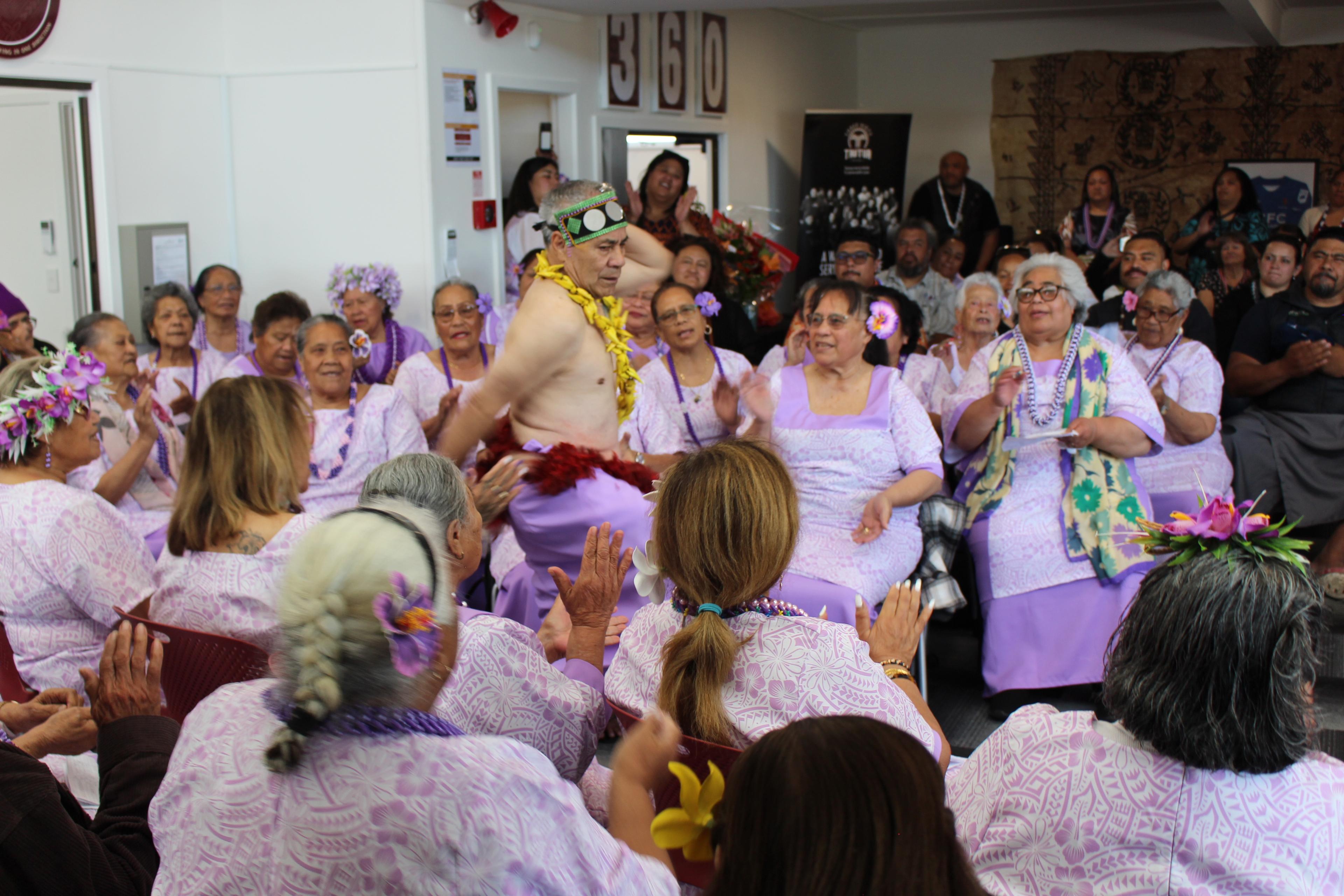
Pacific mātua gather at a 360 Tautua Trust event. A new report has found older Pacific people experience disproportionately high levels of hardship.
Photo/PMN News/Candice Ama
A Pacific organisation is calling on Auckland Council to invest more in community groups already supporting older people struggling with everyday costs.


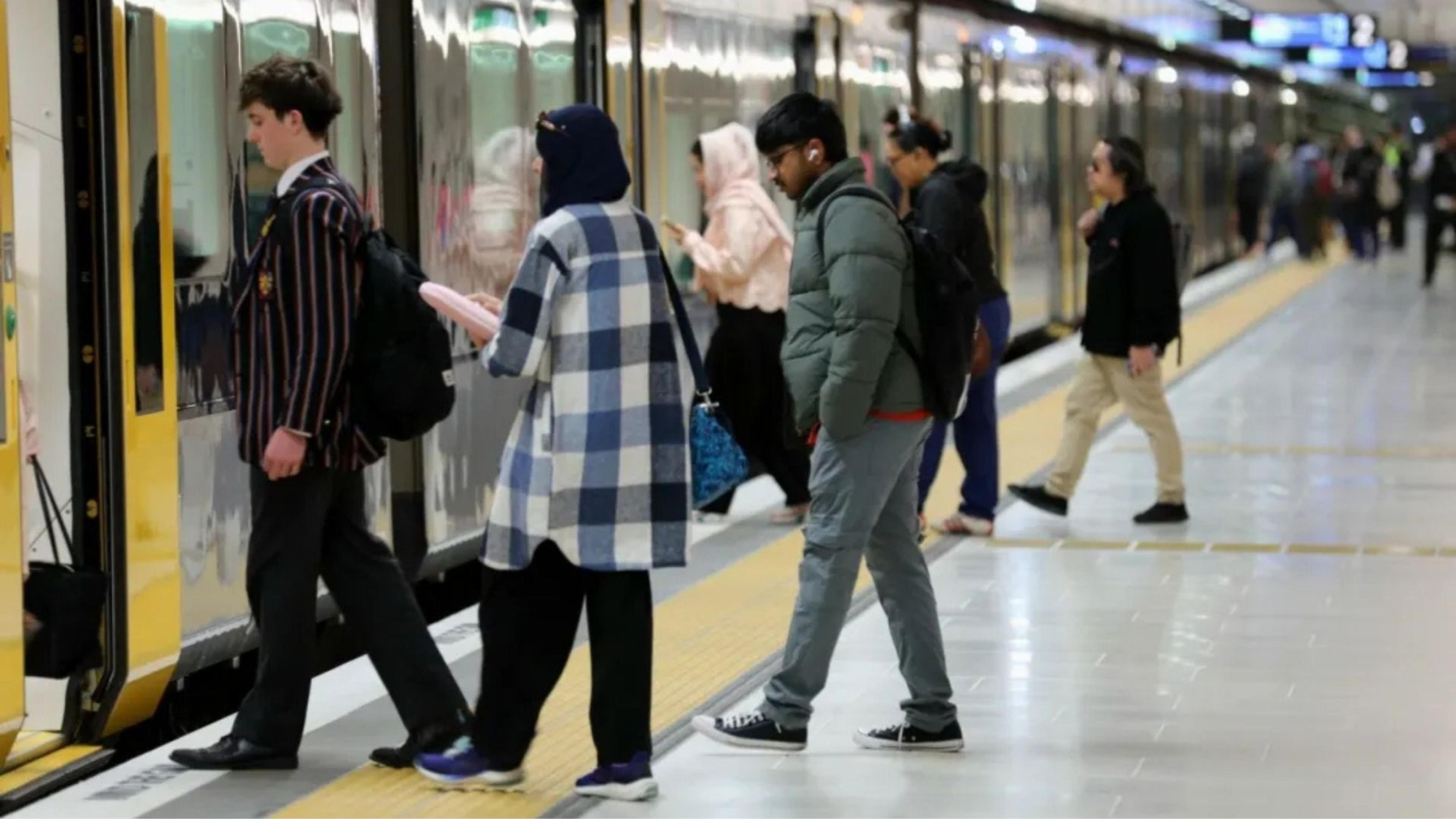

A national report has revealed disproportionately high levels of hardship among older Pacific people, prompting calls for Auckland Council and local boards to do more to support mātua.
The inaugural Older Persons Poverty Monitor, published by the New Zealand Council of Christian Social Services, tracks poverty and hardship among people aged 65 and over across Aotearoa.
Auckland-based 360 Tautua Trust, which supports Pacific mātua in Auckland and Christchurch, says many of the elders it works with are clearly feeling the pressure.
Romana Fetu, chief executive, said some were stretching groceries, using less heating and putting on more clothes to keep warm, relying on family for transport or walking when they were not physically capable of doing so. Others were putting off dental appointments because of the additional cost.
“I think what we see is that many of our elders are just managing.”
The report backs that picture up with hard facts revealing that about 57% lived in accommodation they did not own, 19% were living without essentials, and almost a third had put off going to a doctor or dentist because of cost.

Romana Fetu, chief executive of 360 Tautua Trust, which supports Pacific mātua in Auckland and Christchurch. Photo/PMN News/Candice Ama
Pacific people recorded the highest rates of poverty across seven of the nine measures where ethnic comparisons were available.
The Monitor provides New Zealand's first consistent baseline for measuring poverty among older people and is intended to be updated annually.
Fetu said people needed to stop thinking that reaching retirement automatically means financial security, because it isn't the case for everyone.
She said high rents and insecure housing left less money for food, electricity, transport, medical assistance, dental care and participation in community life. Some Pacific elders were also reluctant to seek support.
Fetu said local government have the tools to support mātua.
“I think Auckland Council and local boards could fund what already works.”
She called for more sustainable investment in trusted Pacific-led organisations already serving mātua, rather than recreating services or relying on small, one-off grants.

New Zealand Council of Christian Social Services chief executive Alicia Sudden says the poverty data for older Pacific people is concerning. Photo/NZCCSS
'Worrying data'
Alicia Sudden, chief executive of the New Zealand Council of Christian Social Services, said the ethnic breakdown showed a significant disparity.
“We saw some really worrying data on Pacific people. They recorded the highest rates of poverty across seven of the nine measures that we looked at, which was really concerning.”
Housing was particularly important because older renters could face changing costs, instability if required to move and difficulties modifying their homes as their health needs changed.
“I don't think it's acceptable that we've got Pacific people who are heading over the age of 65 and they don't have enough to meet their basic needs.”
She said local government could contribute through housing and community connection, including libraries, green spaces and public transport.
Kenneth Aiolupotea, Auckland Council general manager community wellbeing, said the report highlighted challenges facing older Aucklanders in the current economic climate.
He said the council continued to support central government agencies and community organisations working directly with elderly people, including older Pacific people, to reduce the effects of poverty.
“The insights from this report may help inform our approach to continue to do this effectively and in a targeted way to reach those most vulnerable.”
This story has been updated to clarify the framing of the Older Persons Poverty Monitor findings.
LDR is local body journalism co-funded by RNZ and NZ On Air.