
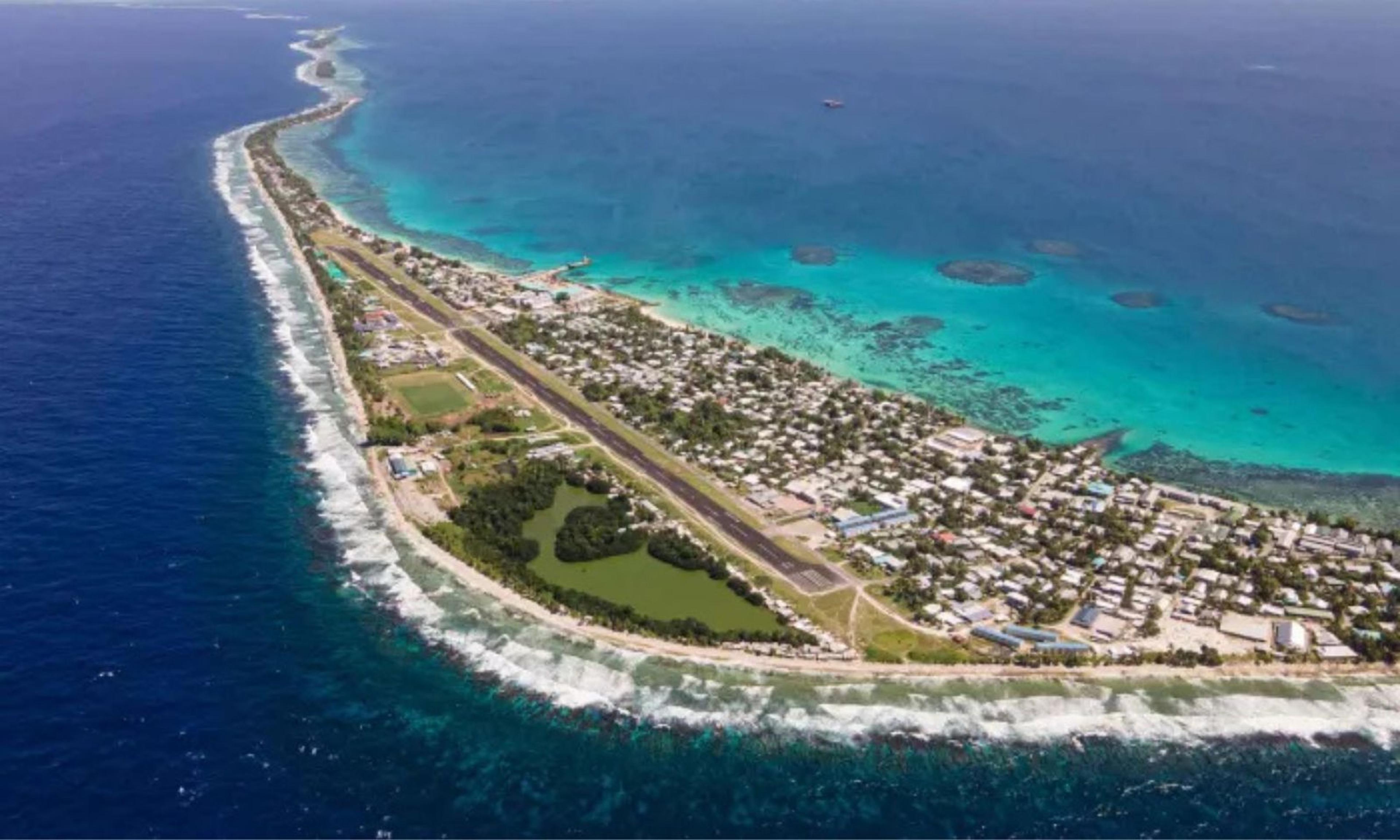
Rising concern: Fish caught around Funafuti Atoll, Tuvalu, have been found to contain microplastics, highlighting the reach of ocean pollution even in the Pacific’s most remote communities.
Photo/Supplied
Pacific Region
Microplastics found in Tuvalu fish highlight threat to Pacific diets
Even remote nations are not immune to ocean pollution with new research revealing tiny plastics in the fish that communities rely on for food.

Christine Rovoi
Published
09 April 2026, 12:00pm
Share
Copy Link
Top stories

'No more secrecy': Solomon Islands govt reviews China security deal as tensions grow
Christine RovoiMon, 10 Aug

Angee Nicholas faces key battle for National's Pacific representation
Khalia StrongMon, 10 Aug

Top stories
'No more secrecy': Solomon Islands govt reviews China security deal as tensions grow
Christine RovoiMon, 10 Aug
Angee Nicholas faces key battle for National's Pacific representation
Khalia StrongMon, 10 Aug
Even in one of the world’s most remote nations, the ocean is showing the fingerprints of human activity.
New research has found microplastics, the tiny pieces of plastic smaller than five millimetres, in fish around Tuvalu, a Pacific island nation made up of three reef islands and six atolls and home to fewer than 11,000 people.
The study, carried out by researchers from the University of Tasmania, tested 201 fish from 44 species around Funafuti Atoll, the capital of Tuvalu.
The team removed and examined the fish’s gastrointestinal tracts for microplastics and found them in 75 of the samples, almost four in 10 fish (37.3 per cent).
While these levels are lower than in more industrialised regions, one study on the West Coast in the United States found microplastics in 99 per cent of fish.
The findings are still worrying for Pacific communities, which rely heavily on fish as a primary source of protein.
Amanda Ford, a member of the research team, told Science Daily that "while microplastic levels in Pacific fish are generally lower than in many industrialised regions, Pacific communities rely far more heavily on fish as a primary protein source.”
The research builds on earlier studies in the region. In January 2026, a team led by the University of the South Pacific (USP) found microplastics in roughly one in three coastal fish sampled across Fiji, Tonga, Tuvalu, and Vanuatu.
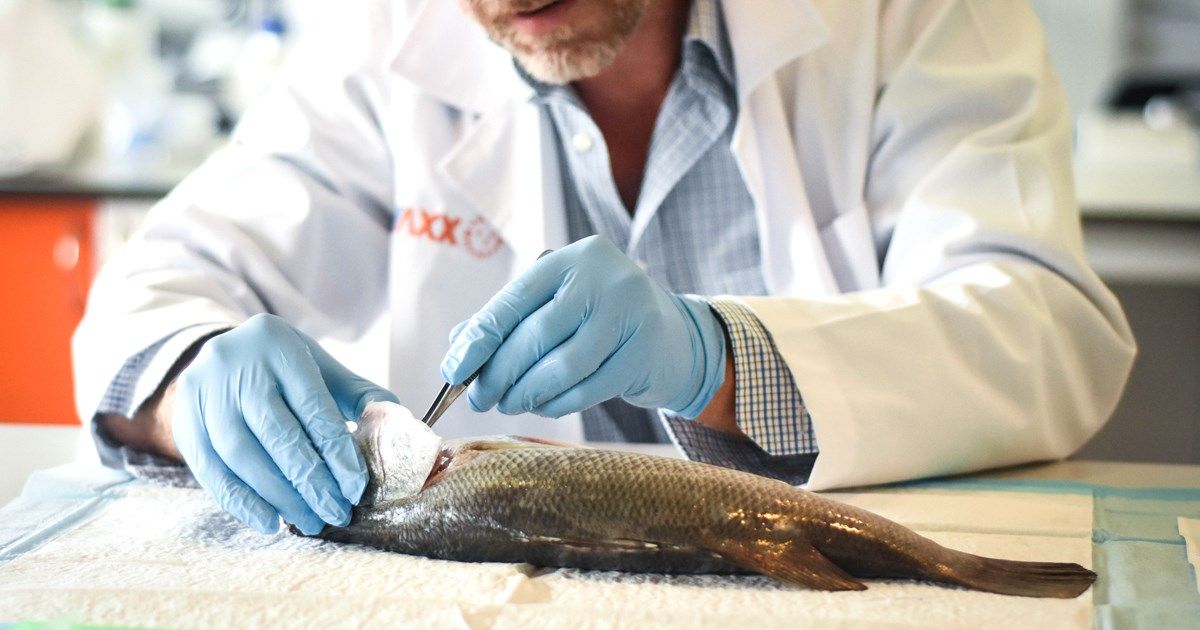
Researchers examined 201 fish from 44 species around Tuvalu and found microplastics in 37 per cent of samples, raising concerns for local diets reliant on seafood. Photo/Facebook/Enterprise Singapore
The Tuvalu study, published in March 2026, provides the first baseline data specifically for the island nation’s waters - confirming the presence of microplastics in local fish and filling a key knowledge gap.
Rufino Varea, a Pacific researcher at USP, said in the report that beyond the ecological insights, the study delivered a stark warning about the vulnerability of our food systems.
"It indicates a pervasive infiltration of textile and gear‑derived contaminants into the very diet of our communities,” Varea said.
Microplastics usually originate from the breakdown of larger plastic debris, personal care products, and industrial chemicals.
They can travel via rivers to the ocean, disperse widely, and accumulate in marine food webs.
When fish ingest them, the particles can cause internal organ damage and affect reproduction, metabolism, and behaviour.
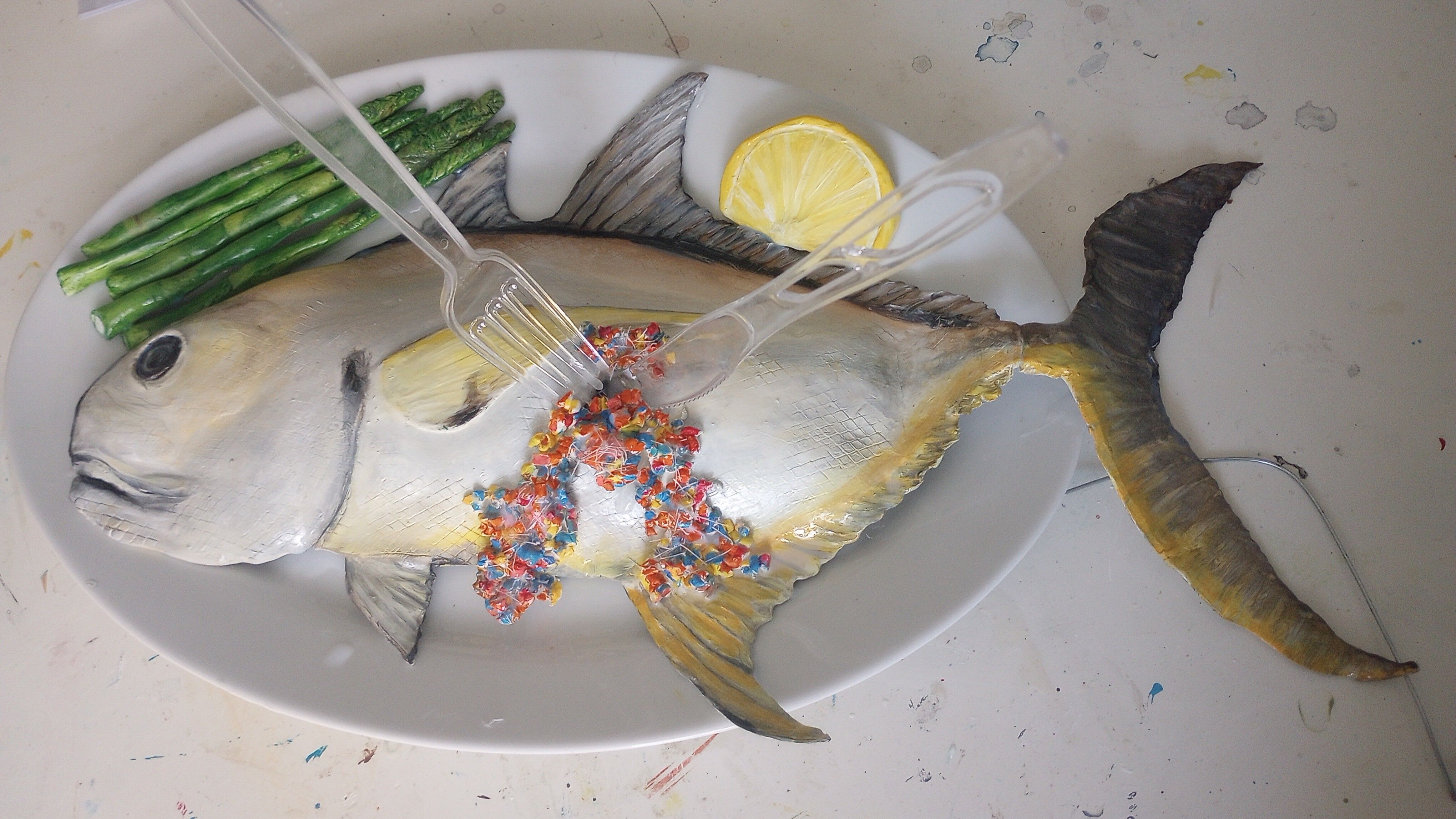
Microplastics can travel from rivers to the ocean and accumulate in marine food webs, potentially affecting the health, reproduction, and metabolism of fish, and the communities that eat them. Photo/spacecoast.surfrider.org
Margaret Spring, chief science and conservation officer at the Monterey Bay Aquarium, who was not involved in the study, but told Mongabay online: "From the highest mountains and inland lakes and rivers to the ocean’s surface to the seafloor, as well as in our food and drinking water, we are finding microplastics and nanoplastics.”
Spring said the discovery in Tuvalu shows the wider problem facing small island nations.
“Small island states are uniquely and disproportionately affected by the endless flow of plastics and related pollution," she said.
"They are also heavily reliant upon seafood for both sustenance and livelihoods.
"The discovery of microplastics in fish around Tuvalu confirms the urgency of the call to end plastic pollution, starting at the source.”
Microplastics have already been detected in human bodies, including in brains and placentas, raising health concerns.
For countries like Tuvalu, where the ocean is central to both diet and way of life, the research is a stark reminder that even the most remote communities are not untouched by the global plastic crisis.
Pacific island nations face a double challenge: they are heavily dependent on fish for protein and economic livelihoods while also being particularly vulnerable to pollution arriving from faraway sources.
The Tuvalu study makes clear that even isolated atolls are not immune and highlights the urgent need for global action to reduce plastic waste at its source.