
El Niño tightens grip on Pacific as authorities warn of drought and extreme weather
Lachlan EddieFri, 23 Oct
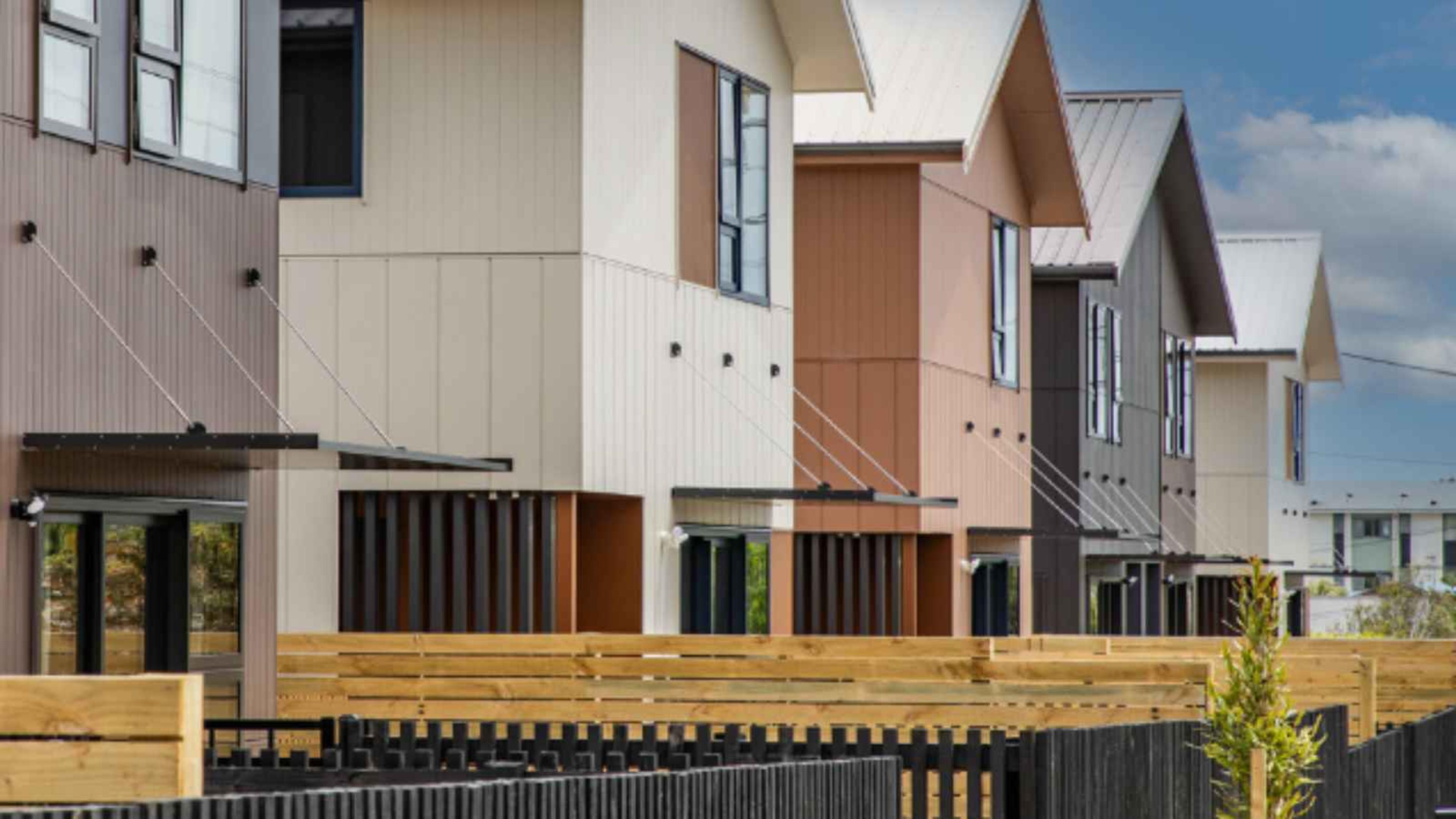
Housing experts say that the “repeatable” housing designs are not fit for purpose with multi-generational Pacific families.
Photo/Supplied/Kainga Ora
Experts say falling Pacific home ownership is being driven by financing gaps, housing design, and policy settings and are calling for coordinated government action to fix the system.




This is the first of a two-part series examining what needs to change to lift Pacific home ownership.
Home ownership among Pacific families in New Zealand has fallen sharply over the past four decades and experts say the issue is no longer just about building more houses.
It is about fixing the system that decides who can actually get into them, they say.
In 1986, 51 per cent of Pacific households owned their home. By 2018, that had dropped to 35 per cent, and by 2023 it was just 20 per cent.
That compares to 31 per cent for Māori and around 60 per cent for New Zealand Europeans.
Those working in the sector say the focus now needs to shift from how many homes are built to how housing is funded, designed and delivered and what government and agencies need to change to make that possible.

Roine Lealaiauloto says Pacific communities being locked out of home ownership limits the generational wealth they can hand down. Photo/iStock
Property developer Arjun Sami told William Terite on Pacific Mornings that the biggest barrier is financial. He says current lending models are not aligned with real incomes, limiting access even when demand is strong.
Sami says one of the fastest ways to improve access is to rethink how projects are funded from the start.
“From a developer’s perspective the biggest challenge is the gap between what it costs to build a home and what families can actually afford to borrow,” he said.
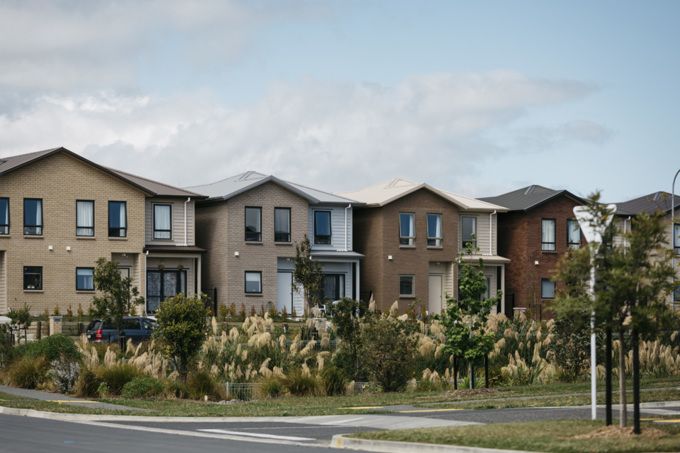
Public housing in South Auckland, where more than 2400 applicants are on the housing register. Photo/Auckland Council
“The issue isn't demand. It's that the financial model doesn't match the real incomes and that's what limits affordability at scale.
"So from our perspective, we are increasingly looking at projects where development and funding are aligned from day one,” Sami said.
For community providers, access to finance remains a major obstacle.
Roine Lealaiauloto, Chief Executive of Penina Trust, told Terite that traditional banking systems have not worked for many Pacific families, forcing providers to look for alternative funding models.
She says alternative funding partnerships have helped but broader system change is still needed to unlock growth.
At the same time, she says housing design is not keeping up with how Pacific families actually live.

Ian Fistonich says the current housing model in New Zealand further excludes Pacific families’ reality. Photo/Unsplash
“We tried to work with the traditional banks originally but we met various blocks,” Lealaiauloto said.
“People don't just want houses, they want to live. We need to be looking at design cleverly. If we're going to have homes that ensure that people are well housed and we eliminate a whole lot of other problems because that's what we see in the community at the moment.”
Ian Fistonich, Housing Development Manager at Penina Trust, says the current system is also limiting the type of homes being built, with planning and funding settings favouring smaller, repeatable housing designs.
He said Pacific families often need larger homes suited to multi-generational living, including accessibility for older family members.
“I think scaling is hard because the system isn't designed actually to support a community housing delivery model at the moment,” he told Terite.
“We know the data is there and often there's a kind of hidden data showing overcrowding of Pacifica and Maori families as well,” he said.
Watch the Roine Lealaiauloto, Ian Fistonich and Arjun Sami’s full interview below.
He added that demand for larger homes is not being matched by supply.
He says without changes to planning and funding systems, that gap will continue to grow.
“There isn't kind of the supporting mechanism behind that to help fund all this to get this into reality,” Fistonich said.
Across the sector, experts say government and agencies need to make coordinated changes including reforming financing models to reflect real incomes, adjusting planning rules to support larger multi-generational homes, and backing community housing providers with consistent, long-term funding.
They say without this alignment, even increased housing supply will not translate into ownership for Pacific families.

Arjun Sami says although many families pay high rent, which would match estimated mortgage repayments for a home loan, they still cannot meet bank lending thresholds. Photo/File
Experts say real progress will require government, developers and funders to work in step, with long-term policies that do not shift with political cycles.
Without those changes, they warn Pacific families will remain locked out of ownership, even as housing supply increases.
The message from those working on the ground is clear: real progress will depend not just on building more homes, but on fixing the systems that decide who those homes are built for.