Pacific's climate fund lines up over NZ$330m amid calls for action
Christine RovoiThu, 08 Oct
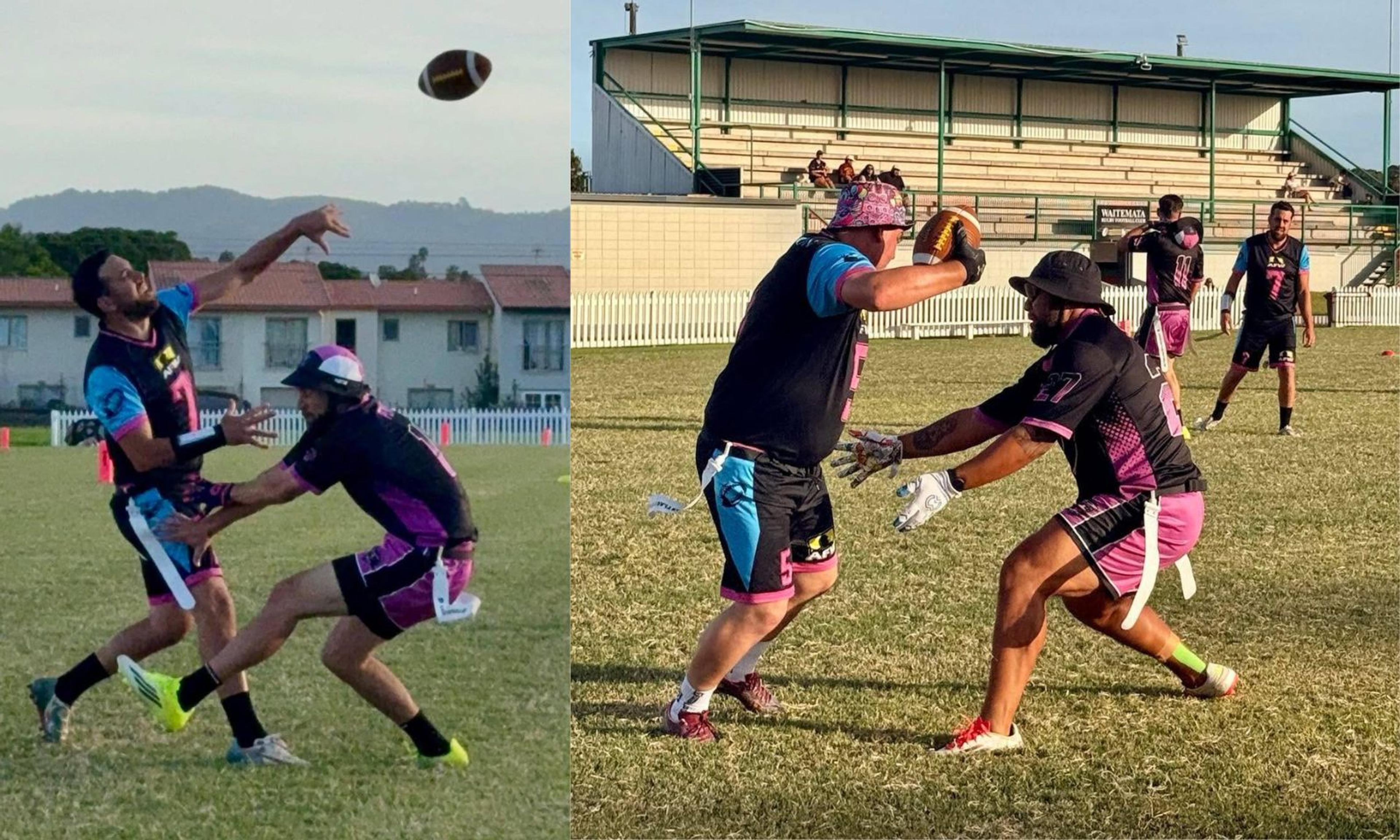
Flag football is growing fast in New Zealand, with schools receiving free kits and support to get the game started.
Photo/Facebook/Flag Football Wellington
The fast-growing, non-contact sport is opening new doors for Pasifika youth across Aotearoa and Australia with Olympic hopes adding momentum.



A new sport is growing across New Zealand and organisers believe it could soon reach deeper into the Pacific.
Flag football is a fast, non-contact version of American gridiron where players stop the ball carrier by pulling a flag from their belt instead of tackling.
It is being introduced into schools and communities through the National Football League (NFL) Flag. Organisers hope it can offer young athletes another route into sport alongside rugby.
For many Pacific families, where rugby still dominates and pathways can be limited, the NFL Flag game is being positioned as simple, accessible, and open to all.
Adam Blake, the NFL Flag manager, says the focus is on removing barriers that mostly stop young people from getting involved.
Schools receive equipment, coaching support and access to tournaments at no cost as part of a wider push to grow the game.
“We’re just taking away barriers to sport entry by offering free kits to schools that register," Blake told Tuilagi William Leolahi on Pacific Huddle.
“We provide the referees, we provide the field, we do everything… we’re just taking away the barriers.”

NFL Flag manager Adam Blake says flag football is opening new opportunities for Pacific youth across New Zealand and Australia. Photo/Facebook/Flag Football Wellington
NFL Flag is expanding quickly in Aotearoa and Australia but Blake admits it is still developing alongside rugby league and union as these codes are already deeply rooted across the Pacific.
He says Pacific athletes already have the natural ability to succeed in the game once they learn the basics.
Blake believes Māori and Pacific players could play a major role in shaping the sport’s future.
“It’s the fastest growing sport in the world… I think we’re over 20 million worldwide.
“Our athletes… they have the skills, they have the talent, and they just need to be taught the game.

Adam Blake says Pacific and Māori athletes bring natural flair to flag football, helping drive the sport’s growth. Photo/Facebook/Flag Football Wellington
“They [Māori and Pasifika] bring a flair to the game that some other countries just don’t naturally have.”
But while opportunities are growing in New Zealand and Australia, access across the wider Pacific including Tonga, Sāmoa, and Fiji remains limited.
Blake says most participation is still coming through diaspora communities.
“Our Pacific girls and boys in New Zealand will hopefully be able to take the game back home to the islands in years to come.”
For now, the sport remains largely school-based outside the region, with little formal structure in island nations.
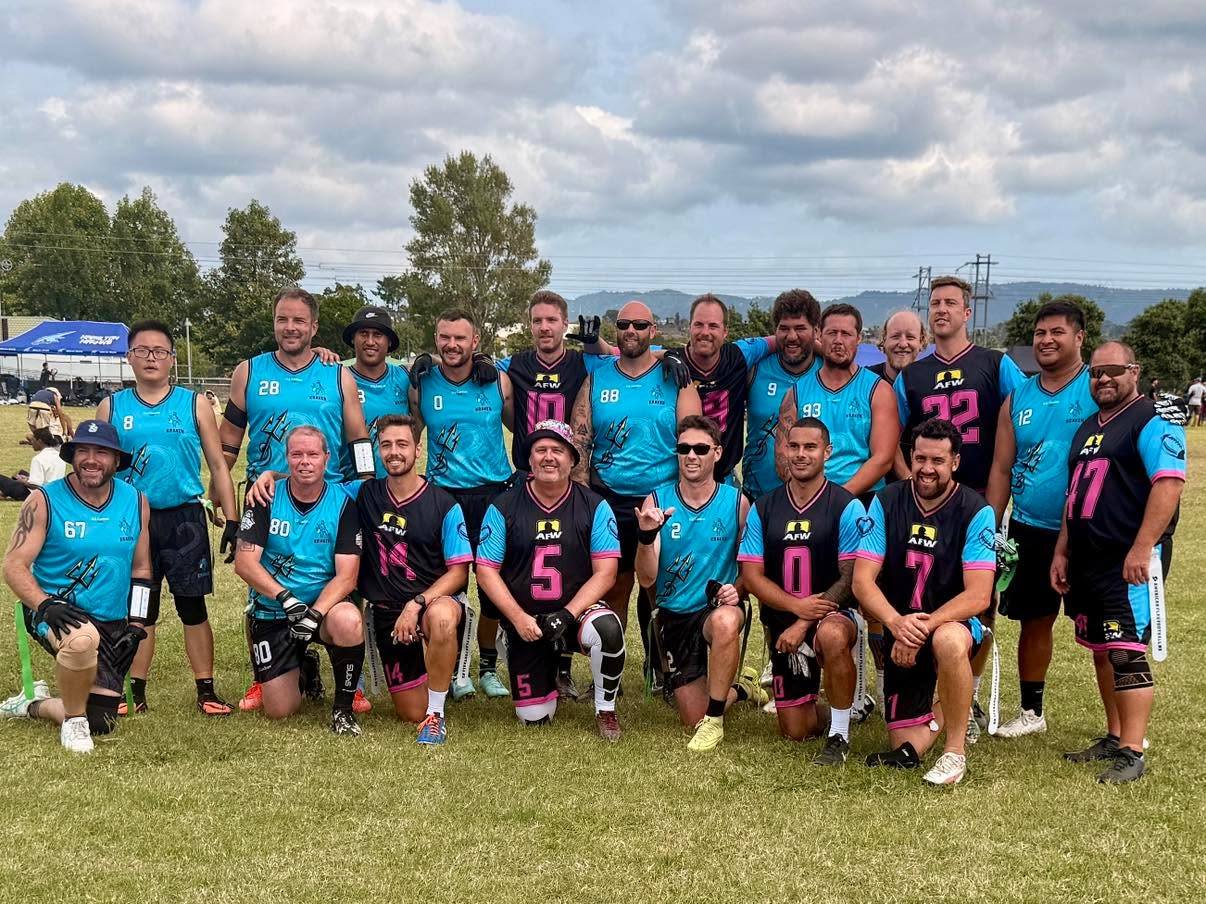
With Olympic inclusion confirmed for 2028, organisers hope flag football will become a new pathway for young athletes. Photo/Facebook/Flag Football Wellington
The game offers a clear progression from school competitions to international tournaments.
Teams that progress through regional events can reach national championships, with winners earning overseas trips.
That pathway is already inspiring young players.
Blake points to New Zealand’s under-15 girls winning a major regional tournament in Australia.
“The winner of New Zealand Nationals gets a trip to the USA to represent New Zealand at the International Championships," Blake told Tuilagi.
“To see our Kiwi girls performing the haka in the final… and taking that game out… was really, really cool.”
A major boost for the sport is its Olympic future.
Flag football will debut at the Los Angeles 2028 Games with efforts underway to include it in Brisbane 2032.
“Flag football is an Olympic sport in LA 28… and we’re pushing to be in Brisbane 32 as well," Blake said.
For Pacific athletes, that opens a rare opportunity to compete in a new Olympic sport with fewer barriers than traditional codes.
Despite the excitement, Blake says the sport is still in its early stages across the region.
Traditional rugby remains the dominant force across Pacific communities, and flag football is still largely based in schools and introductory programmes in New Zealand and Australia.
Listen to Adam Blake's full interview on Pacific Huddle below.
But he believes growth could come quickly if awareness spreads.
Schools can register online to receive full support and equipment.
“If you want to play, start playing. It’s not hard… we’ll send you everything you need.”
As the sport continues to expand, organisers say the goal is not to replace rugby but to sit alongside it and give Pacific youth another door into international sports and opportunities.