
Green Party makes fresh Pacific pitch as election day nears
PMN NewsMon, 02 Nov
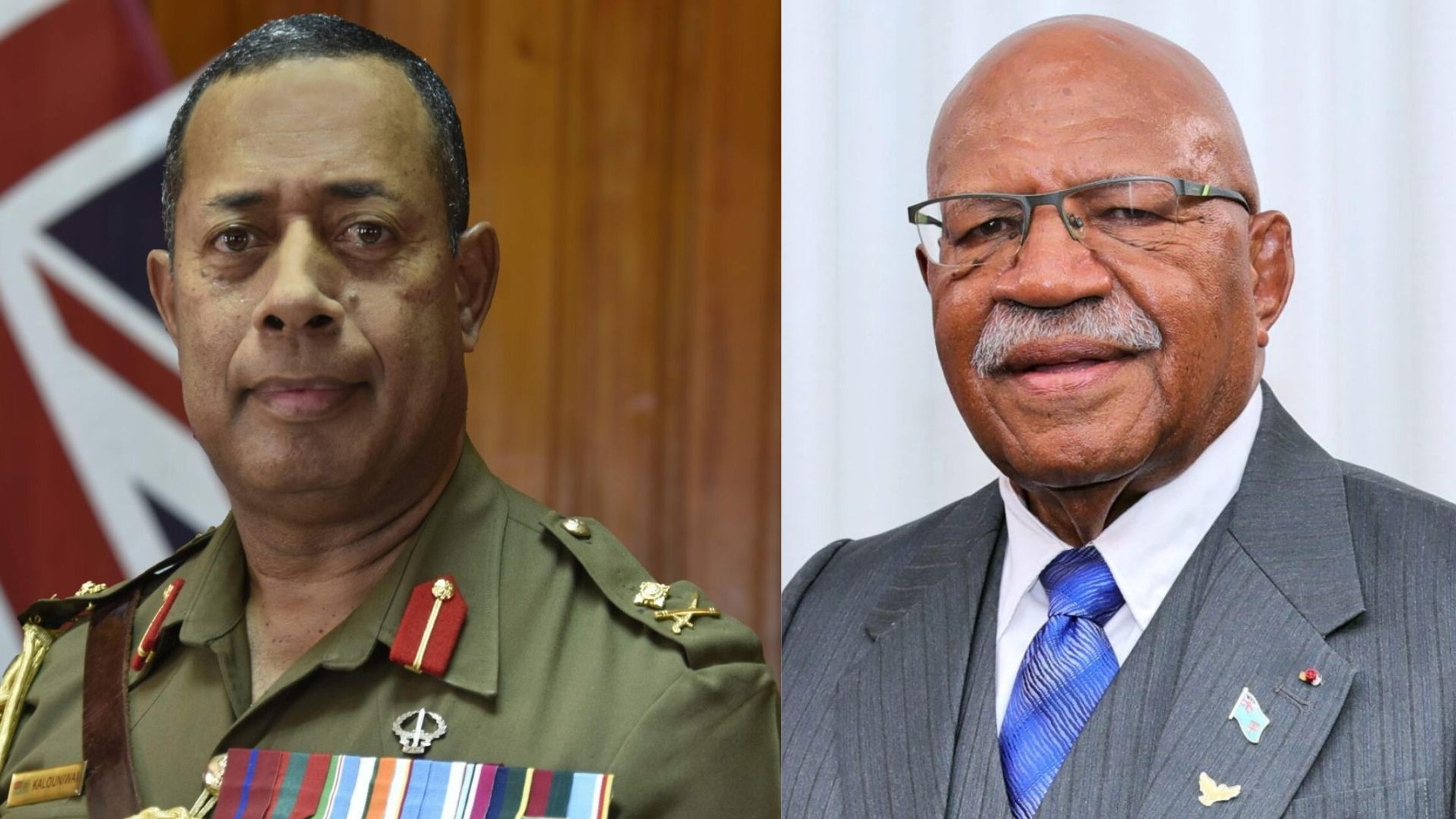
RFMF Commander Major General Jone Kalouniwai and Prime Minister Sitiveni Rabuka as Fiji debates its constitutional future.
Photo/RFMF/Fiji government
The RFMF says it accepts civilian authority and wants constitutional protections removed but Sitiveni Rabuka’s warning about restoring order has prompted calls for an explanation.


Fiji’s military has made an offer to give up the constitutional immunity that has protected it from accountability for past coups.
The offer comes just as Prime Minister Sitiveni Rabuka raised the possibility of the army being called on to restore order if the country’s constitutional process goes wrong.
The two developments have put the role of the military at the centre of Fiji’s debate over proposed constitutional changes.
Major-General Jone Kalouniwai, the Royal Fiji Military Forces Commander, told a parliamentary committee the RFMF does not want the protection under Section 206 of the Constitution and wants Chapter 14 removed.
“The RFMF does not seek the immunity in section 206 and we do not wish to receive it. We ask Parliament to remove Chapter 14. We accept, without condition, the civilian authority set out in section 151. And we will cooperate with any lawful process of accountability.”
The Commander said the decision was made by the military itself.
Watch Major-General Jone Kalouniwai's submission to a parliamentary committee in Suva below.
“No court has ordered it. No government has demanded it. No law compels it. It is a willing sacrifice and only a willing sacrifice carries moral weight.”
Kalouniwai also acknowledged the RFMF’s role in Fiji’s coups of 1987, 2000 and 2006.
“The RFMF does not come before you with clean hands. In 1987, in 2000 and in 2006, the constitutional order of our nation was overturned, and the RFMF was at the centre of those events. Lives were lost, families were broken, and in some homes the wound has never healed.”
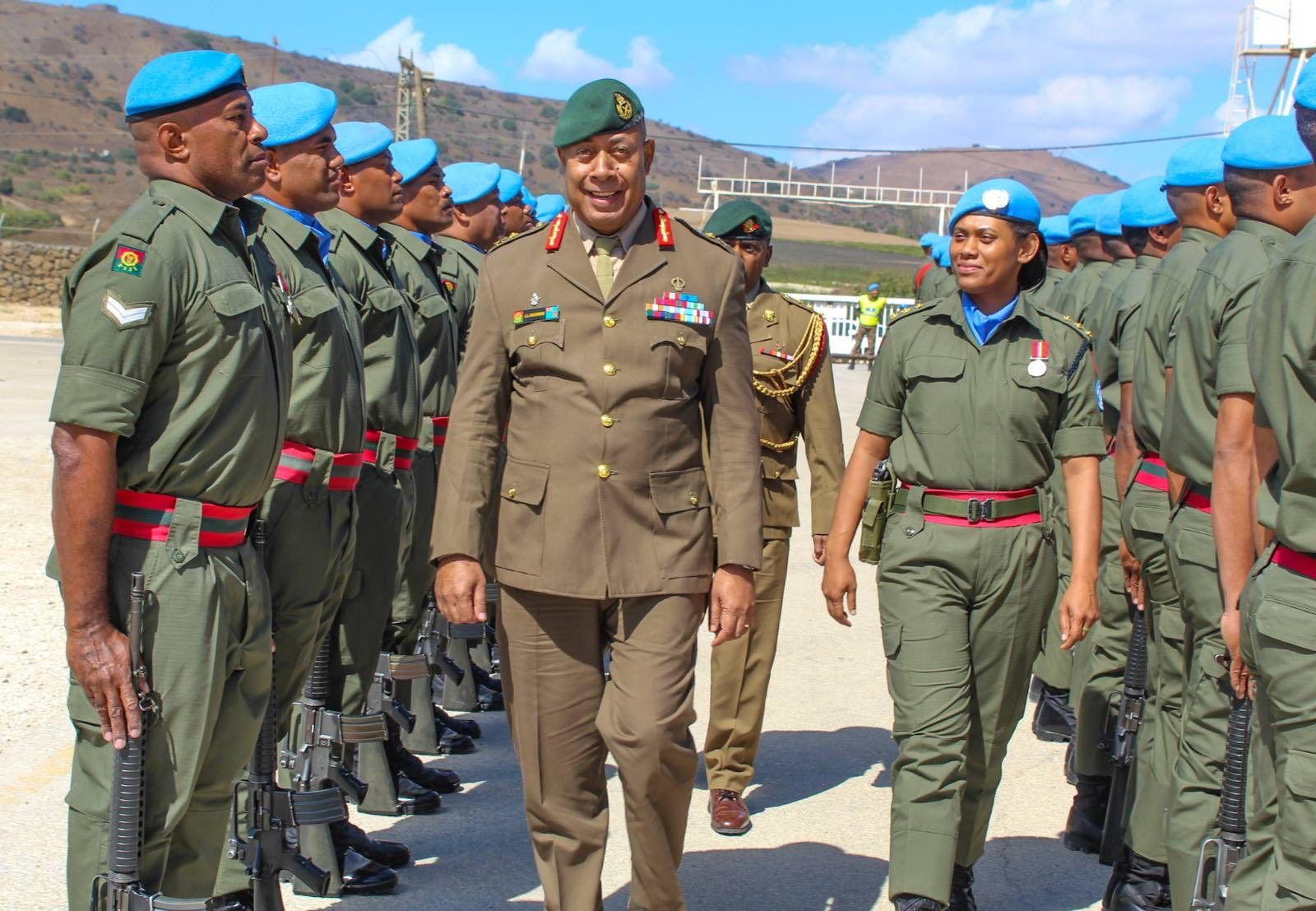
Major-General Jone Kalouniwai visits Fijian troops in the middle-east last year amid fresh questions over the military's role in the country’s future. Photo/RFMF
The military wants Chapter 14 replaced with a Truth, Accountability and Reconciliation Commission, with protection conditional on full disclosure and not extending to the gravest crimes.
“Removing immunity convicts no one. It restores the ordinary law, with all its protections.”
But against that backdrop, Rabuka made a remark in Parliament that has raised fresh questions about the military’s role in Fiji’s political future.
Speaking to Kalouniwai during the parliamentary proceedings, Rabuka said: “Because if things go wrong, either you or your successor will have to bring it back to order.”
The comment came shortly before Kalouniwai presented the RFMF submission to the committee considering the Constitution Amendment Bill.
Fiji Labour Party leader Mahendra Chaudhry says Rabuka needs to explain exactly what he meant.
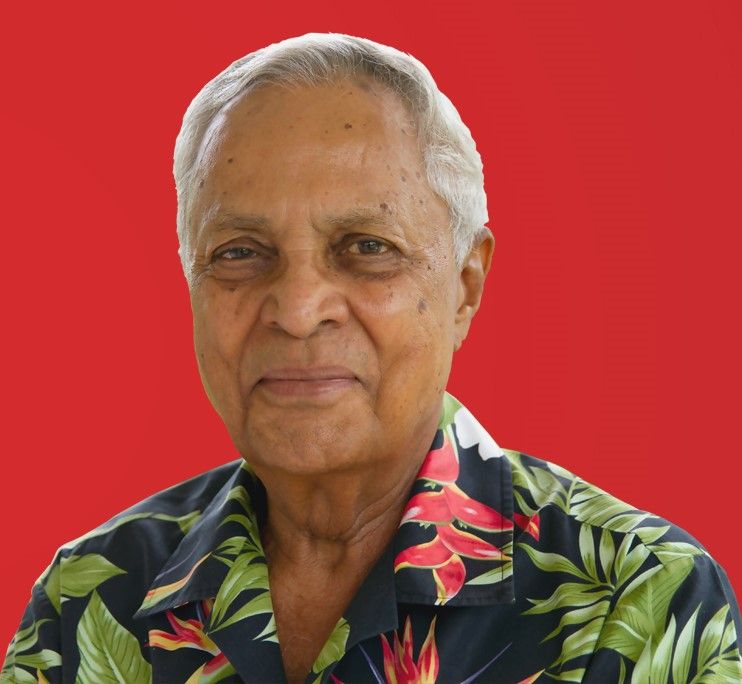
Fiji Labour Party leader Mahendra Chaudhry is calling for clarity over the Prime Minister’s comments. Photo/Supplied
“Until that clarification is given, the country is left with a statement that is either careless or calculated, and neither is acceptable from a Prime Minister who is simultaneously pressing for a new constitution," he told The Fiji Times.
Chaudhry says the comment is particularly significant given Fiji’s history of military intervention.
“The Prime Minister was at the camp in 2000. He led the events of 1987. When a man with that record tells the serving Commander that he or his successor may have to restore order, the country is entitled to ask what he means.”
He has asked whether Rabuka was referring to Section 131 of the 2013 Constitution, which gives the military responsibility for the security, defence and well-being of Fiji and its people.
“Is he acknowledging the broad wording of section 131 of the 2013 Constitution, which gives the military overall responsibility for the security, defence and well-being of Fiji and all Fijians, and inviting the Force to treat itself as the enforcer of the constitution he now wishes to pass?”
Chaudhry says any constitutional dispute should be settled through democratic institutions.
Watch convicted 2000 coup participant Josefa Nata during his address to the Truth and Reconciliation Commission in Suva below.
“Order in a constitutional democracy is restored by elections, by the courts, and by the observance of the rules that already exist.”
The RFMF says its position is about putting civilian authority and the law above the military.
“We ask nothing for ourselves, Mr Chairman. We ask only that the law stands above every person, including us.”
The parliamentary committee will now consider the military’s submission alongside other views on the proposed constitutional changes.
Many believe the question is no longer only what the new Constitution could look like but what role the military should have if the country disagrees over it.
With Fiji’s current Parliament due to reach the end of its four-year term on 24 December 2026, the country must hold its next general election by 6 February 2027, adding pressure to the government’s push to settle the constitutional changes before then.