
Visa crackdown is not aimed at Pasifika workers, says NZ First
Thomas Tarurongo WynneTue, 13 Oct
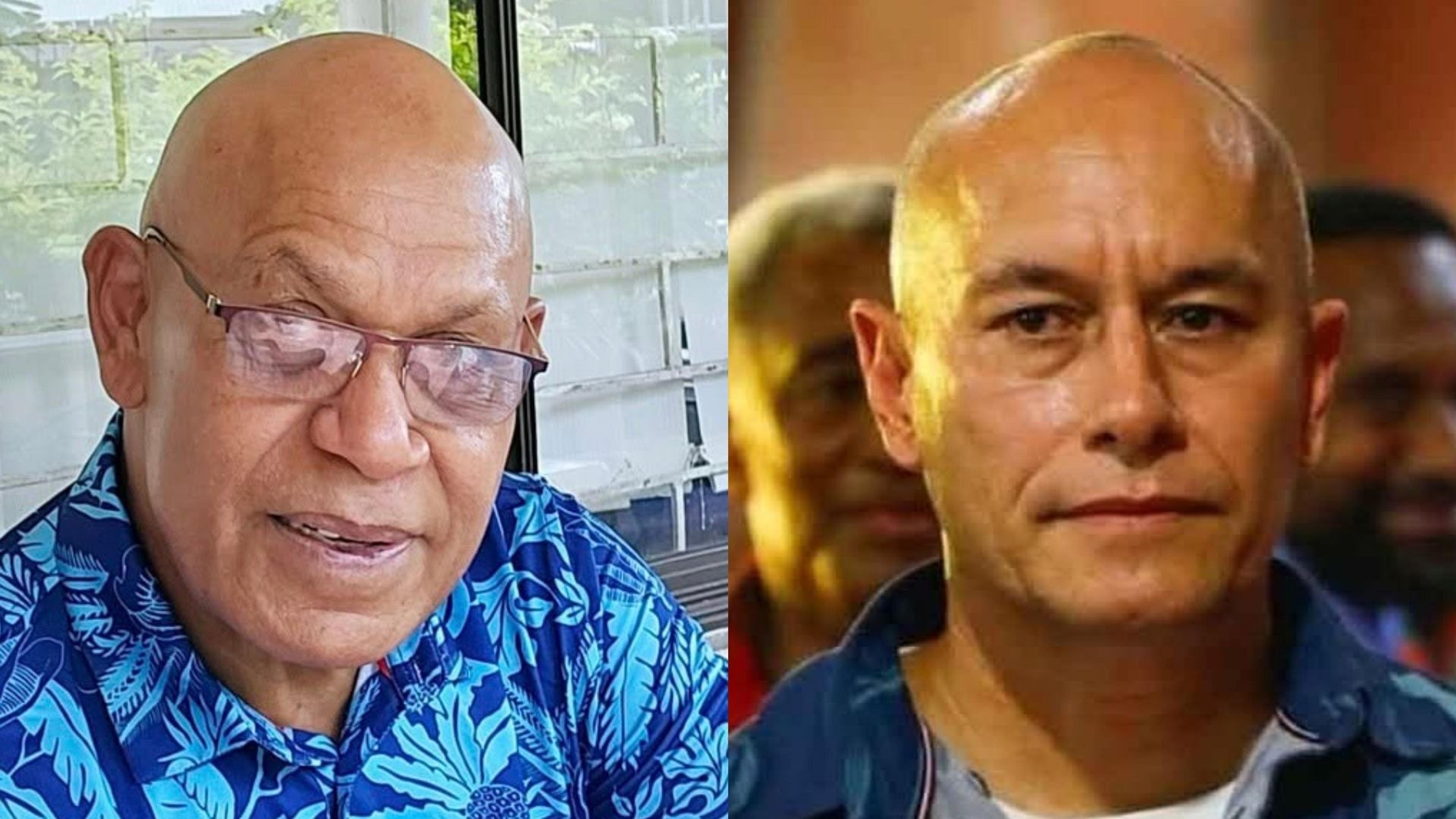
George Speight, left, and the late Shane Stevens, two men linked to Fiji’s 2000 coup, whose release from prison in September 2024 has come under renewed scrutiny.
Photo/Facebook/X/Jagath Karunaratne/Fijivillage
George Speight says papers issued to him and the late Shane Stevens referred to postponing their life sentences, raising questions about what their release meant under Fijian law.

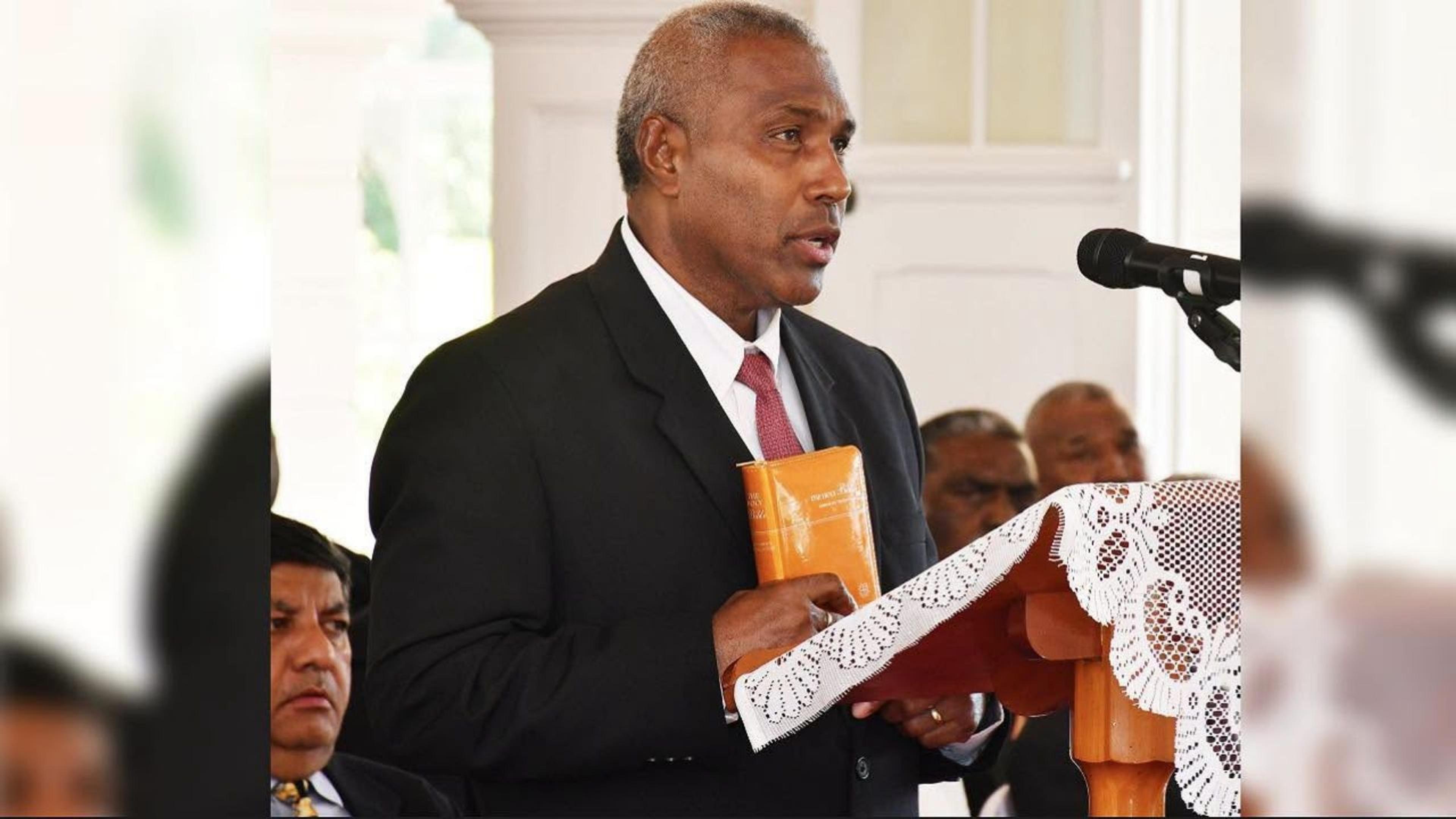


Fiji’s government is facing questions over the legal status of two men linked to the 2000 coup after George Speight claimed the documents issued to him and the late former leader of army's Counter Revolutionary Warfare (CRW) unit, Shane Stevens, did not formally pardon them.
Speaking at Stevens’ funeral in Suva on 9 October, Speight, 69, said the documents referred to a postponement of their life sentences for treason despite public announcements two years ago that they had been pardoned alongside five others.
Stevens, 56, died on 3 October after collapsing during a morning walk near Suva Grammar School in Nasese. He was pronounced dead at the Colonial War Memorial Hospital.
“Despite the public announcements two years ago of the use of the word 'pardon', it was announced to the world that Shane and I had been pardoned along with five others, a group of seven,” Speight said. “For Shane and I, that word 'pardon' is not true.”
But the Mercy Commission’s statement issued on 19 September 2024 said it had recommended that Speight be granted mercy by postponing his sentence indefinitely.
“The Commission has recommended that His Excellency the President grant mercy to Mr Speight, postponing the carrying out of his punishment for an indeterminate period, in recognition of his rehabilitation and the length of time he has served in prison,” the statement said.
Watch George Speight speaking at the late Shane Stevens' funeral in Suva last Friday.
For Stevens, the Commission said it had recommended that he be granted mercy by “postponing the carrying out of his punishment for an indeterminate period”.
The Commission said its decisions had been made in accordance with the Constitution. It said Speight had spent 24 years, one month and 23 days in prison while Stevens had been incarcerated for 21 years, eight months and 20 days before their release in September 2024.
The Fiji Corrections Service, however, described the pair as having been granted presidential pardons in September 2024. Commissioner Jalesi Nakarawa said at the time: “The final decision lies with the Mercy Commission.”
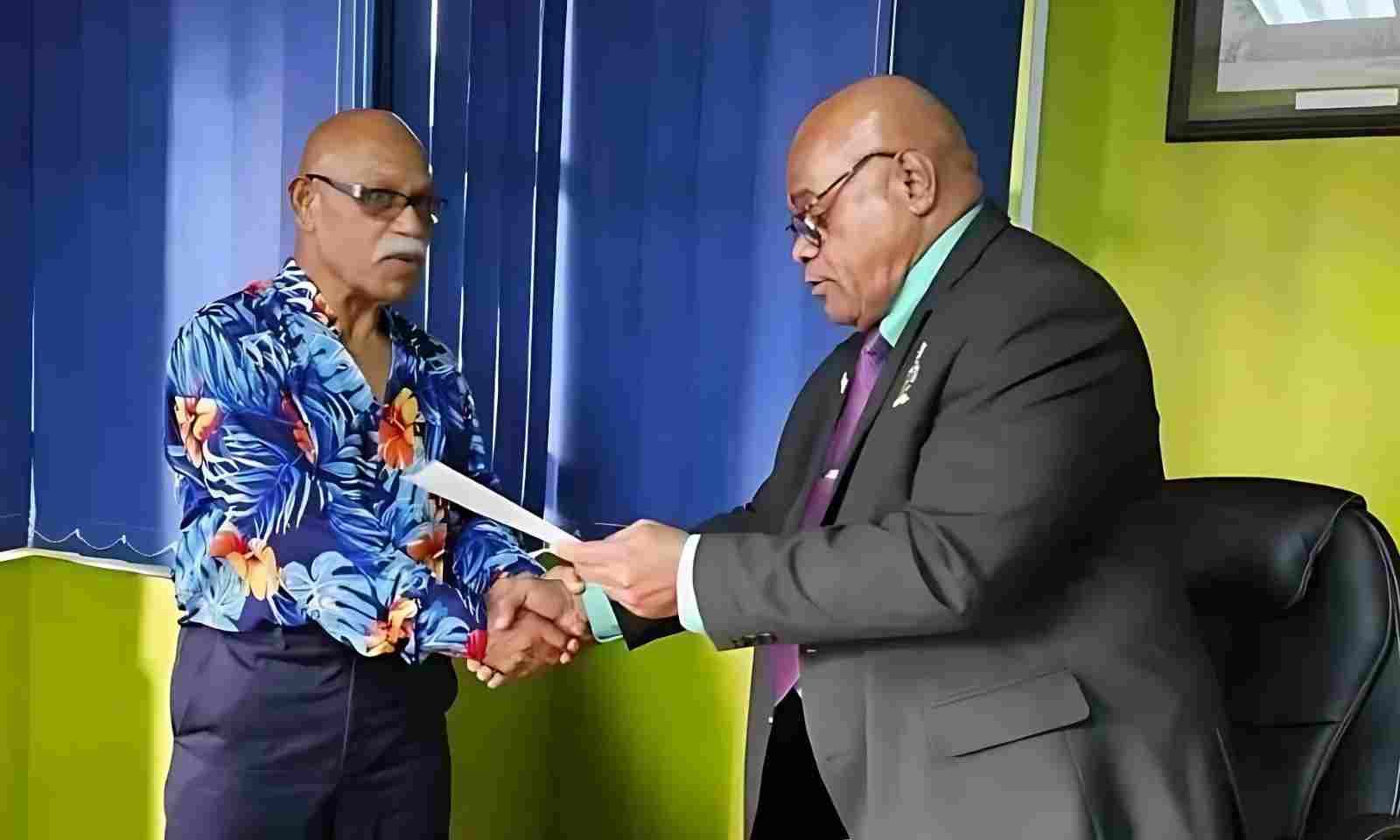
George Speight, left, receives his release papers from Fiji Corrections Service Commissioner Jalesi Nakarawa in September 2024, after more than 24 years in prison. Photo/Fiji Corrections Service
Prime Minister Sitiveni Rabuka said at the time that the Mercy Commission operated independently of government and exercised its powers under the Constitution.
Speight said he had spent two years seeking an explanation from the authorities but had remained silent while waiting for the government to clarify the situation.
“I have been asking them for two years to please make it right. I have not said a word.”
He said he and Stevens had agreed not to speak publicly about the issue to give the government time to explain why their release documents did not reflect the public announcement.
“Shane and I have agreed that I will not say a word, completely giving the government every opportunity to at least explain to us why we do not deserve to be pardoned.”
Watch Shane Stevens meet families of soldiers who died in the 2000 mutiny at the military barracks in Suva below.
The key issue, according to Speight, is the difference between a pardon and a postponement of a sentence.
He questioned why the government announced one outcome publicly while the documents he says governed their release set out another.
“Why announce it publicly and yet do something else?”
Speight said the documents carried legal provisions relating to the postponement of their sentences, which could be granted for a fixed period or indefinitely.
“The legal document that governs me standing here and Shane lying there says quite something else.”
PMN News has sought comment from the Office of the President, the Mercy Commission and the Fiji Corrections Service.
Speight is seeking an explanation for the difference between the public announcement and the wording he says appears in the release documents.
His claims have not been established as a legal finding.
The formal instruments and responses from the relevant authorities will be important in clarifying the legal position.