
Bledisloe Masterclass: Pacific powerhouses lead All Blacks’ blitz against the Wallabies
Christine RovoiSat, 17 Oct
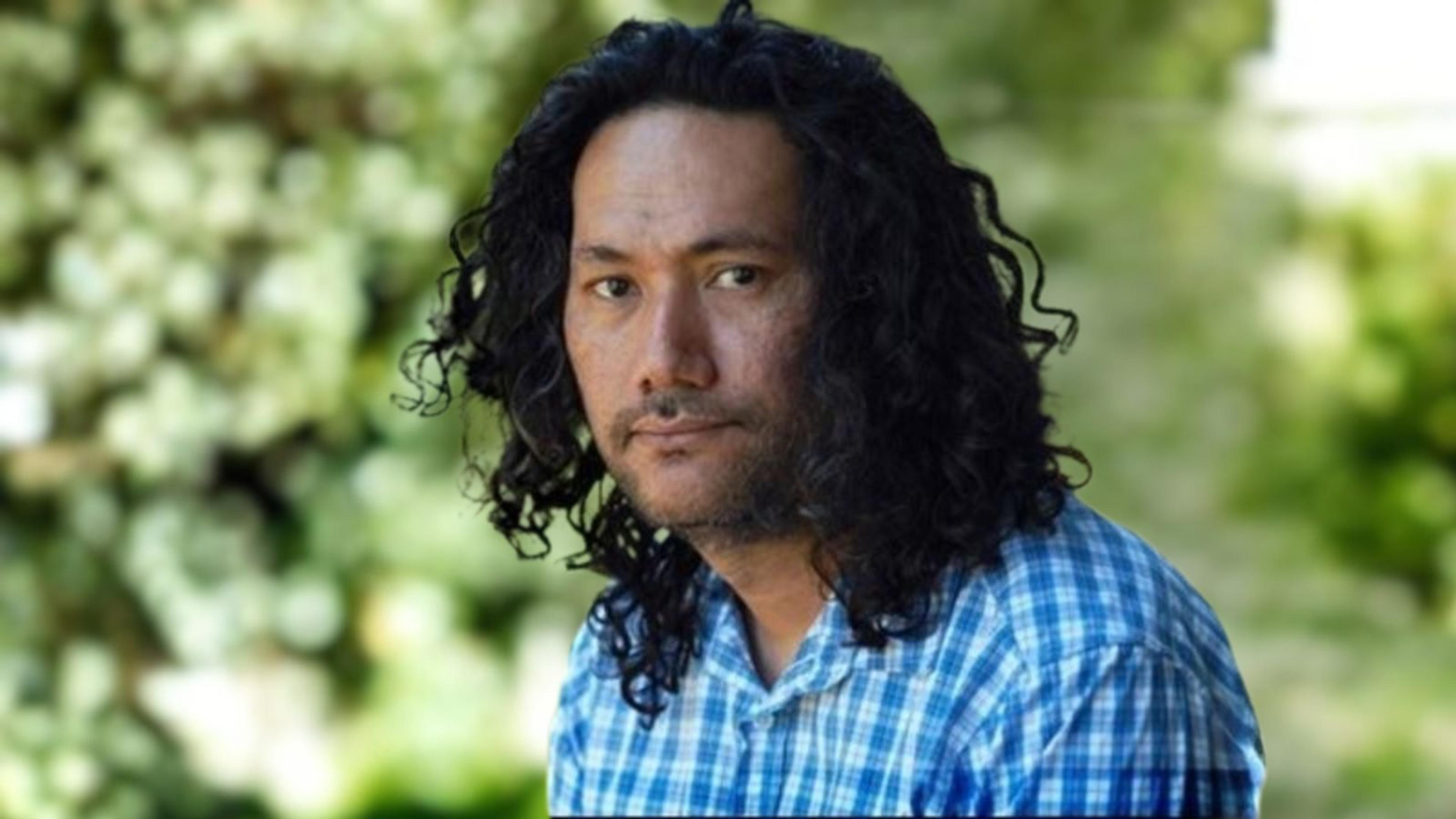
Award-winning Sāmoan filmmaker Tusi Tamasese.
Photo/Asiapacificscreenawards
Award-winning Sāmoan filmmaker Tusi Tamasese says Pacific storytelling is gaining global recognition as Auckland Council backs Pasifika filmmaking.

An award-winning Sāmoan filmmaker invited to join the United States' premier motion picture academy says the honour demonstrates a growing body of Pacific storytelling is gaining international recognition.
Tusi Tamasese, whose films include 2011's The Orator and 2017's One Thousand Ropes, has received an invitation to the Academy of Motion Picture Arts and Sciences, which oversees the annual Academy Awards or Oscars.
The Wellington-based filmmaker told Local Democracy Reporting he initially thought the invitation was a scam.
"I was surprised. I thought it was a hoax; I didn't really pay attention until my brother rang and said he had checked it out and it's legit," he said.
"It's an honour and a privilege to be nominated in the first place, and then being invited to be part of the Academy is a moment to remember and celebrate."
Tamasese said the invitation was about more than one Pacific filmmaker.

Auckland-based Tongan filmmaker Vea Mafile'o and Wellington-based Sāmoan filmmaker Tusi Tamasese were invited to join the Academy of Motion Picture Arts and Sciences. Photo/PMN News composite.
"It is a testament that we are being noticed and recognised as part of the cinema community.
"Being invited alongside Vea Mafile’o, Te Arepa Kahi and others shows this isn't a one-off - there's a body of Pacific work being noticed, not just a single story.
"The message is, the path is real and open to anyone."
Known for telling stories grounded in Sāmoan language, culture and identity, Tamasese said the recognition was significant because Pacific filmmakers had not needed to compromise their authenticity.
"Nowadays, cinema accepts all languages and cultures; we all have stories unique to us that we can only tell, and the only way to tell them is to be as truthful and authentic as possible.
"Having the freedom to make films in our languages and from our culture is an important ingredient that audiences around the world want to experience and appreciate."
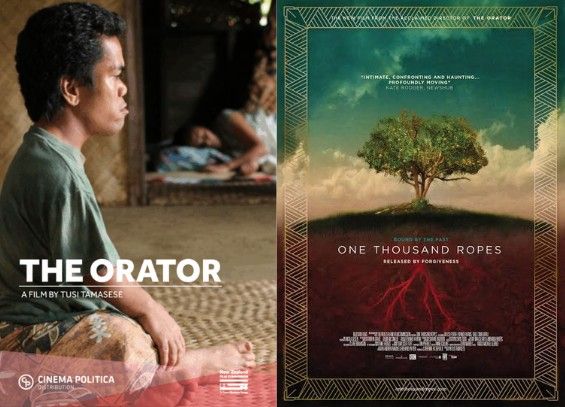
Award-winning Sāmoan filmmaker Tusi Tamasese's feature films The Orator and One Thousand Ropes. Photo/IMDb/CinemaPolitica
He said there was growing demand for Pacific stories, helped by funding bodies and increasing visibility on streaming platforms.
"When I started, those opportunities weren't as visible; now there's a real pathway, and the industry is now looking."
Asked whether Aotearoa could do more to support Pacific filmmakers and help them build sustainable careers, Tamasese said "yes".
"More Pacific content and filmmakers are coming through because of funding bodies, and that's great progress. But there are still gaps; unfortunately, the filmmaker has to find their own ways to fill them.
"Sustaining a career is not guaranteed in this industry, but you never know until you try."
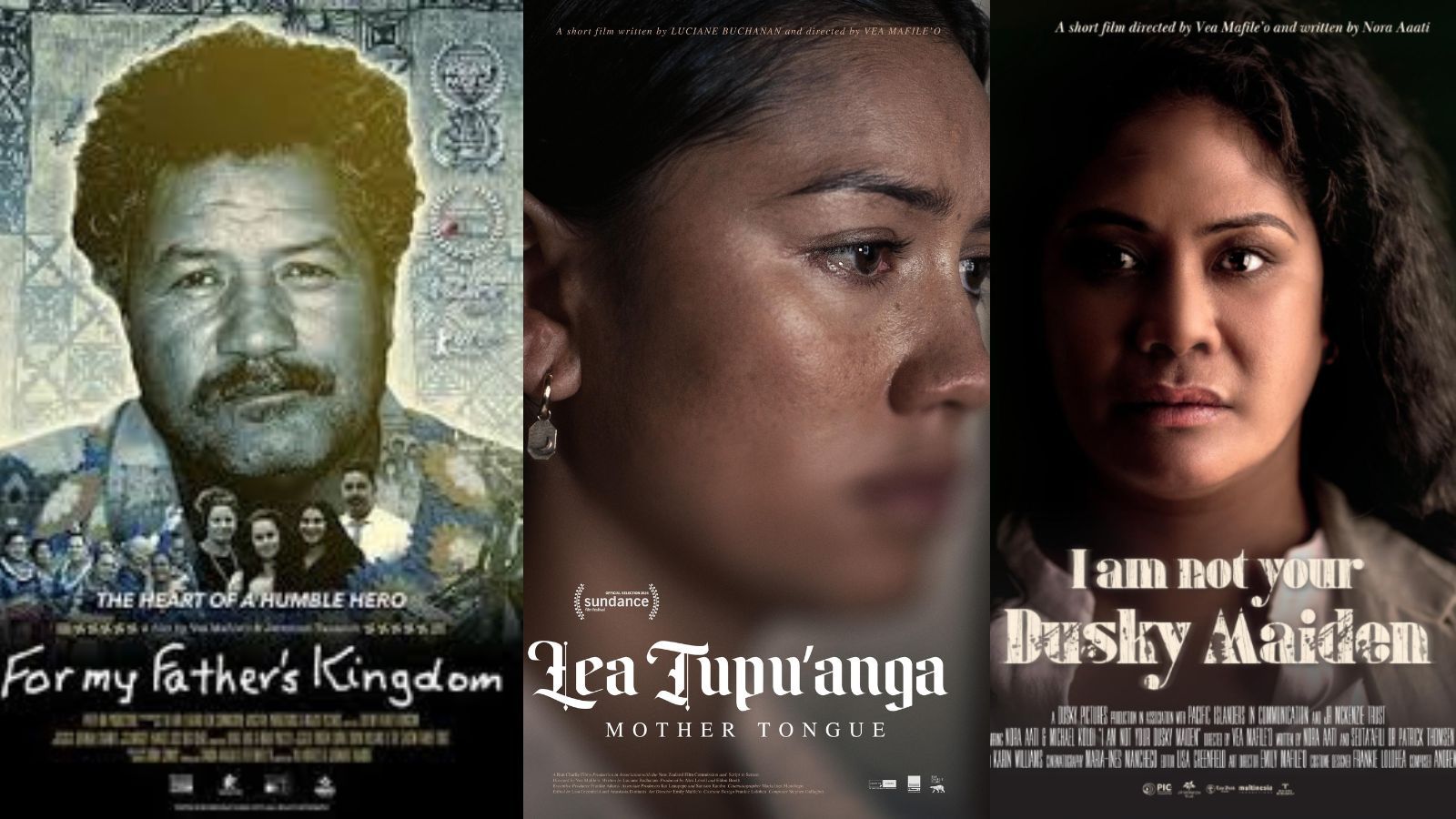
Titles from the work of award-winning Auckland-based filmmaker and producer Vea Mafile'o, including For My Father's Kingdom, Lea Tupu'anga (Mother Tongue) and I Am Not Your Dusky Maiden. Photo/IMDb
Asked about government support for Pacific filmmakers, Tamasese said more investment in Pacific films would help.
“I would love to see more money poured into Pacific films,” he said.
"Unfortunately, due to the current financial climate, it's unlikely. I'm sure there are gaps that even the funders would love to fill, but when that funding falls short, it comes down to filmmakers.
"Some have to take the long way - finding other ways to develop and fund their films - and end up making successful ones anyway."
Auckland Deputy Mayor Desley Simpson said Auckland Council's role was to create the conditions for the screen sector, including Pacific creatives, to thrive.
"Through Screen Auckland, we support the facilitation and presentation of screen production across the region.
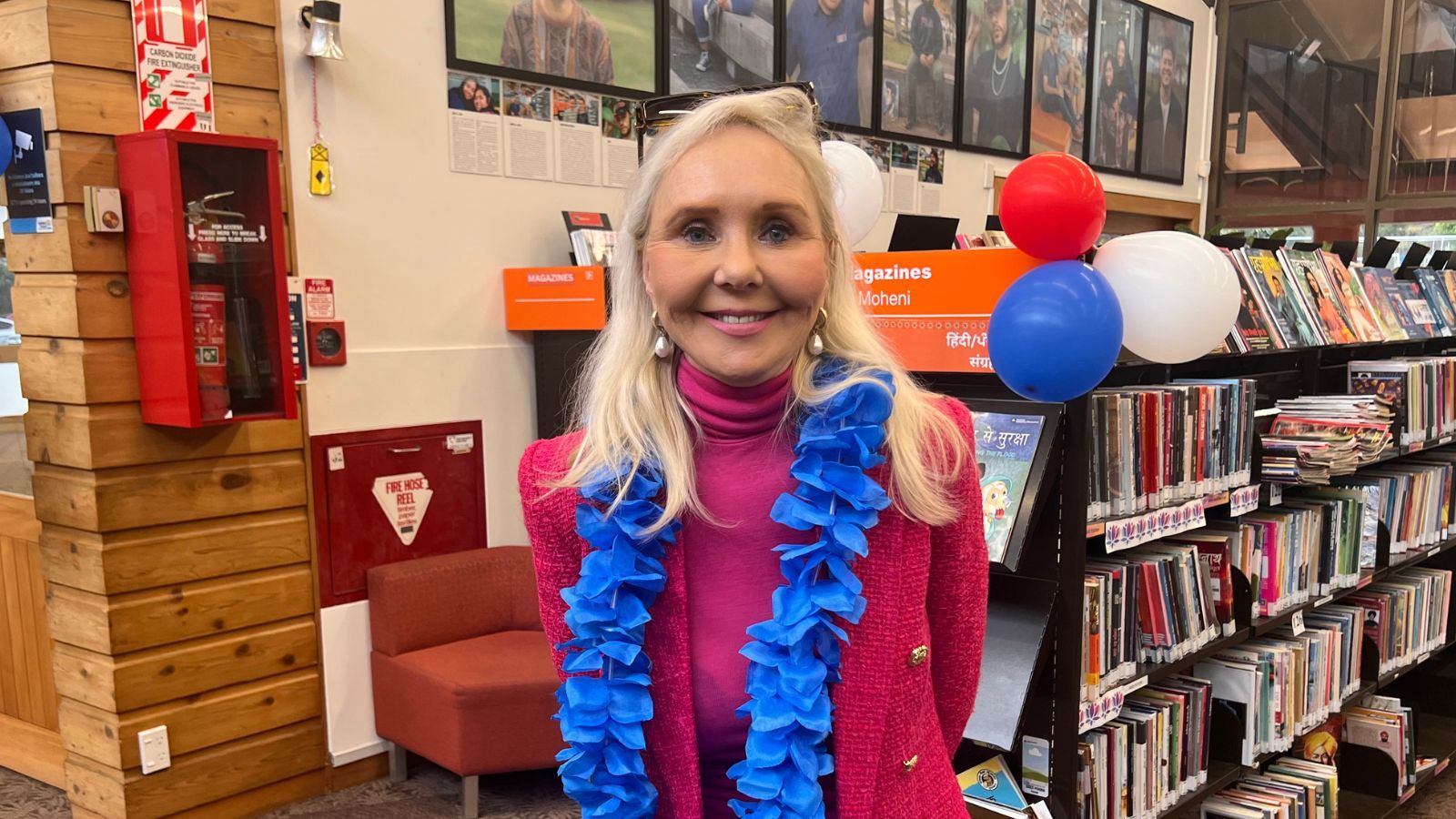
Auckland Deputy Mayor Desley Simpson. Photo/PMN News/Taelegalolo'u Mary Afemata
"While we don't directly fund filmmakers, we work to ensure Auckland remains an attractive, well-resourced place to make films."
Simpson said Pacific creatives were increasingly shaping Auckland's screen identity and said investing in Pacific storytelling was particularly important in South Auckland.
"South Auckland is one of the cultural hearts of the Pacific world, and investing in Pacific storytelling is essential to honouring that identity and nurturing the next generation of creatives."
Simpson said the council was exploring opportunities, including a Pacific Film Festival alongside Pasifika Festival, and remained committed to working with organisations such as the Pacific Island Screen Collective to strengthen pathways into the industry.
Looking ahead, Simpson said Tāmaki Makaurau was well-placed to become a global centre for Pacific filmmaking.
"Our long-term legacy should be the development of a thriving Pacific film industry - one that reflects our communities, supports sustainable careers, and positions Auckland as the home of world-leading Pacific storytelling."
Auckland-based Tongan-New Zealand filmmaker Mafile'o, who was also invited to join the Academy this year, told PMN's Island Time Pacific representation within the Academy would help ensure stories remained authentic rather than becoming "fully Hollywoodized".
"It does mean that we have more opportunities. It does mean that we can finally, you know, there is recognition that Pasifika stories have value."
Mafile'o said those opportunities also needed to be built at home. Through her Papatoetoe-based creative hub, Taro Patch Creative, she supports emerging Māori and Pacific filmmakers through training, workspace and production resources.
The Academy declined to provide an on-the-record statement. Screen Auckland did not respond before publication.
LDR is local body journalism co-funded by RNZ and NZ On Air.