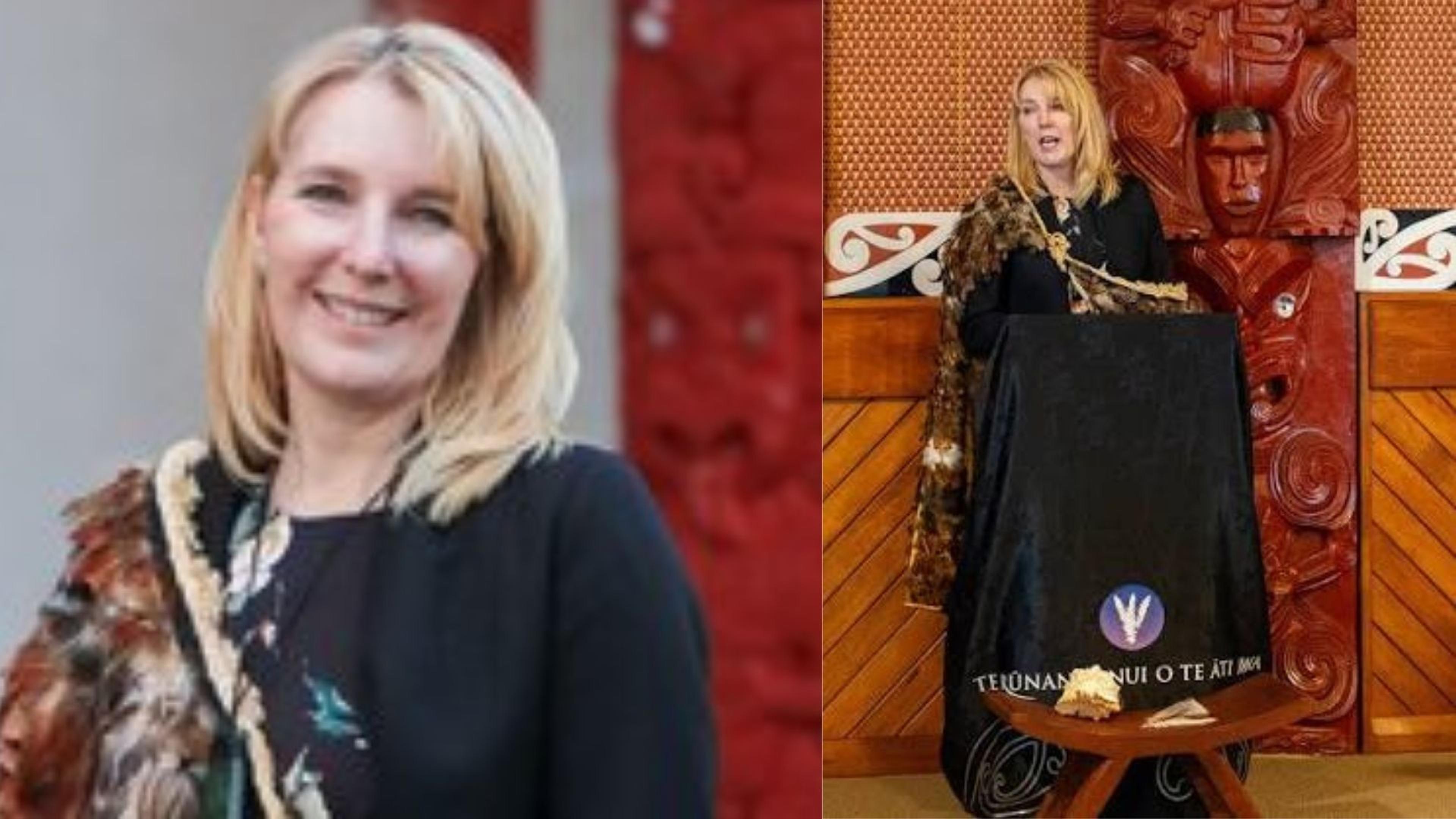
New Children’s Commissioner Jane Searle says Pacific communities must have a stronger voice in decisions affecting their children, as she warns of high levels of material hardship among Pacific tamariki.
Photo/Mana Mokopuna Children's Commissioner/Instagram
Community
NZ's new Children's Commissioner says Pasifika must shape the solutions for mokopuna
Jane Searle says Pacific communities know what their children need, as she warns one in three Pacific children are living in material hardship.

Christine Rovoi
Published
19 August 2026, 2:08pm
Share
Copy Link
Top stories
World Vision warns children will pay for aid cuts beyond the Pacific
Thomas Tarurongo WynneMon, 12 Oct
Top stories
World Vision warns children will pay for aid cuts beyond the Pacific
Thomas Tarurongo WynneMon, 12 Oct
Aotearoa New Zealand’s new Mana Mokopuna Children’s Commissioner says Pacific communities must have a stronger say in decisions affecting their children as she puts early support and community-led solutions at the centre of her new role.
Jane Searle, who has been in the job for just over two weeks, says the level of material hardship among Pacific children cannot be ignored.
“The statistics tell a story of a 30 per cent of Pacific children living in material hardship so that's way above the national average,” she tells William Terite on Pacific Mornings.
Searle says the figures point to families not getting the right support early enough, particularly in health and education.
“So that story tells us that we're not getting the supports we need early. We're not getting the supports in health and education and in other areas to help families and wrap around them.”
Searle's comments echo concerns raised by Pacific dietitian Mafi Funaki-Tahifote, who told Pacific Mornings last month that the statistics reflect what many Pacific families are already experiencing.
Watch Mafi Funaki-Tahifote and Dr Kelly Garton's full interview below.
“Pacific families are having children having to go to bed hungry, they're having to attend school hungry.”
“These are statistics that are unacceptable in a developed country like Aotearoa, New Zealand.”
Salvation Army Social Policy Analyst Ana Ika says the pressure on Pacific households can also affect basic needs such as housing and food.
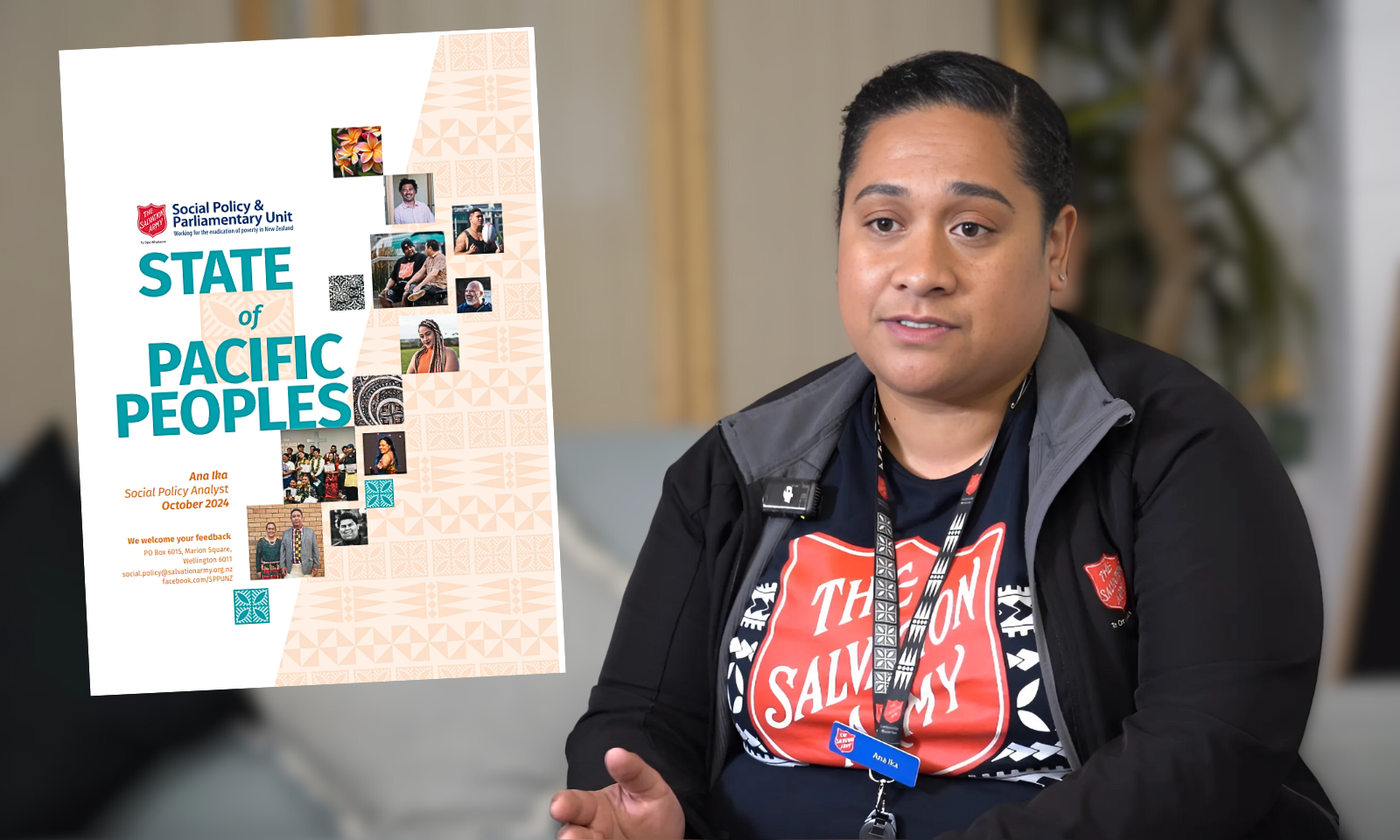
“Then it has the flow-on effect into housing, food [and so forth], which has a flow-on effect into housing and food security," she told Terite following the release of the Salvation Army’s State of the Nation 2026 report in February.
But Searle says Pacific communities also hold many of the answers.
“I know there's strength in the Pacifica communities. And I know there's solutions that sit there.”
Searle says her role is not simply to speak on behalf of children and families, but to make sure communities are heard by the people making decisions in Wellington.
“My job as an advocate is not just to have my voice heard, but it's to elevate the voices of those who need to be there for their communities and to talk about what solutions work for them.”
She says national policies often fail to reflect what is happening on the ground in different communities.
Watch Jane Searle's full interview below.
“I've seen my time working in the children's sector, many policies, many plans rolled out at a national level, but they don't understand what's actually happening on the ground for particular communities.”
Searle says Pacific leaders and frontline organisations need to be part of those decisions from the start.
“If we're talking about Pacifica communities, we need Pacifica leaders and frontline organizations who have been working in the space for a long time to be able to bring their knowledge to the table so that we then can get plans that work.”
Her comments come as New Zealand continues to grapple with child poverty, abuse and neglect.
Searle says more than 14 per cent of children are living in material hardship, while Oranga Tamariki is receiving more reports of concern than ever before.
She says she cannot claim violence against children is improving. “I wish I could say we are, but I don't think we are.”
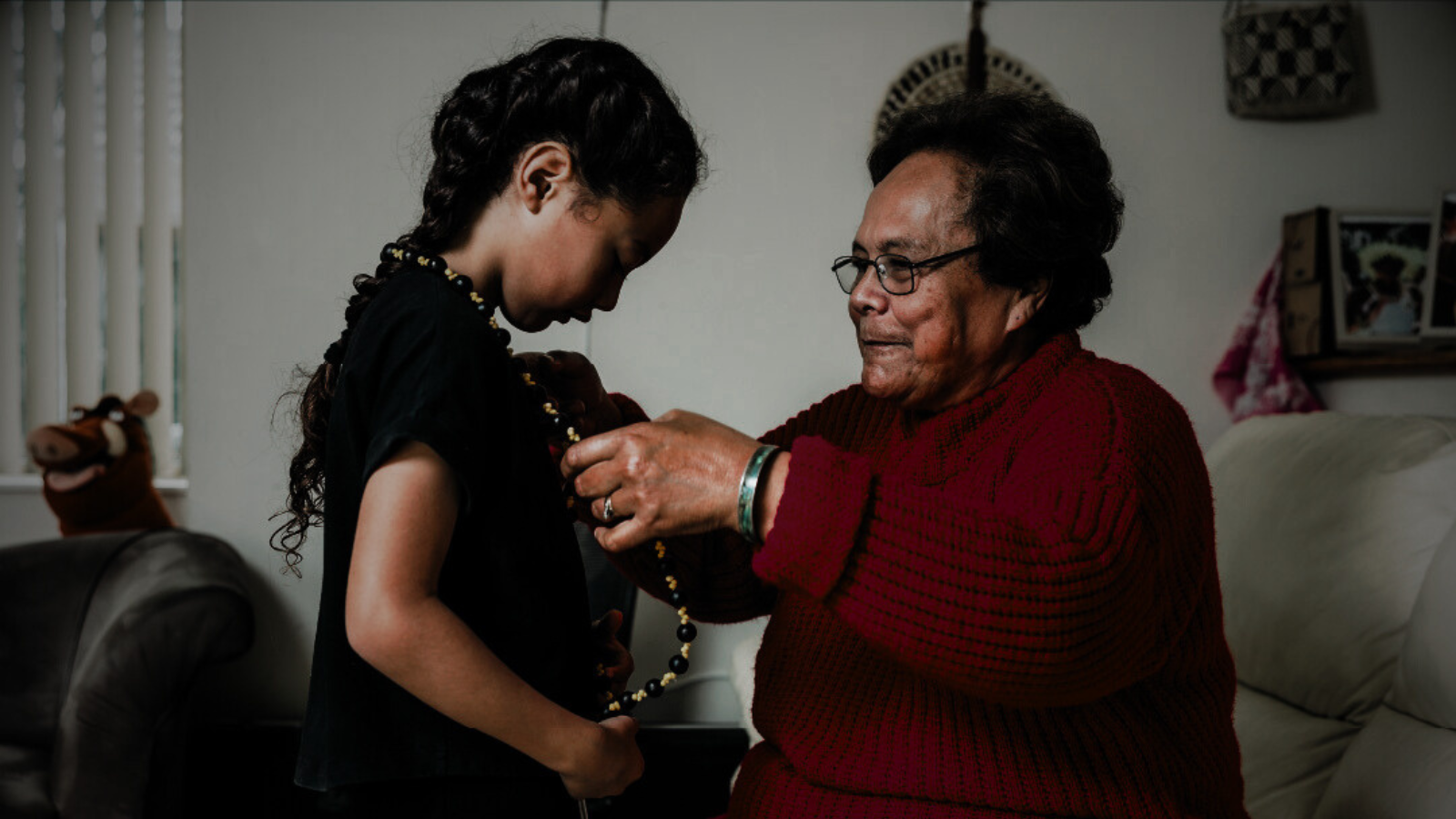
Pacific communities are being urged to have a stronger say in shaping solutions for children and families, with leaders and frontline groups holding valuable knowledge about what works. Photo/Supplied
The Commissioner says frontline community organisations are reporting rising violence, and the country needs to focus more on preventing harm before it happens.
“We need the crisis intervention, obviously, because we need to work really hard for the children who need us most. However, the long-term plan is where we're going to get the movement.”
Searle says real change will take decades, not years. “This isn't a 10-year fix. This is a 30-, 50-, 60-year fix, probably.”
Her role is independent of government, and she says part of her job is to hold government and policy makers to account while working with communities.
Watch Ana Ika's full interview below.
For Pacific families, Searle's message is clear: their knowledge matters.
“There is strength in the community and the communities know their own people the best. [They] know the problems and the challenges. And so my goal is to make sure their voices are heard.”
Searle says success will ultimately be measured by whether families receive help early enough and frontline organisations begin to see things improve.