
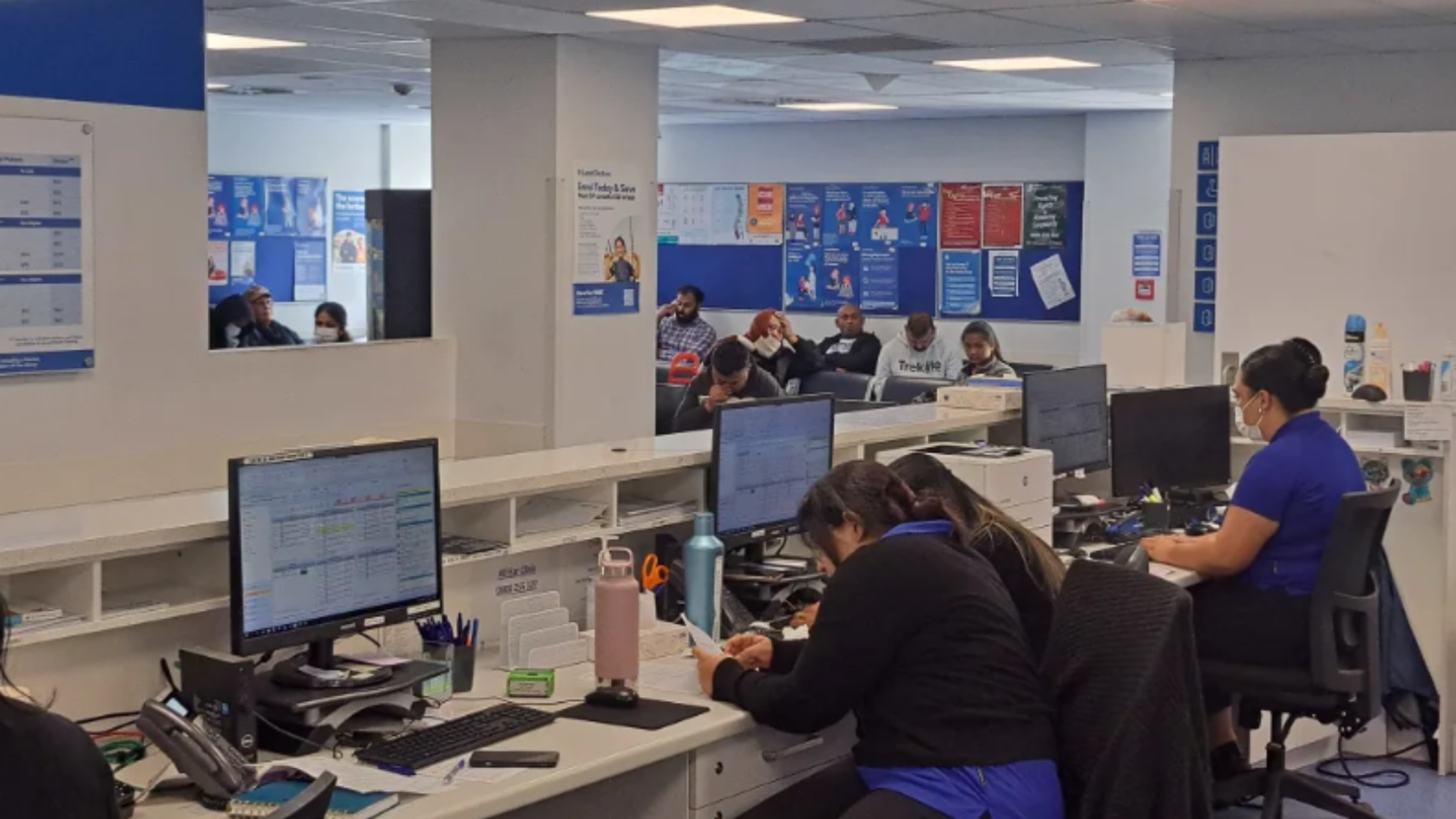
Patients and staff inside the Local Doctors Ōtara clinic on Watford Road.
Photo/RNZ/Luka Forman
Local Democracy Reporting
Ōtara clinic launches 24/7 urgent care to ease pressure on Middlemore hospital
Longstanding gaps in after-hours healthcare access in Ōtara have led to the introduction of overnight urgent care for South Auckland families.

Taelegalolo'u Mary Afemata
Published
20 January 2026, 3:00pm
Share
Copy Link
Top stories

World Vision warns children will pay for aid cuts beyond the Pacific
Thomas Tarurongo WynneMon, 12 Oct
Mate Ma’a Tonga’s 40-year legacy lives on through generations
Elton Lonaratha JnrMon, 12 Oct
Top stories
World Vision warns children will pay for aid cuts beyond the Pacific
Thomas Tarurongo WynneMon, 12 Oct
Mate Ma’a Tonga’s 40-year legacy lives on through generations
Elton Lonaratha JnrMon, 12 Oct
A long-serving Ōtara medical clinic has begun offering round-the-clock urgent care, a move health leaders say will improve access for South Auckland families and help ease pressure on Middlemore Hospital’s emergency department.
The 24/7 service, launched on Monday, 19 January at the Watford Road clinic, marks the first time overnight urgent care has been available at the site, addressing long-standing gaps in after-hours healthcare access across South Auckland.
Dr Sivakumar Vallipuram, a clinic director and urgent care physician who joined Local Doctors in 2002, says the service was long overdue.
“We feel that it should have been done a long, long time ago. But finally, we achieved this for our community.”
Dr Uruba Khalil, also a director and doctor at Local Doctors who has worked at the clinic since 1998, says staff made the decision after seeing ongoing pressure on hospital services.
“When you see the discharge letters from the hospital for flu and colds, you feel like the patient had a long night, and you feel like it’s a waste of resources when we could have done that during the night,” Khalil says.
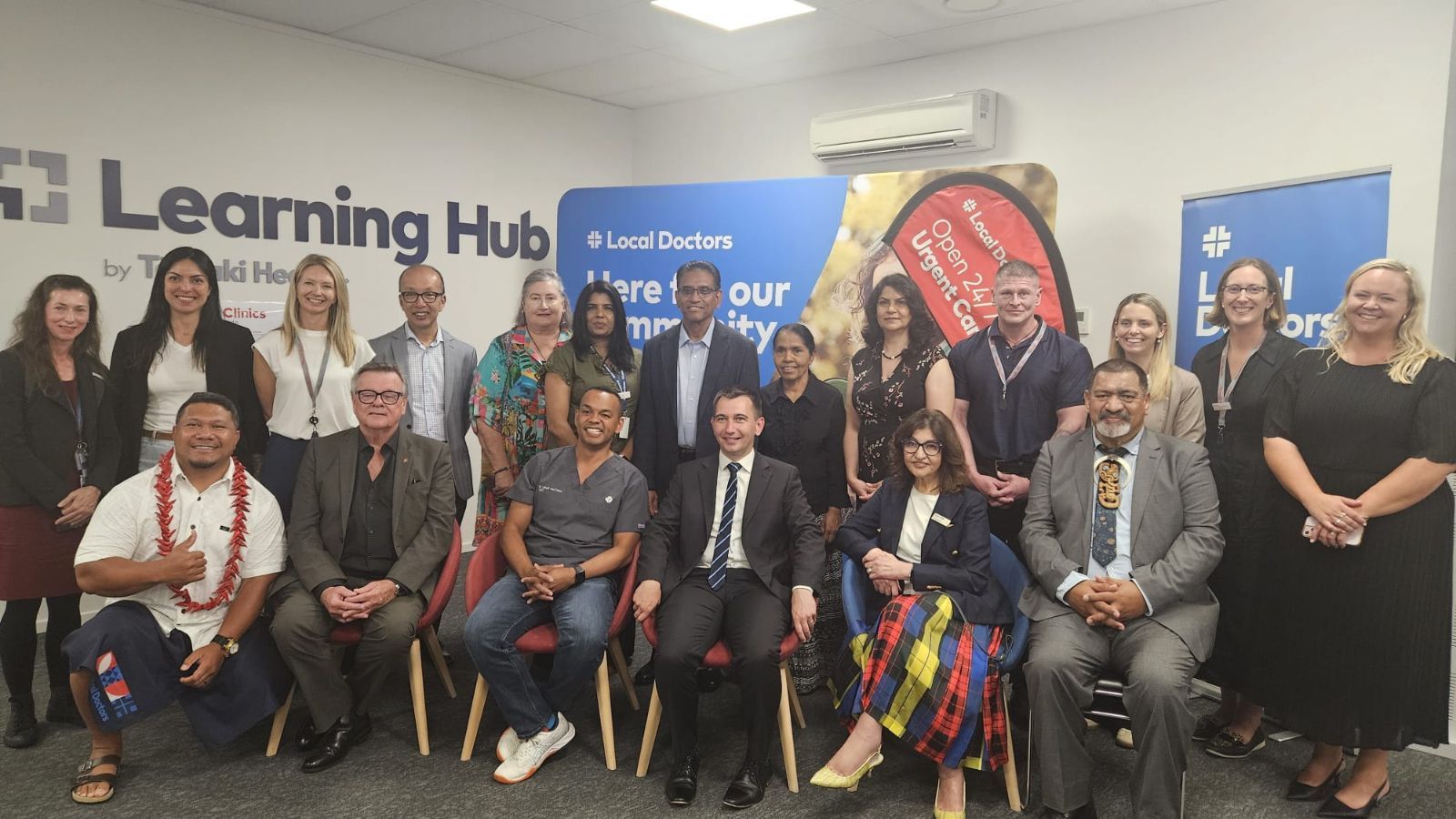
Health Minister Simeon Brown with Local Doctors Ōtara clinicians, staff and health leaders at the opening of the clinic’s first-ever 24-hour urgent care service. Photo/PMN News/Taelegalolo'u Mary Afemata
She says staff often stayed well beyond the clinic’s previous 11pm closing time because they did not turn patients away.
“Sometimes we will stay till 1 in the morning,” she says. “Now there is another team that will come and take over and help us.”
Doctors say they regularly see patients return from Middlemore Hospital after waiting hours in the emergency department.
“They come back from the ED because they waited six to seven hours. No one saw them,” she says.
Dr Selva Ponnampalam, who has worked at the clinic since 2003, says discharge summaries show the same pattern.
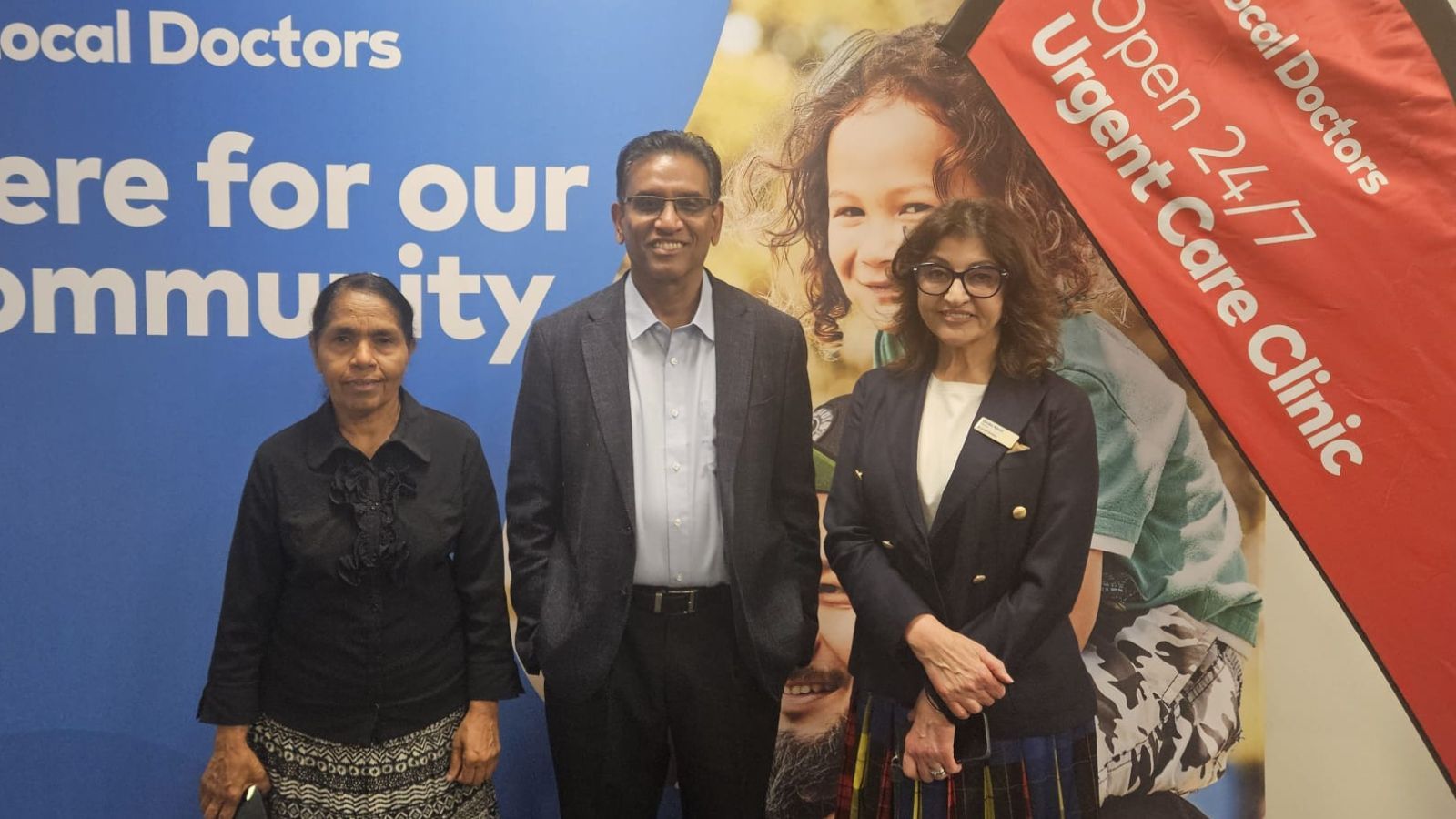
From left, Dr Selva Ponnampalam, Dr Sivakumar Villipuram and Dr Uruba Khalil, long-serving doctors at Local Doctors Ōtara who say the new 24/7 service is long overdue. Photo/PMN News/Taelegalolo'u Mary Afemata
“We get the discharge summaries, waited for long and left without seeing the doctor,” Ponnampalam says. “So that won’t happen. They can come here.”
Clinicians also point to cost and transport barriers that push some patients towards hospital emergency departments.
“Sometimes some people don’t have $5 for petrol or parking to go to Middlemore Hospital,” Khalil says. “Here it is closer.”
Vallipuram says after-hours fees will remain unchanged, and the clinic will accept walk-in patients, including those who are not enrolled.
“Yes, anyone can come, even the casual patients, visitors, they are all welcome,” he says.
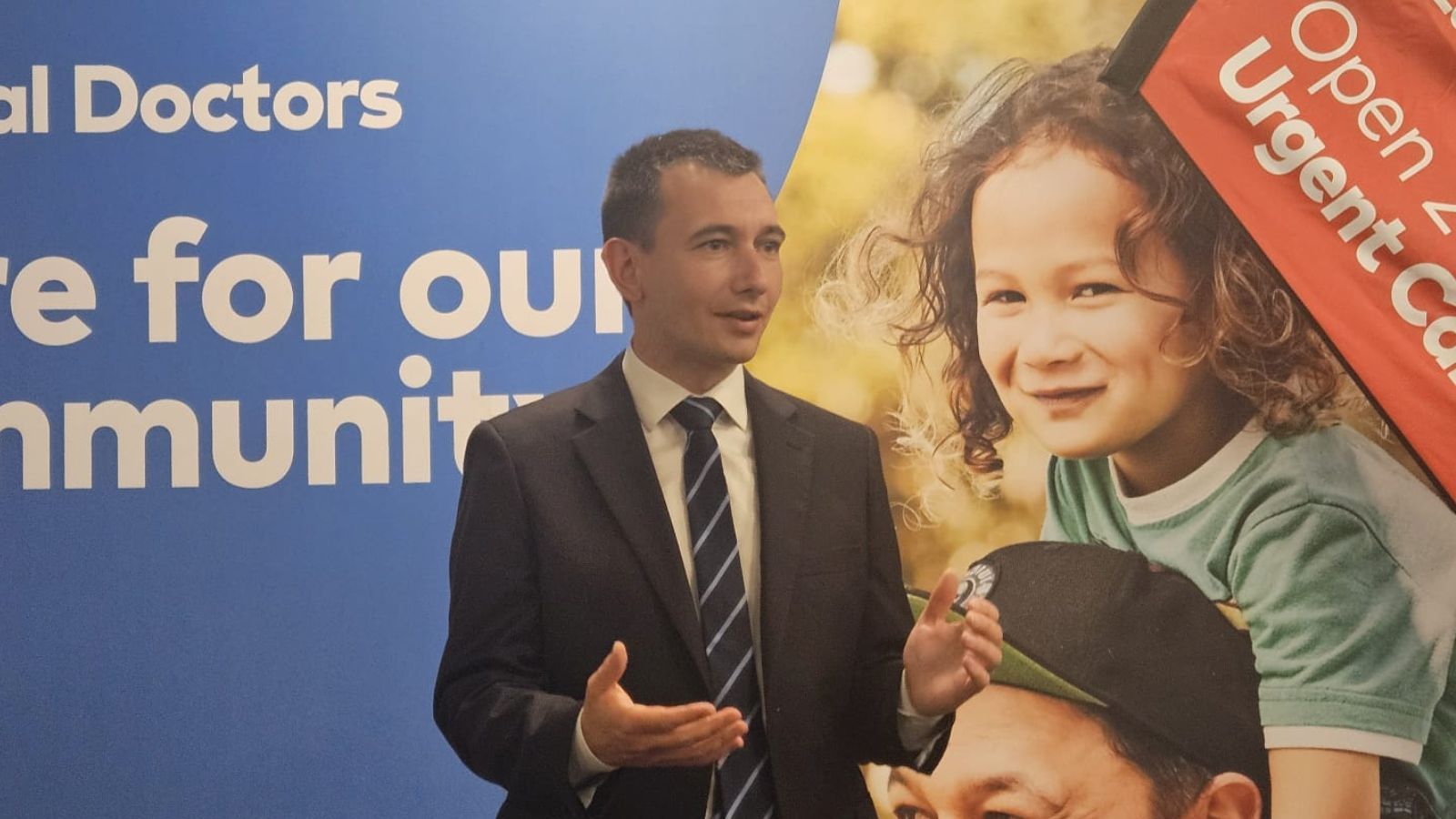
Health Minister Simeon Brown at the launch of Local Doctors Ōtara’s new 24/7 urgent care service on Monday, 19 January. Photo/Taelegalolo'u Mary Afemata
Health Minister Simeon Brown says the opening addresses a long-standing service gap, with South Auckland the only part of Auckland without a 24/7 urgent after-hours care service since around 2020.
“This is about care closer to home, more options for people, and a close partnership with Middlemore Hospital to take pressure off the emergency department."
He says last year’s Budget set aside funding to expand urgent after-hours services nationwide, with Counties Manukau prioritised due to population size and demand. Health New Zealand selected the Ōtara site through a procurement process.
Brown says officials will assess the service by monitoring patient numbers and demand.
“We’ll be looking at the numbers coming through and how many people are being seen,” he says.
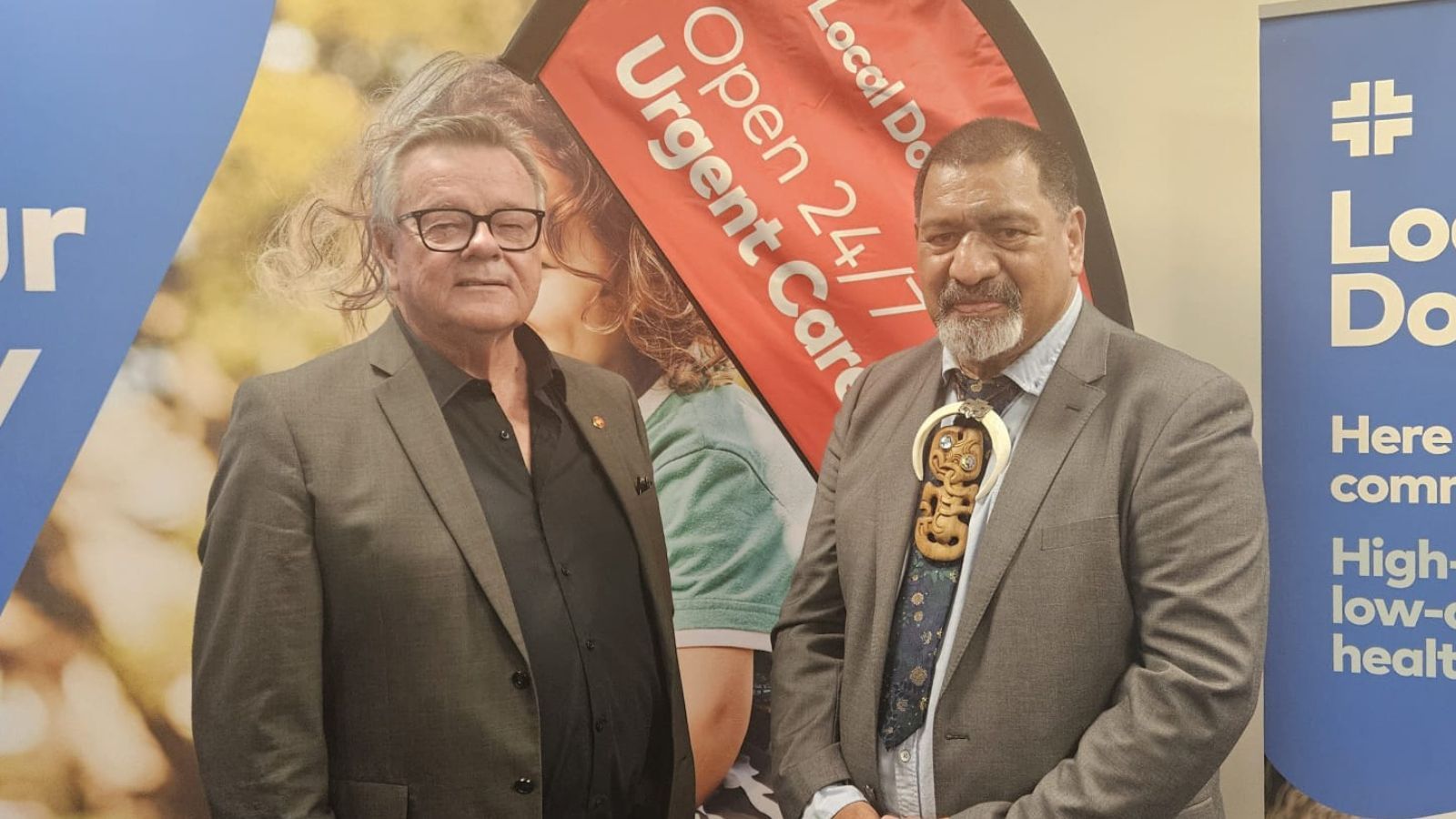
From left, Total Healthcare chief executive Mark Vella and board chair Willie Ropata at the Ōtara clinic launch. Photo/Taelegalolo'u Mary Afemata
Addressing affordability, Brown says children under 14 will be treated free of charge, and people with community services cards receive additional subsidies.
Mark Vella, Total Healthcare's CEO says cost differences between hospital and community care show why lower-acuity patients should be treated outside emergency departments.
“In 2014 it cost around $375 for every person that walks into ED,” Vella says.
Willie Ropata, chair of the Total Healthcare Board, says the service reflects the level of need in the Ōtara community.
“They deserve to be cared for, acknowledged, and recognised through initiatives [like this]. To be acknowledged as a high-needs community that must be served as well as possible is something we’re absolutely excited about on behalf of the community,” Ropata says.

Ōtara-Papatoetoe Local Board member Apulu Reece Autagavaia says the new 24/7 urgent care service is much needed, but workforce and funding challenges remain. Photo/Auckland Council
Apulu Reece Autagavaia, Ōtara-Papatoetoe Local Board member, welcomes the opening of the clinic but says it does not address deeper structural issues in the health system.
“We have seen this government cut funding to many social services, including in health,” Apulu says. “So it is welcome news to see the Local Doctors in Ōtara opening 24/7 urgent care.”
He says many residents struggle to access GP appointments, sometimes waiting weeks, due to limited hours and difficulty taking time off work.
“Our people struggle to find available doctor appointments, sometimes having to wait weeks,” he says.
Apulu believes the health system faces fundamental structural issues that the government has not addressed.
He says two major issues are an ageing GP workforce and the 15-minute capitation model.
“GP clinics don't have enough younger doctors coming through, with many clinics predicted to close in the coming years, and 15-minute consultations are often too short for doctors to delve into the health issues of patients in a community with high complex health needs."
“So this 24/7 urgent care clinic is much needed, but the government needs to do more,” Apulu says.
LDR is local body journalism co-funded by RNZ and NZ On Air.