
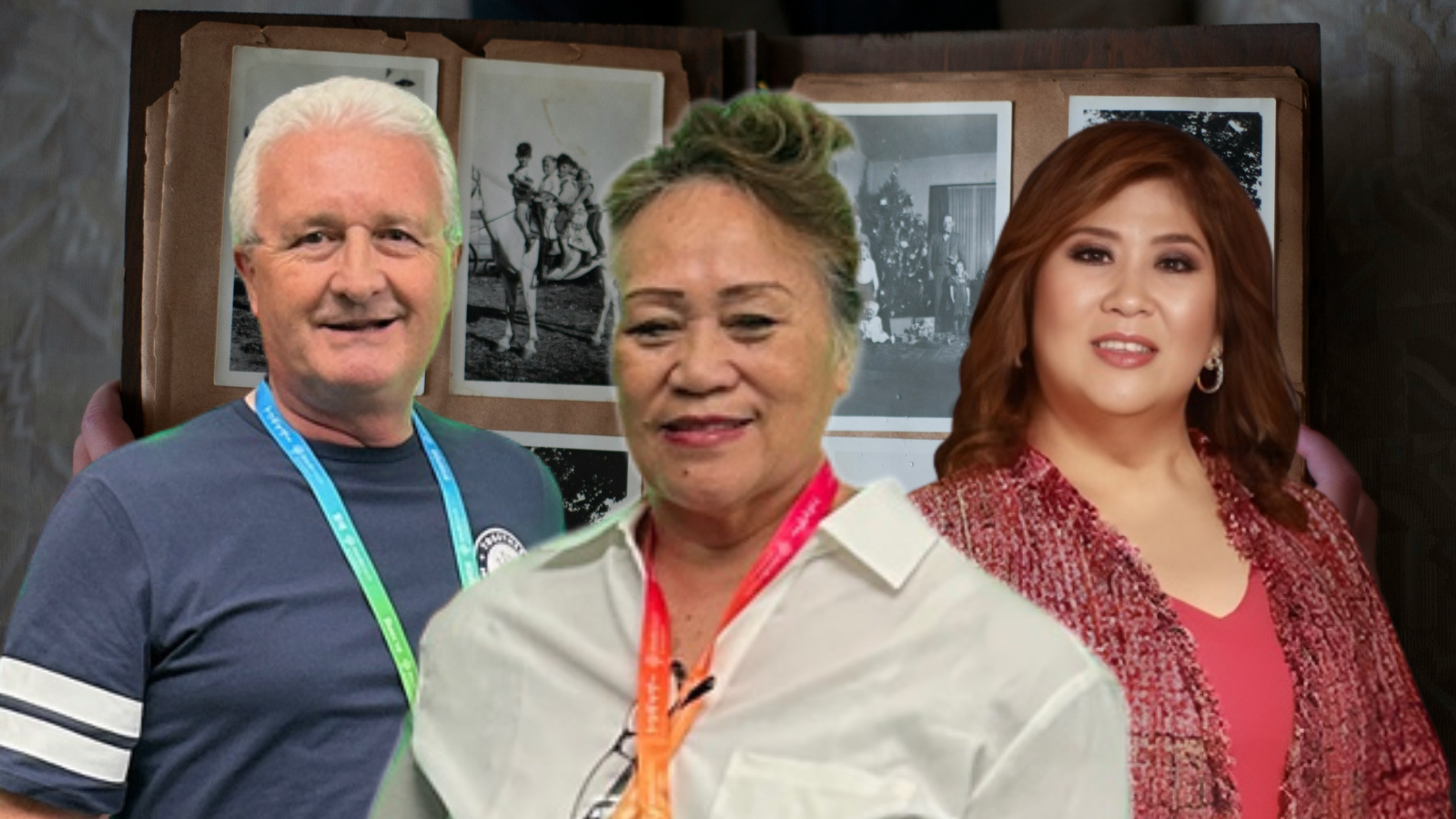
From left: Garrick Parr, Afiona Faumuina and Jessica Soho are at a family history conference in the USA.
Photo/Composite
Pacific Region
From oral legends to digital archives: How technology could help protect Pacific ancestry
At RootsTech 2026 in Salt Lake City, USA, Pacific attendees are learning how digital tools and artificial intelligence can safeguard genealogy and oral histories across the diaspora.

Khalia Strong
Published
06 March 2026, 1:57pm
Share
Copy Link
Pacific communities are being encouraged to preserve their genealogy and oral histories using new digital tools showcased at the world’s largest family history event.
Thousands of people from around the world have gathered in Salt Lake City for the three day event, which celebrates family history, genealogy and cultural preservation.
Roots Tech 2026 is attended both in person and online, featuring hundreds of classes and presentations on topics ranging from artificial intelligence tools and military records to Chinese tombstones and Japan’s family registry
Afiona Faumuina, a Sāmoan genealogist attending RootsTech for the first time, says the event is helping Pacific families reconnect across the diaspora.
“I’ve been doing this for over 25 years… all the islands of Samoa included. This is my passion, to find and connect our people from the islands.”
Faumuina tells PMN News she moved to Sāmoa in 2001, travelling from village to village to trace genealogies and document oral histories.
“We were able to verify them with our older people, matai, the high chiefs, and the government census. It was a lot of work, but it was worth it. We found out that my parents are connected to all the islands of the Pacific, including Hawai’i and New Zealand.”
Award-winning Filipino journalist Jessica Soho echoed the importance of preserving family history during her keynote speech.
“It’s important to have family history to appreciate all the sacrifices that your ancestors made for you,” she says.
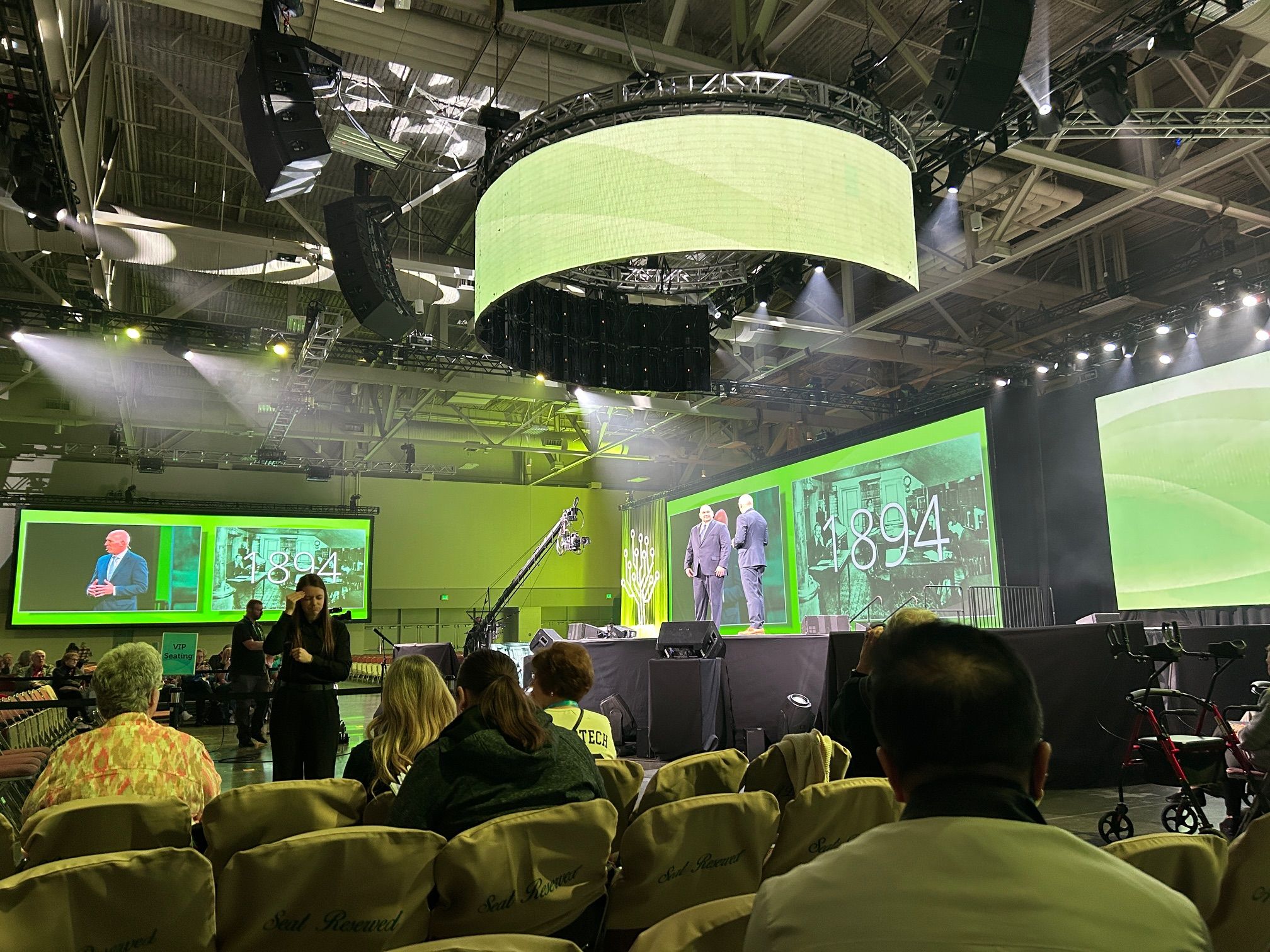
Attendees at RootsTech learn tools to record their genealogy online. Photo/Supplied
Soho reflected on tracing relatives in China and uncovering historical records dating back to the Spanish colonial period in the Philippines, highlighting how historical records help connect past and present.
“My dad doesn’t have his birth records, but we were able to find our parents’ marriage record, which was well preserved … including that they were 20 and 22 years old when they were married.”
Wider connections, with a higher purpose
The conference is hosted by FamilySearch, a nonprofit service owned by The Church of Jesus Christ of Latter-day Saints, which has been gathering and sharing genealogical records worldwide for more than 125 years. Its work reflects a belief that family ties continue after death.
The church has a long history with the Pacific region, where missionaries established churches as far back as 1899. Tonga now has the world's highest number of Latter-day Saints per capita, with large memberships in Sāmoa, Niue and the Cook Islands.
Garrick Parr, FamilySearch Pacific Area Manager, says the conference includes sessions focused on preserving oral history, which is common in Pacific and other Indigenous communities.
“There’s an African proverb that goes something like, ‘when an old man or an old woman dies, a library is burnt down,’” he says.
“It’s critical that we try and preserve as much as we can, not only oral stories and genealogies, but even old photos and handwritten records that are often kept under a bed or in a cupboard.”
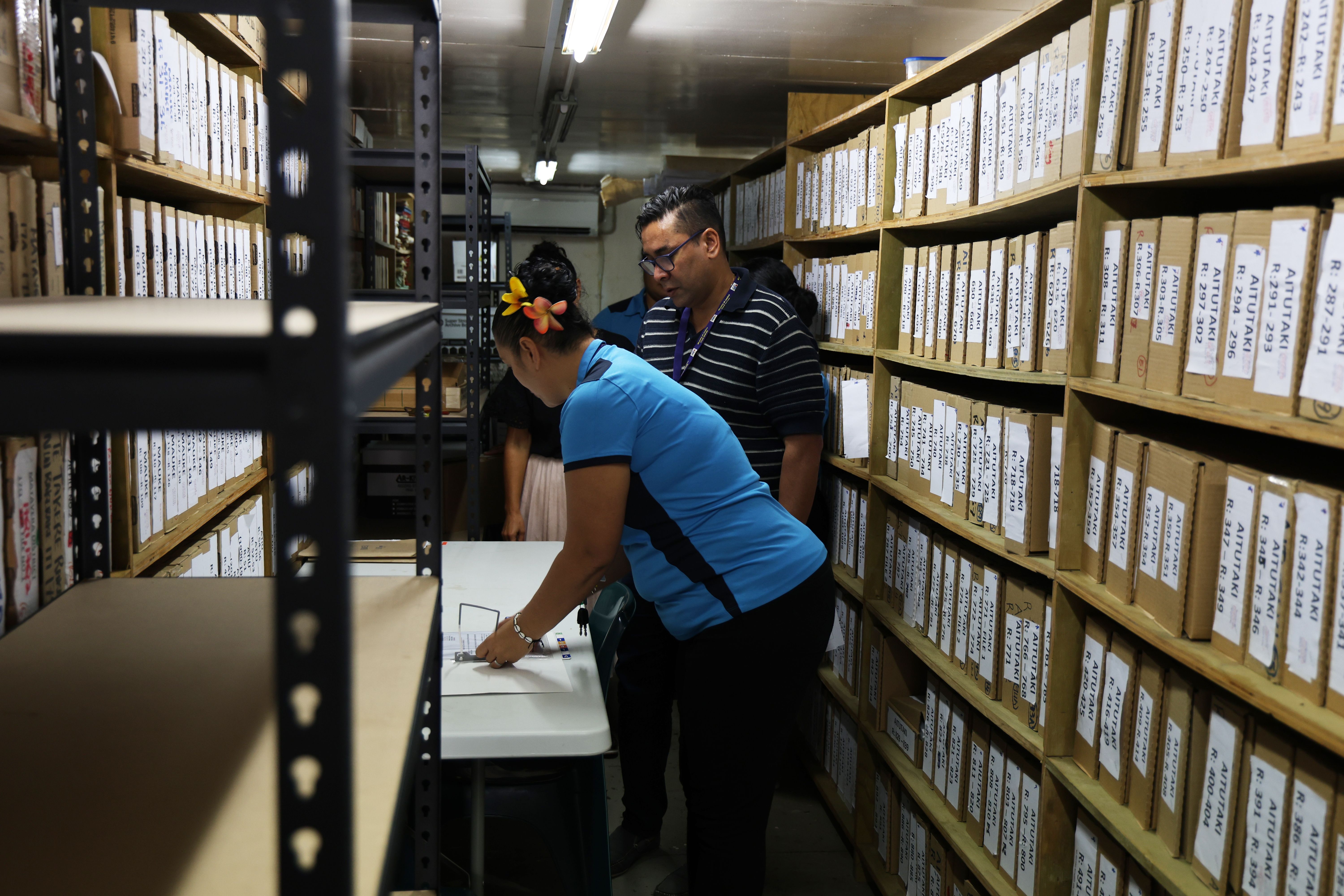
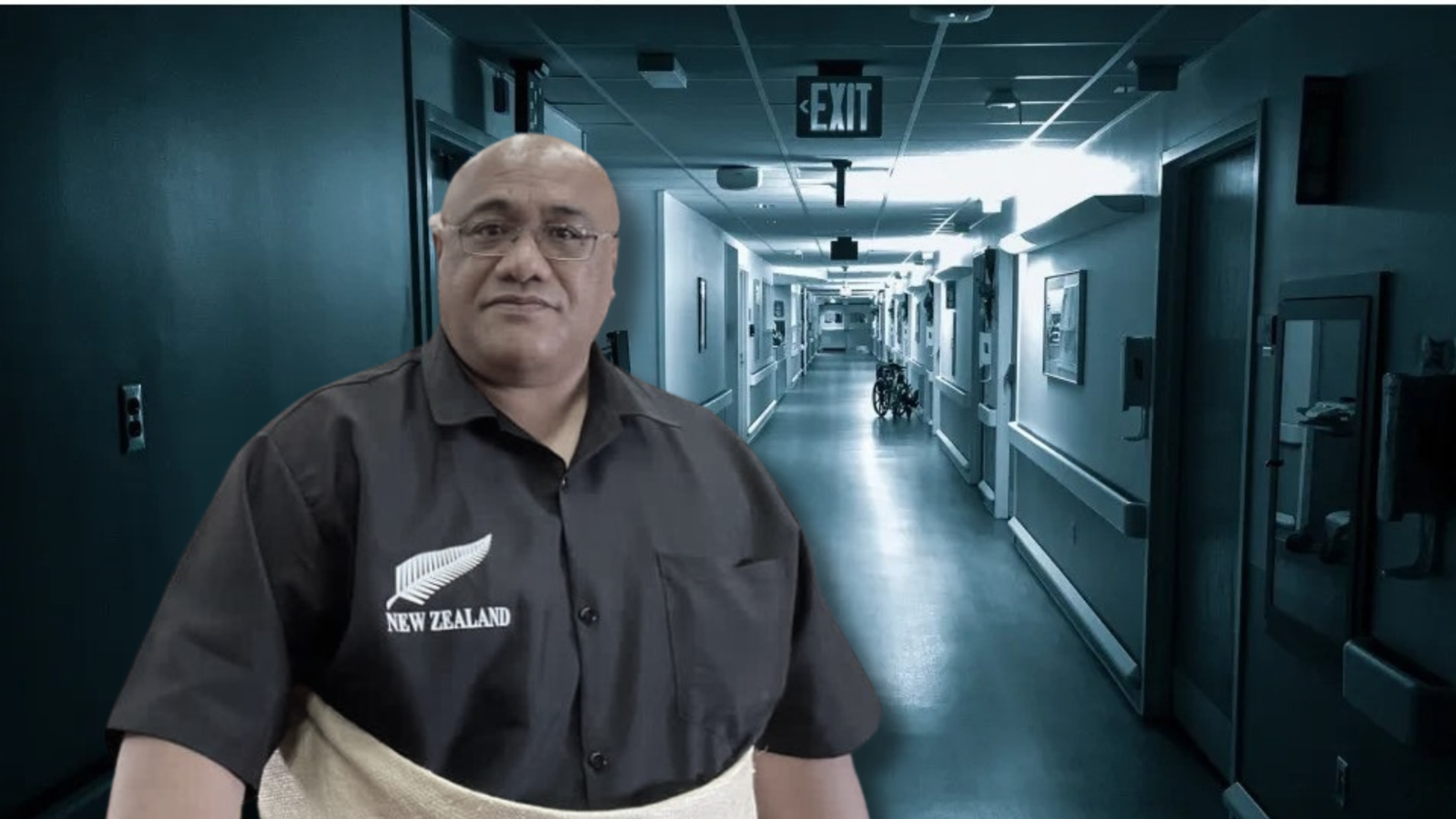
Paper records can be difficult to access online. Photo/SPC
Parr says technology is helping make family connections more accessible across the diaspora.
“Especially in enabling processing of digital images, indexing metadata and making them more accessible… whether it be probate records, handwritten journals, or births, deaths and marriages, you can search any name, date and place, and the technology will take you to the original documents.”
For those starting their genealogy journey, Faumuina says it begins at home.
“Just download the FamilySearch app, familysearch.org. It’s free and you can create your family tree. It’s simple.”
The conference highlights how Pacific families can combine technology and oral traditions to preserve culture and reconnect communities.