Online vault aims to return Pacific research to the community
Aui'a Vaimaila Leatinu'uWed, 21 Oct
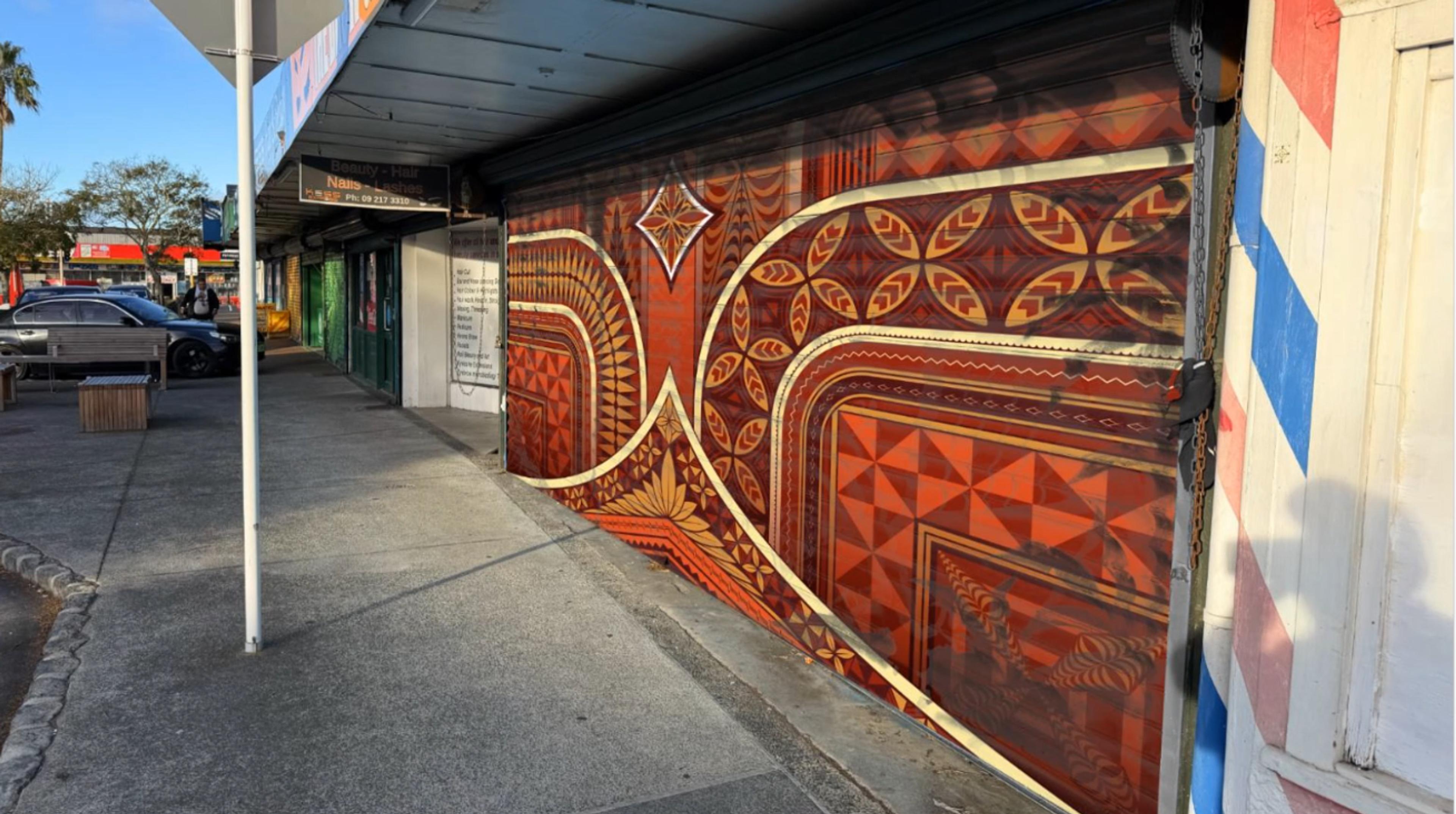
A concept image shows how an Ōtāhuhu roller door could be transformed under Te Manawa o Ōtāhuhu, which aims to reflect the stories and cultures of the community.
Photo/Te Manawa o Ōtāhuhu presentation
A community-led Ōtāhuhu arts project is seeking local board funding to bring local stories and creativity into the town centre.

Blank roller doors across Ōtāhuhu town centre could be transformed into artworks telling the stories of the area's Māori, Pacific and diverse communities under a new community-led proposal.
Te Manawa o Ōtāhuhu was presented to the Māngere-Ōtāhuhu Local Board at its meeting on Wednesday.
The project, which has applied to the local board for funding, would involve local schools, rangatahi, businesses and residents in developing stories and ideas that would then be turned into designs on roller doors.
Ōtāhuhu Town Manager Richette Rodger presented the idea to the board, alongside Marketing and Events Manager Caroline Tufuga-Paepae and Vasa Fia Collins, a director of newly established creative business VĀ Creative.
"This is more than just a project to decorate roller doors. It's about community pride, ownership, youth, safety, business, culture, creativity, and telling the stories of Ōtāhuhu," Rodger said.
She said large parts of the town centre became "blank, dark, and uninviting" when businesses closed and their roller doors came down.
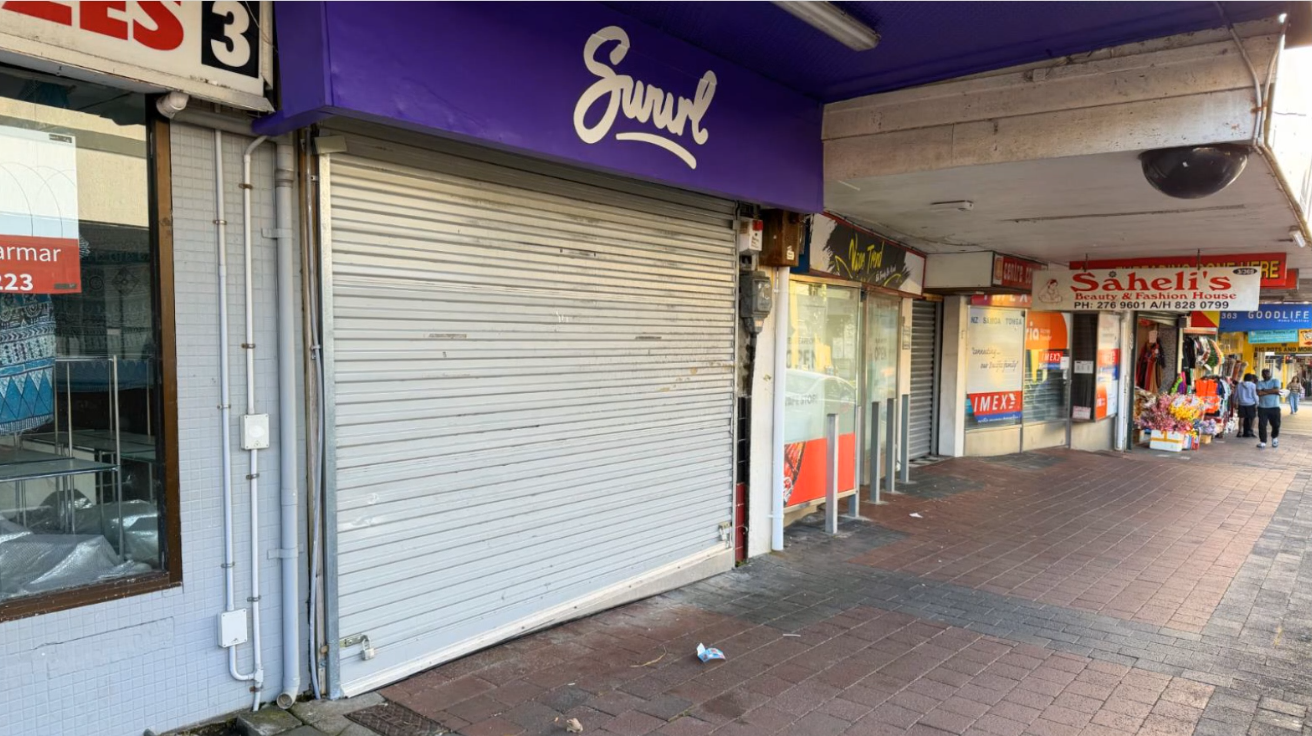
A blank roller door in Ōtāhuhu town centre is among those that could be transformed into community-inspired artwork under the Te Manawa o Ōtāhuhu proposal. Photo/Te Manawa o Ōtāhuhu presentation.
Te Manawa o Ōtāhuhu aimed to give those spaces a new purpose and create a more welcoming environment after dark.
Local schools and young people would be invited to contribute their ideas about what Ōtāhuhu meant to them.
"A young person walking through Ōtāhuhu should be able to point to one of our roller doors and say, I helped create that," Rodger said.
The group sees an economic opportunity, with the artwork intended to encourage people to explore the town centre and support businesses operating beyond normal retail hours.
QR codes would accompany the artwork, linking visitors to the stories and people behind each design.
For Vasa, who calls Ōtāhuhu home with her family, being involved also has a personal dimension.
"It's a special place for our family, for Efeso, obviously, but also for me and our family," she said.
Vasa, the widow of former Manukau Ward councillor Fa'anānā Efeso Collins, said VĀ Creative itself grew from an idea she had discussed years earlier with Efeso and her younger brother Beka Elika.
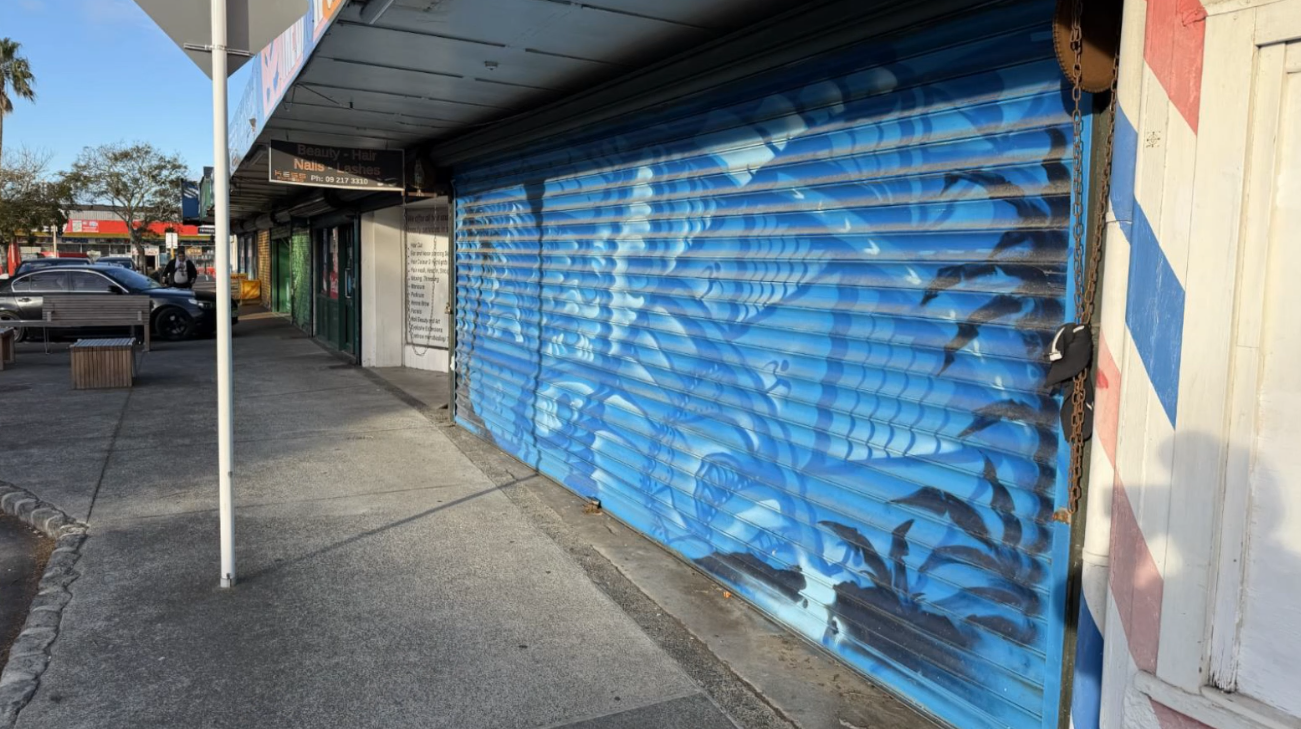
Another concept design for artwork proposed for roller doors in Ōtāhuhu town centre. Photo/Te Manawa o Ōtāhuhu presentation.
"Vā was something that we created with Efeso, but it's finally come into fruition in 2026."
VĀ Creative connected with the Ōtāhuhu Business Association as the association was developing Te Manawa o Ōtāhuhu and looking for creative expertise.
"It's something that can really serve the community and become a legacy piece for generations to come.
"It's not a one-off slap paint on the wall and walk away. This is something that we can grow and build over generations."
One early design concept draws on Māori patterns alongside influences from Samoa, Tonga, Fiji, India, Africa and Asian communities, reflecting the diversity of the area.
But Vasa said the finished designs would be shaped through engagement with the people who live, work and learn in Ōtāhuhu.
"Instead of us going away and designing it for our community, we would love to design it with our community."
Vasa said she wanted to talk with local schools, parents, whānau, rangatahi, churches and ethnic communities about why they called Ōtāhuhu home and what made the area special to them.
"This is more than paint. This is more than artwork. This is about how we can bring our communities together," Vasa said.
Acting chair Christine O'Brien suggested the group also connect with council's arts broker, who has access to a separate arts funding stream and a focus that includes Māori and Pacific projects.
Board members expressed support for the concept, particularly its focus on storytelling and rangatahi.
The board formally received and thanked the deputation, but did not make a funding decision.
LDR is local body journalism co-funded by RNZ and NZ On Air.