
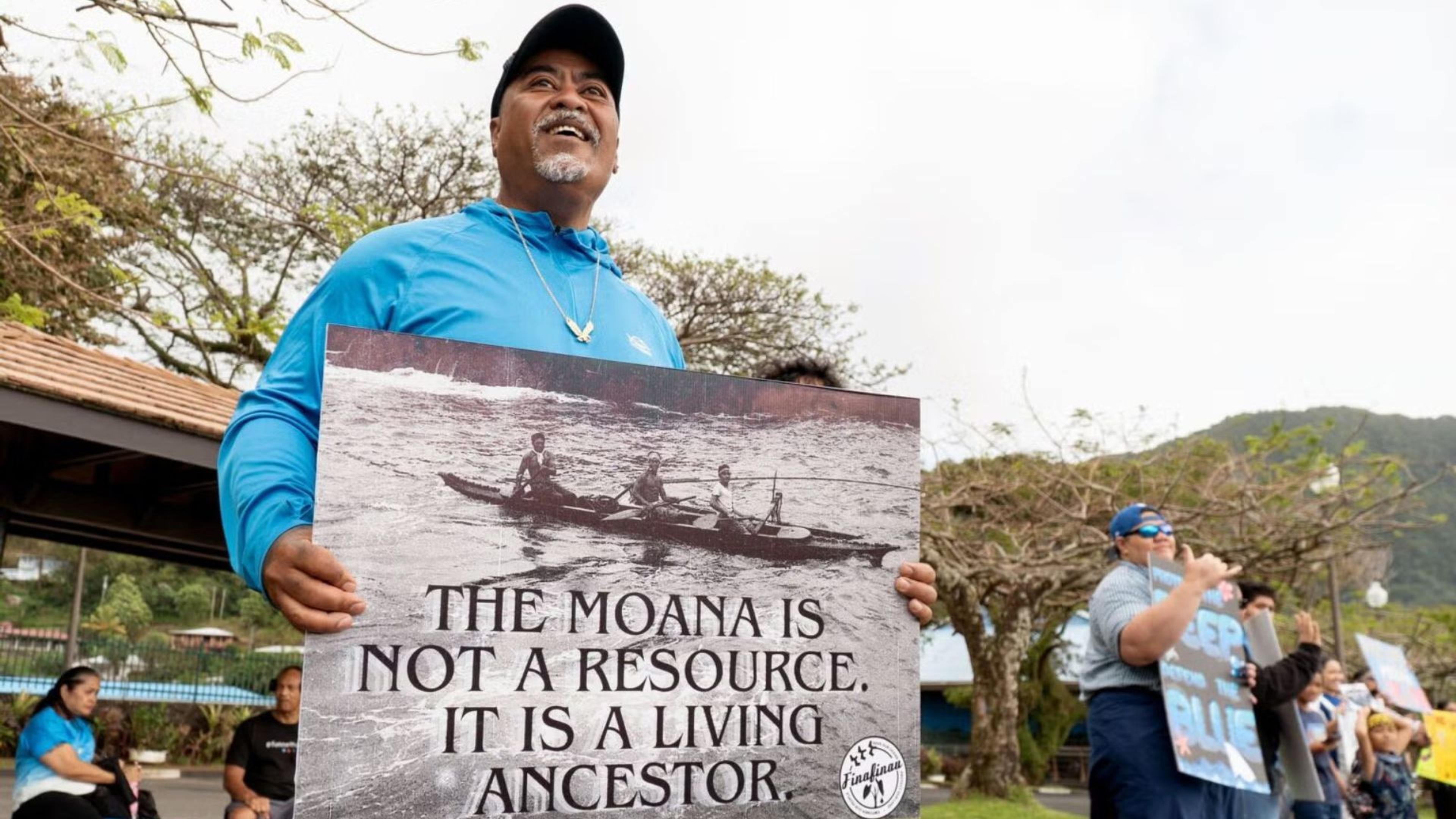
The United States has held its first deep sea mining lease sale in the Pacific with two areas of seabed near American Sāmoa sold for over NZ$5 million each amid protests.
Photo/Earthjustice/Gabby Faʻaiʻuaso
Environment
US pushes deep sea mining lease sale near American Sāmoa despite court ruling
Two seabed mining areas have been leased for over NZ$5 million each while a second sale near Guam and the Northern Mariana Islands is already being lined up for next month.

Christine Rovoi
Published
23 November 2026, 4:43pm
Share
Copy Link
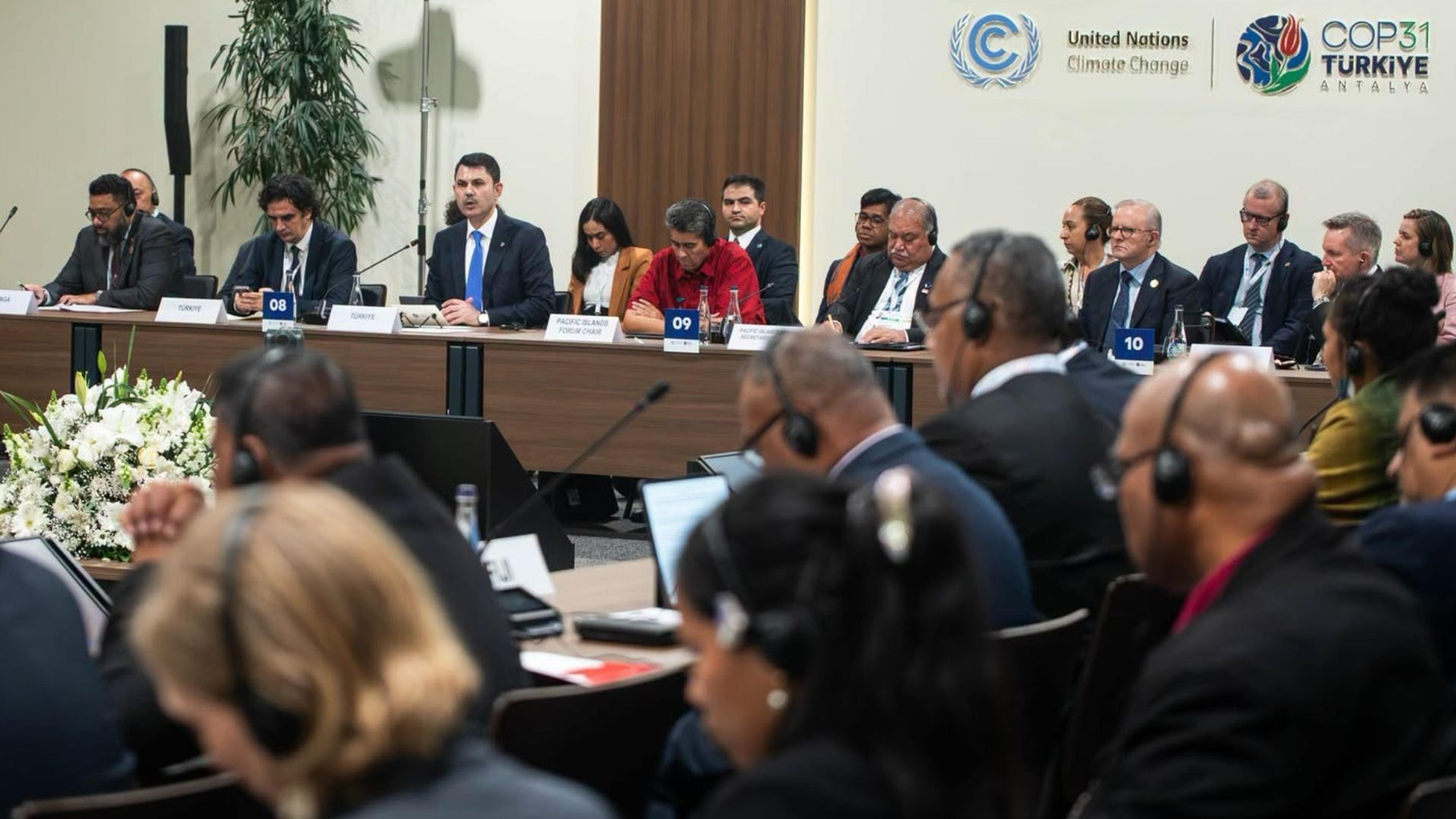
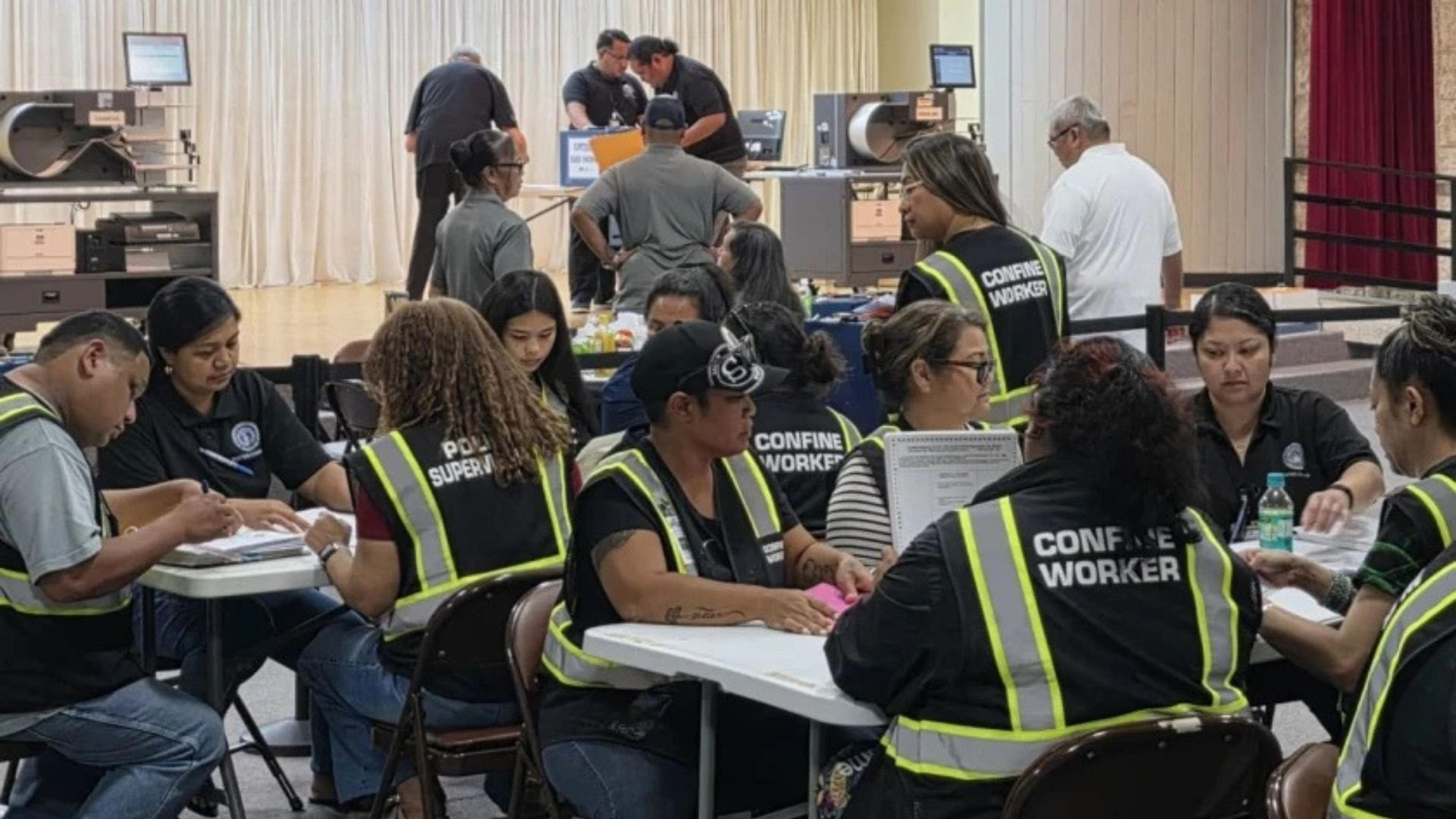
The United States has gone ahead with its first deep sea mining lease sale in the Pacific despite a federal judge ruling last week that the environmental approval for the area breached the Endangered Species Act.
Two areas covering part of 12.7 million hectares of seabed near American Sāmoa were sold for US$3 million (NZ$5.48 million) each to Wetstone US Ventures, the only bidder.
The leases allow the company to carry out preliminary work including seabed mapping and geophysical surveys. Commercial mining has not yet started.
The move has sparked strong opposition from American Sāmoa and Pacific advocates, who say the ocean should not be opened to an industry while major questions remain about its environmental impact.
“This is the first time the United States has held an offshore critical minerals lease sale in the Pacific and a historic step for America’s energy and mineral security,” US Interior Secretary Doug Burgum said.
The sale went ahead despite a ruling by a federal judge in Hawai'i that the environmental clearance was unlawful.
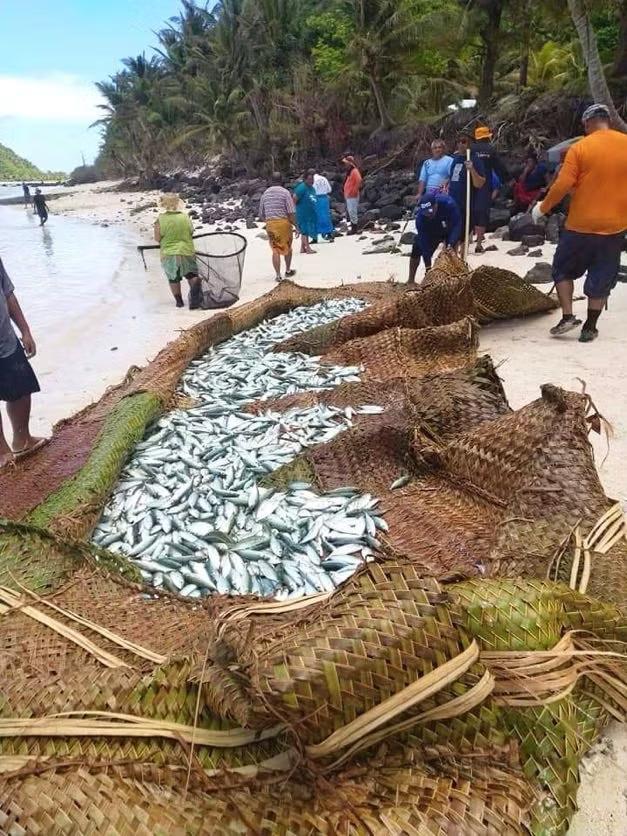
Seabed near American Sāmoa is being opened to preliminary exploration including mapping and geophysical surveys, under the new leases. Photo/Earthjustice/Manu’a tele Community Worldwide
Judge Jill Otake ruled on 16 November that the US National Marine Fisheries Service had failed to properly consider the effects on protected species.
“NMFS [National Marine Fisheries Service] failed to even attempt to consider the potential effects on ESA-listed species.”
Earthjustice, which brought the legal challenge, says the auction should not have gone ahead. “We will use the full extent of the law to vigorously push for the leases to be voided,” Earthjustice attorney Chris Eaton said.
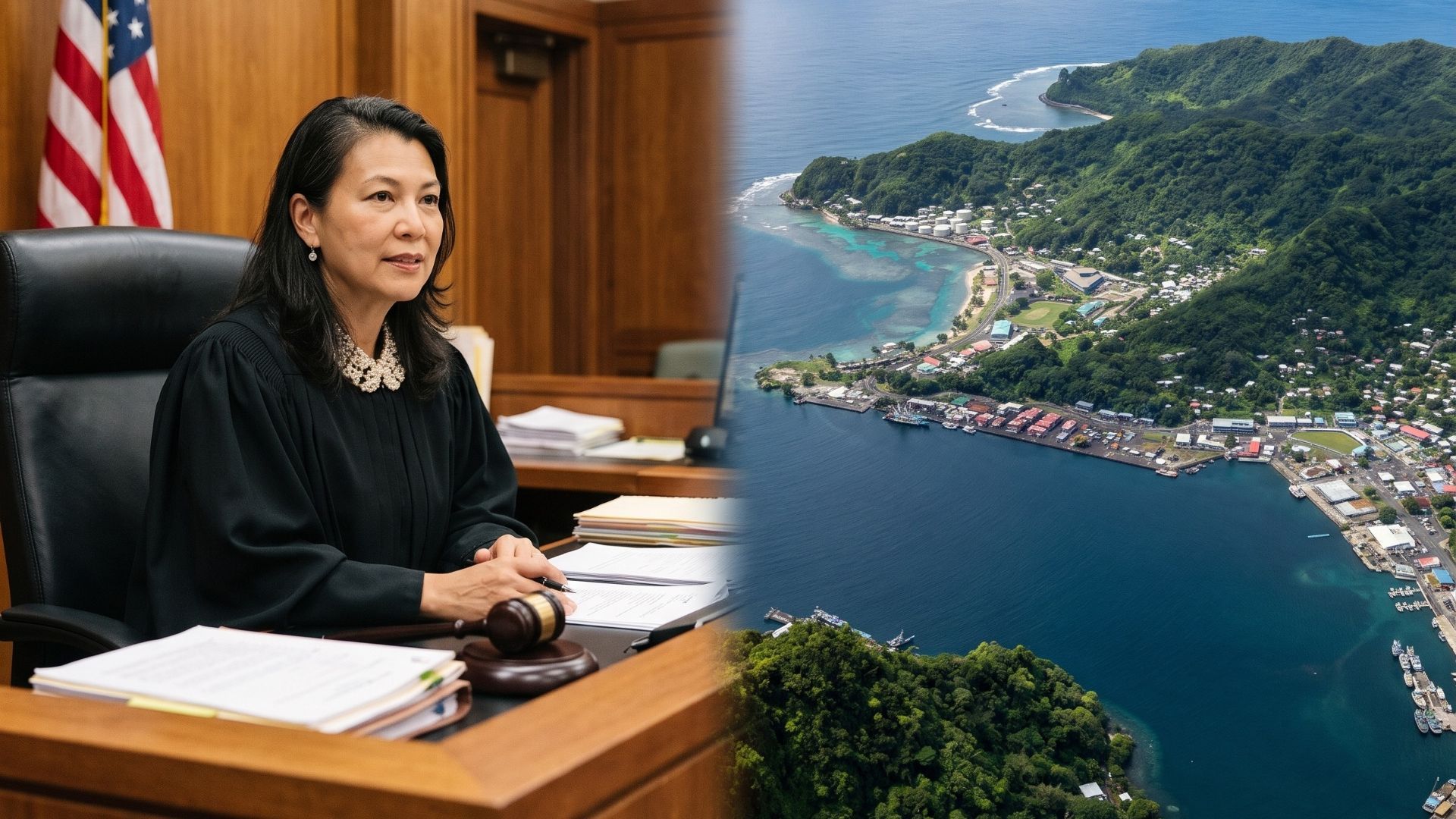
US District Judge Jill Otake ruled that federal environmental clearance for the deep sea mining leases near American Sāmoa violated the Endangered Species Act. Photo/PMN News composite
For American Sāmoan youth and environmental group Finafinau, the decision ignores years of public opposition and the court ruling.
“More than 76,000 public comments, repeated calls for meaningful consultation, and now a federal court ruling that the government violated the Endangered Species Act. Yet here we are, watching our ocean being auctioned to the highest bidder,” Finafinau founder Sabrina Suluai-Mahuka said.
The group made a last-minute attempt to stop the sale through the Hawai'i court but was unsuccessful.
The seabed areas contain metallic nodules that the industry says could provide minerals needed for electric vehicles, renewable energy and defence technology.
But environmental groups warn that deep sea mining could cause damage in ecosystems that are still poorly understood.
Taryn Kiekow Heimer, director of Ocean Energy at the Natural Resources Defence Council, says the American Sāmoa leases could set a wider precedent.
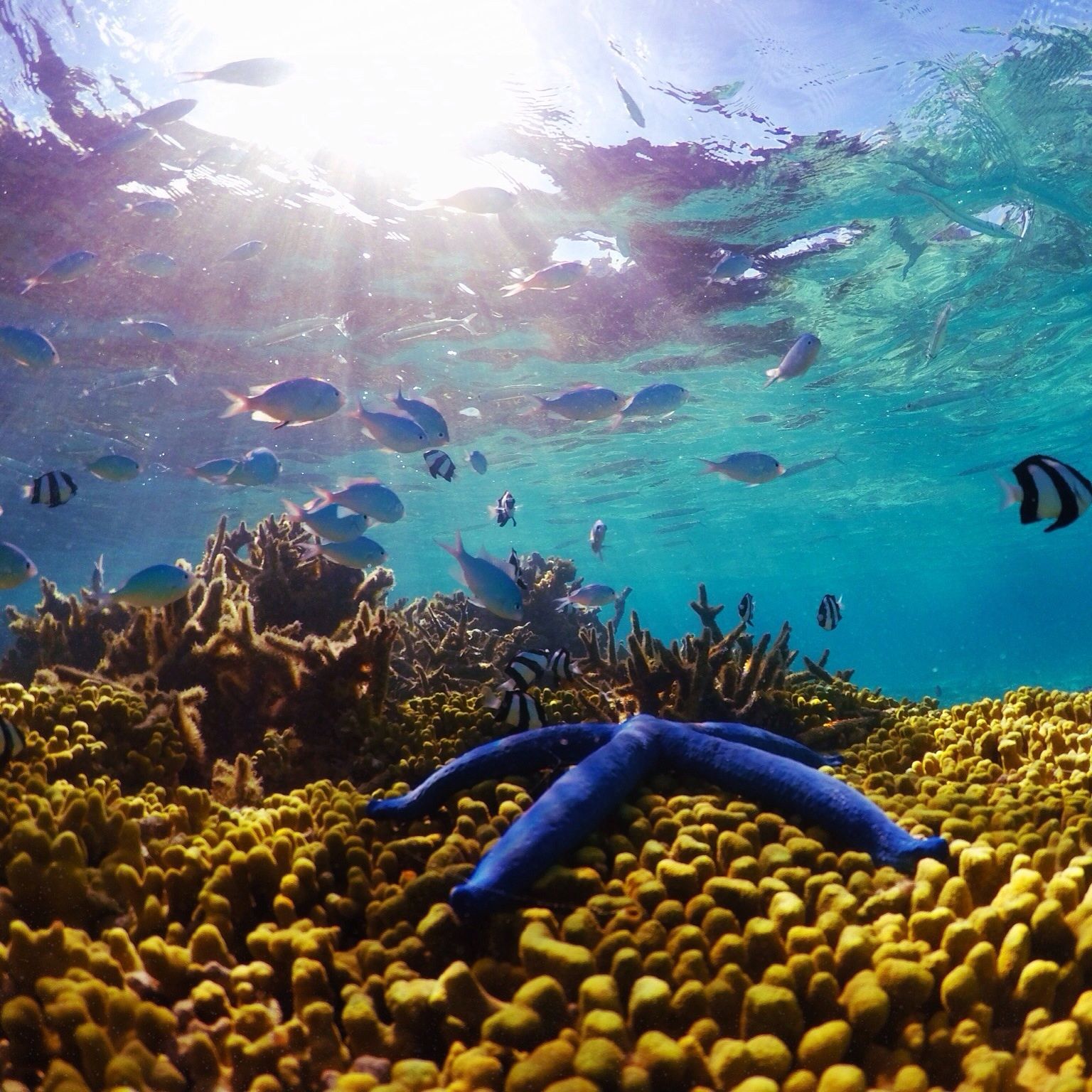
A second US deep-sea mining lease sale covering seabed between Guam and the Northern Mariana Islands is tentatively scheduled for 16 December. Photo/visitguam.com
“These leases last at least 20 years. The Commonwealth of the Northern Mariana Islands and Guam are next in line,” she said.
“If this goes through, the administration will have shown it can open the deep sea over the objections of the people who live closest to it.”
The next test could come quickly. A second US lease sale covering 27.9 million hectares of seabed between Guam and the Northern Mariana Islands is scheduled for 16 December. That proposal is also facing a legal challenge in the Hawaii federal court.
Guam Senator William Parkinson has called for the sale to be cancelled. “You don’t get to sell off our ocean first and ask whether it’s legal later. Washington needs to understand that the Pacific is not for sale.”
American Sāmoa Governor Pulaali’i Nikolao Pula has previously taken a different view, saying deep-sea mining could “unlock scientific knowledge” and “create economic opportunities” for the territory.
The US says the leases are part of efforts to develop offshore critical mineral resources while supporters argue the industry could help supply materials needed for the energy transition.
Listen to Sabrina Suluai-Mahuka's full interview below.
The dispute is also about who gets to decide what happens to the ocean and how much environmental risk island communities should accept.
The legal fight over the American Sāmoa leases is continuing with Finafinau asking the court to overturn the sale.
“With this lease sale, the federal government has rushed to open the ocean floor to commercial mining for the first time, despite its limited understanding of the significant environmental consequences,” the group's court filing states.
The legal challenge remains ongoing with Finafinau seeking to have the American Sāmoa lease sale overturned.