‘Sāmoan Scientist’ launches podcast to bring diabetes research into Pacific homes
Aui'a Vaimaila Leatinu'uFri, 05 Jun
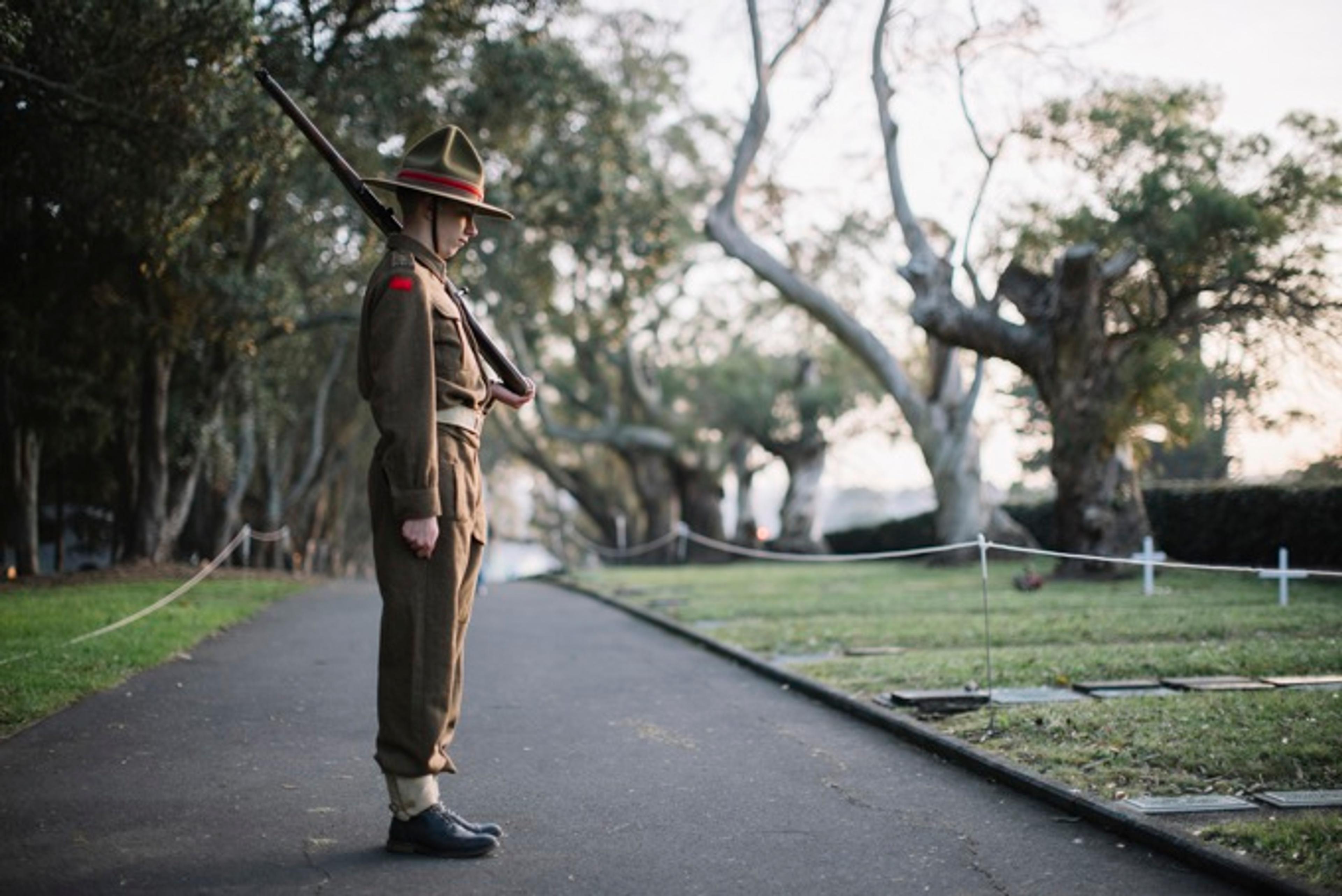
An Anzac Day commemoration service in Auckland. Debate is growing over how former service personnel are supported in communities beyond annual remembrance events.
Photo/Auckland Council
As South Auckland RSA move away from traditional club models, questions are growing over who supports veterans beyond Anzac Day.


As South Auckland Returned and Services’ Associations (RSA) shift away from traditional club models, debate is growing over who is responsible for supporting former service personnel in their communities.
The discussion follows a Local Democracy Reporting story examining how some RSA are moving toward service-focused models, while concerns remained over veteran support outside of Anzac Day commemorations.
A Vietnam veteran, who came forward after reading the story, said responsibility for supporting veterans should not fall solely on communities.
The veteran declined a further interview, saying it had taken many years to put those experiences behind him.
Clifford James McMahon, president of the Manurewa RSA and a veteran, said many traditional RSA were having to rethink their future as veteran membership declined and community expectations changed.
McMahon said the Manurewa organisation had shifted away from a traditional club structure toward a support-focused model without alcohol or gambling.
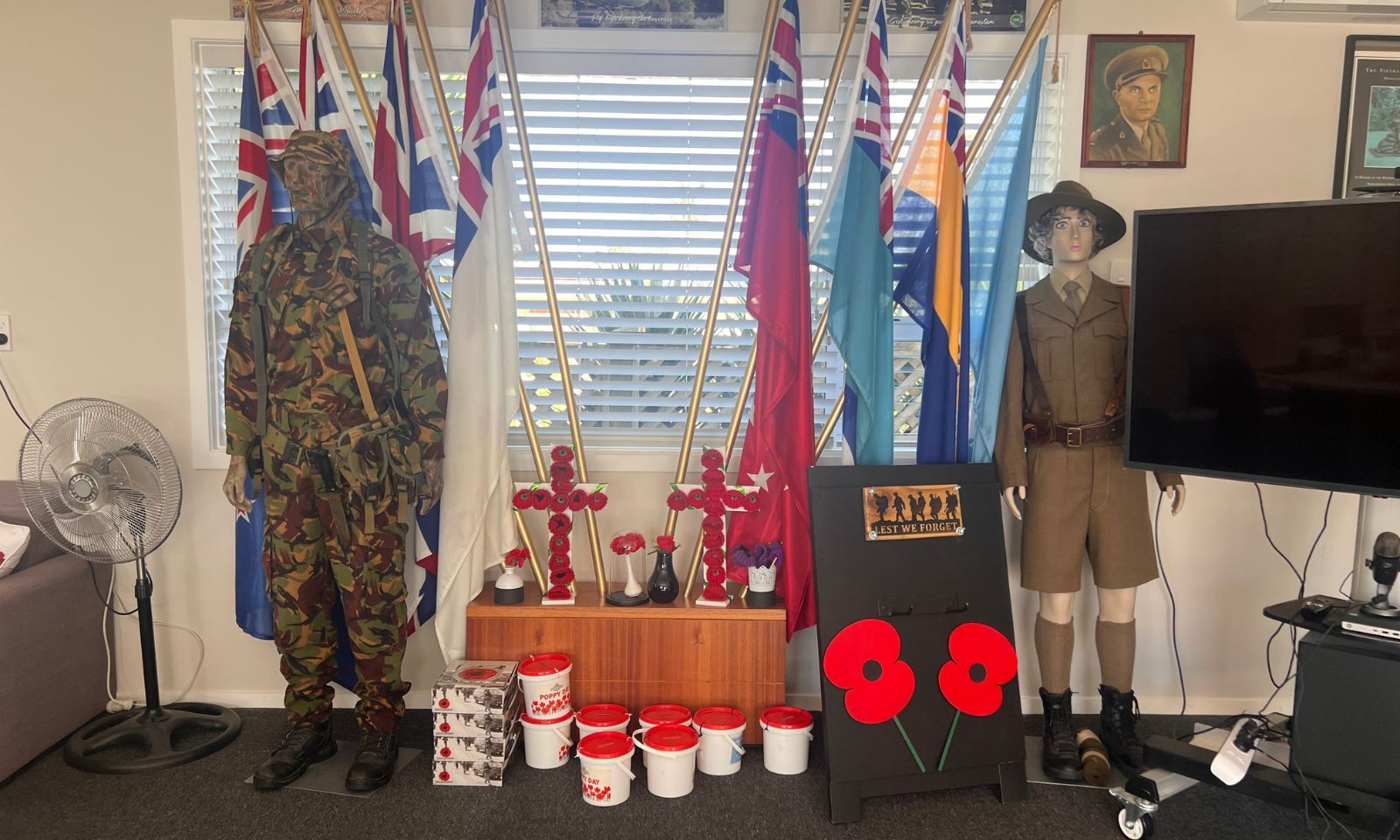
Inside the Manurewa Veterans Support Centre, a service-based hub for veterans. Photo/PMN News/Taelegalolo'u Mary Afemata.
“We are now a Veterans Support Centre,” he said.
He said more RSAs around the country were beginning to explore similar models focused on connection and support for veterans.
McMahon said traditional RSA models were changing as veteran populations aged, and organisations needed to adapt to attract younger veterans.
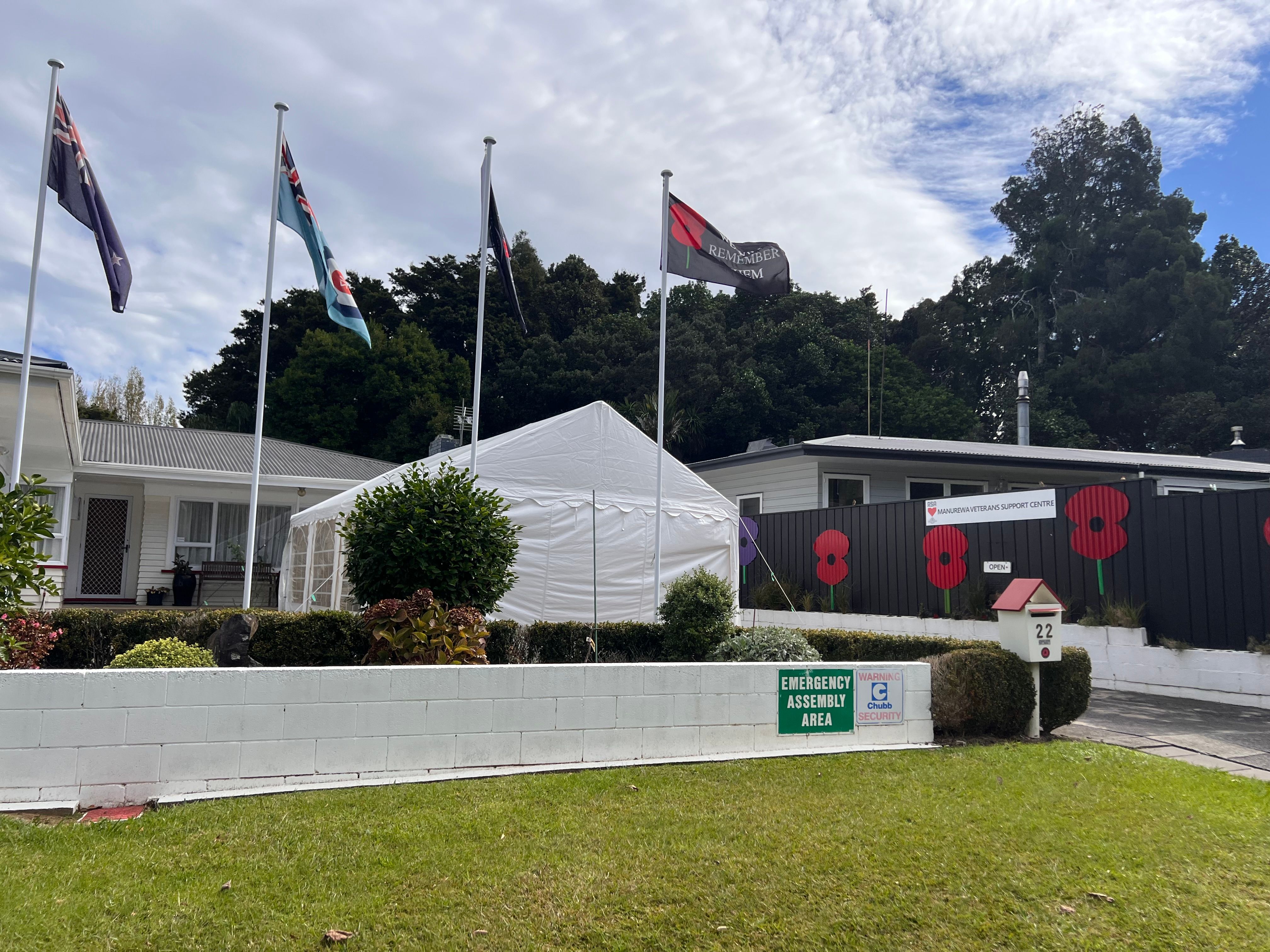
The Manurewa Veterans Support Centre has shifted away from the traditional RSA club model, focusing instead on welfare and support services for veterans and their families in South Auckland. Photo/PMN News/Taelegalolo'u Mary Afemata.
Alf Filipaina, Manukau ward councillor, said councils could play a role in helping veterans connect with local support.
Filipaina said he recently met a Veterans’ Affairs representative during Anzac Day commemorations, who outlined practical support available for veterans in the community, including for older veterans struggling with everyday tasks.
“That’s where we can work with Veterans’ Affairs,” Filipaina said.
He said local boards and councils could help ensure information about available services reached local communities.
“I think the local board can help with those that are ex-veterans or veterans by getting the information out to the community in the local board area,” he said.
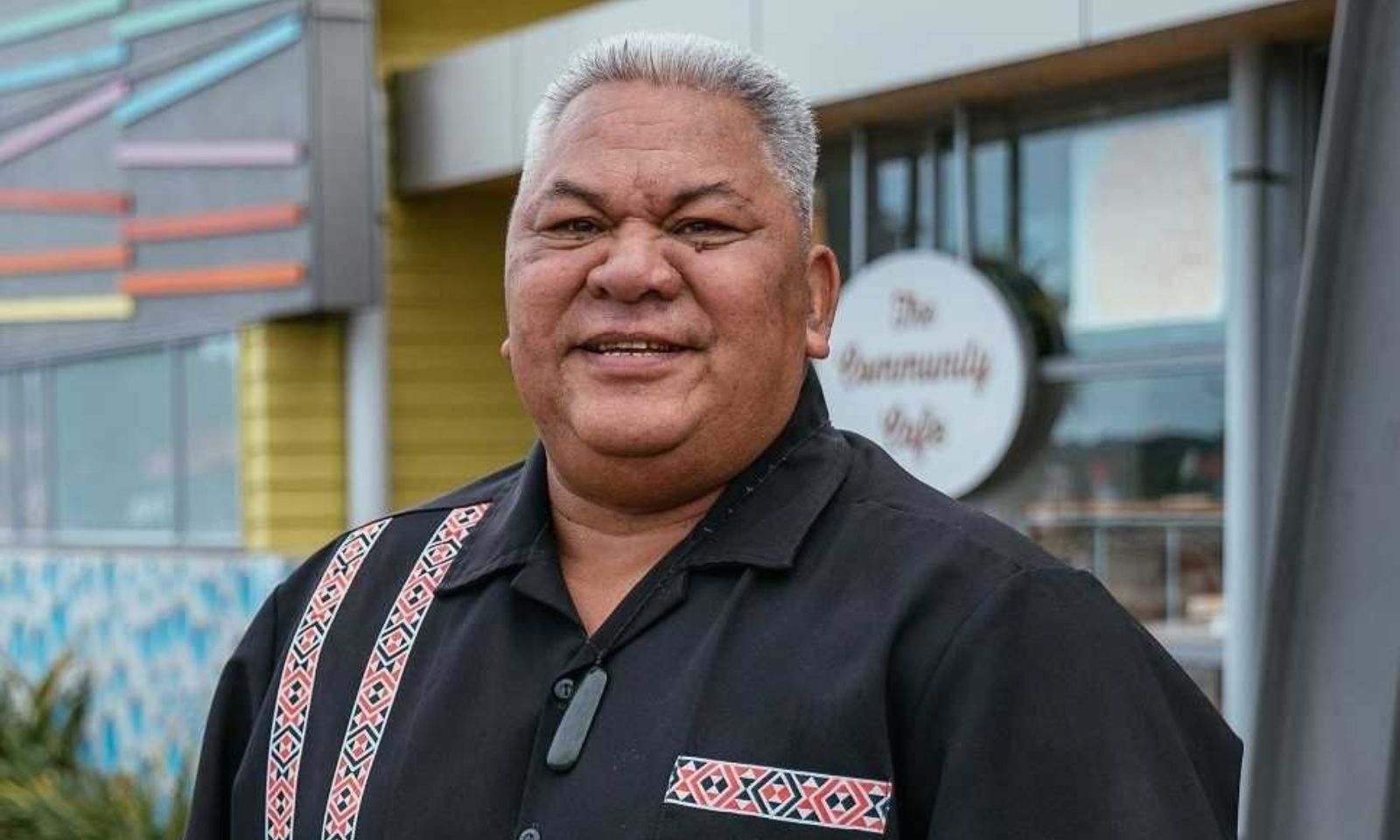
Manukau ward councillor Alf Filipaina says councils and local boards can help connect veterans with information about available support services in the community. Photo/Auckland Council
Filipaina said Auckland Council already had broader work focused on seniors through its Age Friendly Auckland strategy and seniors advisory panel, but veterans could require additional community connection and visibility.
He also acknowledged the limits of local government responsibility.
“Local government is about stormwater, parking and everything like that,” he said. “But I think council can work with Veterans’ Affairs.”
Veterans’ Affairs New Zealand said veterans continued to have access to support regardless of whether a local RSA remained open.
“It’s important to reassure veterans that their support from Veterans’ Affairs does not depend on the presence of an RSA,” a spokesperson said.
Veterans’ Affairs said it provides support through case management, rehabilitation services, financial entitlements, and health and wellbeing support.
The agency said it also works with community organisations, iwi, Pacific providers, veteran groups and the Royal New Zealand RSA to help veterans access support closer to home.
The agency acknowledged changes to RSA could be “unsettling” for veterans and their families, particularly where clubs closed or merged.
“If an RSA closes, merges, or changes how it operates, veterans still have full access to Veterans’ Affairs support, and we will help them connect with alternative local services or community organisations where needed,” it said.
The agency also highlighted the importance of Pacific engagement in South Auckland.
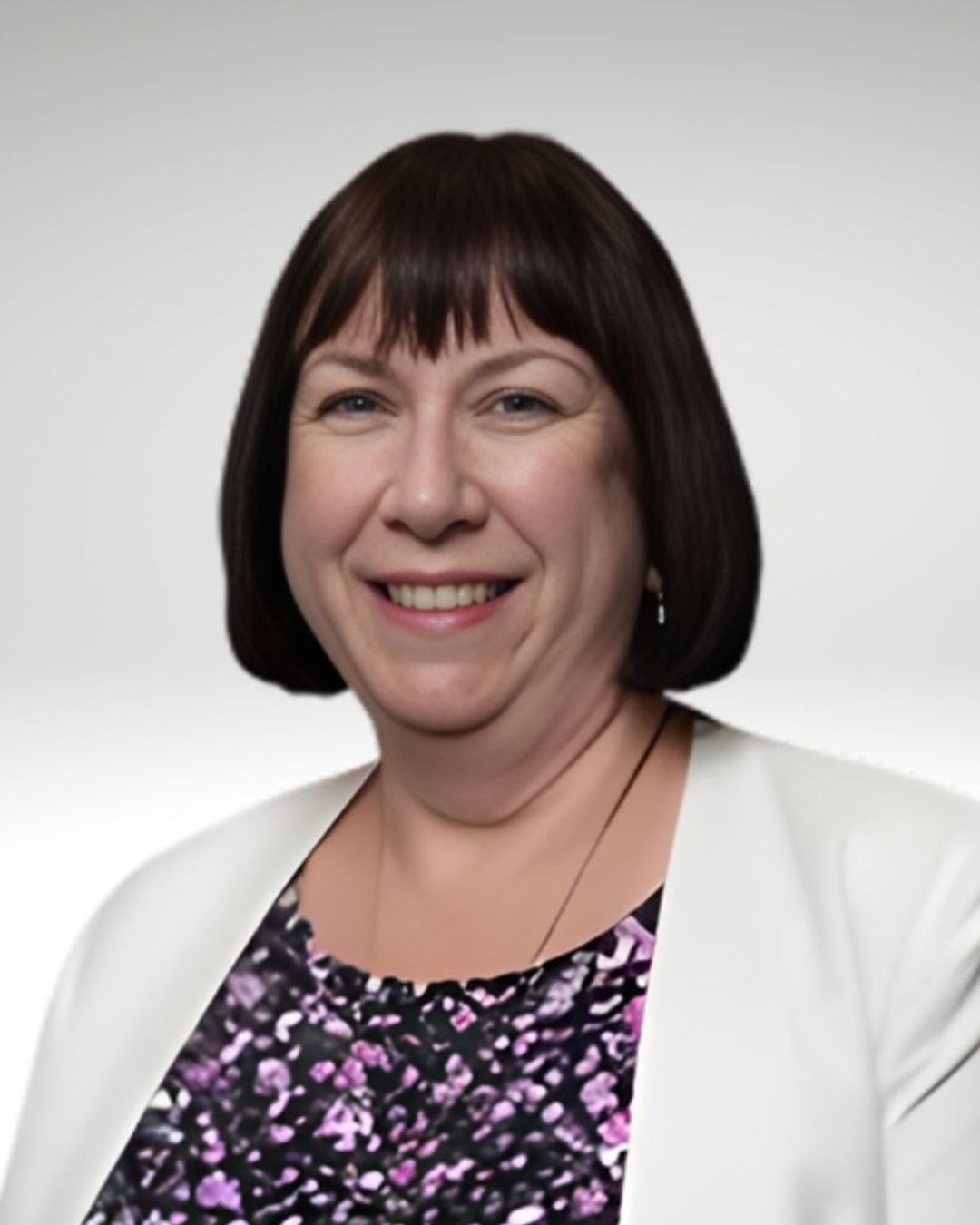
Manurewa Local Board chair Heather Andrew says the local board will continue supporting RSA-led Anzac services and commemorations in Manurewa. Photo/Auckland Council
“South Auckland is an important area for engagement given its strong Pacific communities, and we continue to focus on building trusted relationships, improving awareness of available support, and reducing barriers to access,” they said.
Heather Andrew, chair of the Manurewa Local Board, said local boards would continue supporting RSA-led remembrance services and Anzac commemorations.
“Manurewa Local Board has funded, supported and attended local Returned Services Association year after year to enable the delivery of Anzac services and parades,” Andrew said.
She said more than $30,000 was allocated to Manurewa’s Anzac programme this year.
“We will continue to prioritise supporting the delivery of these services in partnership with our local RSA, as they play a key role in leading commemorations and services to honour the commitment of those who have served and sacrificed for our country.”
LDR is local body journalism co-funded by RNZ and NZ On Air.