Online vault aims to return Pacific research to the community
Aui'a Vaimaila Leatinu'uWed, 21 Oct
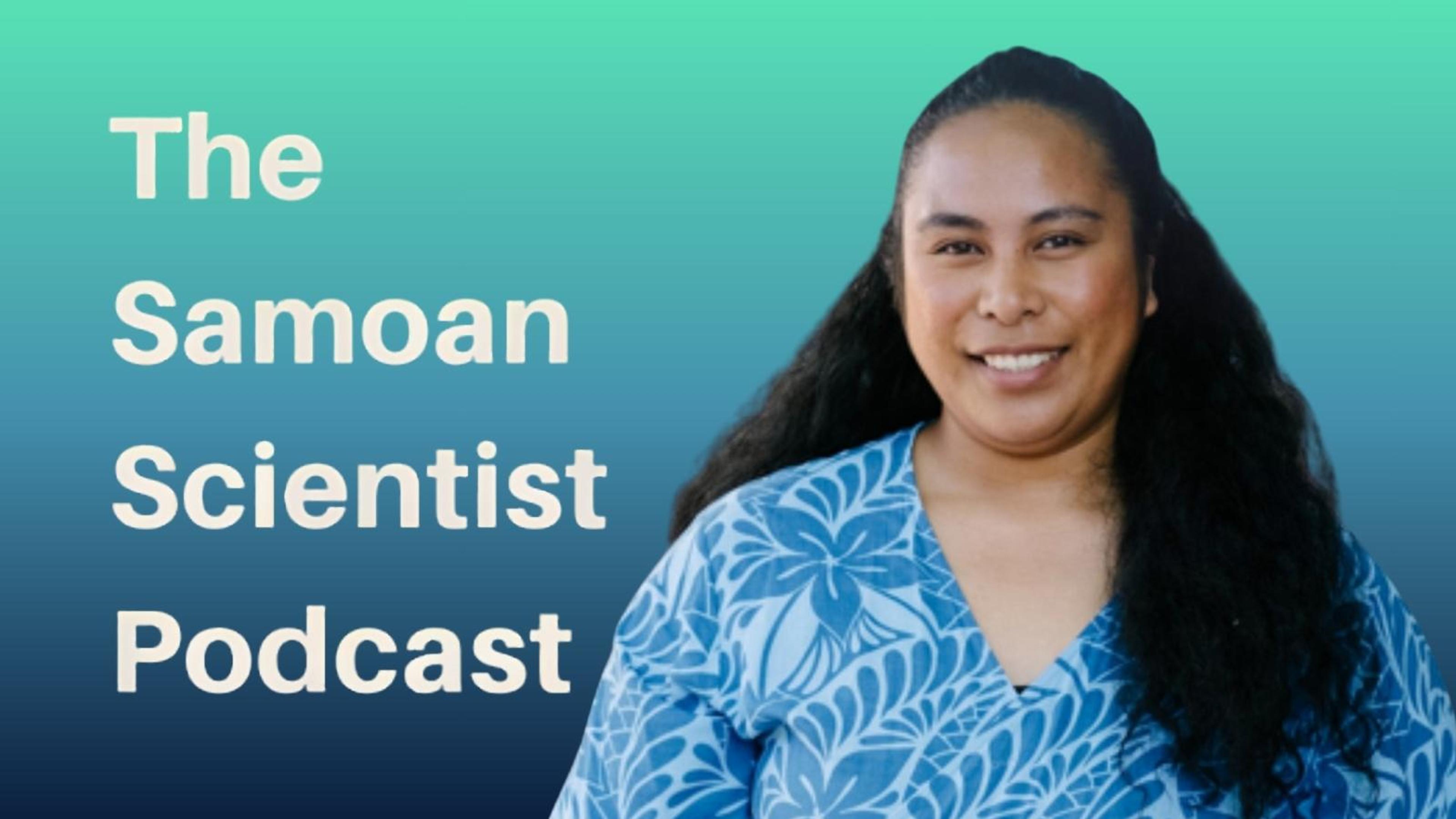
Amy Maslen-Miller, also known as the Sāmoan Scientist, plans to launch a new podcast to help break down complex health topics.
Photo/Facebook/Samoan Scientist
As Sāmoan Language Week draws to a close, Amy Maslen-Miller is taking her health research beyond the lab with a new podcast designed to help Pacific families better understand diabetes and nutrition.

A Sāmoan scientist whose work explores the links between traditional food, culture and health is launching a new podcast to help Pacific families better understand diabetes and make informed choices about their wellbeing.
Amy Maslen-Miller, known as the Sāmoan Scientist, says the podcast will break down complex research into practical conversations that communities can use in everyday life.
The University of Auckland PhD candidate has built a following by sharing science through Pacific lens, combining research, culture and identity to make health information more accessible.
The podcast announcement comes as Gagana Sāmoa/Sāmoan Language Week concludes this weekend with celebrations across Aotearoa New Zealand highlighting the importance of language, culture and identity.
Speaking with Tofiga Fepulea’i on Island Time, Maslen-Miller says her journey into science has always been closely connected to her Sāmoan roots.
“As I've gone along my identity journey as a Sāmoan, born and raised within a pālagi [non-Sāmoan] family, I'm always trying to understand what it mean to be Sāmoan,” she says.
“I was able to research taro for my master's work. That was the first time I knew what taro was. I hadn't eaten it before but I thought, ‘oh my gosh, I can learn about Sāmoan culture, Sāmoan food through science’.”
Today, Maslen-Miller’s Sāmoan Scientist research focuses on how genetics, food traditions and modern diets influence metabolic health and type 2 diabetes among Sāmoan women.
A key part of her work involved talanoa with over 90 Sāmoan women from different generations, placing community voices at the centre of the research process.
She says cultural understanding is important when studying Pacific health.
“So for instance, the pig is a ceremonial food. Traditionally, we only ate it at important times where the pig was divided into certain sections and given to certain matai [chiefs], depending on their hierarchy.
“So having that cultural knowledge within our research is important. It's doable as researchers because we are putting our knowledge out there for our people by our people.”
Maslen-Miller’s work comes against a concerning health backdrop. In 2024, Pacific people recorded the highest estimated rate of diabetes in New Zealand at 12.6 per cent.
She also tracks how Sāmoan diets have changed over time, from traditional foods such as taro, breadfruit, yam, banana, coconut, and fish to introduced dishes like sapa sui (chop suey), that became common during the colonial era.
Watch Amy Maslen-Miller’s full interview below.
Alongside her research, she has spent the past decade building an online platform to encourage more Pacific young people into science.
“I was actually looking for Polynesian creators in science or indigenous creators in science. I didn't see anyone on Instagram or social media. So I thought, ‘I need to create a platform so that I could be that person for the next generation’.”
“So they could say, ‘I can work in the lab’, or ‘I can work on taro’, or ‘I can do some genetics work’ and see that it is possible for those students coming through the school system to be a scientist as well.”
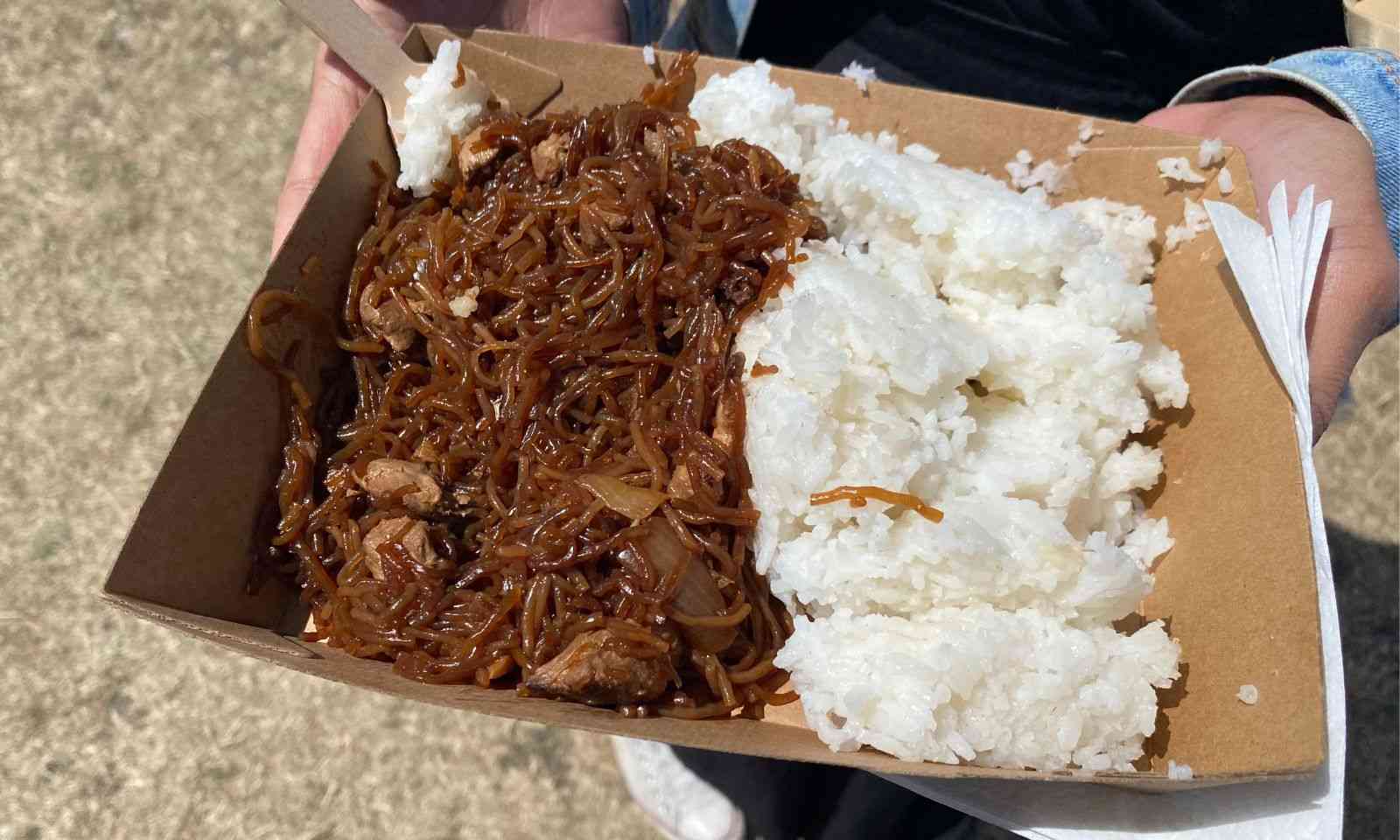
Sapa sui, or chop suey. Photo/PMN News/Aui’a Vaimaila Leatinu’u
Her message to young Pacific people is that science has always been part of their heritage.
“They really paved the way for us in terms of their knowledge around medicinal plants, navigation, planting, harvesting, and that you too have that ability to be a scientist.
“You too can incorporate Sāmoan languages, Sāmoan ideologies within the science, within the research.”
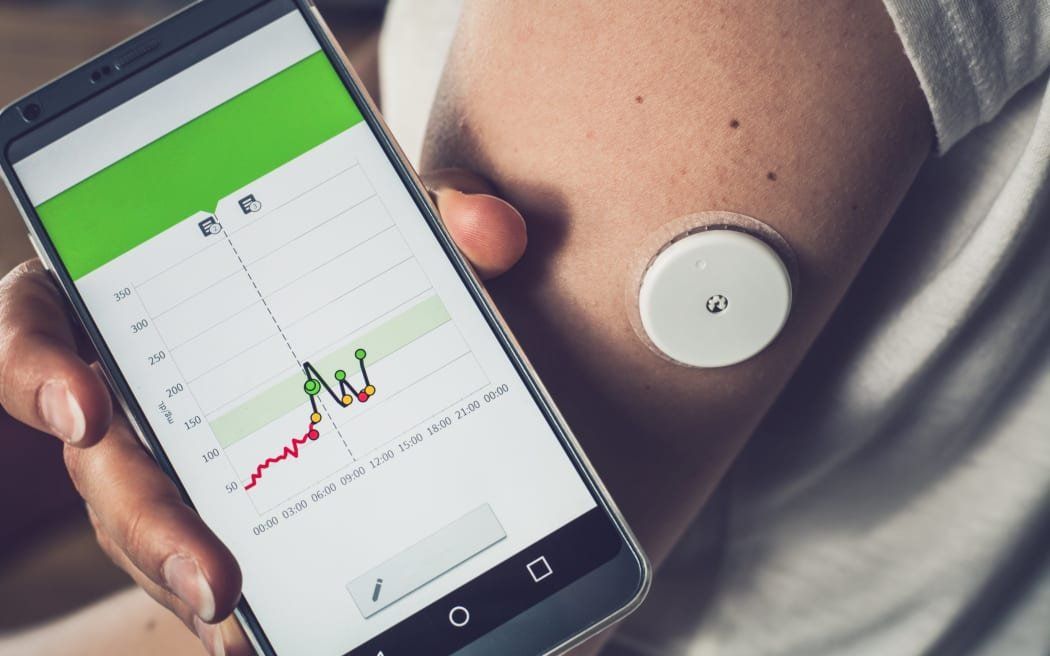
In 2024 Pacific people experienced the highest estimated regional rate of diabetes at 12.6 per cent. Photo/Diabetes NZ
With her new podcast preparing to launch, Maslen-Miller hopes more Pacific families will be able to access research in a way that feels familiar, relevant and useful - turning scientific knowledge into conversations that can help improve community health.
Sāmoan Language Week coincides with celebrations surrounding Independence Day, which was observed on 1 June.
For more on Amy Maslen-Miller's work, visit her social media pages on Facebook, Instagram and TikTok.