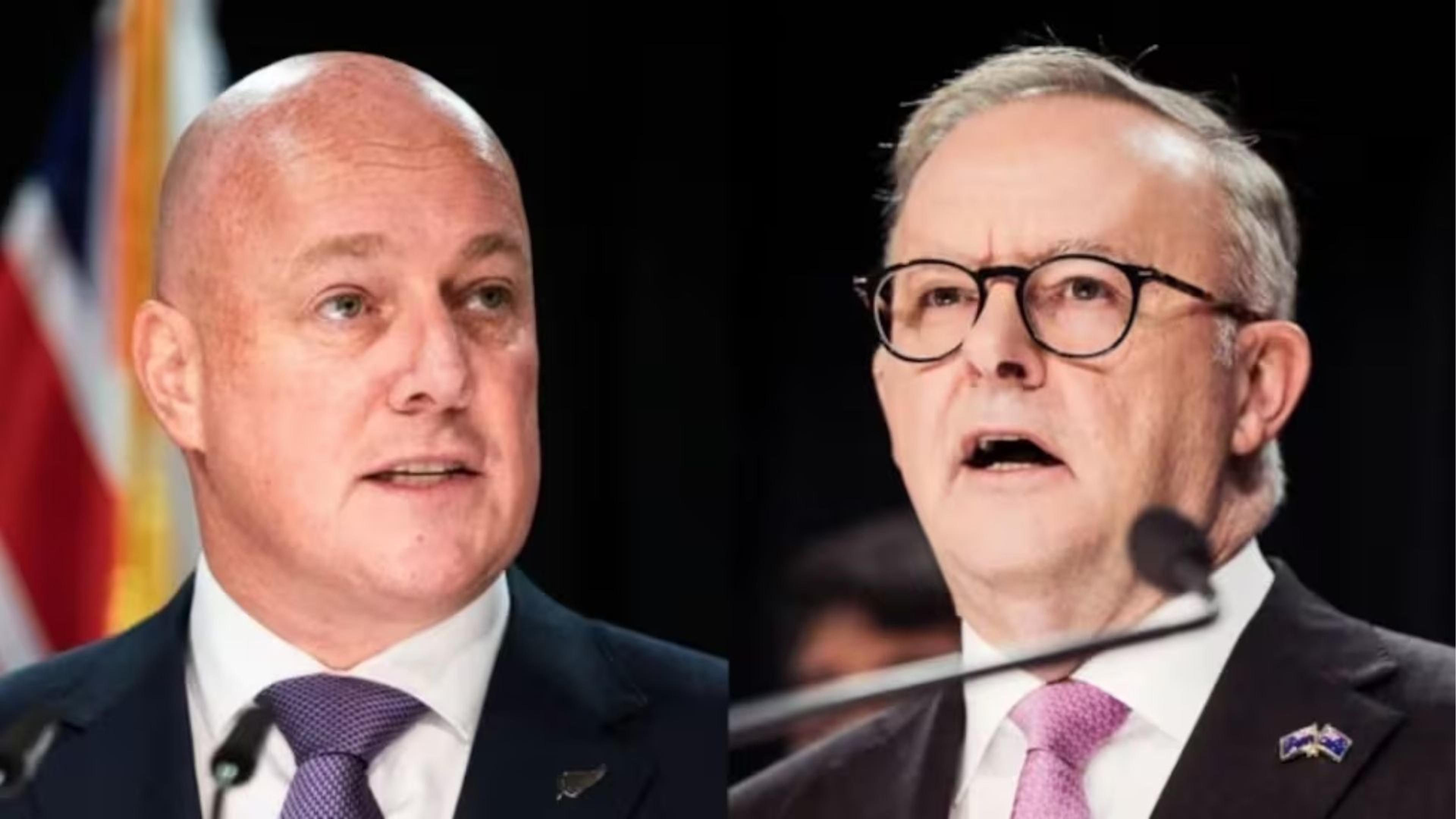
Prime Minister Christopher Luxon met Australian Prime Minister Anthony Albanese in Queensland, with defence, regional security and Pacific partnerships high on the agenda.
Photo/RNZ
Politics
Pacific Islands caught in growing security focus as Christopher Luxon meets Australia's PM
Defence, China and Solomon Islands relations are expected to feature prominently as New Zealand and Australia deepen cooperation in an increasingly contested Indo-Pacific region.

Christine Rovoi
Published
05 June 2026, 4:09pm
Share
Copy Link
New Zealand’s growing defence ties with Australia, rising tensions with China and a quiet reset in Solomon Islands relations are all converging as Prime Minister Christopher Luxon arrived in Queensland on Friday for his annual leaders’ meeting.
Defence, economic security and Indo-Pacific stability are expected to dominate talks with Australian Prime Minister Anthony Albanese at a time of heightened global pressure and renewed scrutiny over how much both countries are spending on defence.
Luxon has described Australia as Aotearoa’s “only formal ally” and “most important economic partner”, saying closer cooperation is needed in what he called a “more volatile and uncertain world”.
“It’s critical we continue working closely with Australia in a more volatile and uncertain world, including as we navigate the current fuel and supply chain challenges,” he said ahead of the visit.
“I’m looking forward to meeting Prime Minister Anthony Albanese… to discuss how we can drive economic growth in both our economies and align our efforts in support of a free and open Indo-Pacific region.”
Speaking in Brisbane, Luxon also described China's decision to ban four New Zealand MPs from entering the country as "entirely inappropriate" and said Wellington would raise its concerns directly with Beijing.
Watch Christopher Luxon speak on his visit to Brisbane below.
He also welcomed Australia's support over the issue, although he stressed it remained "a nation-to-nation issue between New Zealand and China".
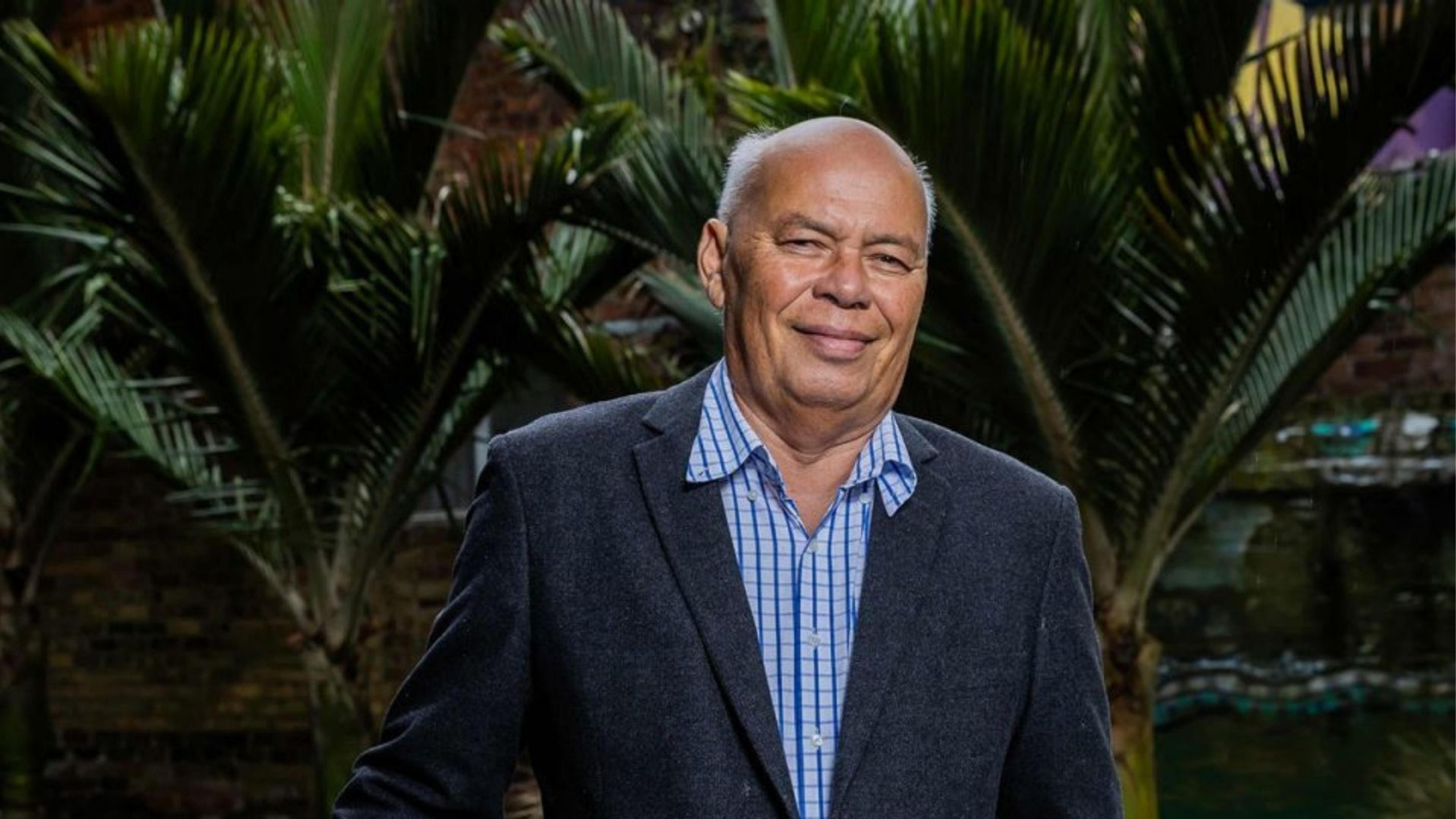
Speaking with William Terite on Pacific Mornings, international law expert Professor Alexander Gillespie said the meeting comes at a moment where defence and geopolitics are increasingly intertwined.
“I think it will be a meeting with extra coffee, because there’s lots to talk about,” he said. “In particular… what’s happened with Taiwan and the New Zealand MPs. This is groundbreaking.”
Listen to Alexander Gillespie's full interview below.
Gillespie said pressure from the United States for higher defence spending, alongside regional tensions, is reshaping expectations for New Zealand.
“The issue about defence and how we invest more and how we do it with Australia,” he said. “And also dealing with our relationship with America, because we’ve all now just got an extra layer of tariffs put upon us.”
He pointed to growing debate over defence budgets and capability, saying New Zealand is being pulled into a wider global shift in military spending.
“There is a revolution in the technology of warfare going on, and it’s very expensive,” Gillespie said. “The risks are rising out there… in Europe with Ukraine, in the Middle East with Iran… and in the Indo-Pacific.”
On AUKUS (the Australia, United Kingdom and United States security alliance) and nuclear policy, Gillespie pushed back firmly against any change to New Zealand’s long-standing nuclear-free stance.
“No, not at all. I don’t think we need to do it or the Pacific,” he said. “Our nuclear-free policy is a core part of that and it should not be undermined.”
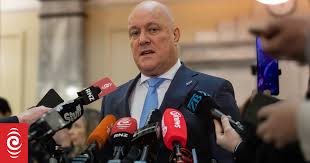
Prime Minister Christopher Luxon says closer cooperation with Australia is essential in an increasingly uncertain world, with defence, trade and Indo-Pacific stability expected to dominate talks. Photo/RNZ
He also said China’s decision to sanction four New Zealand MPs over Taiwan-related activity signals a shift in diplomatic pressure tactics.
“This is novel… normally this kind of reaction is what you’d get for a very high-level American visit,” he said. “The challenge… is what it will do for our other relations with Taiwan.”
While New Zealand and Australia move to deepen defence and economic alignment, attention is also turning to the Pacific Islands particularly the Solomon Islands.
Prime Minister Matthew Wale recently completed a visit to Canberra, where Australia announced new funding support, before travelling to New Zealand for bilateral talks with Luxon.
Wale's trip comes as Australia, New Zealand and Pacific leaders work to strengthen regional partnerships amid growing strategic competition in the Pacific.
Gillespie said the Pacific is increasingly being pulled into strategic competition.
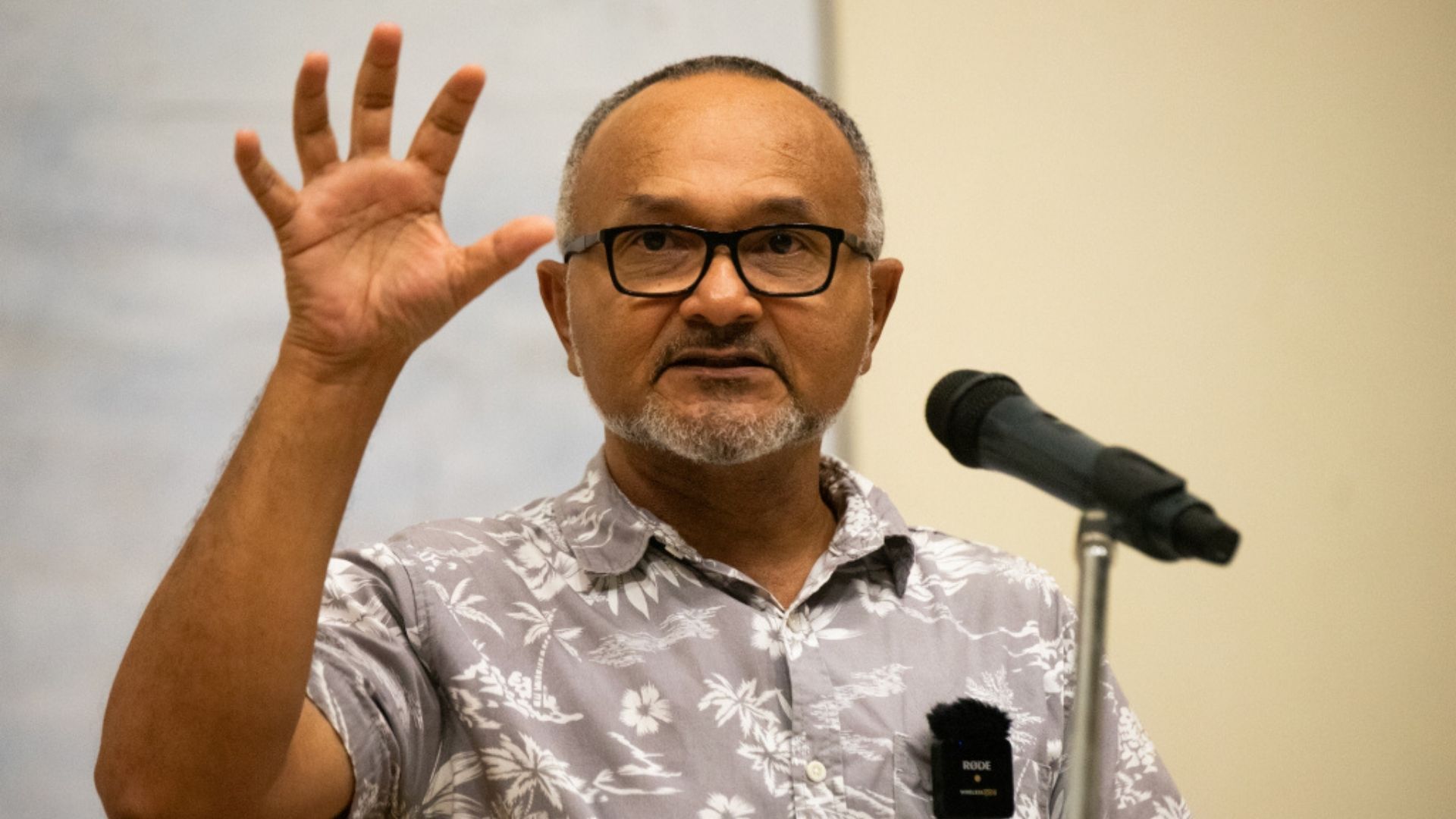
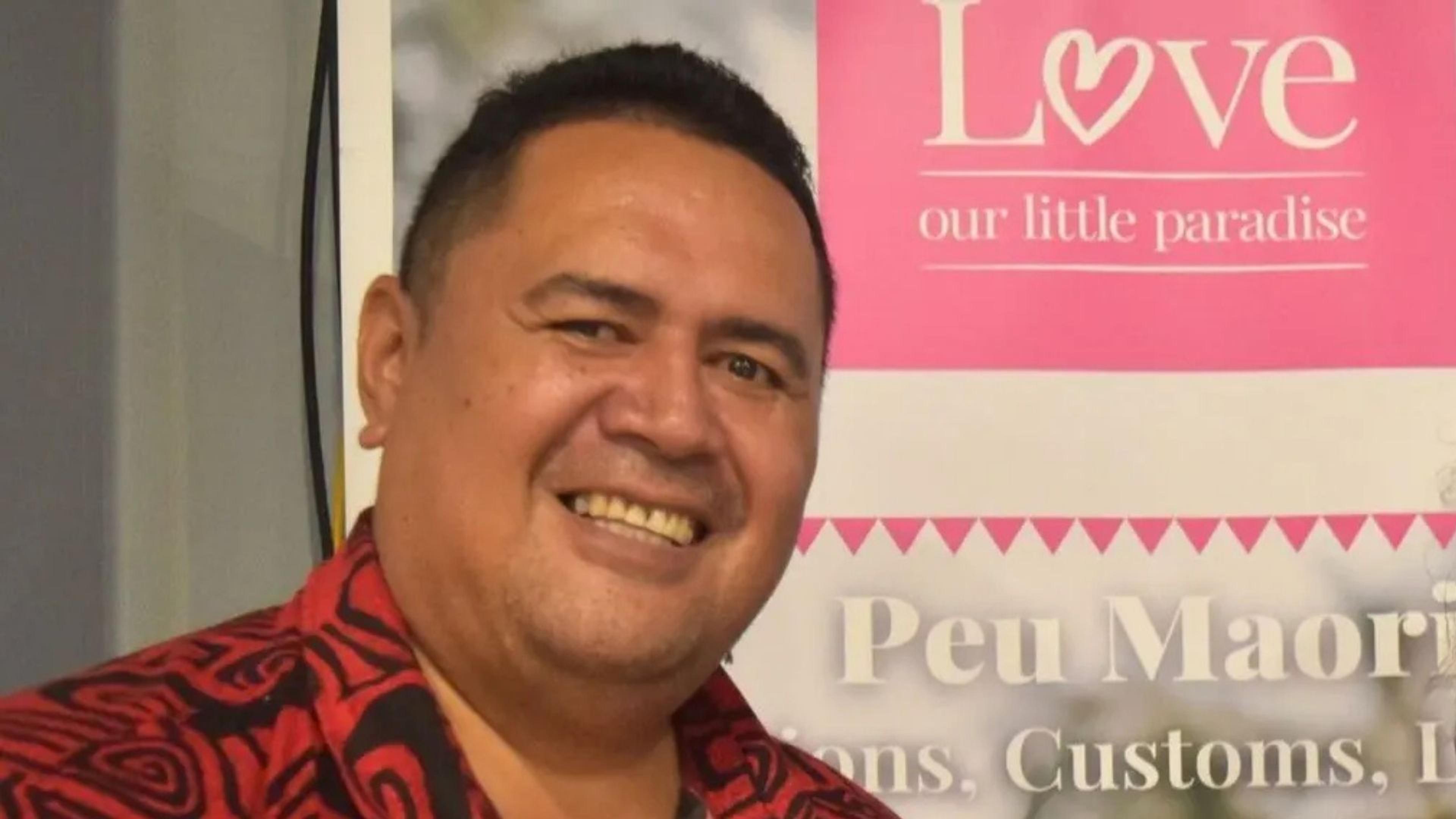
Solomon Islands Prime Minister Matthew Wale has concluded talks in Australia before travelling to New Zealand, as regional partnerships and security issues take centre stage across the Pacific. Photo/Facebook
“The Pacific is being used as kind of like a chess board at the moment,” he said. “What I believe is that in between… there’s a lot of work we can do on cooperation and sustainable development.”
He said while security concerns are real, the region should not lose sight of shared development goals. “It doesn’t all have to be contested.”
As Luxon meets Albanese in Australia, the message from analysts is clear: the Pacific is no longer on the sidelines of global tension. It is part of the centre of it.