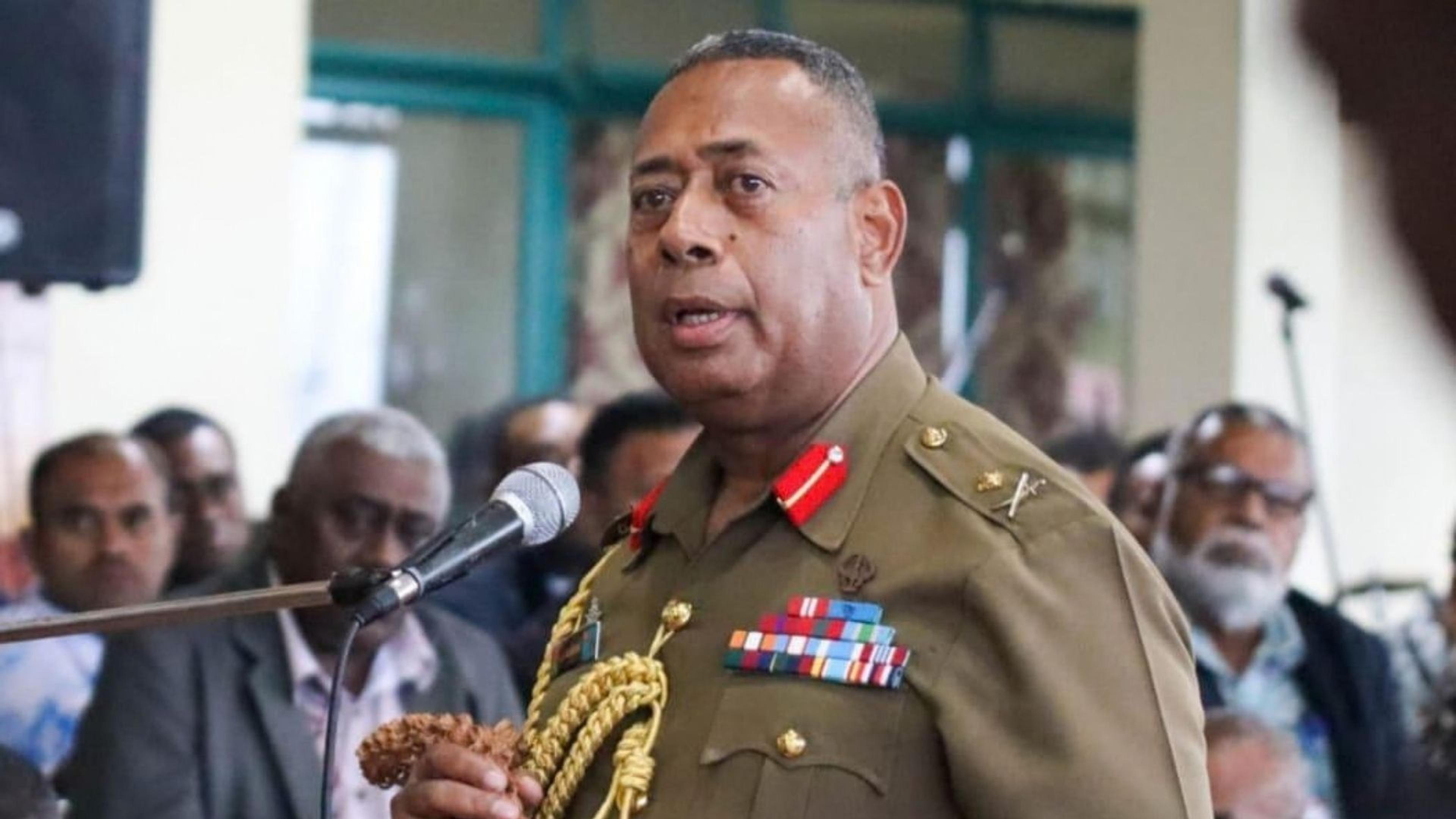
Fiji's army chief warns the gun must never overrule the ballot
Christine RovoiMon, 12 Oct
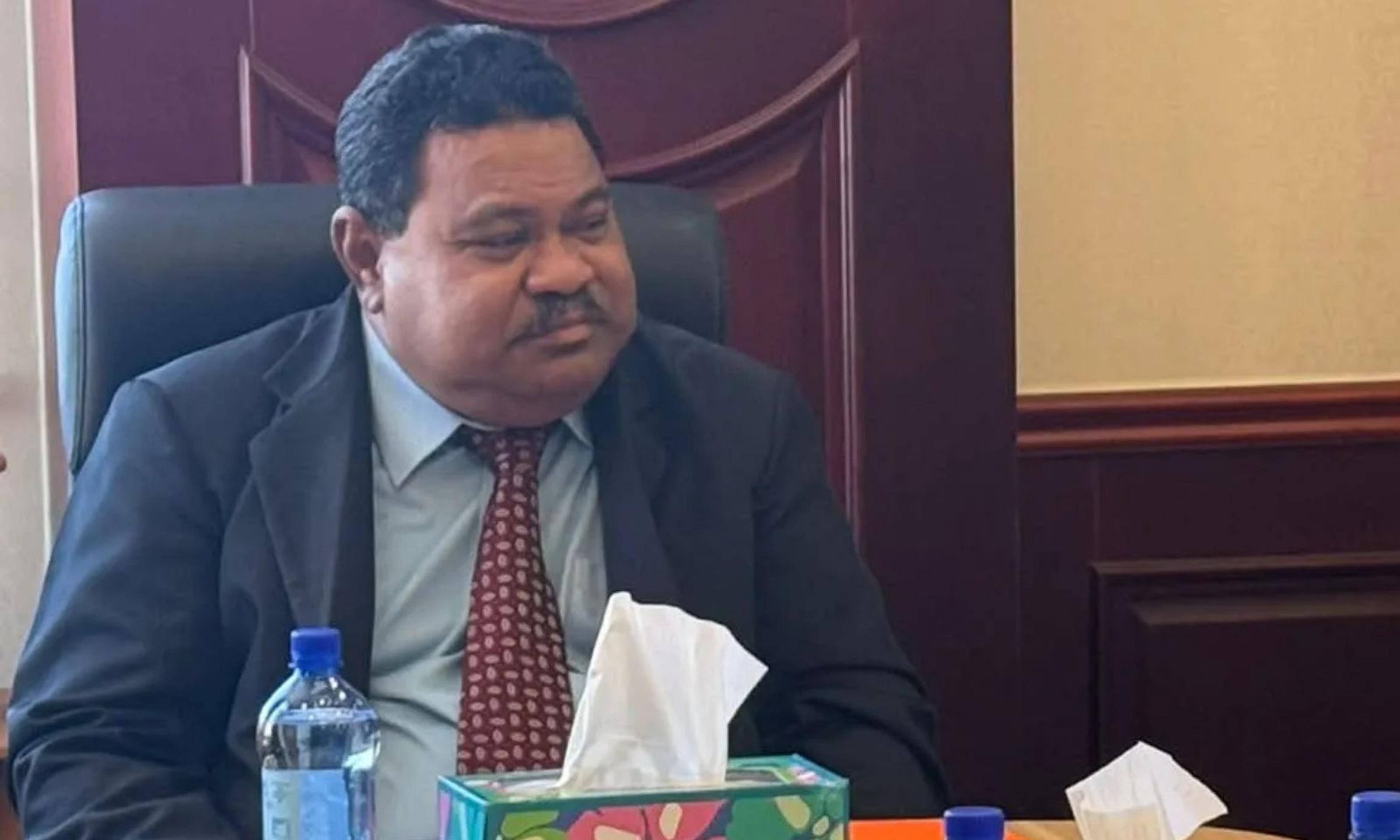
Tonga’s Finance Minister Lata Tangimana has been convicted of bribery by the Supreme Court, a ruling that could cost him his parliamentary seat.
Photo/MOF/file
A court ruling against Lata Tangimana adds to a wave of cases across the region and raises fresh questions about accountability among those in power.

Tonga’s Finance Minister and MP for Niua 17, Lataifaingata‘a Tangimana, has been found guilty of bribery by the country's Supreme Court.
The decision could cost him his seat in Parliament and further shake public trust in political leaders across the region.
The Supreme Court this week convicted Tangimana on two counts of bribery after several days of hearings linked to the November 2025 general election.
The case centred on claims, reported in court, that he indirectly influenced voters by providing fish to a constituent ahead of polling.
Local media reported that the Chief Justice said he was “satisfied beyond reasonable doubt that Tangimana had knowledge of and supported the bribery actions".
The case was brought by rival candidate ʻAisake Hoatatau Finau, who challenged the Niua 17 result.
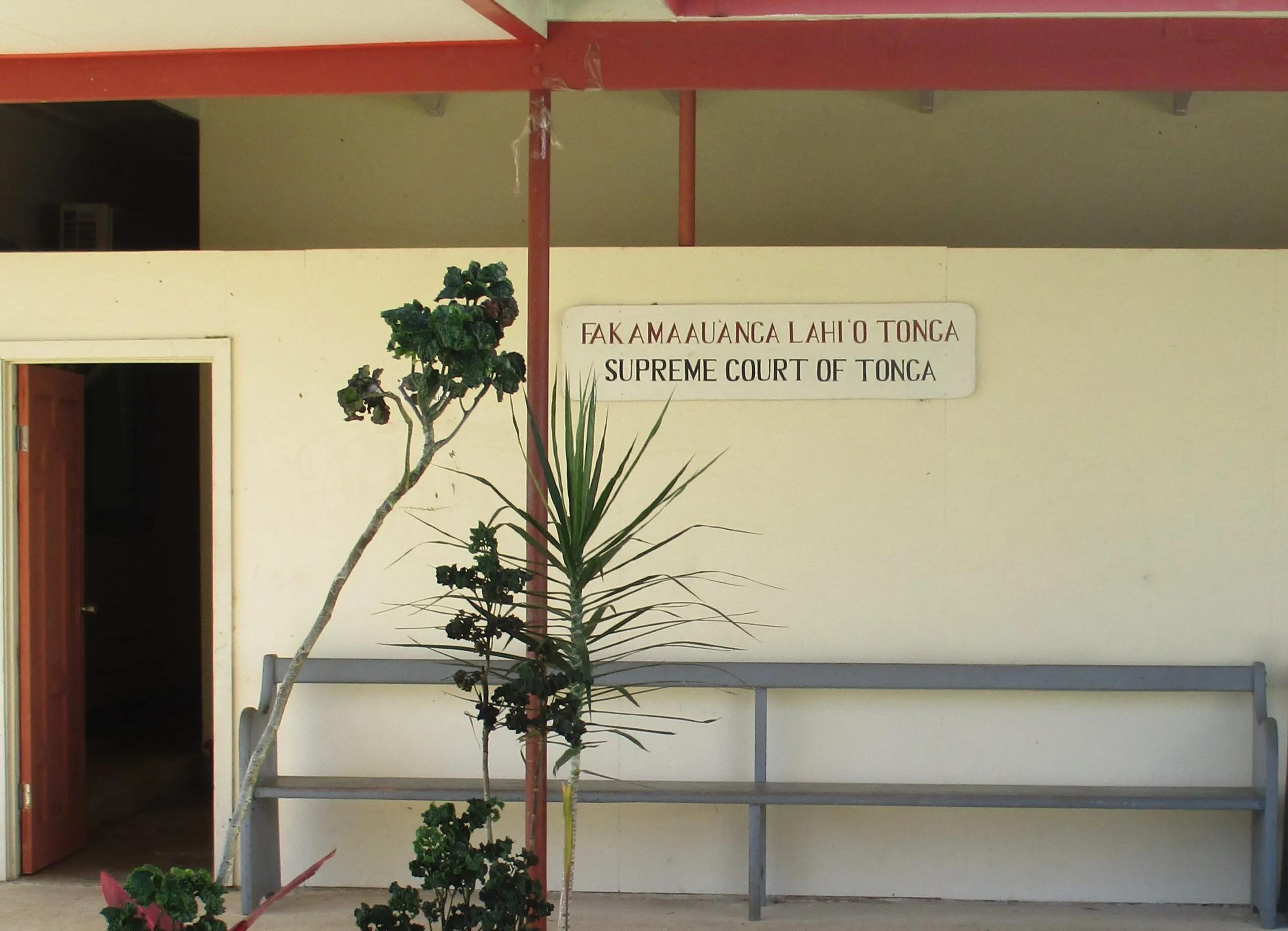
Tonga's Supreme Court in Nuku'alofa. Photo/Facebook
One report stated that Finau's lawyer, Siosifa Tuʻutafaiva, said three charges were initially filed, though one of the three charges could not proceed due to the unavailability of a key witness.
Under Tonga’s Constitution and Electoral Act, a bribery conviction can lead to the loss of a parliamentary seat.
This week's ruling will now be formally sent to the Speaker of Parliament, who will begin that process.
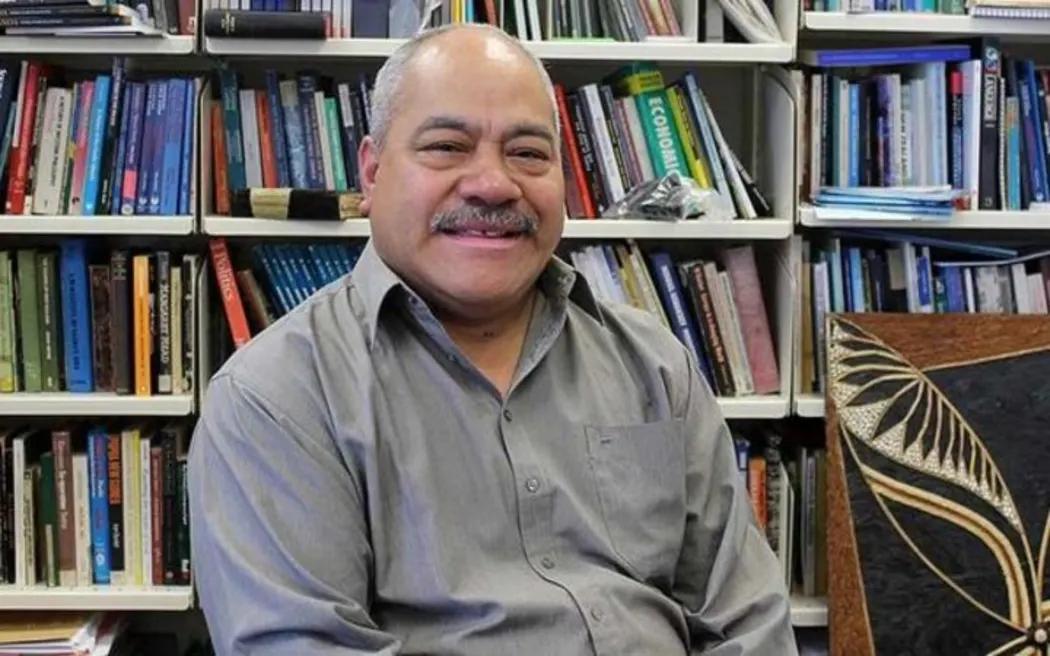
Political commentator Associate Professor Mafua ‘a e Lulutai Malakai Koloamatangi says there needs to be greater public awareness about what counts as bribery in Tonga, warning that ongoing election petitions could lead to a Cabinet reshuffle. Photo/Massey University/file
Tangimana has not publicly responded, but he can still appeal or seek a stay of the decision.
Political commentator Associate Professor Mafua ‘a e Lulutai Malakai Koloamatangi said there needs to be greater public awareness about what counts, and what doesn’t, as bribery, including gifts given both before and after elections.
He told PMN Tonga that there are several ongoing bribery cases in Tonga beyond Tangimana’s, including one involving former Tongatapu 2 Representative Dr ‘Uhilamoelangi Fasi, who has filed a case against Semisi Sika. Sika has also initiated legal action against Fasi.
Other constituencies involved in pending election petitions include Tongatapu 9 and 10; Haʻapai 12 and 13; Vavaʻu 16; and ʻEua 11.
Koloamatangi warned that because many of these representatives hold Cabinet positions, successful challenges could lead to a significant Cabinet reshuffle, further affecting the government’s stability.

Across the Pacific, public officials are increasingly facing courts over election and corruption disputes, testing governance and the rule of law in the region. Photo/The Fiji Times
The ruling comes at a time when several Pacific leaders and officials are facing court action or investigations, highlighting ongoing concerns about governance and the rule of law in the region.
In Sāmoa, a deputy prime minister recently lost his seat after being found guilty of offering a NZ$91 payment to a voter during an election campaign, according to court rulings reported by regional media.
The case drew strong public reaction and reinforced the courts’ role in policing electoral conduct.
In Fiji, a series of anti-corruption cases has raised questions about who has the authority to prosecute high-level officials.
Former prime minister Frank Bainimarama has also faced a series of court cases in recent years, including a new charge which he denies.
In Papua New Guinea, a former minister has been charged over the alleged misuse of public funds, with the case still before the courts.
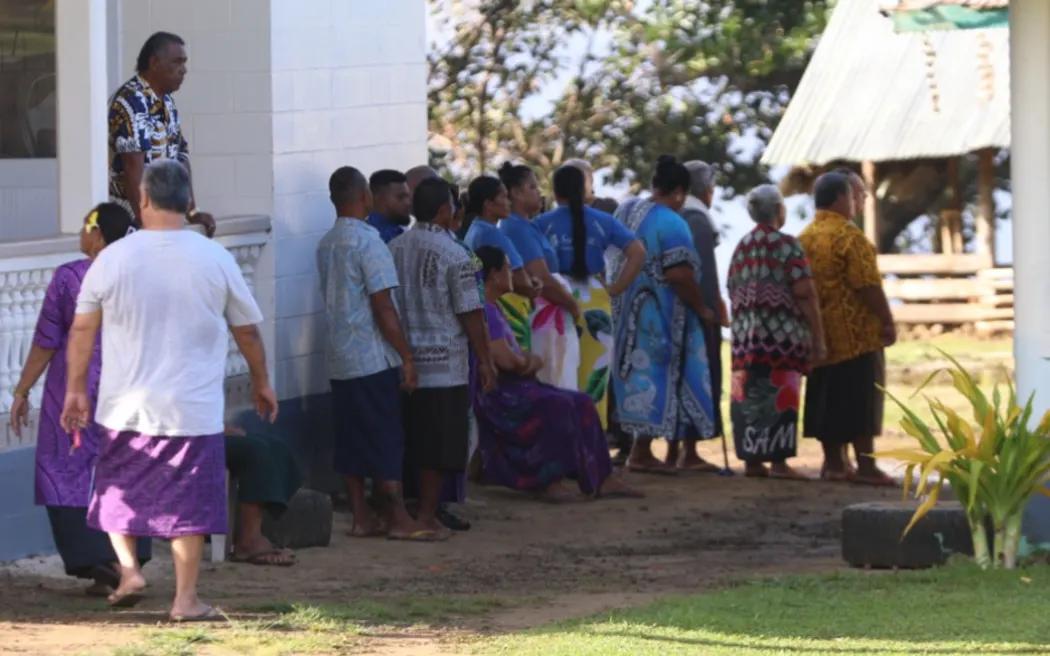
In Sāmoa, a deputy prime minister recently lost his seat after a court found him guilty of offering a NZ$91 bribe to a voter, highlighting regional concerns over electoral integrity. Photo/RNZ/Mark Papalii
Legal experts, cited in regional reporting, say this exposes tensions within the system and raises concerns about how accountability is enforced.
And in Tonga itself, this is far from the first time allegations have reached the highest levels of government.
In recent months, a cabinet minister was suspended amid misconduct allegations, and according to local media, dozens of corruption complaints involving public officials have reportedly been referred to the Anti-Corruption Commission.
Across the Pacific, such cases are not new.
Election petitions, bribery allegations, and corruption investigations have repeatedly surfaced after national polls, with courts often stepping in to decide whether results stand.
In several past instances, MPs and even ministers have been removed from office after being found to have breached electoral laws.
For many observers, the pattern points to a deeper challenge: those entrusted to uphold the law are sometimes accused of breaking it.
At the same time, the growing number of cases reaching the courts is also seen as a sign that institutions, while under pressure, are being tested and, in some cases, strengthened.
For Tangimana, the immediate future remains uncertain. If the conviction stands, a by-election could be triggered in Niua 17, adding further political pressure at a time when multiple election petitions are already before the courts.
More broadly, the case adds to a widening regional conversation about integrity in public office and whether stronger systems are needed to ensure leaders are held to account.
As legal battles continue across Tonga, Sāmoa, Fiji, and PNG, one thing is clear: the courts are playing an increasingly central role in shaping the region’s political landscape.